Artwork
Rebecca and Eleazar
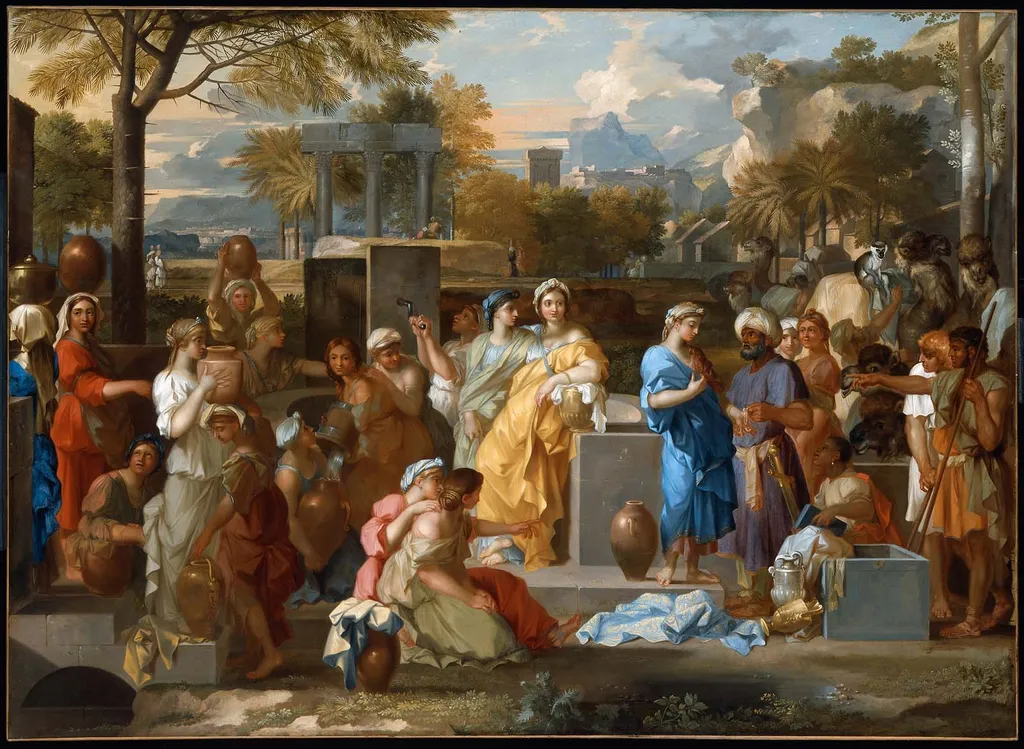
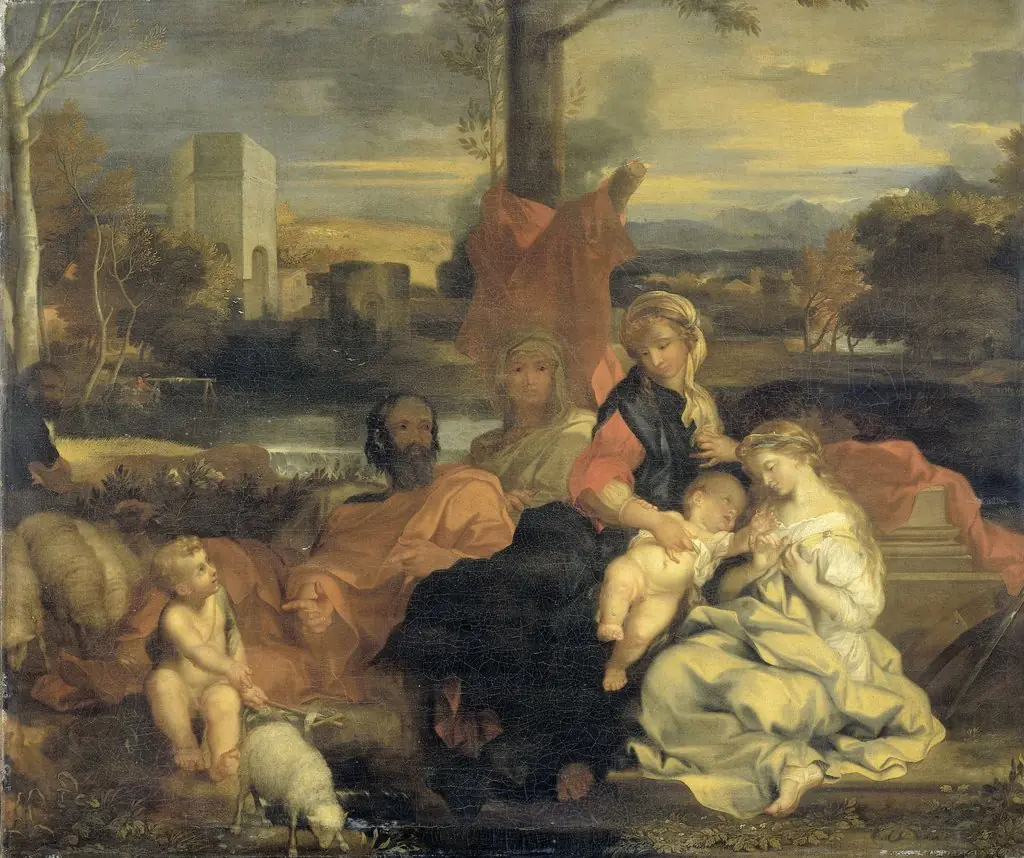
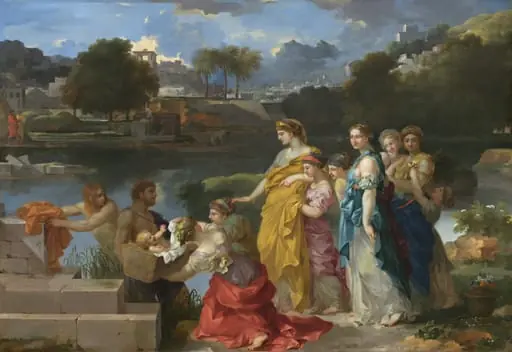
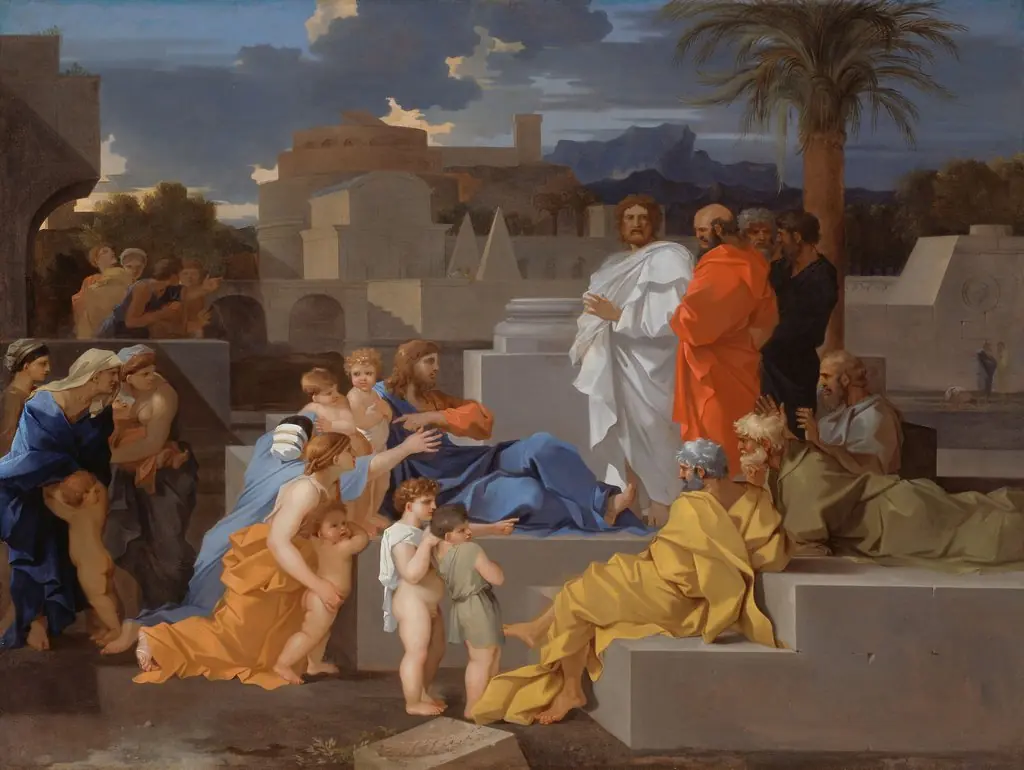
Rebecca and Eleazar is an oil painting by the French Classical Baroque artist Sébastien Bourdon. It dates from 1653 and is held in the collection of the Museum of Fine Arts Boston.
About this work
Overview
Sébastien Bourdon painted *Rebecca and Eleazar* circa 1653 using oil on canvas.
Sébastien Bourdon painted *Rebecca and Eleazar* circa 1653 using oil on canvas. A French artist known for his versatility, Bourdon worked across genres, and this piece reflects his engagement with biblical narratives during the French Classical Baroque period. The painting is part of the Museum of Fine Arts, Boston’s permanent collection, where it remains a quiet example of 17th-century narrative painting rooted in scriptural tradition.
Subject & Meaning
The scene illustrates the biblical story from Genesis in which Abraham’s servant, Eleazar, meets Rebecca at a well. She offers water to him and his camels, demonstrating virtue and hospitality. Bourdon captures the moment of encounter amid a bustling rural setting, emphasizing Rebecca’s central role as a figure of grace and divine favor, chosen to become Isaac’s wife.
Technique & Style
Bourdon employs chiaroscuro to model figures with subtle gradations of light and shadow, lending volume and realism to the forms. The composition arranges multiple figures in a naturalistic group, avoiding rigid symmetry. Clothing folds and textures are rendered with careful attention, while the background suggests depth through receding architecture and foliage, grounding the sacred event in an earthly context.
History & Provenance
The painting was likely completed during Bourdon’s return to France after years in Italy, where he absorbed classical and Caravaggesque influences. It entered the Museum of Fine Arts, Boston, in the early 20th century through a private collection, possibly acquired by an American patron interested in European Old Master works. Its provenance remains largely undocumented prior to its museum acquisition.
Context
In mid-17th-century France, religious subjects remained popular despite growing secular trends. Bourdon’s treatment of biblical stories aligned with the French Academy’s preference for moral clarity and dignified composition. His synthesis of Italian chiaroscuro with French restraint reflects a broader artistic dialogue between northern and southern European traditions during this period.
Legacy
Though not among Bourdon’s most widely reproduced works, *Rebecca and Eleazar* exemplifies his skill in blending narrative precision with atmospheric detail. It contributes to the understanding of how French artists adapted biblical themes for domestic and institutional collections, preserving spiritual stories through the lens of everyday realism rather than overt grandeur.
Artist & collection
Artist
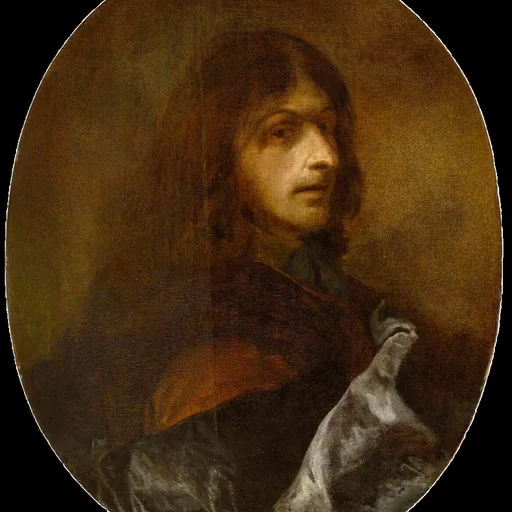
Sébastien Bourdon (French pronunciation: ; 2 February 1616 – 8 May 1671) was a French painter and engraver. His chef d'œuvre is The Crucifixion of St. Peter made for the cathedral of Notre Dame.