Artwork
Self Portrait
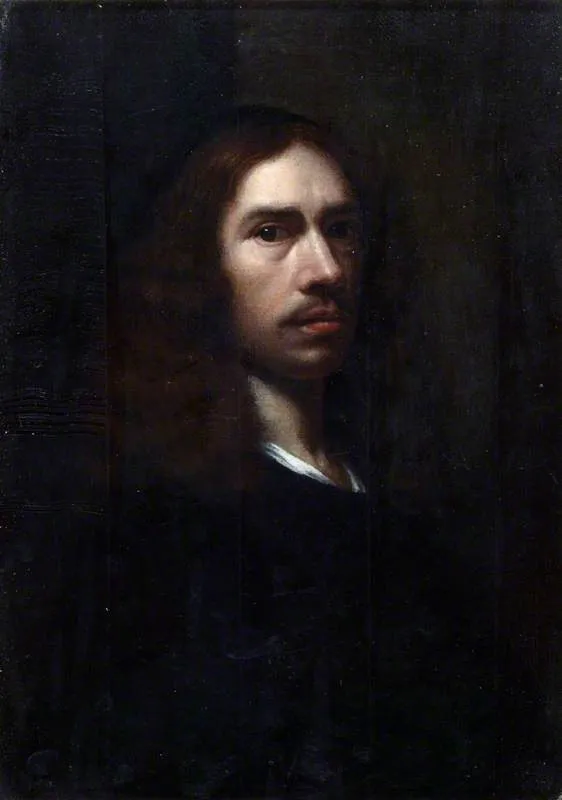
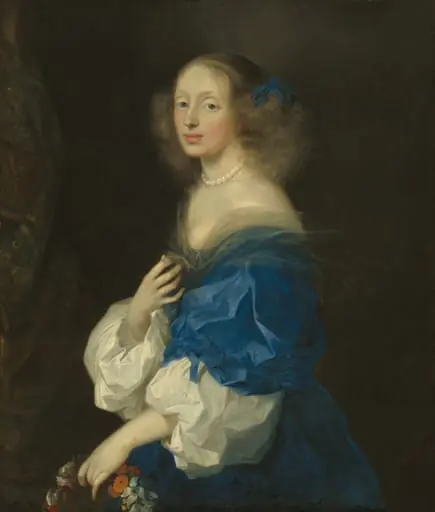
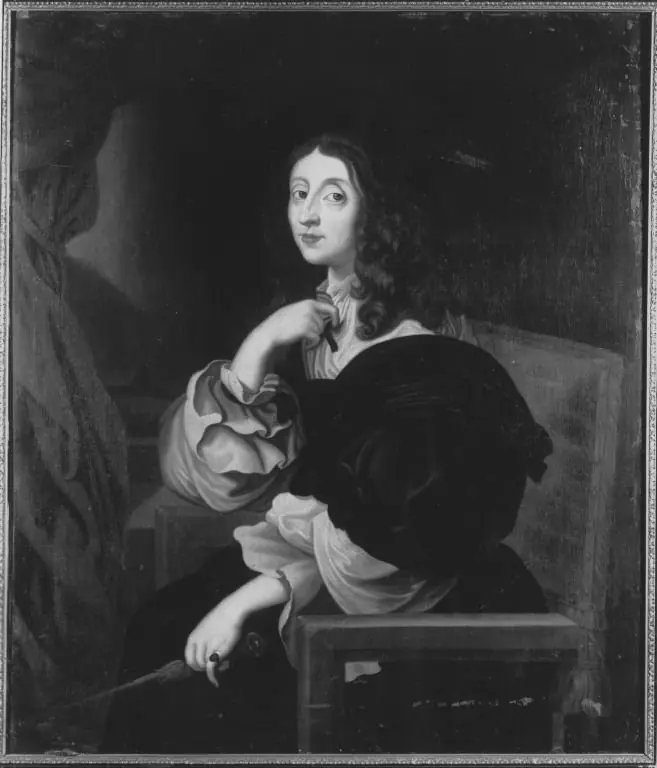
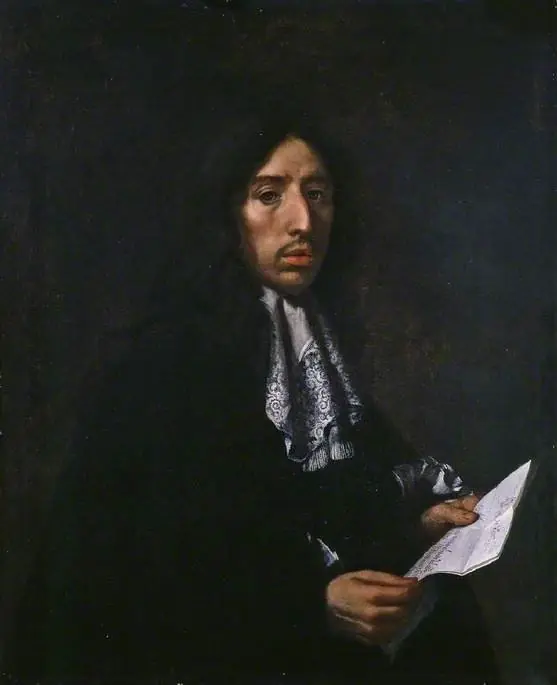
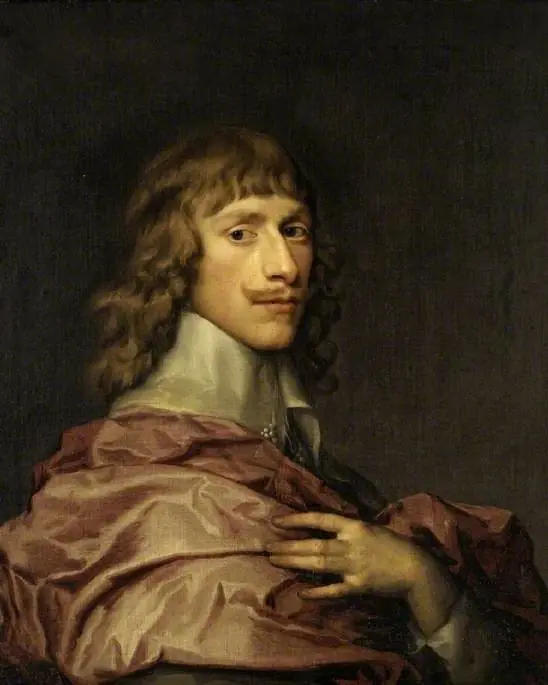
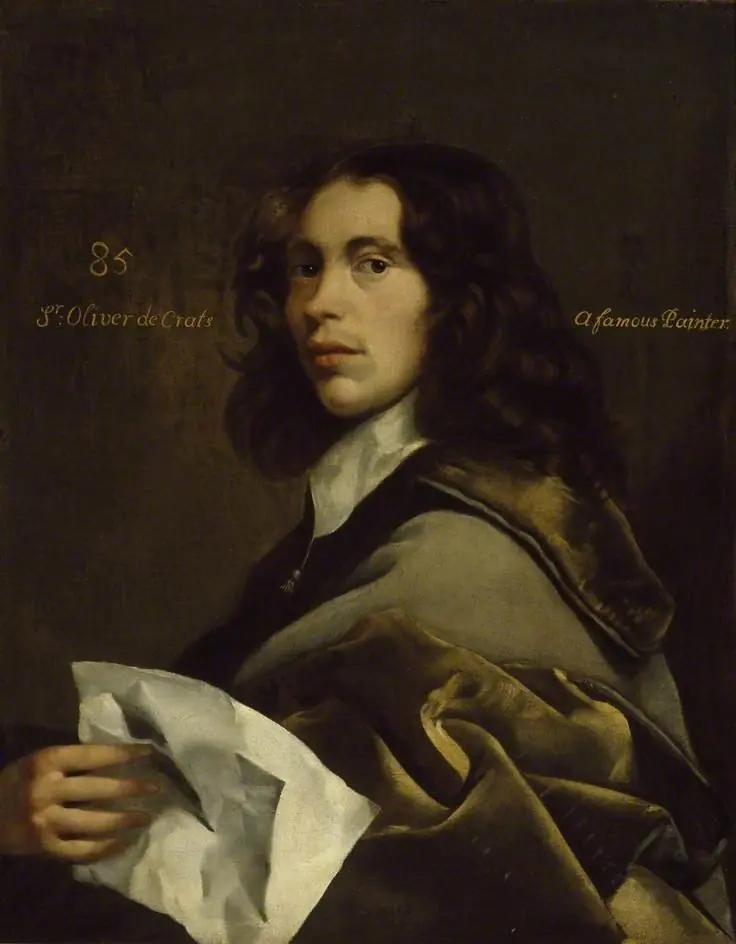
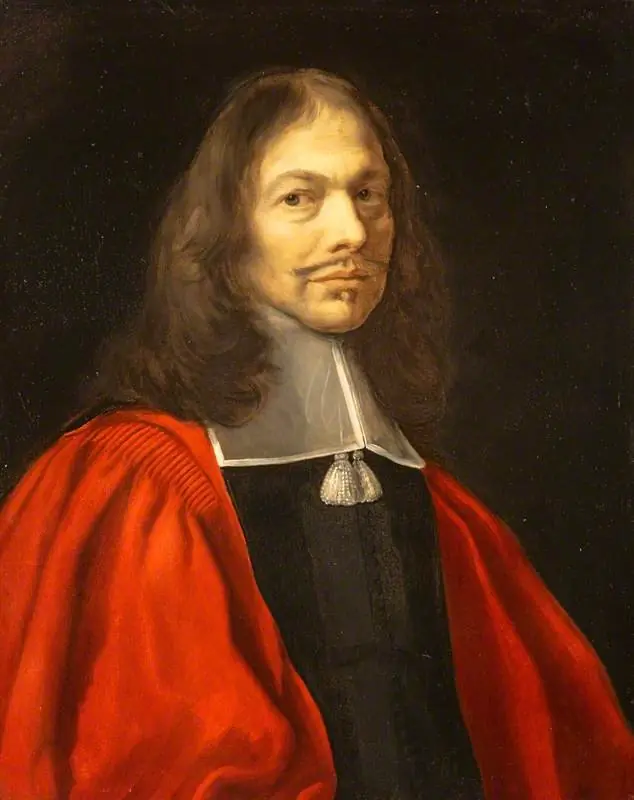
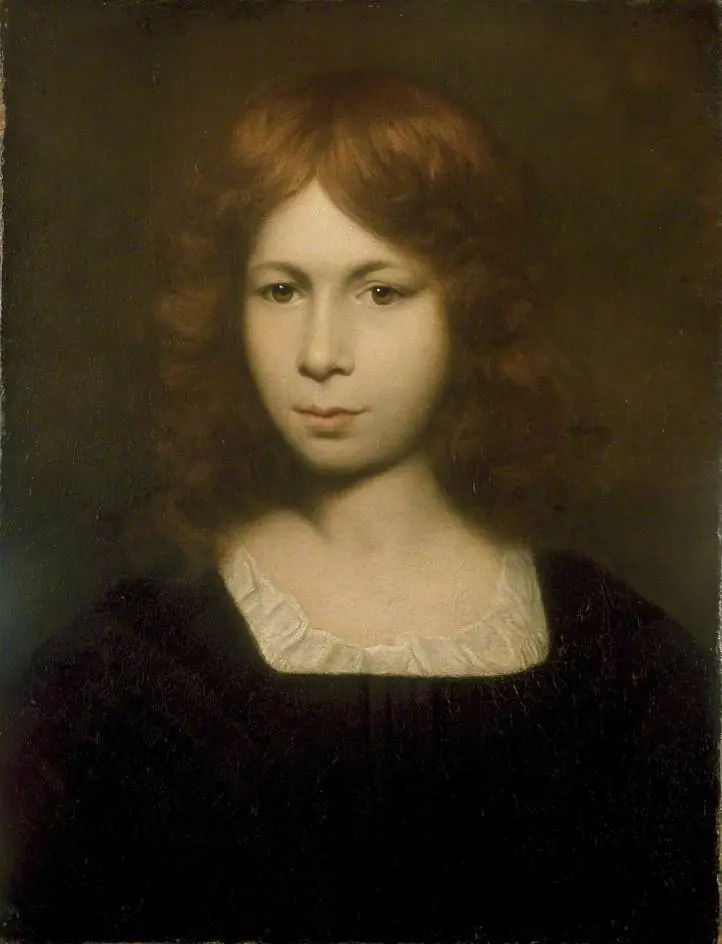
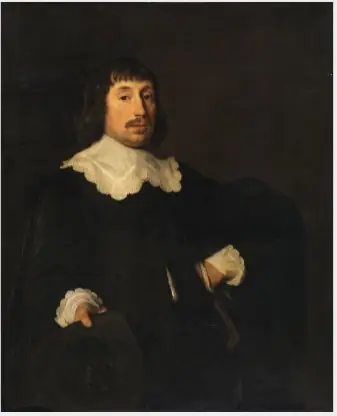
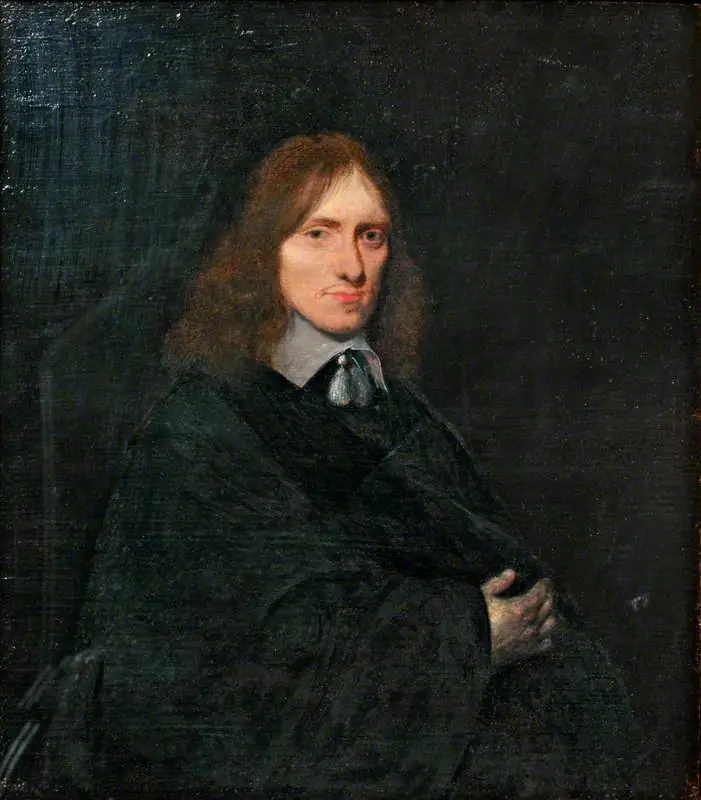
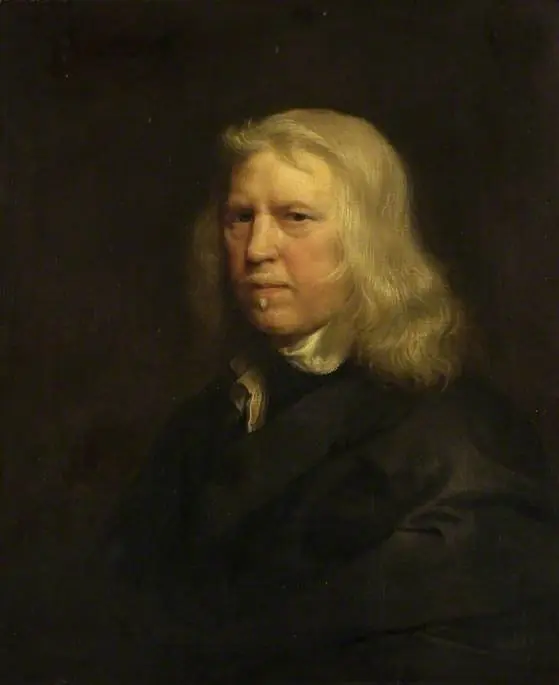
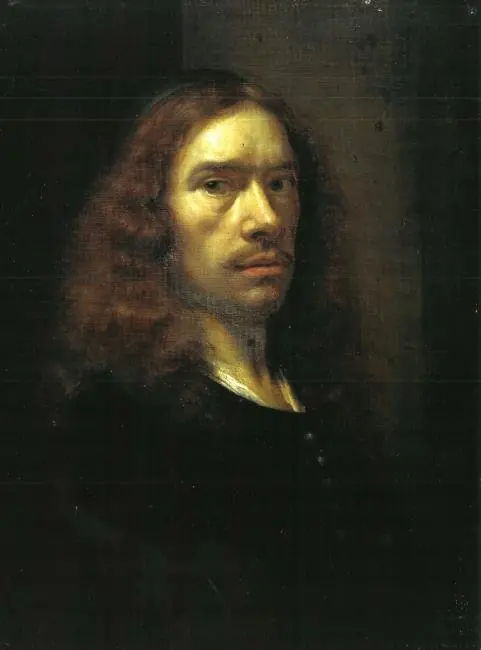
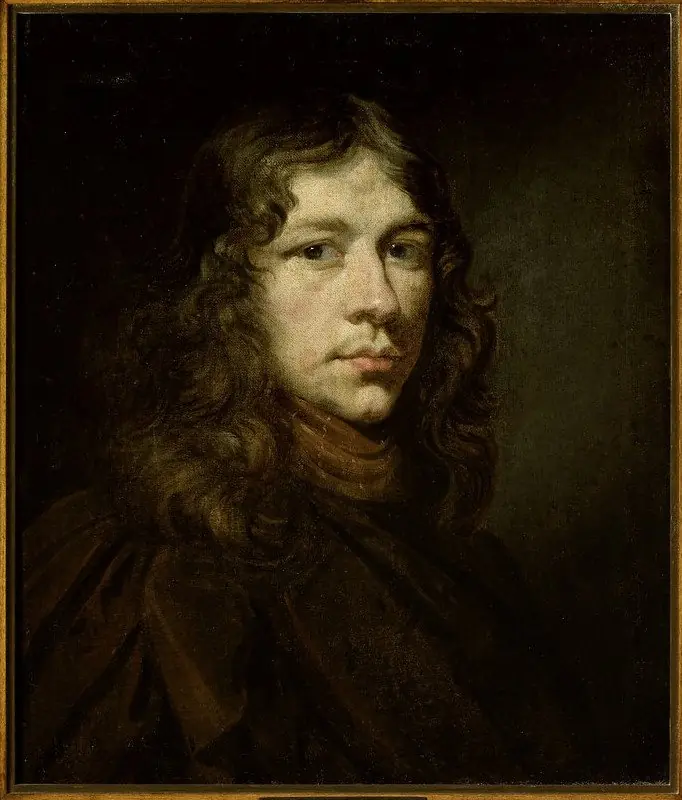
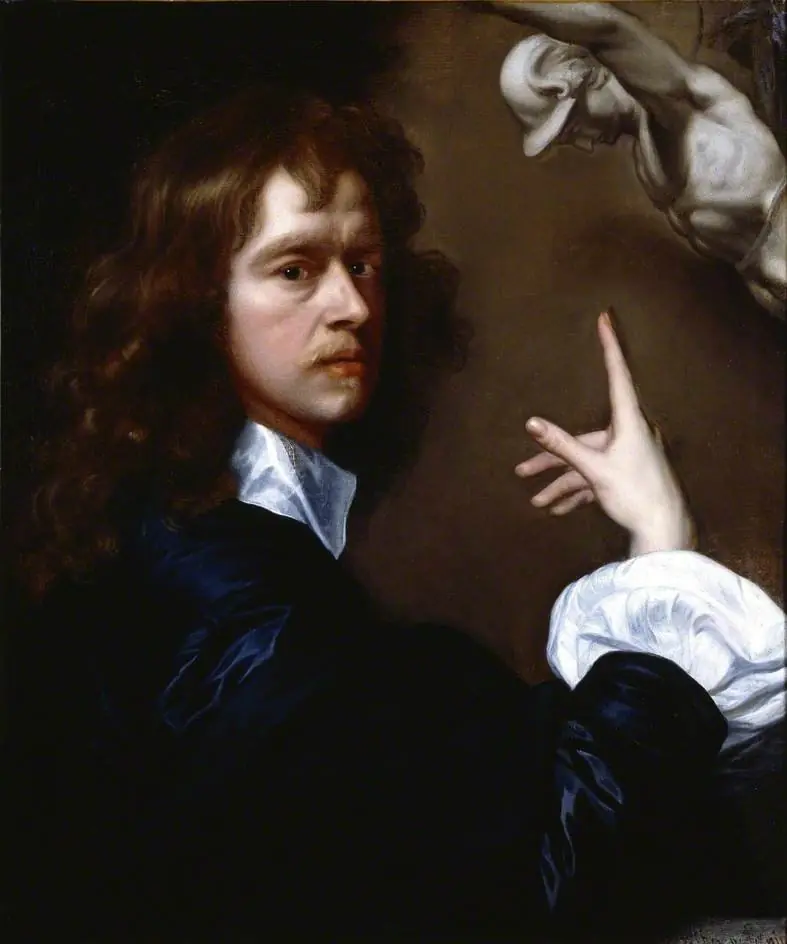
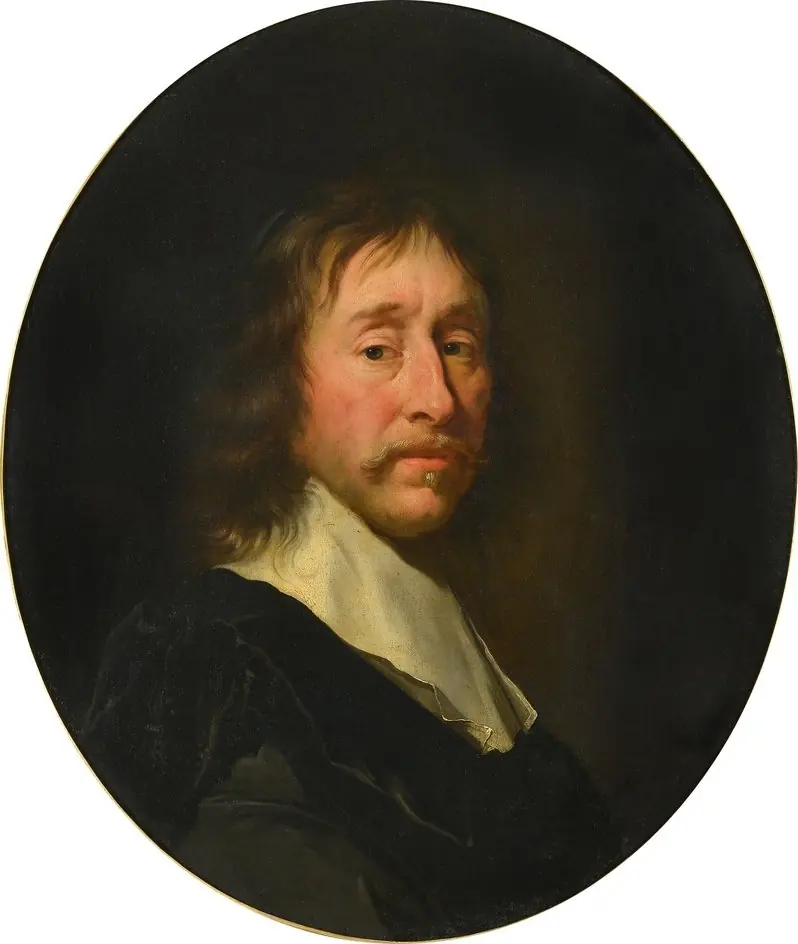
Self Portrait is an unspecified painting by Sébastien Bourdon. It dates from 1653 and is held in the collection of the Victoria and Albert Museum.
About this work
Overview
Sébastien Bourdon painted this self-portrait circa 1653, during his mature period in Paris. It is one of several introspective images he produced, reflecting his position as a respected artist and member of the Académie Royale. The work is now part of the Victoria and Albert Museum’s collection, where it is valued for its quiet intensity and technical restraint.
Subject & Meaning
The portrait presents Bourdon as a contemplative figure, gazing directly at the viewer with a composed expression. His unadorned attire and neutral posture suggest an emphasis on intellectual presence rather than social status. The direct gaze invites a personal connection, aligning with 17th-century conventions of artist self-representation that prioritized authenticity over grandeur.
Technique & Style
Bourdon employed a muted palette and tight brushwork to focus attention on the face and shoulders. The dark, undefined background isolates the figure, enhancing the psychological immediacy of the portrait. His handling of light subtly models the contours of the face, revealing a refined understanding of chiaroscuro learned from Caravaggisti influences, yet applied with French restraint.
History & Provenance
The painting entered the Victoria and Albert Museum’s collection in the 19th century, likely through a private acquisition or bequest.
The painting entered the Victoria and Albert Museum’s collection in the 19th century, likely through a private acquisition or bequest. While its early ownership history is not fully documented, its survival through centuries reflects its recognition as a significant example of French Baroque portraiture. Bourdon’s reputation as both painter and engraver contributed to the preservation of his self-representations.
Context
In mid-17th-century France, artists increasingly depicted themselves to assert professional identity amid institutional growth. Bourdon, a founding member of the Académie Royale, participated in this trend. His self-portrait aligns with contemporaneous works by artists like Le Brun, reflecting a broader cultural shift toward valuing the artist’s individuality and craft.
Legacy
Though less widely known than some of his peers, Bourdon’s self-portrait remains a key reference in studies of French Baroque portraiture. Its understated realism influenced later generations of artists seeking to convey character without theatricality. The work endures as a quiet testament to the artist’s self-awareness and technical discipline.
Artist & collection
Artist
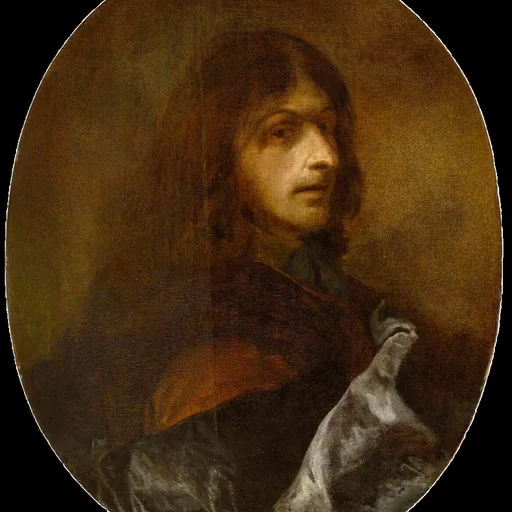
Sébastien Bourdon (French pronunciation: ; 2 February 1616 – 8 May 1671) was a French painter and engraver. His chef d'œuvre is The Crucifixion of St. Peter made for the cathedral of Notre Dame.