Artwork
Sir John Finch F.R.S., F.R.C.P. 1626-1682
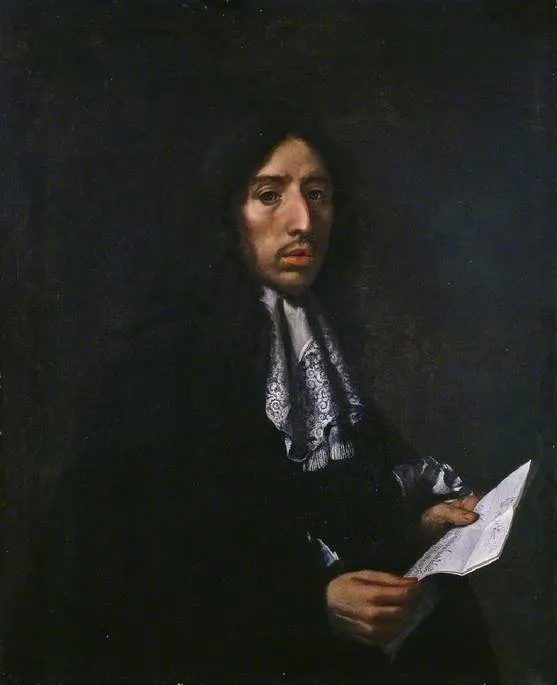
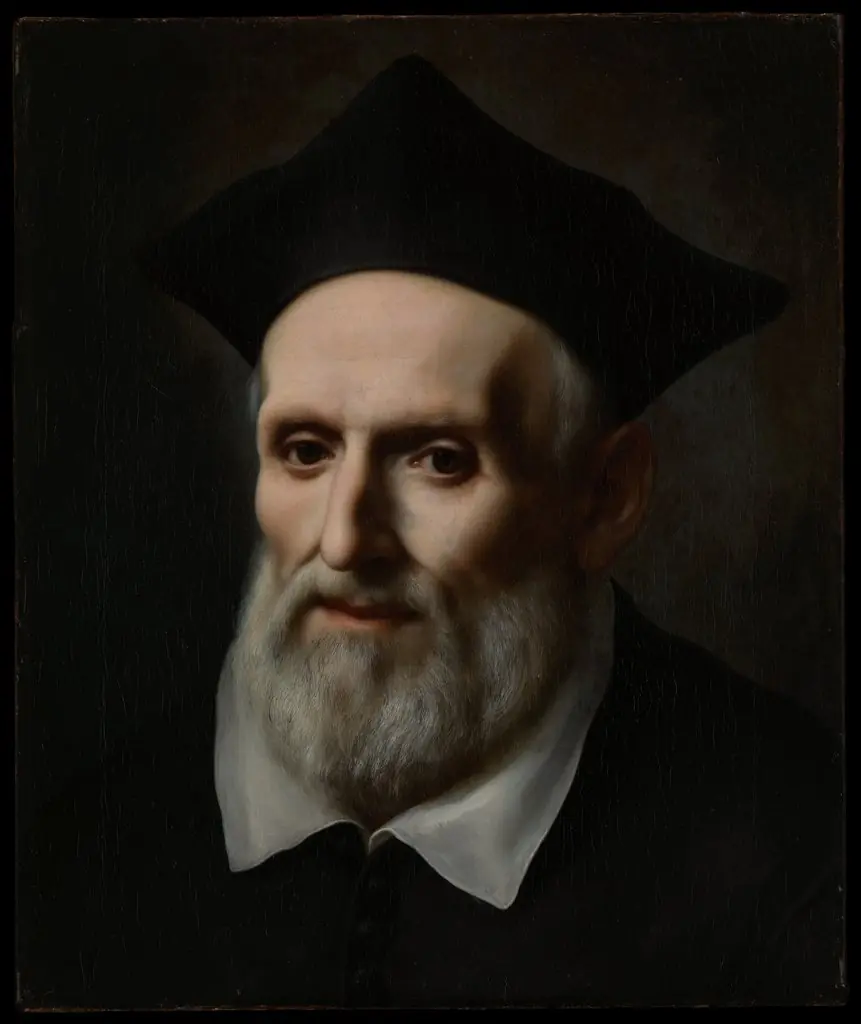
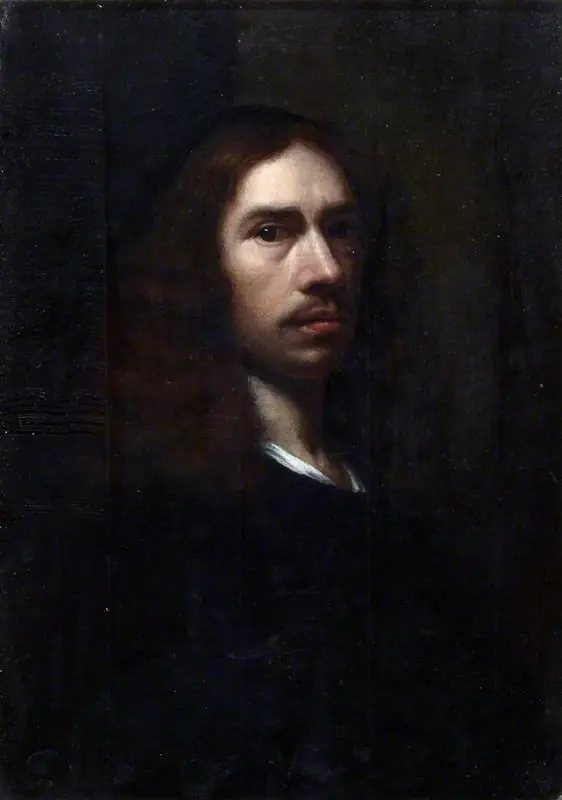
Sir John Finch F.R.S., F.R.C.P. 1626-1682 is an oil painting by the Early Baroque Italian artist Carlo Dolci. It dates from 1667 and is held in the collection of the Fitzwilliam Museum.
About this work
Overview
Carlo Dolci, a Florentine painter active in the mid‑seventeenth century, completed this oil portrait in 1667. It presents Sir John Finch, an English physician and diplomat born in 1626, rendered against a stark, unadorned backdrop. The work now belongs to the Fitzwilliam Museum’s collection, where it is displayed as a representative example of Dolci’s later portraiture.
Subject & Meaning
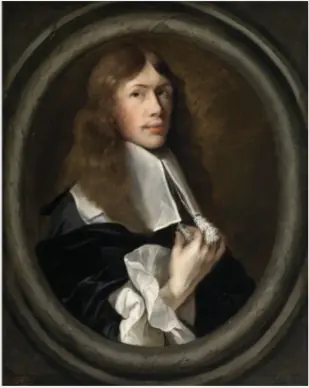
The sitter, Sir John Finch, is shown in a sober black coat with a lace‑trimmed collar, his dark curls framing a composed, forward‑looking gaze. He holds a folded sheet of paper, a subtle reference to his diplomatic and scholarly activities. The portrait conveys a sense of professional gravitas and personal restraint, reflecting the social standing of an English gentleman of the Restoration era.
Technique & Style
Dolci employs a pronounced chiaroscuro effect, using a single light source to illuminate Finch’s facial features while the surrounding darkness recedes.
Dolci employs a pronounced chiaroscuro effect, using a single light source to illuminate Finch’s facial features while the surrounding darkness recedes. This contrast heightens the three‑dimensionality of the figure and emphasizes texture, from the sheen of the coat to the delicate lace. The meticulous finish, characteristic of Dolci’s work, reveals careful attention to detail in both fabric and flesh.
History & Provenance
Created in Florence, the painting entered the Fitzwilliam Museum’s holdings through acquisition in the twentieth century, though earlier ownership records are sparse. Its presence in a British museum underscores the cross‑national patronage that linked English elites with Italian artists during the Baroque period, illustrating the mobility of portrait commissions across Europe.
Context
Dolci, known primarily for devotional scenes, produced a limited number of portrait commissions, often for foreign patrons. This work aligns with the early Baroque aesthetic prevalent in Italy, where dramatic lighting and restrained composition were employed to convey the sitter’s inner character. The portrait thus reflects both the artist’s adaptability and the broader cultural exchange between England and Italy in the 1660s.
Artist & collection
Artist
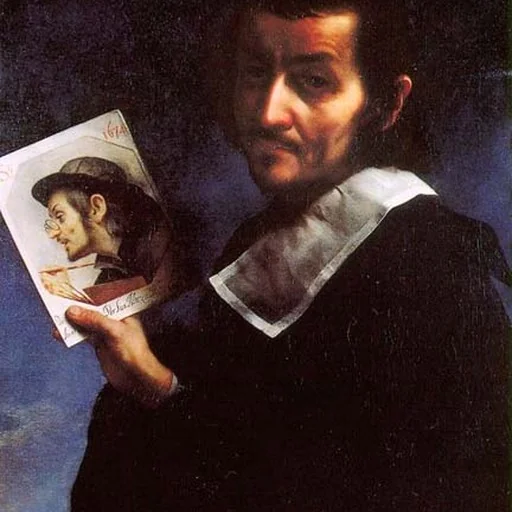
Carlo (or Carlino) Dolci (25 May 1616 – 17 January 1686) was an Italian Baroque painter active mainly in Florence, known for highly finished religious pictures, often repeated in many versions.