Artwork
Taki-ni-suzume
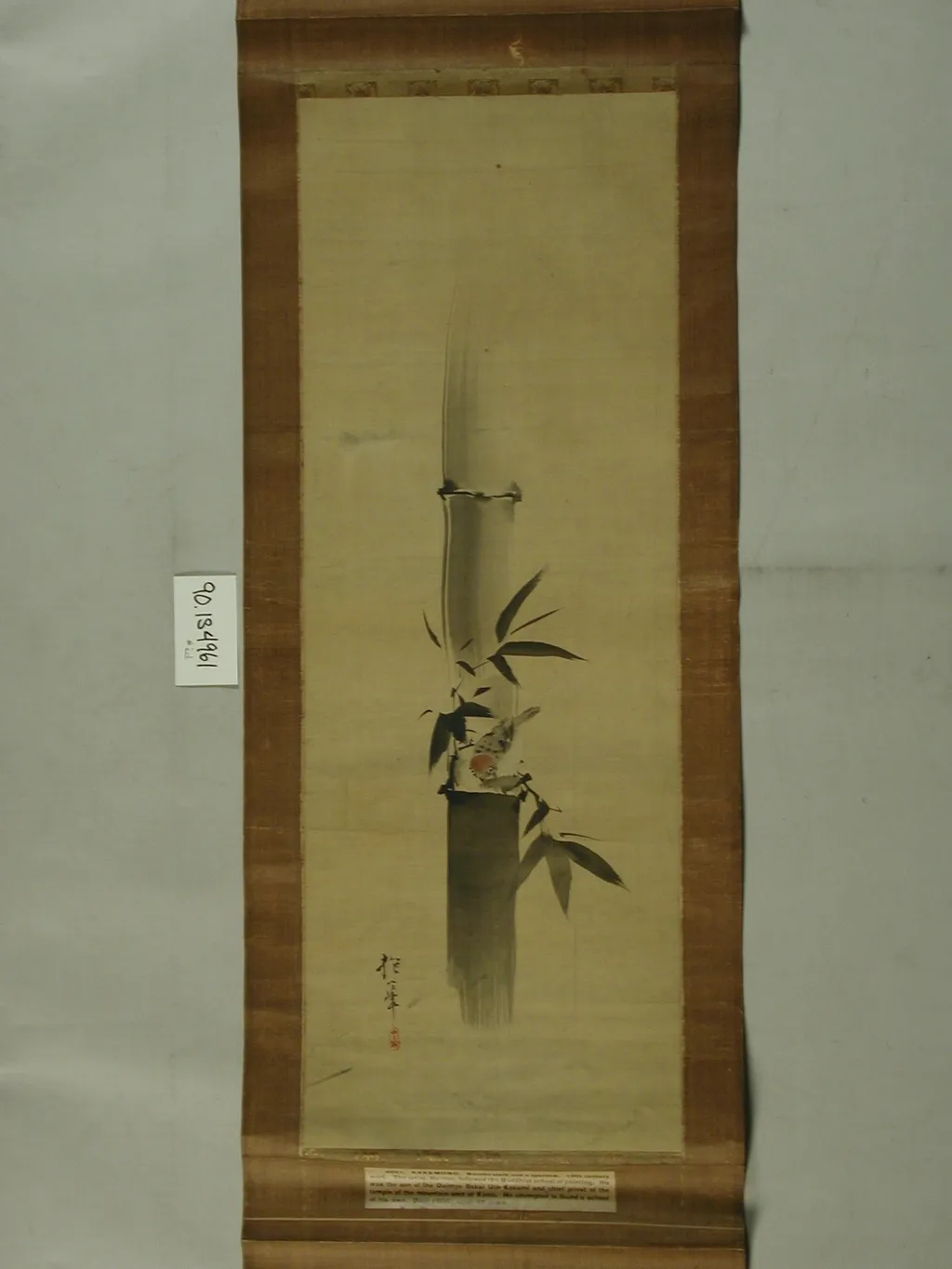
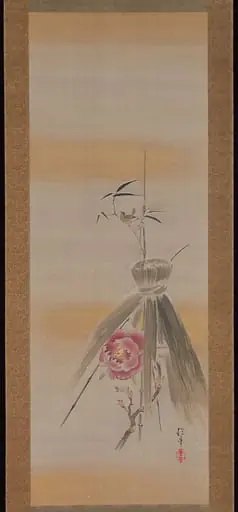
Taki-ni-suzume is an unspecified painting by Sakai Hōitsu. It dates from 1804 and is held in the collection of the Detroit Institute of Arts.
About this work
Overview
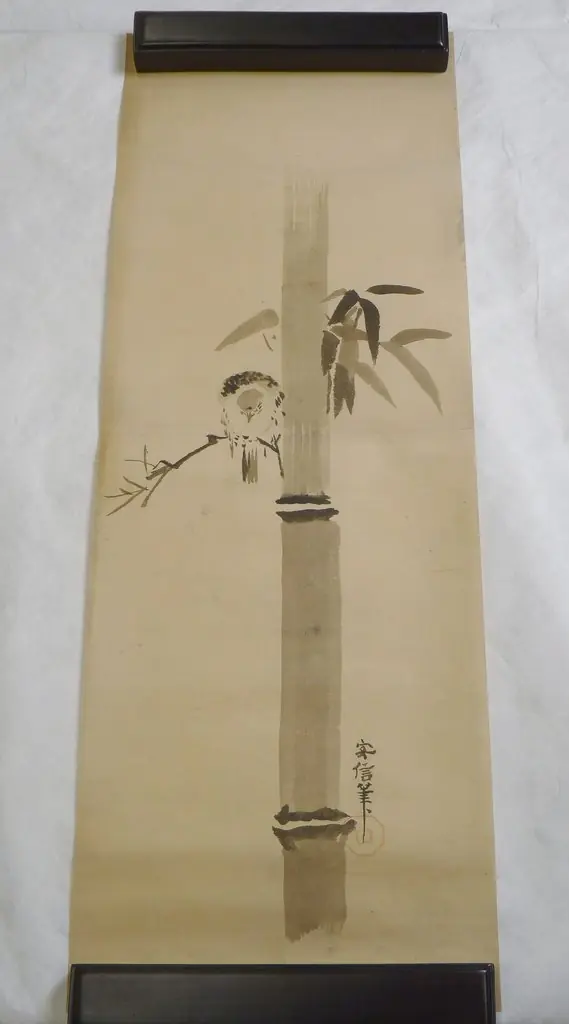
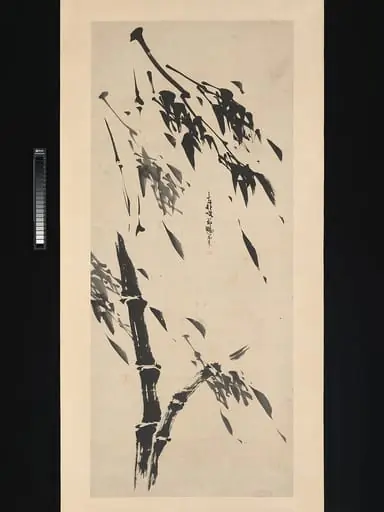
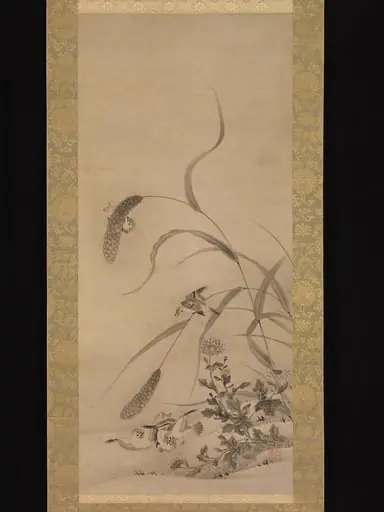
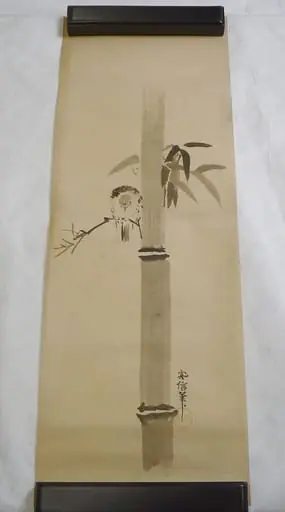
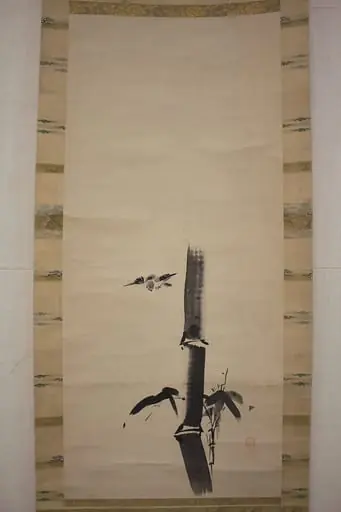
The composition centers on a slender bamboo stalk, its upper leaves rendered with fine brushwork, and a small bird perched delicately upon one of the shoots.
Taki‑ni‑suzume, executed around 1804 by the Japanese painter Sakai Hōitsu, is an ink and color work on paper now in the collection of the Detroit Institute of Arts. The composition centers on a slender bamboo stalk, its upper leaves rendered with fine brushwork, and a small bird perched delicately upon one of the shoots. The painting’s restrained palette and spacious layout convey a quiet, contemplative atmosphere.
Subject & Meaning
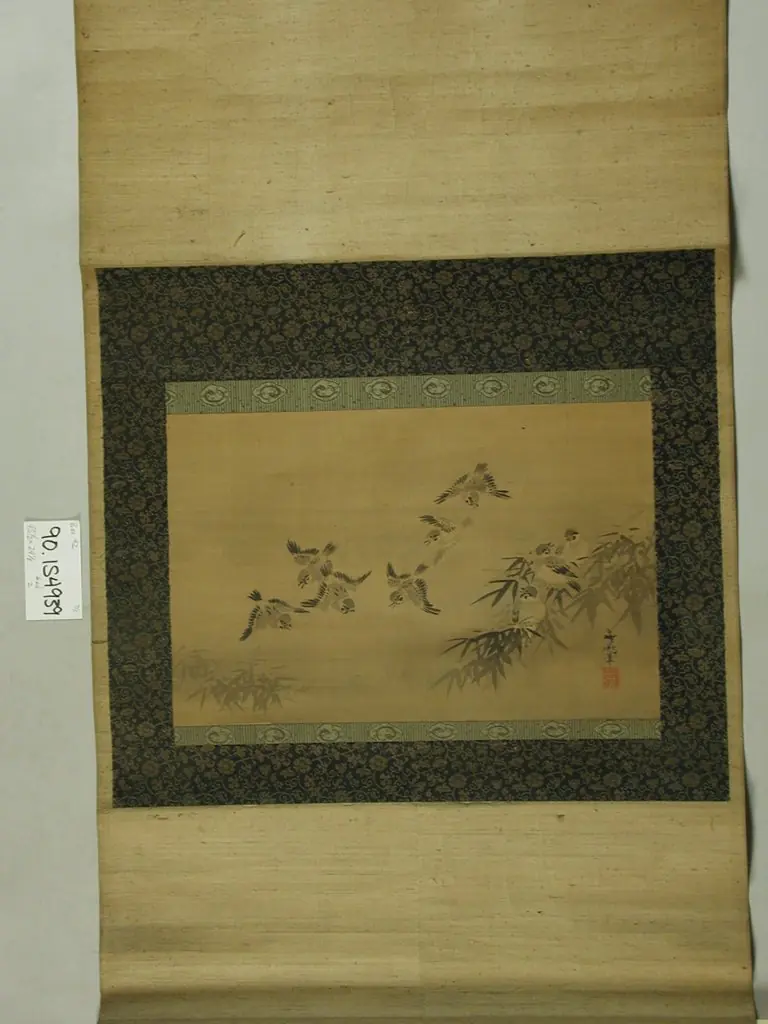
The piece portrays a single bamboo shoot with a few emerging leaves and a sparrow, a motif often associated in Japanese art with resilience and the arrival of spring. By isolating these elements, the work invites reflection on the fleeting nature of life and the subtle beauty found in ordinary natural moments.
Technique & Style
Hōitsu employs a minimalist approach, using delicate ink lines and muted washes to suggest form rather than delineate it fully. Subtle gradations of tone give the bamboo a sense of volume, while the generous negative space surrounding the subject creates a balanced composition that emphasizes tranquility and spatial harmony.
History & Provenance
Created in the early nineteenth century, Taki‑ni‑suzume entered the Detroit Institute of Arts through acquisition in the late twentieth century, reflecting growing Western interest in Edo‑period Rinpa aesthetics. The work remains an example of Hōitsu’s later output, when he revisited traditional themes with a refined, understated sensibility.
Artist & collection