Artwork
Kakemono
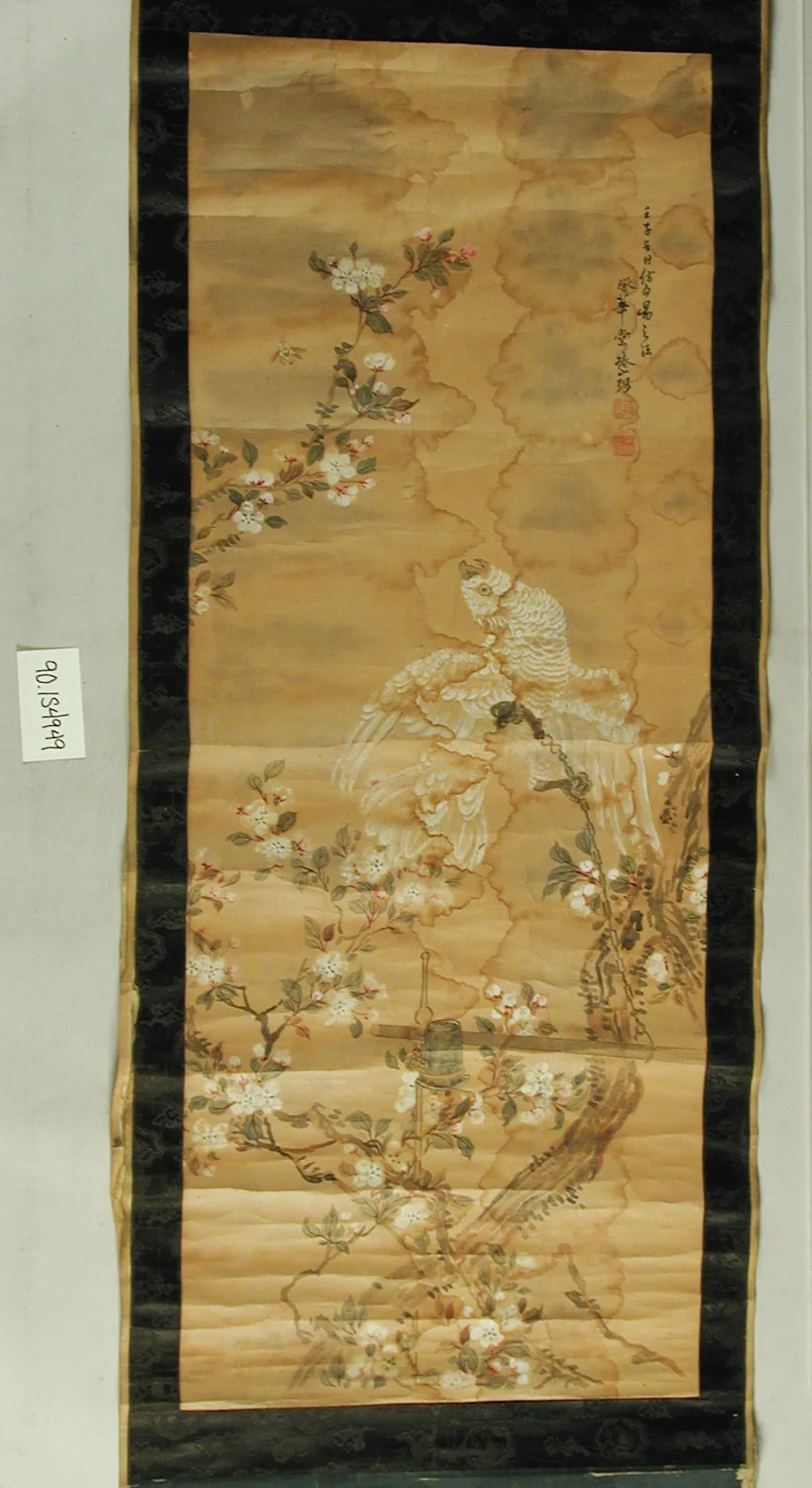
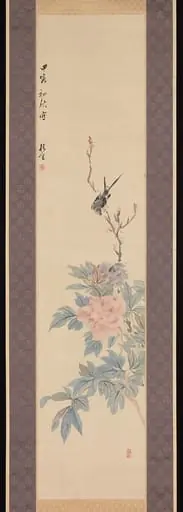
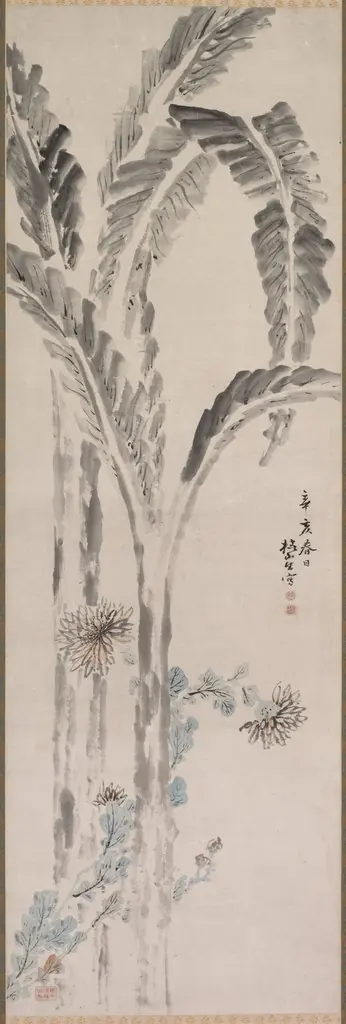
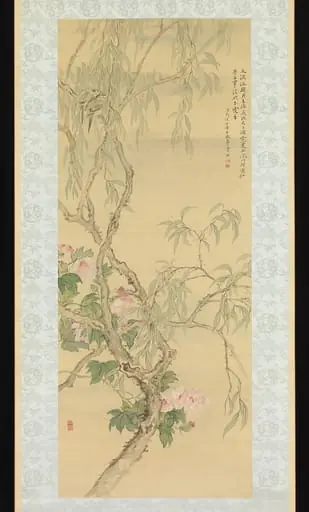
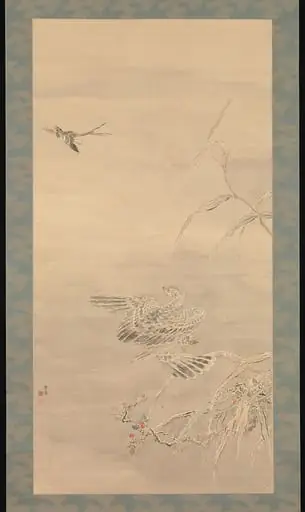
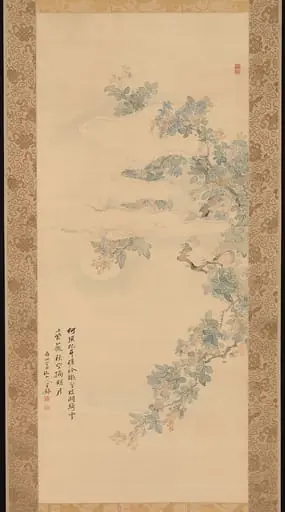
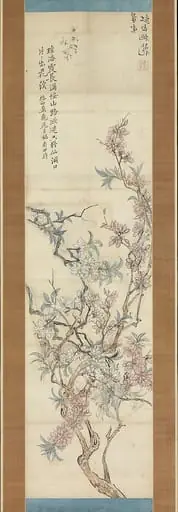
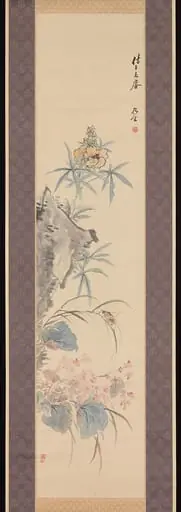
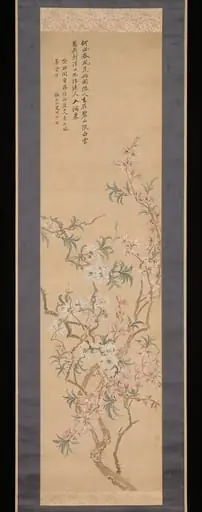
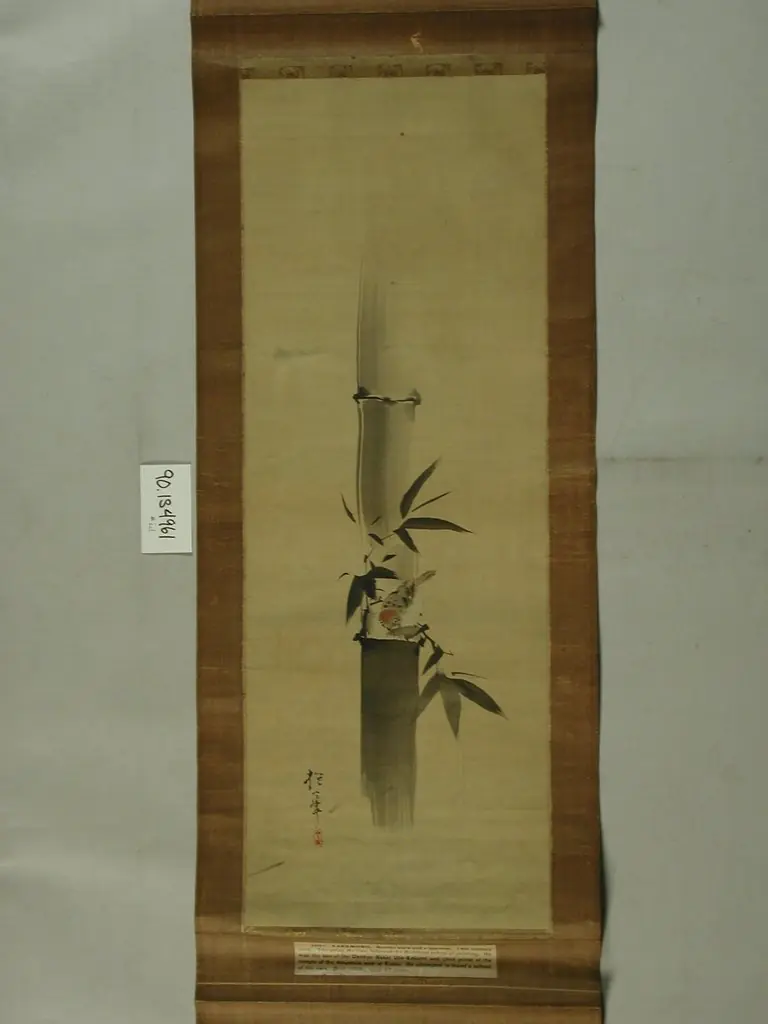
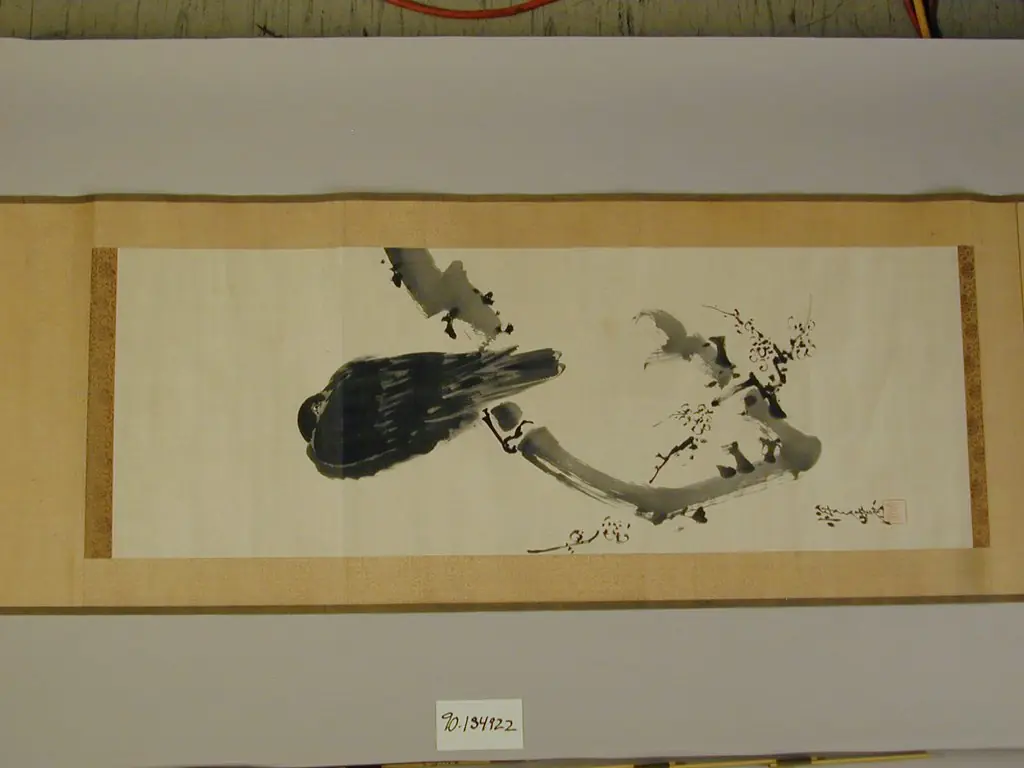
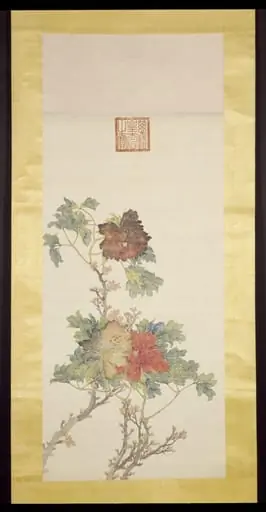
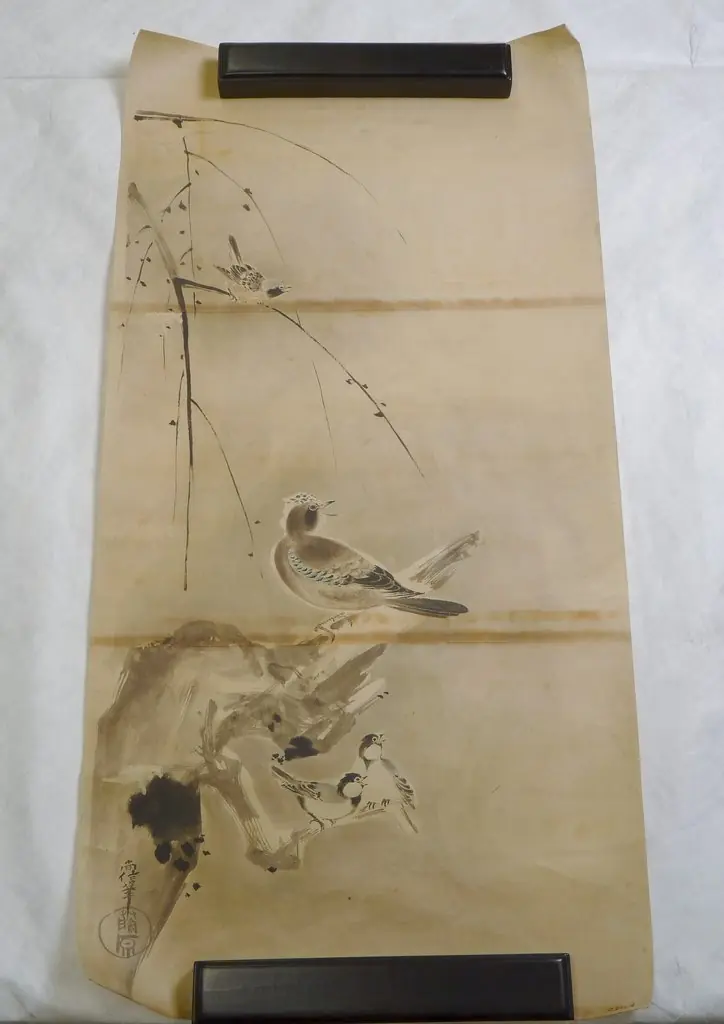
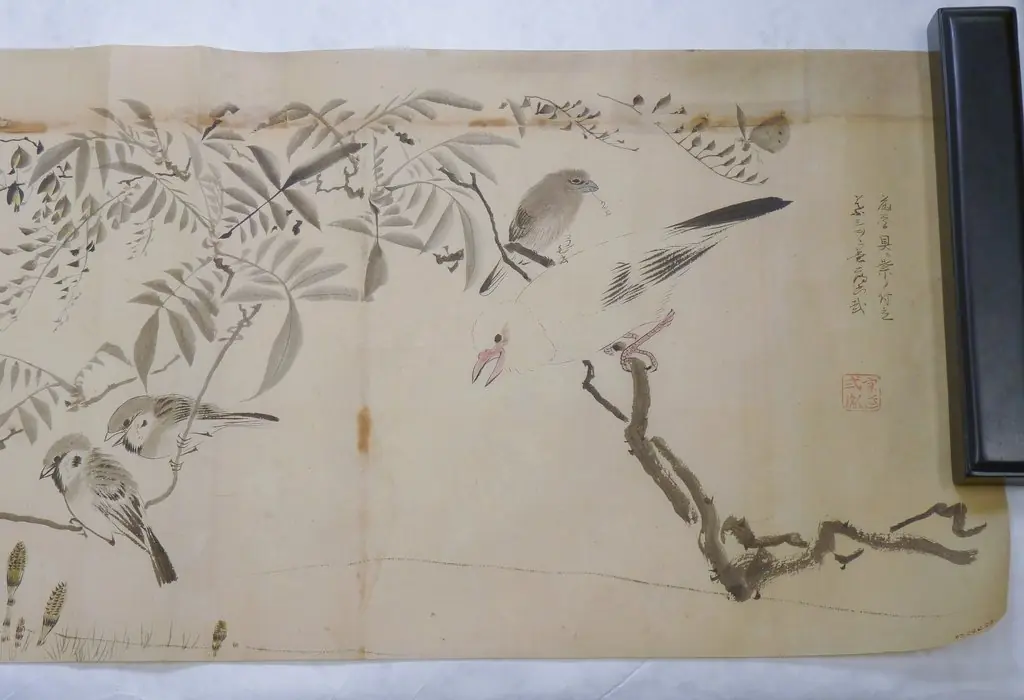
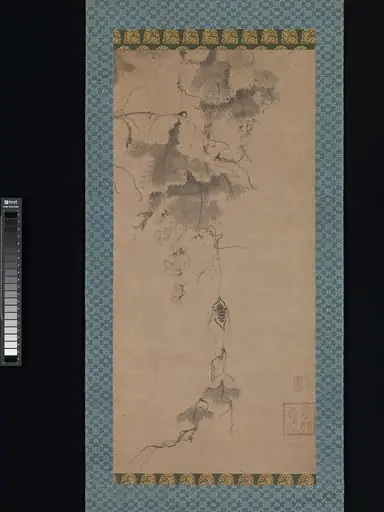
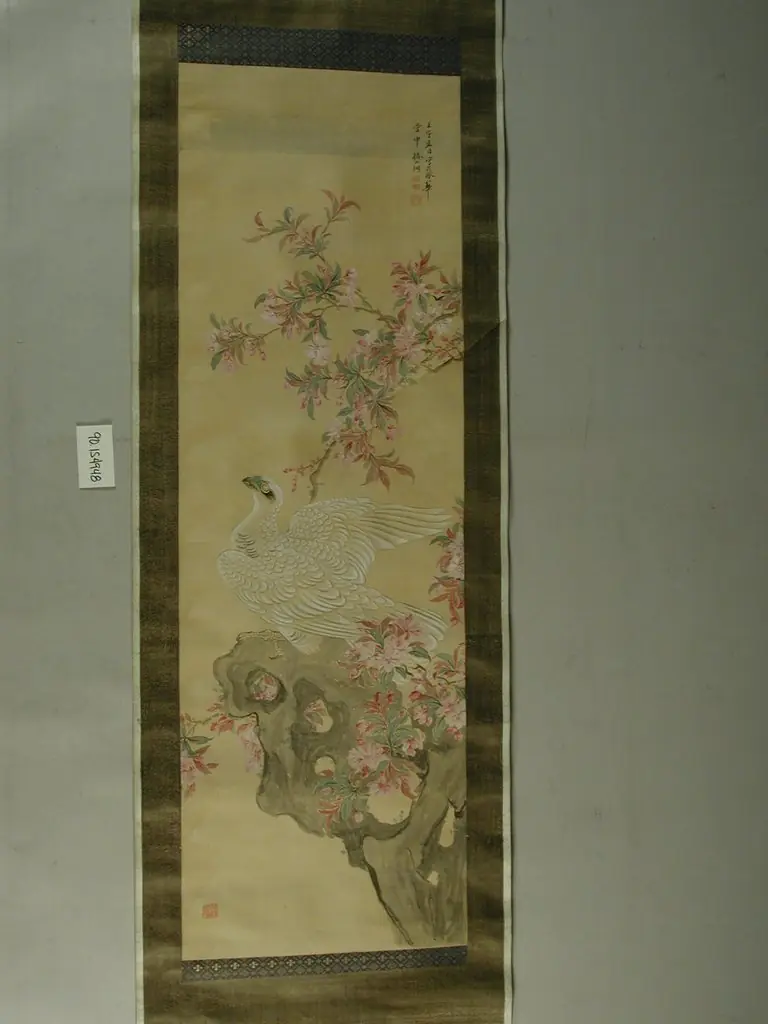
Kakemono is an unspecified painting by the Nihonga artist Tsubaki Chinzan. It dates from 1852 and is held in the collection of the Detroit Institute of Arts.
About this work
Overview
Kakemono, executed in 1852 by the Japanese painter Tsubaki Chinzan, is a hanging scroll painted on silk.
Kakemono, executed in 1852 by the Japanese painter Tsubaki Chinzan, is a hanging scroll painted on silk. The work exemplifies the format traditionally used for decorative and ceremonial purposes in Japan, where the vertical composition is intended to be displayed on a wall. Currently, the piece forms part of the collection of the Detroit Institute of Arts, where it is presented as an example of mid‑nineteenth‑century Japanese painting.
Subject & Meaning
The scroll’s subject matter follows the conventions of the kakemono genre, which often incorporates natural motifs, seasonal references, or literary allusions. While the precise imagery of this piece is not detailed in the source, Tsubaki’s oeuvre typically balances refined brushwork with subtle symbolism, inviting viewers to contemplate the interplay between nature and cultural ideals prevalent in the late Edo period.
History & Provenance
Created toward the end of the Edo era, Kakemono entered the Detroit Institute of Arts through acquisition policies that expanded the museum’s Asian holdings in the twentieth century. The work’s provenance prior to its arrival in Detroit is not specified, but its presence in a major American institution reflects the broader movement of Japanese art objects into Western collections during the period following Japan’s opening to international trade.
Artist & collection

Artist
Tsubaki Chinzan, originally Tasuku was a Japanese painter in the nanga style. His other art names include Hekiin Sambō, Kyūan (休庵), Shikyūan (四休庵) and Takukadō (琢華堂).