Artwork
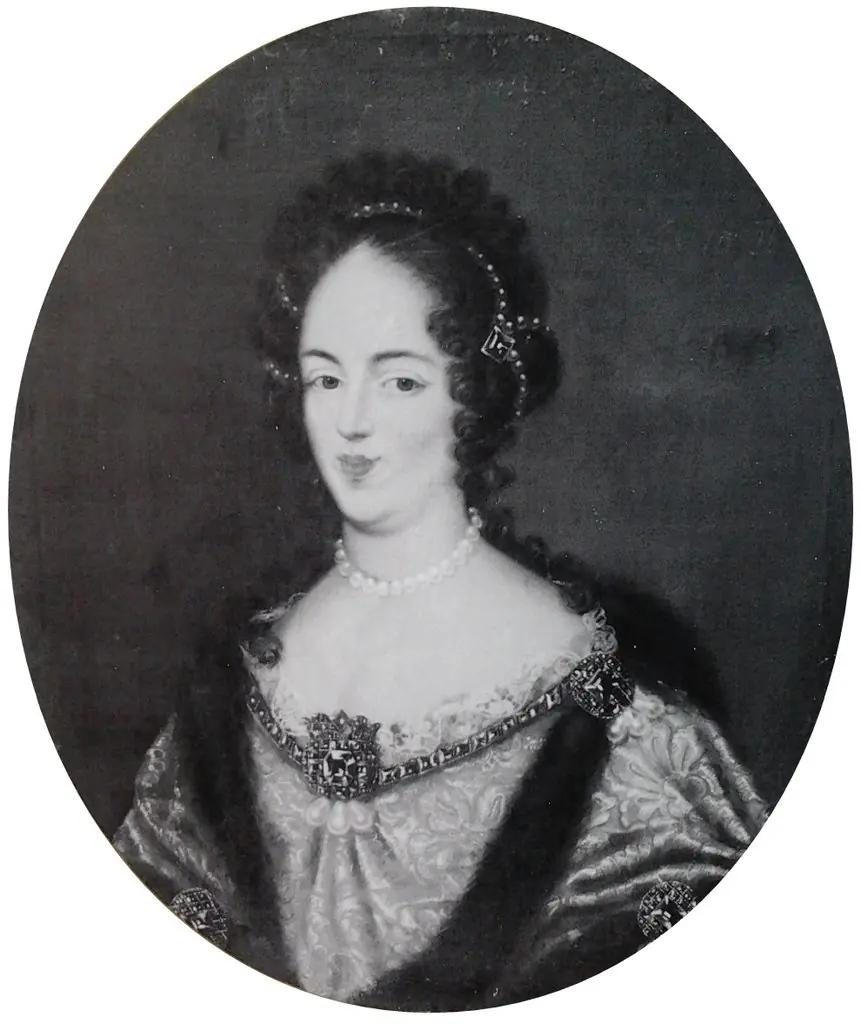
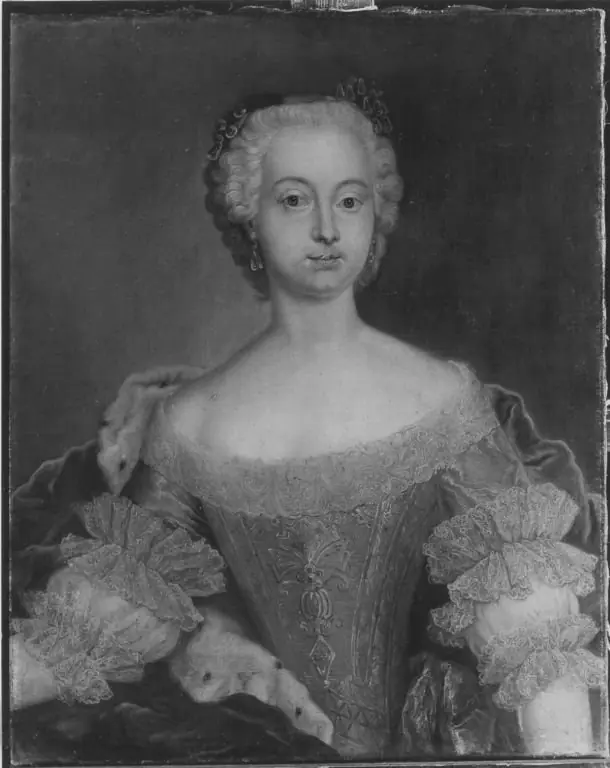
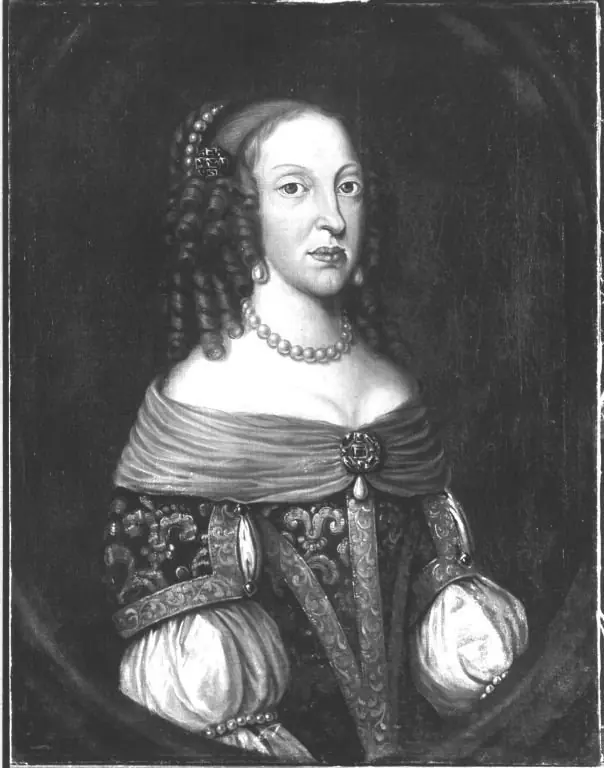
Bildnis der Landgräfin Marie Hedwig von Hessen-Darmstadt, Tochter des Landgrafen Georg II., Herzogin von Sachsen-Meiningen (1647-1680) (?) (?)
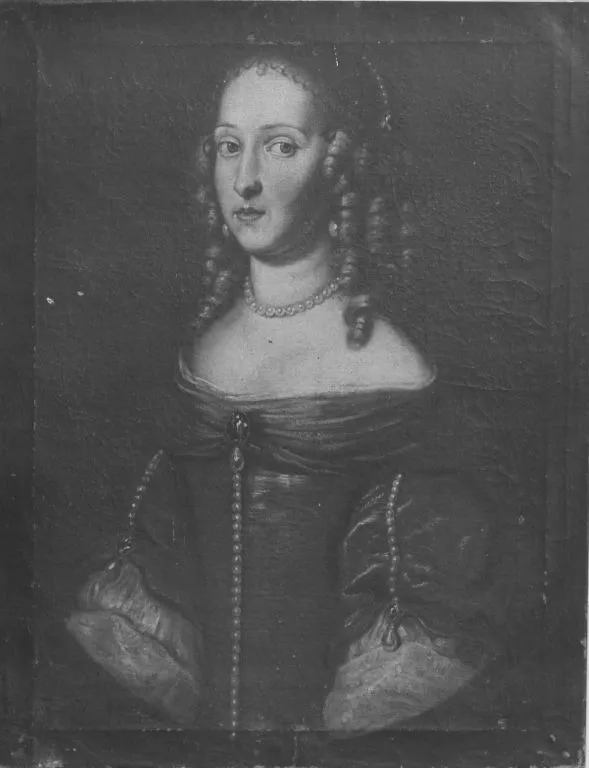
Bildnis der Landgräfin Marie Hedwig von Hessen-Darmstadt, Tochter des Landgrafen Georg II., Herzogin von Sachsen-Meiningen (1647-1680) (?) (?) is an oil painting by the Dutch Golden Age artist Salomon Duarte. It dates from 1650 and is held in the collection of the Bavarian State Painting Collections.
About this work
Overview
This oil painting, attributed to Salomon Duarte and dated around 1650, depicts Marie Hedwig von Hessen-Darmstadt, daughter of Landgrave Georg II and later Duchess of Saxe-Meiningen. It is part of the collection at the Alte Pinakothek in Munich. The portrait is rendered in a restrained, formal style typical of mid-17th-century German court portraiture, emphasizing dignity over ornamentation.
Subject & Meaning
Marie Hedwig is portrayed with a composed, solemn expression, her hands gently clasped over her chest—a gesture suggesting piety and restraint.
Marie Hedwig is portrayed with a composed, solemn expression, her hands gently clasped over her chest—a gesture suggesting piety and restraint. As a noblewoman of the time, her appearance reflects her status through modest yet refined attire. The absence of symbolic objects or elaborate settings directs focus to her personal presence, conveying an ideal of quiet aristocratic virtue rather than political power.
Technique & Style
Duarte employs chiaroscuro to model the sitter’s face and hands with sharp contrasts between light and shadow, enhancing three-dimensionality. The dark, neutral background isolates her figure, heightening visual focus. The texture of her dress is rendered with subtle brushwork, while the jewelry and lace cuffs are suggested rather than meticulously detailed, reflecting a preference for restraint over lavish display.
History & Provenance
The painting entered the Alte Pinakothek’s collection in the 19th century, likely through the Bavarian royal holdings. Its attribution to Salomon Duarte, a Dutch-born painter active in Germany, is based on stylistic comparison with his other known works. The exact date remains approximate, though it aligns with Marie Hedwig’s youth, prior to her marriage in 1661.
Context
In mid-17th-century German courts, portraiture served to affirm lineage and social standing. Artists like Duarte, trained in the Dutch tradition, adapted their techniques to local tastes, favoring somber elegance over Italianate grandeur. This portrait reflects the influence of Northern European realism, where psychological presence and moral seriousness outweighed decorative flourish.
Legacy
The portrait endures as a representative example of courtly portraiture in the Holy Roman Empire during the Thirty Years’ War’s aftermath. It illustrates how noblewomen were visually framed as embodiments of decorum and continuity. While not widely reproduced, it remains a key reference for understanding regional artistic practices and gendered ideals of nobility in early modern Germany.
Artist & collection
Artist
Dutch Golden Age portrait painters kept family likenesses sharp and flattering. In the 1600s they filled canvases with nobles wearing lace collars and sober silks. Salomon Duarte’s brush left us Ludvig VI of…

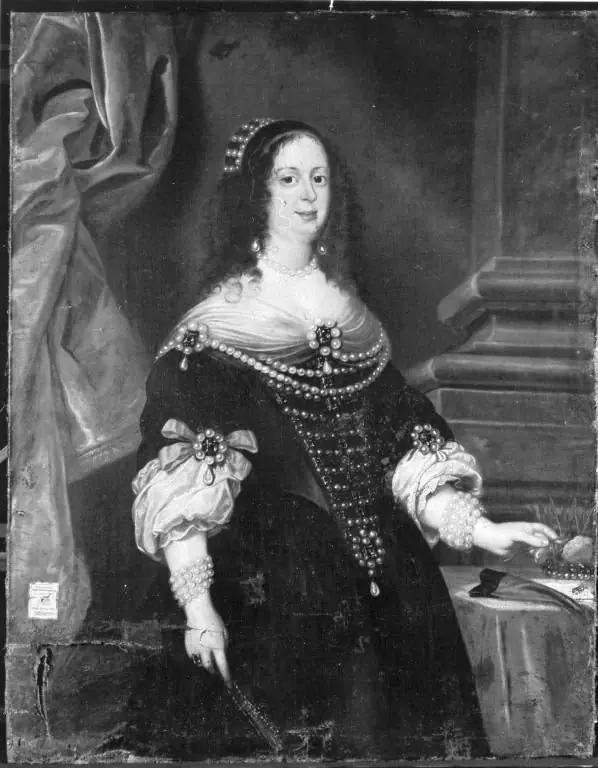
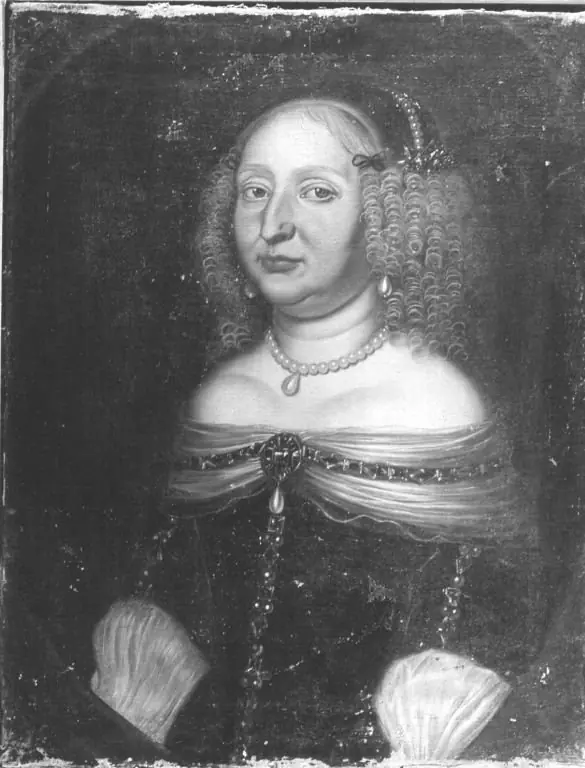 Bildnis der Sophie Eleonore von Sachsen, Landgräfin von Hessen-Darmstadt, Gemahlin des Landgrafen Georg II. (1609-1671) (?)
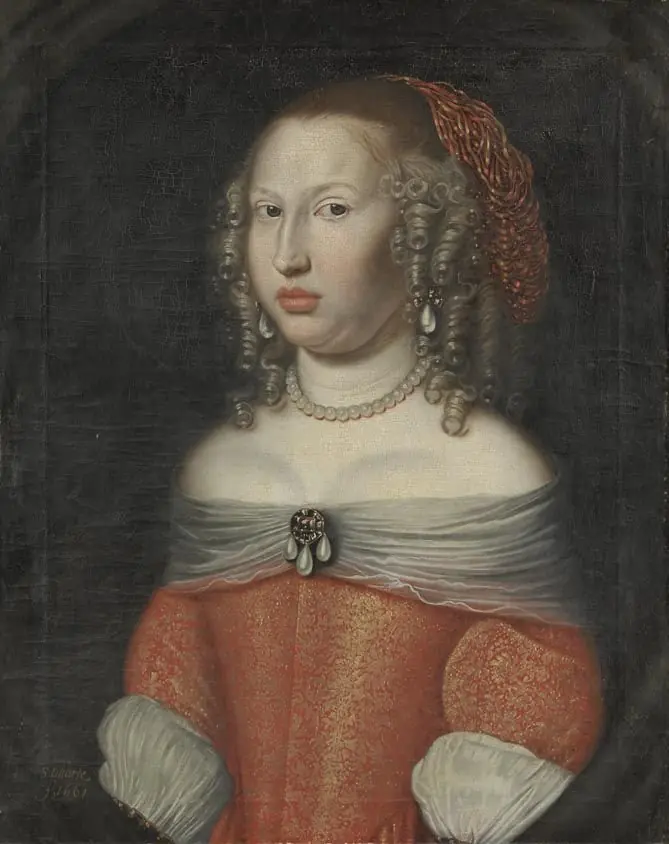 Henriqueta Doroteia de Hesse-Darmstadt
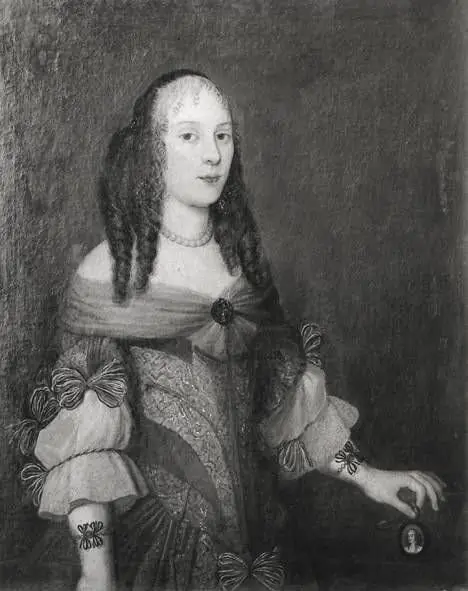
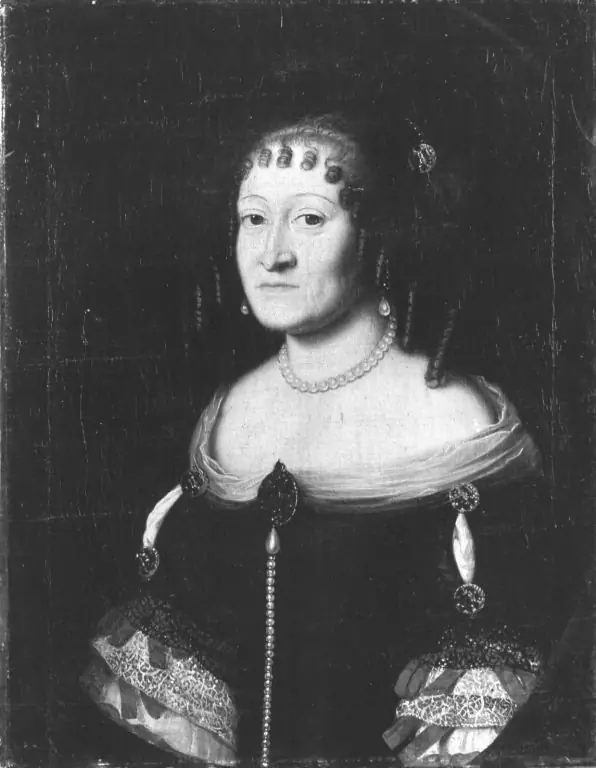 Portrait of Elisabeth Dorothea of Saxony-Gotha-Altenburg
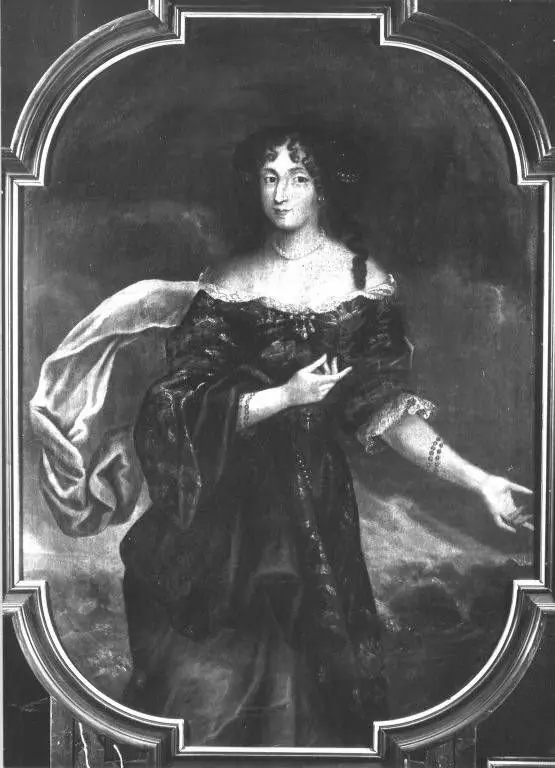
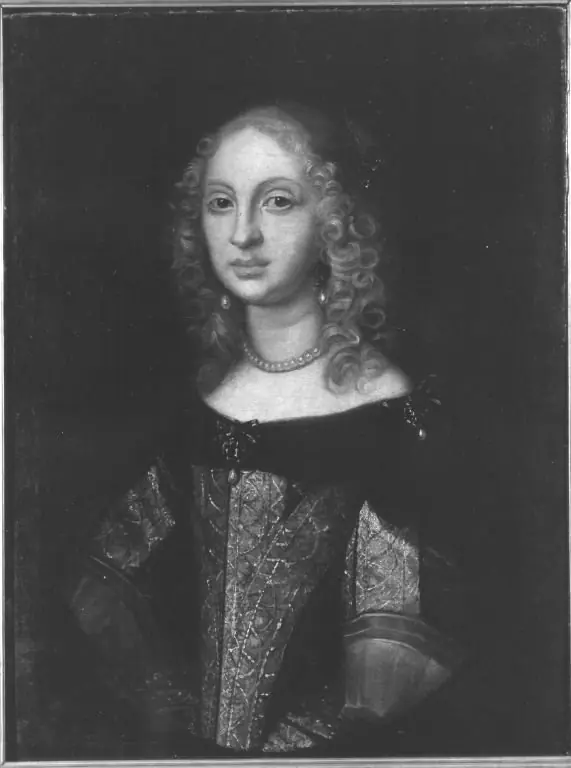 Portrait de Landgrave Elisabeth Amalie de Hesse,
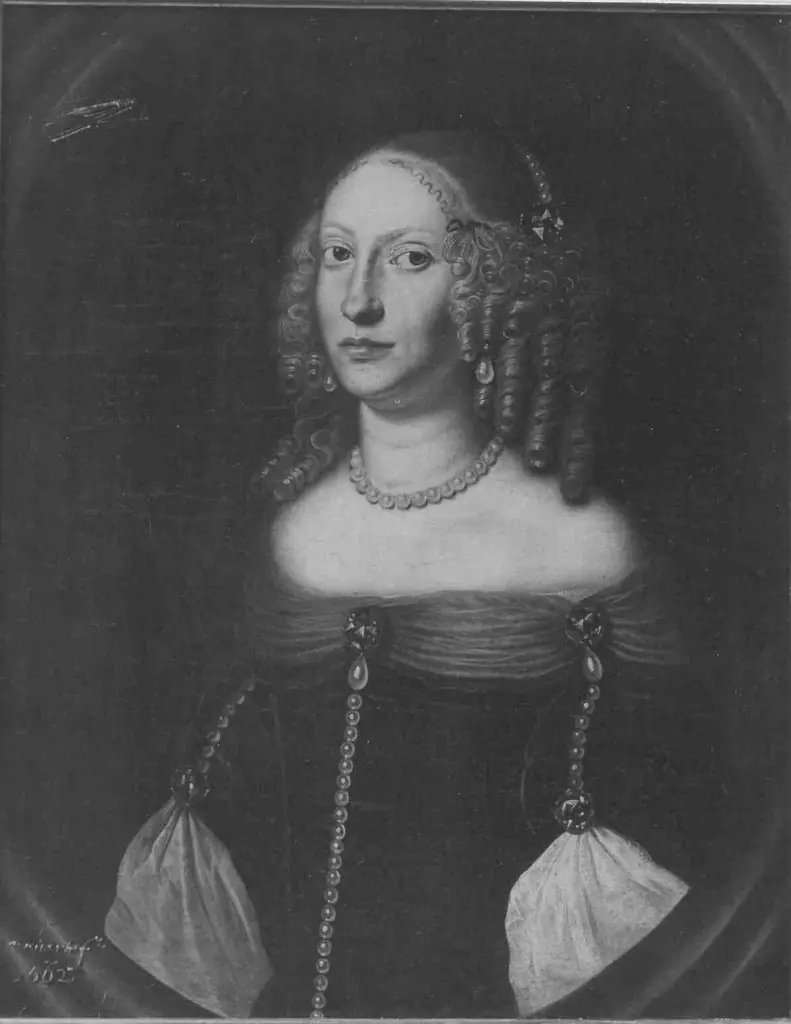 portrait of Sophia Eleonore von Hessen-Darmstadt
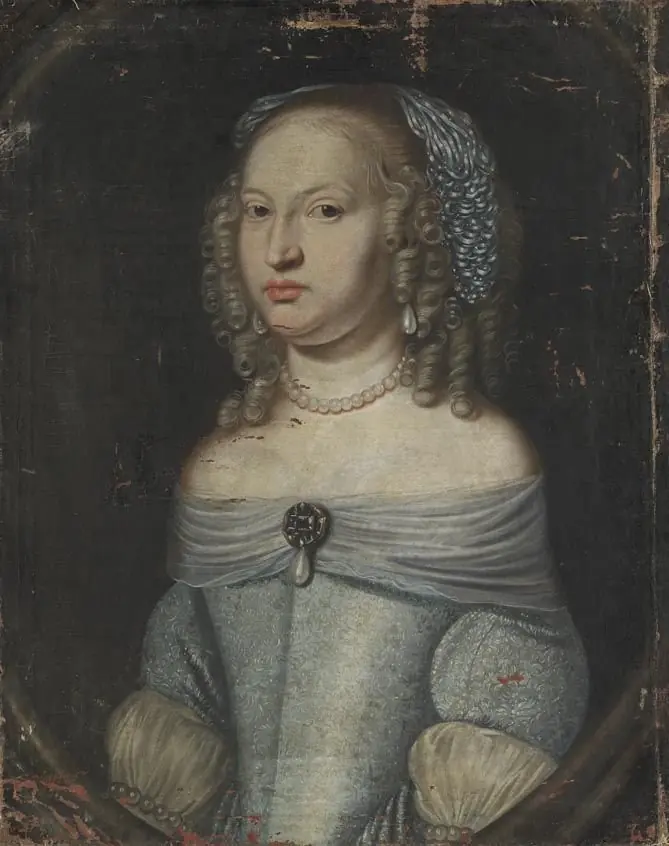 Countess Luise Christine von Hessen-Darmstadt
 Portrait of Anna Sophie von Hessen-Darmstadt, Abbess of Quedlinburg (?)
 Countess Auguste Philippine of Hesse-Darmstadt