Artwork
Countess Auguste Philippine of Hesse-Darmstadt
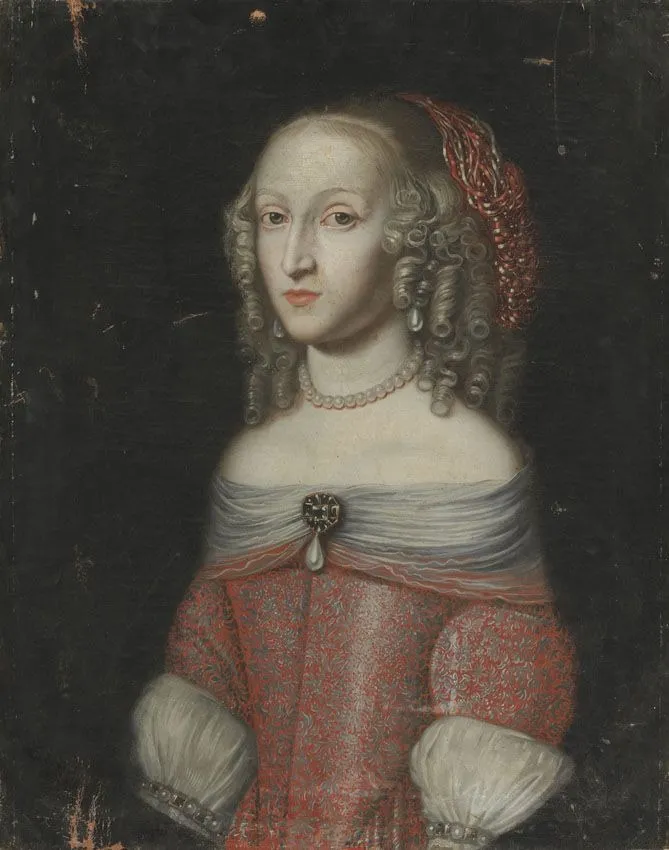
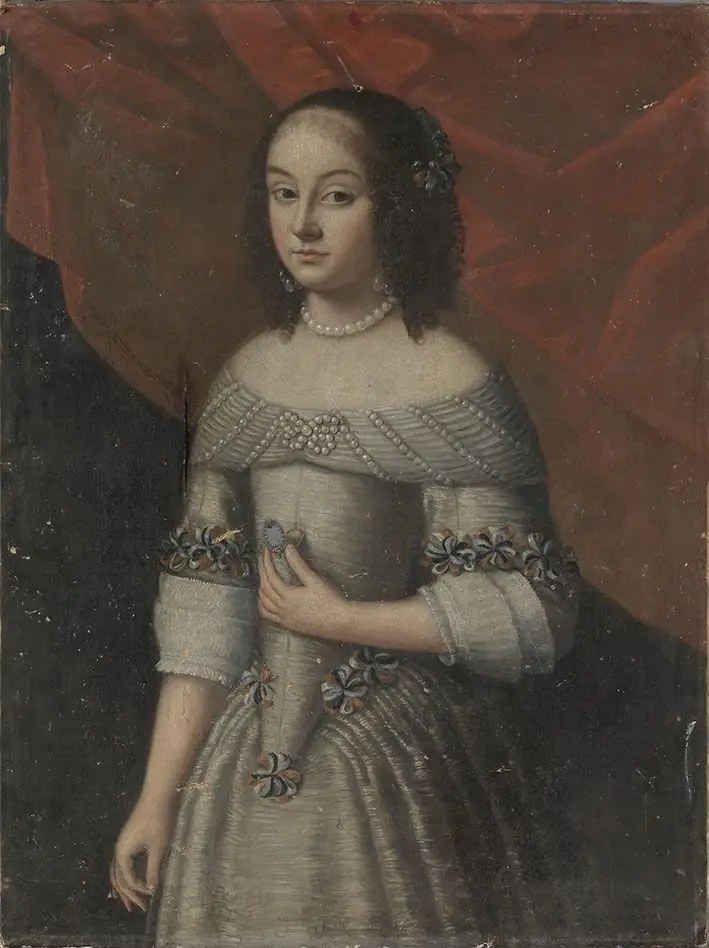
Countess Auguste Philippine of Hesse-Darmstadt is an unspecified painting by the Flemish Baroque painting artist Salomon Duarte. It dates from 1661 and is held in the collection of the Bavarian State Painting Collections.
About this work
Overview
The painting depicts a young noblewoman, identified as Countess Auguste Philippine of Hesse‑Darmstadt, rendered in oil in 1661 by the German artist Salomon Duarte. The work is part of the collection of the Alte Pinakothek in Munich, where it is displayed among other 17th‑century portraiture.
Subject & Meaning
The sitter is presented with a composed, steady gaze, her hands placed gently on her chest, suggesting a dignified self‑presentation typical of aristocratic portraiture. Elements such as the pearl necklace and the elaborate lace collar reinforce her high social rank, while the calm expression conveys the ideals of poise and virtue expected of a countess.
Technique & Style
Duarte employs a clear chiaroscuro scheme, using a dark, undefined background to isolate the figure. Light falls on the flesh and jewelry, producing a subtle glow that emphasizes texture—particularly the sheen of the pearls and the softness of the reddish curls. The dress’s red patterned fabric and puffed white sleeves are rendered with careful attention to folds and volume.
History & Provenance
Created in 1661, the portrait entered the holdings of the Alte Pinakothek, one of Germany’s foremost art museums, where it remains in the European paintings department. Its provenance prior to acquisition by the museum is not extensively documented, but the work has been attributed to Duarte based on stylistic analysis and archival records linking him to the Hesse‑Darmstadt court.
Context
During the mid‑17th century, German courts commissioned portraits to affirm lineage and political alliances. Salomon Duarte, active in the southern German regions, produced works for noble patrons, integrating Italianate chiaroscuro with local portrait conventions. This painting reflects the period’s emphasis on visual representation of status through clothing, jewelry, and controlled lighting.
Artist & collection
Artist
Dutch Golden Age portrait painters kept family likenesses sharp and flattering. In the 1600s they filled canvases with nobles wearing lace collars and sober silks. Salomon Duarte’s brush left us Ludvig VI of…

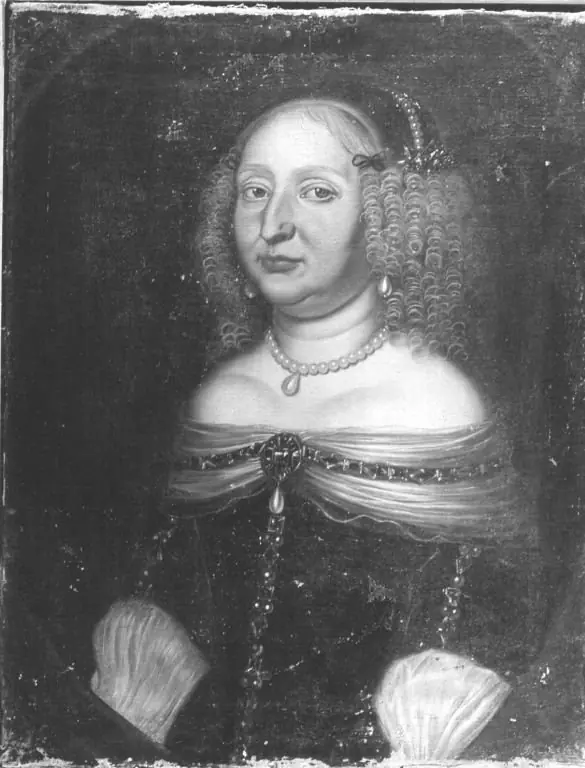 Bildnis der Sophie Eleonore von Sachsen, Landgräfin von Hessen-Darmstadt, Gemahlin des Landgrafen Georg II. (1609-1671) (?)
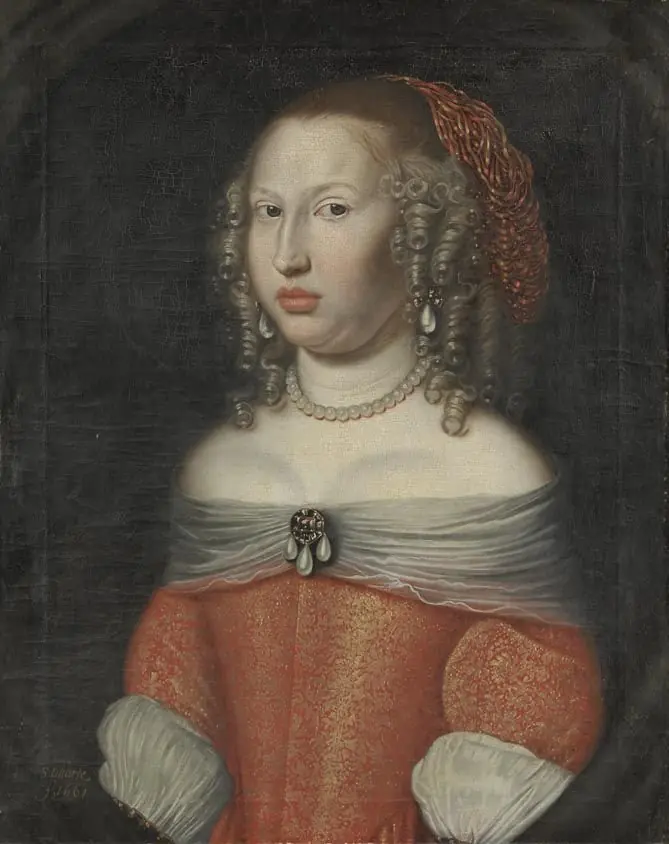 Henriqueta Doroteia de Hesse-Darmstadt
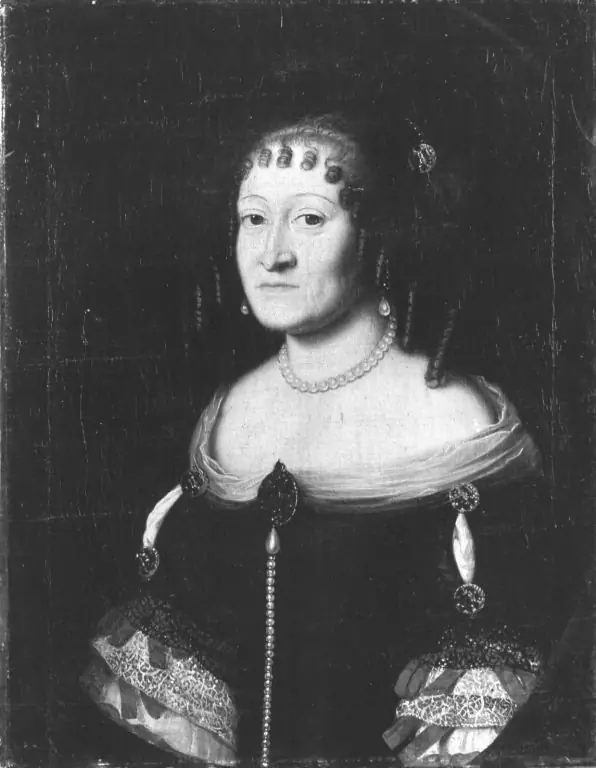 Portrait of Elisabeth Dorothea of Saxony-Gotha-Altenburg
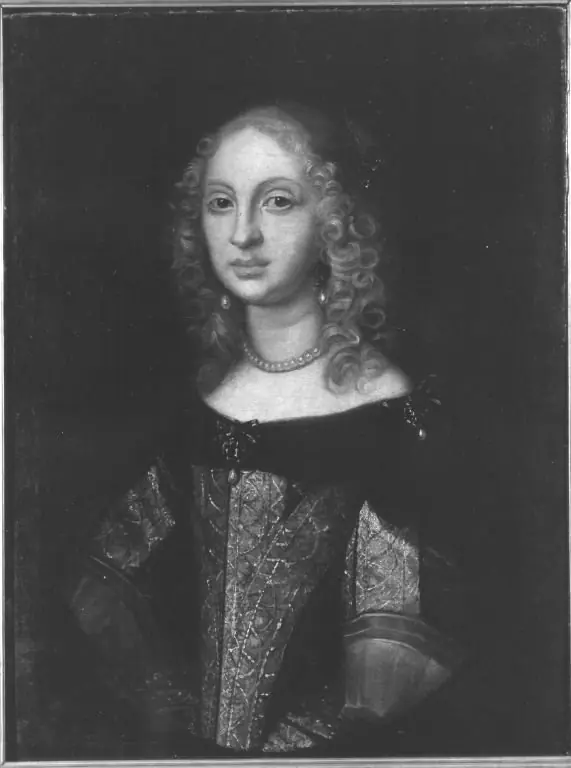 Portrait de Landgrave Elisabeth Amalie de Hesse,
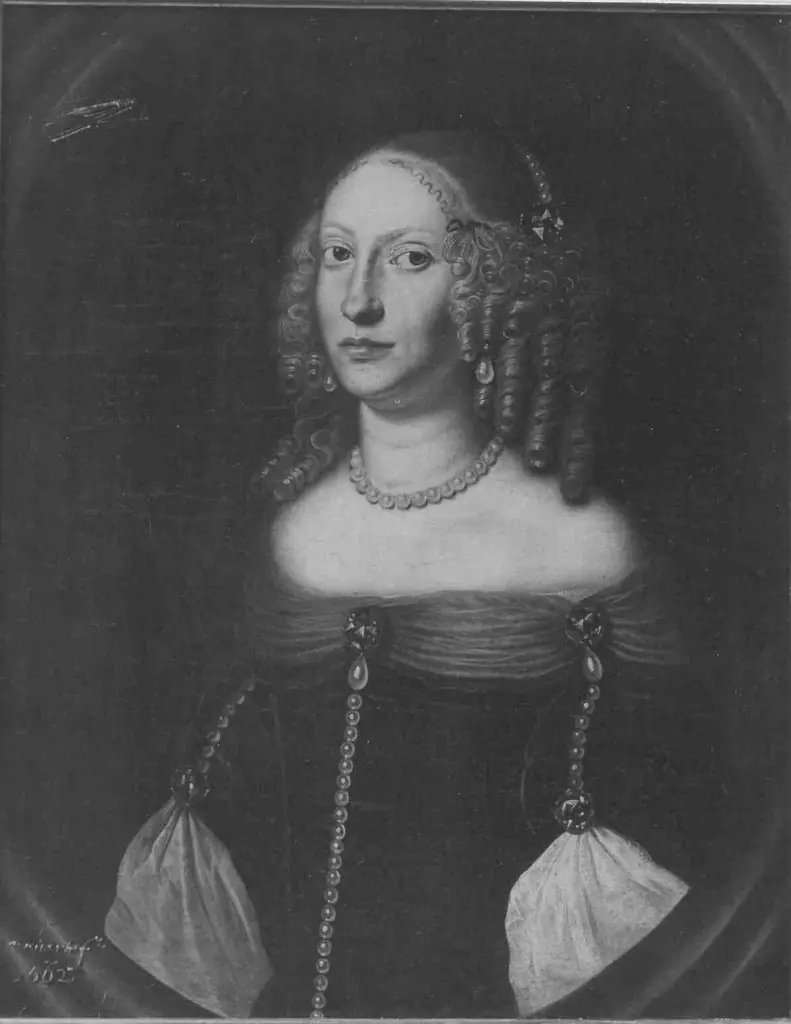 portrait of Sophia Eleonore von Hessen-Darmstadt
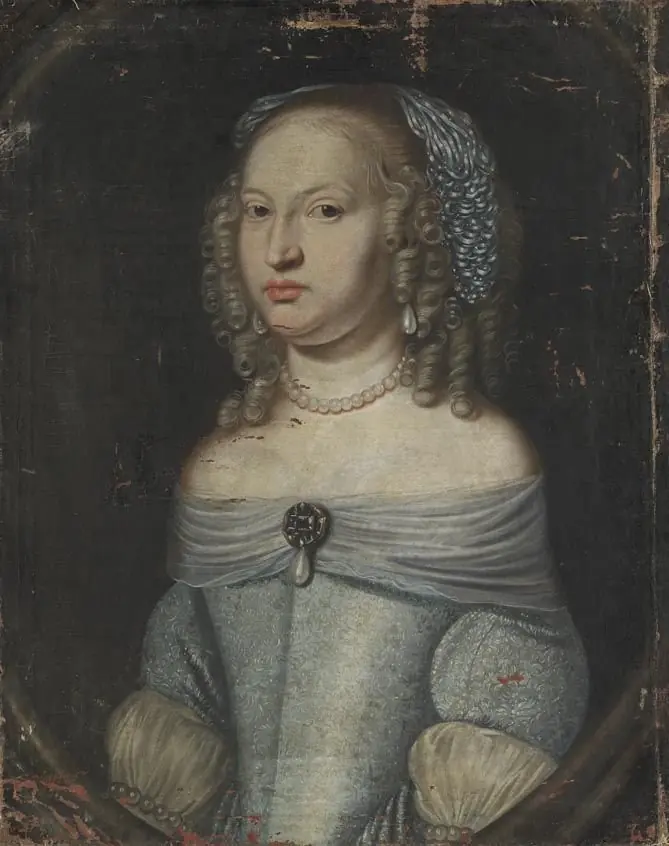 Countess Luise Christine von Hessen-Darmstadt
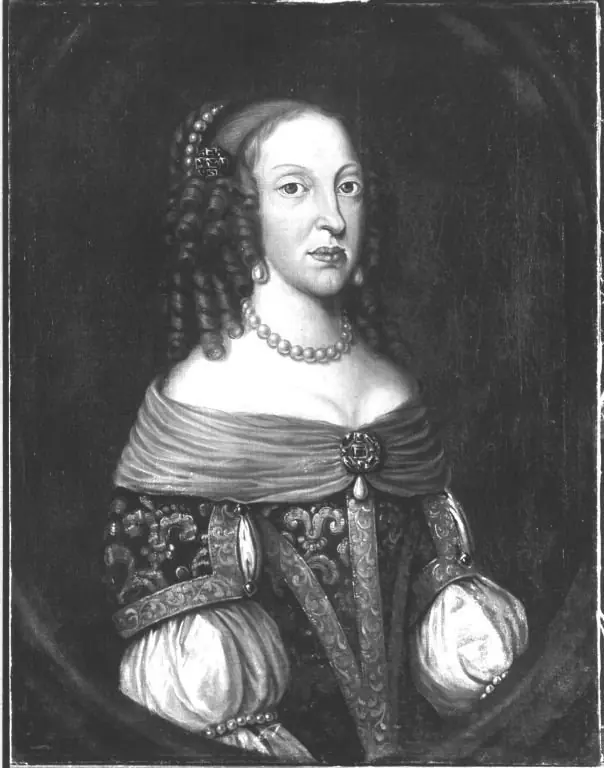 Portrait of Anna Sophie von Hessen-Darmstadt, Abbess of Quedlinburg (?)
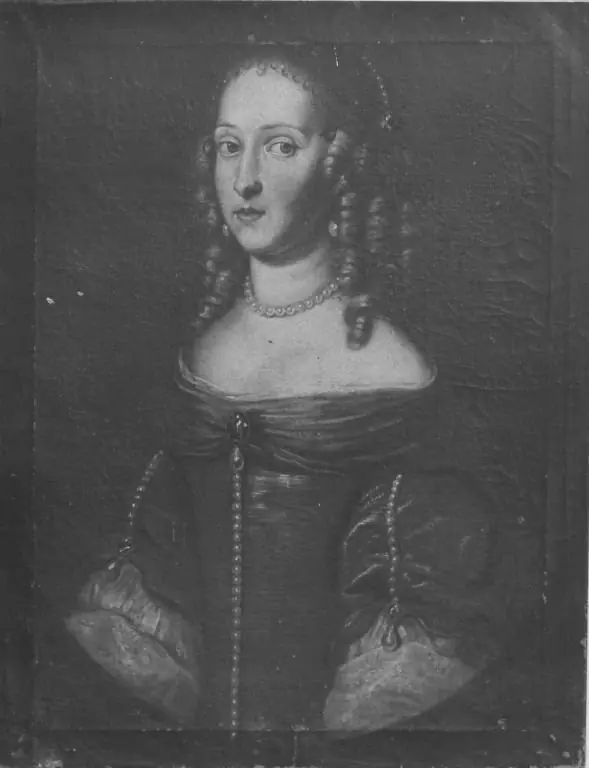 Bildnis der Landgräfin Marie Hedwig von Hessen-Darmstadt, Tochter des Landgrafen Georg II., Herzogin von Sachsen-Meiningen (1647-1680) (?) (?)
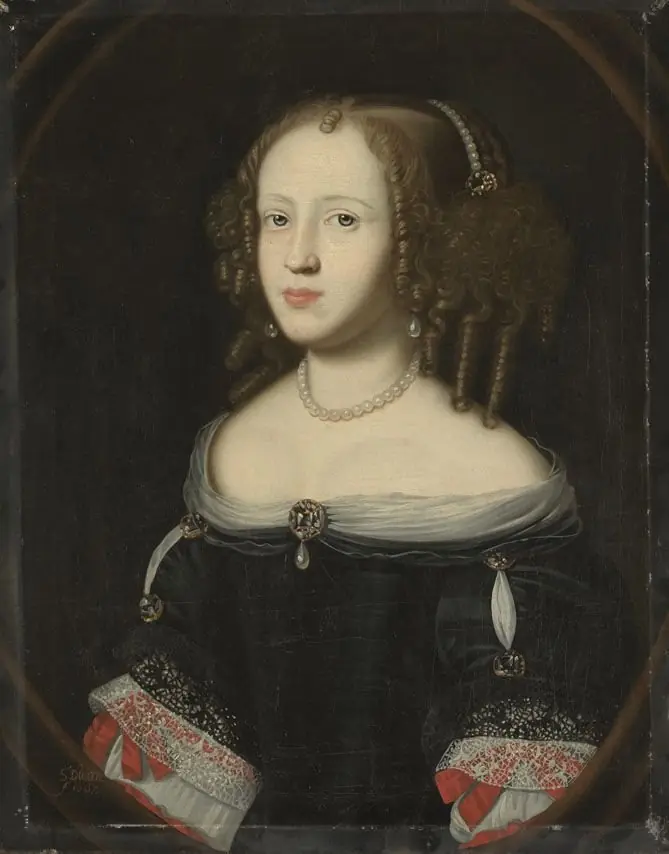 Maria Elisabeth von Schleswig-Holstein-Gottorf (?)
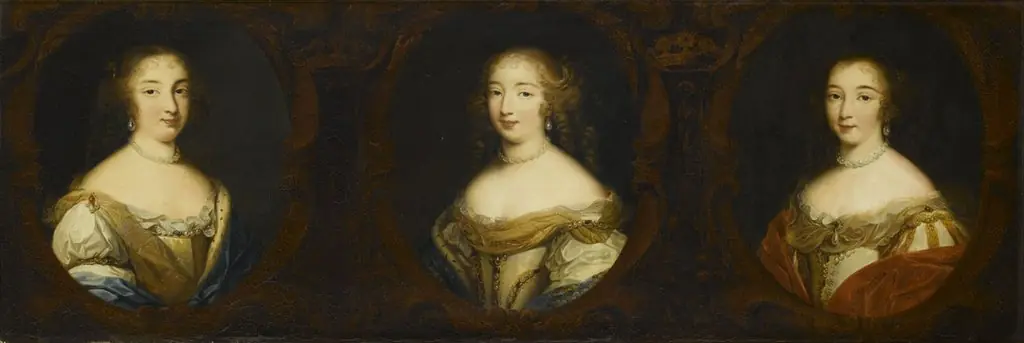 The three sisters of Mademoiselle de Montpensier
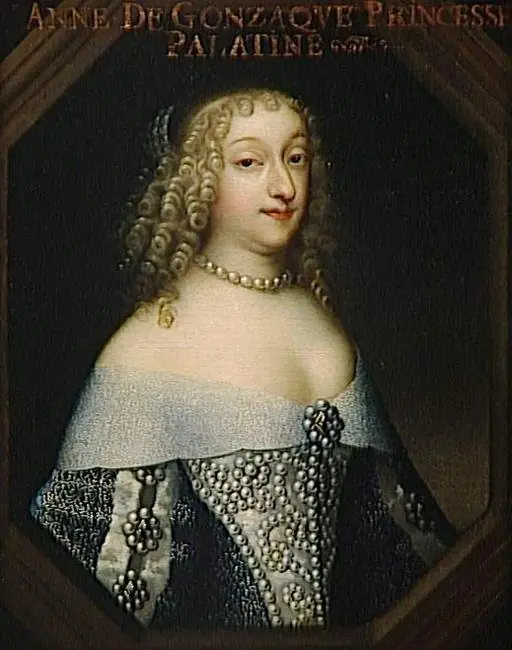 Anna Gonzaga, Countess Palatine of Simmern
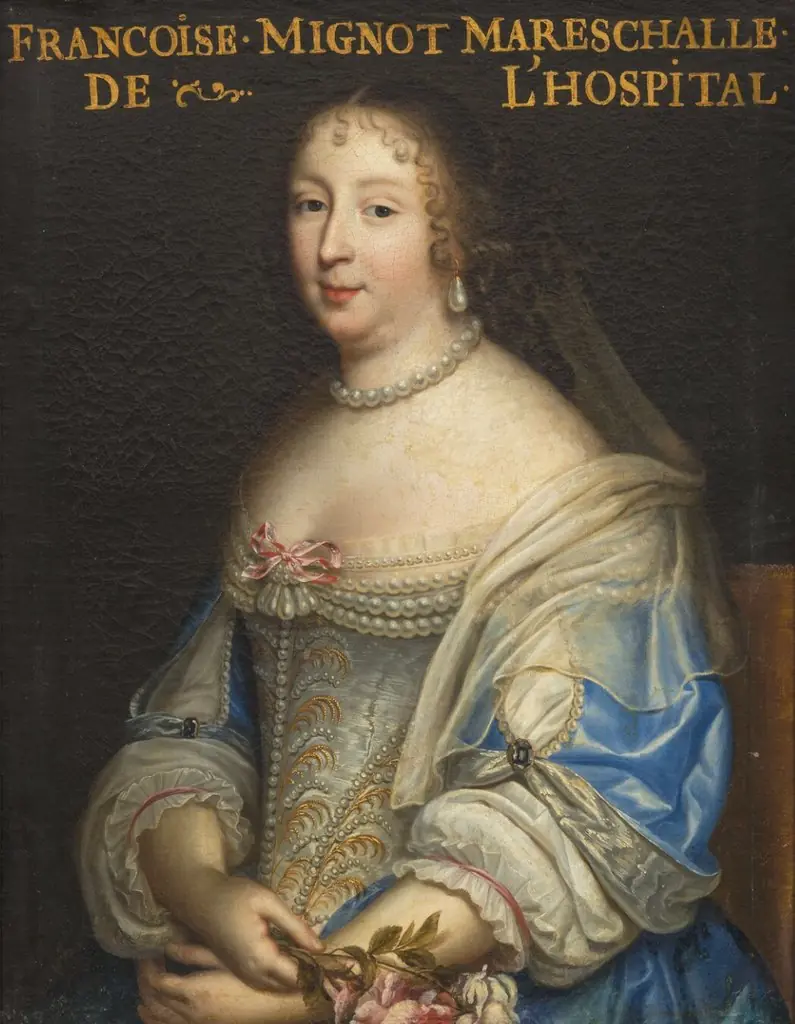 Françoise-Marie Mignot, maréchale de l'Hôpital (1624-1711)
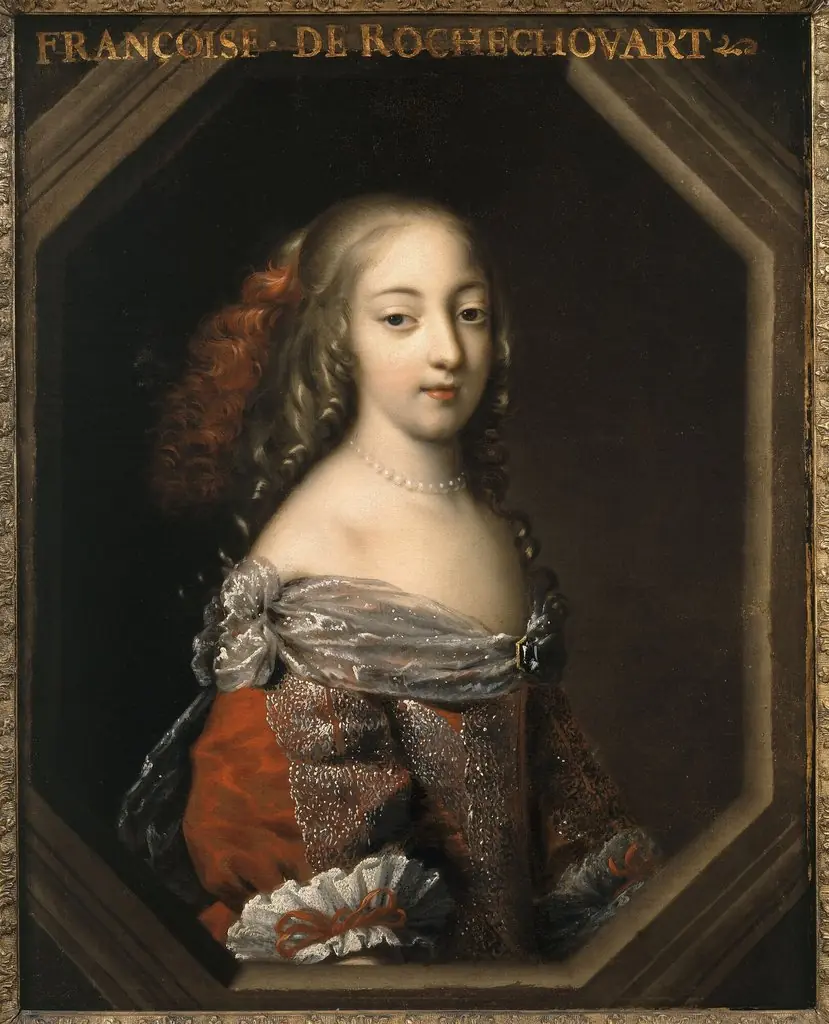 Françoise de Rochechouart
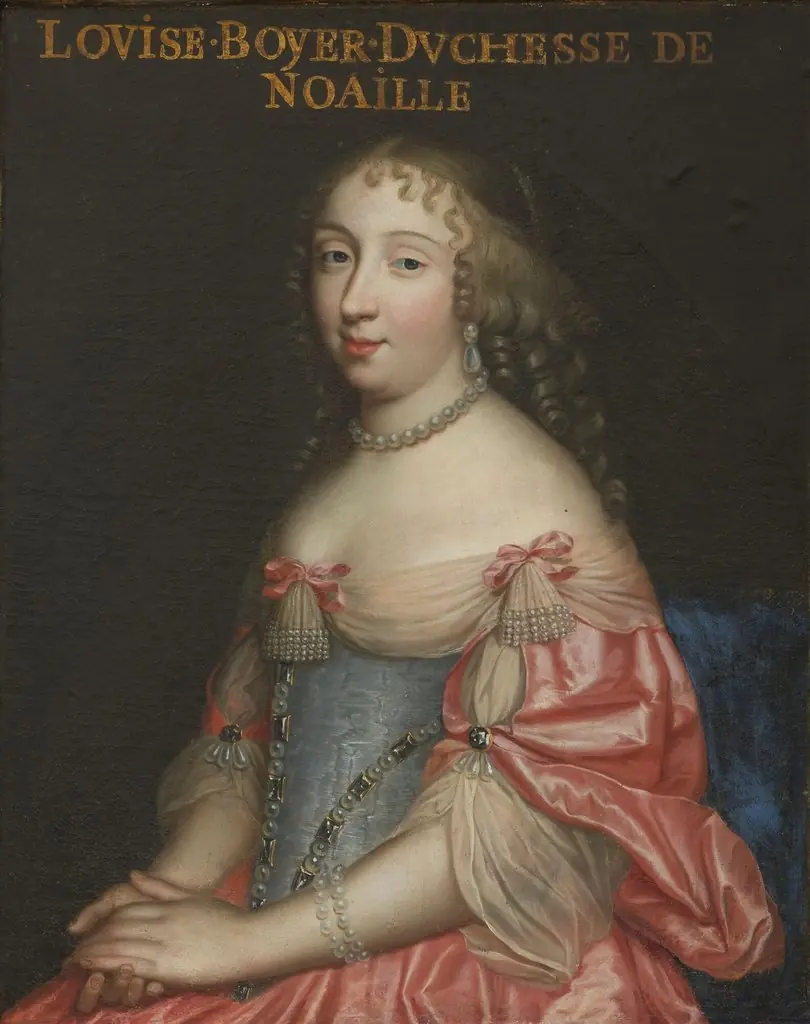 Louise Boyer, Duchess of Noailles (1632-1697)
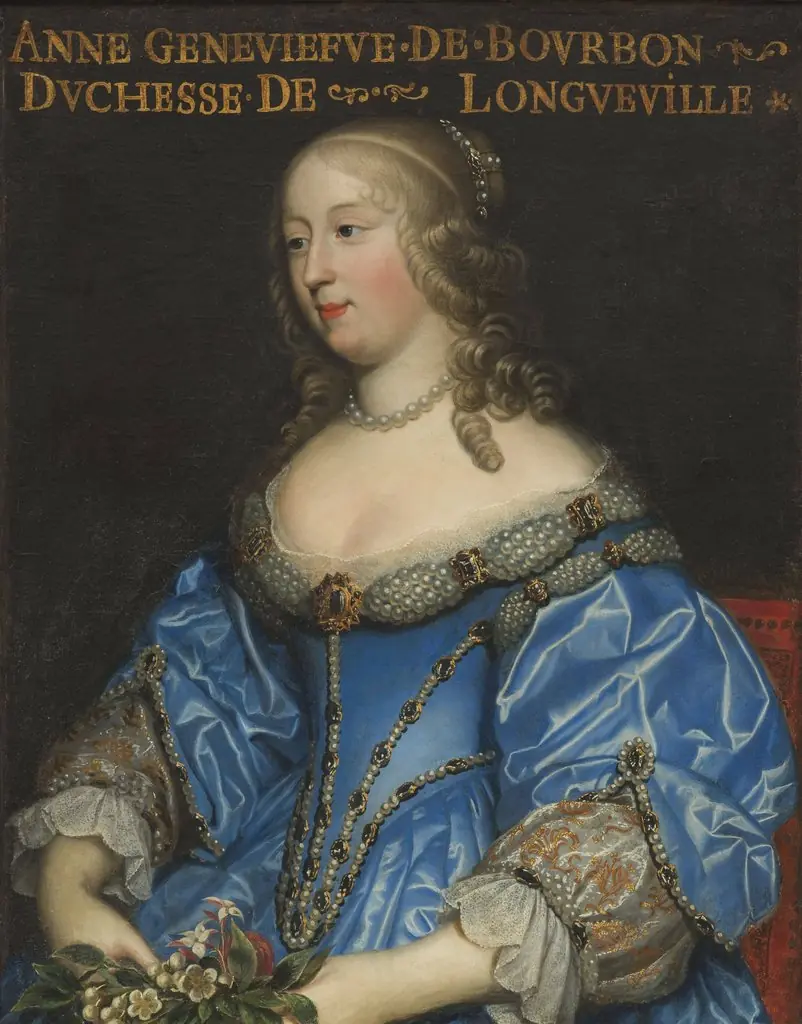 Anne-Genneviève de Bourbon-Condé, Duchess of Longueville
 Bildnis einer Hofdame
 Portrait of a Woman in a Hat