Artwork
Canal
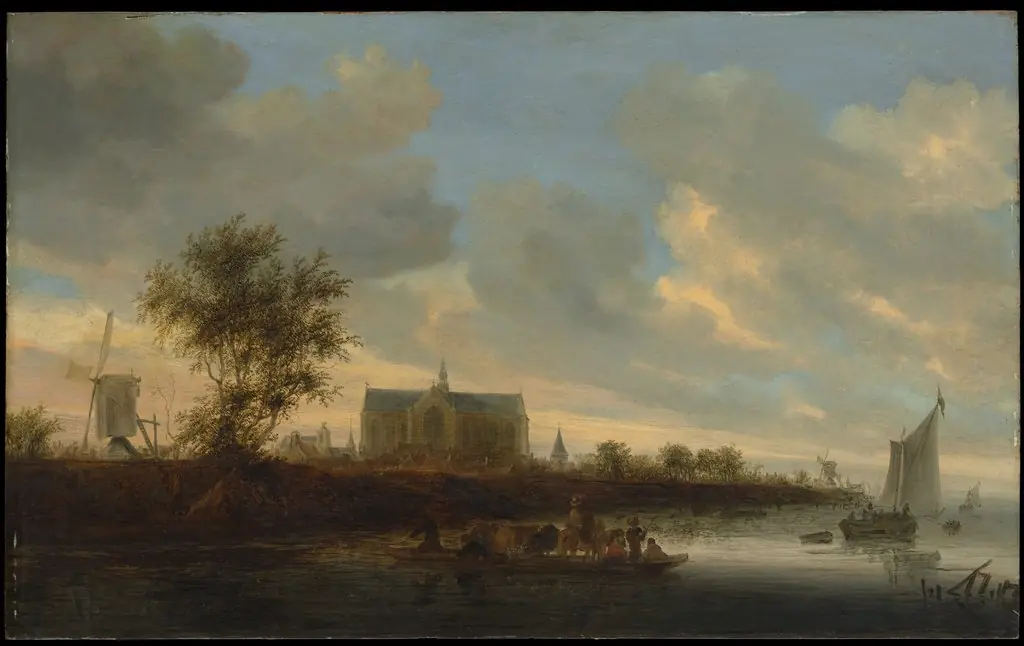
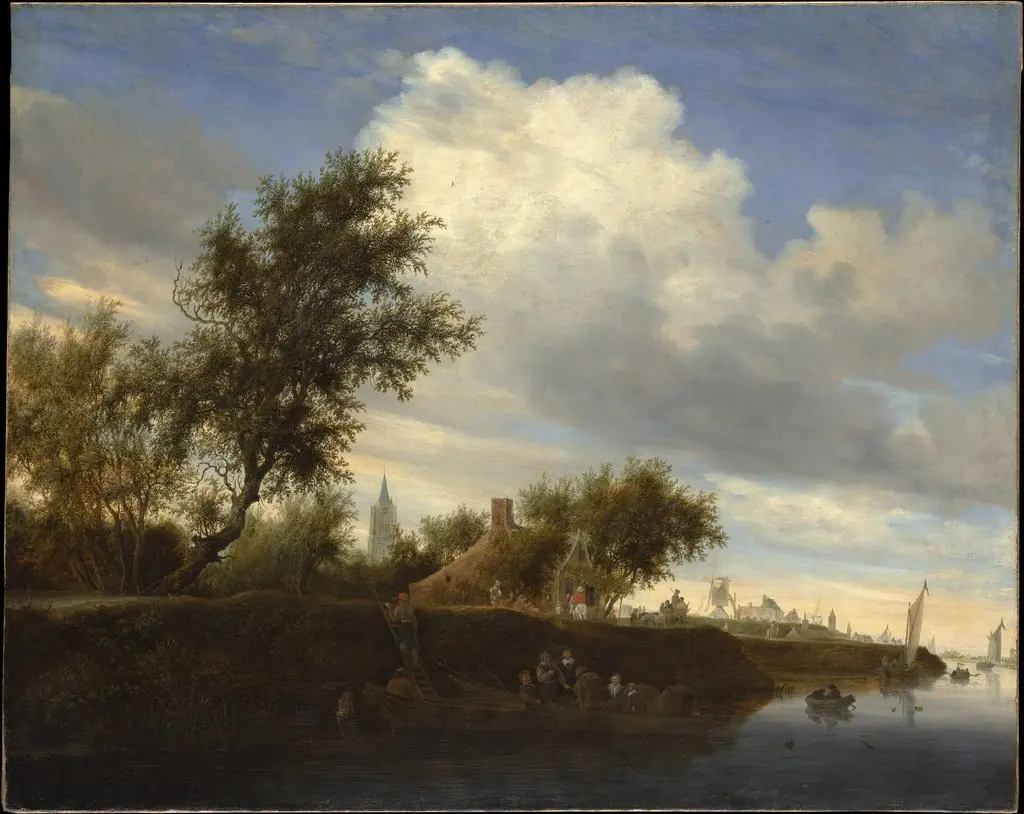
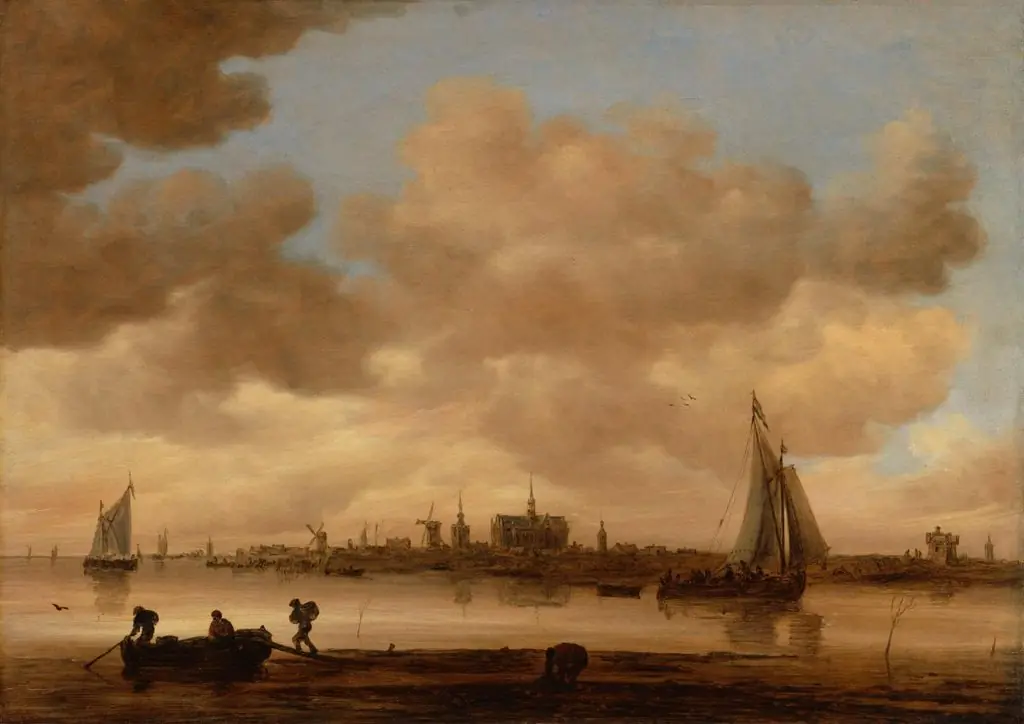
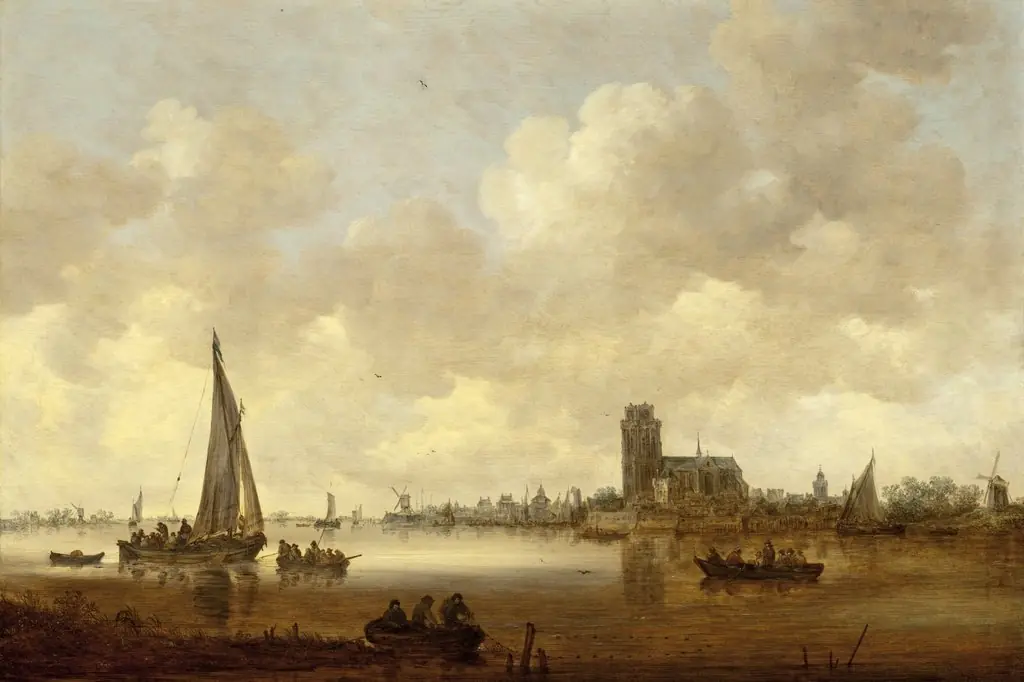
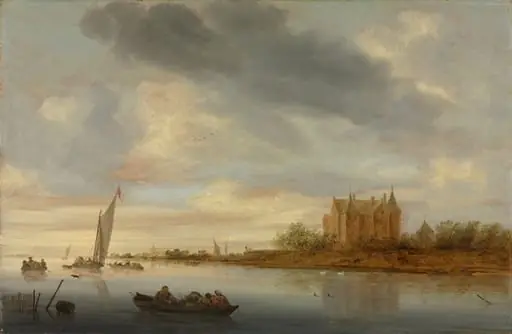
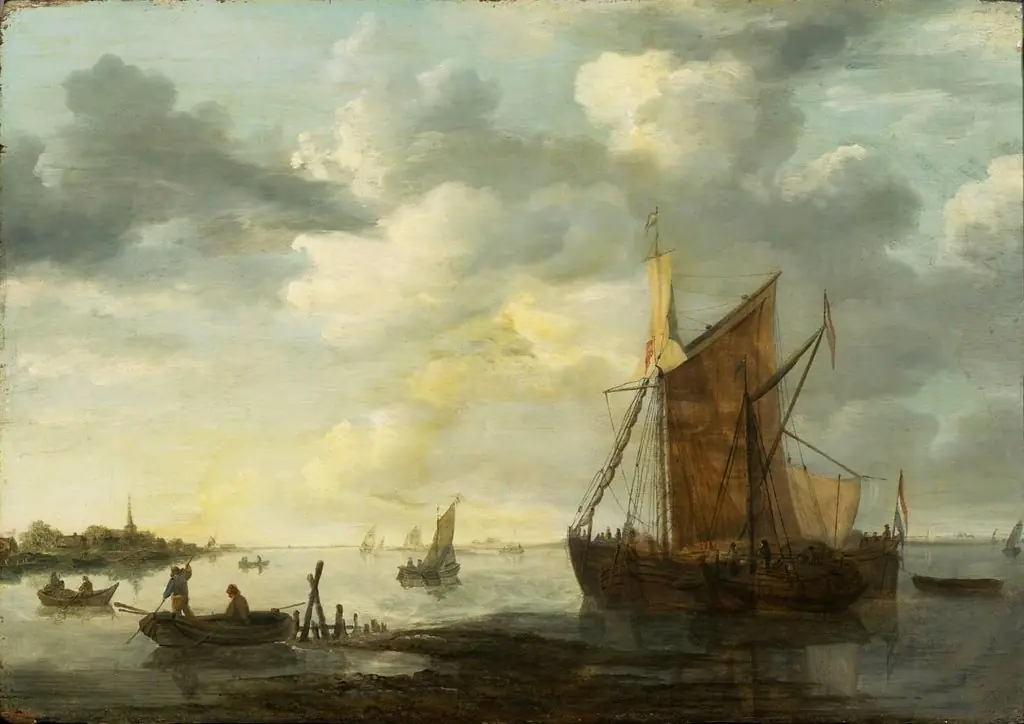
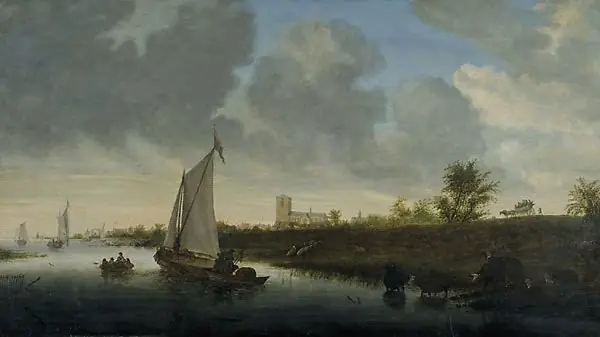
Canal is an oil painting by the Dutch Golden Age artist Salomon van Ruysdael. It dates from 1644 and is held in the collection of the Philadelphia Museum of Art.
About this work
Overview
Painted in 1644, *Canal* is an oil-on-canvas landscape by Salomon van Ruysdael, a prominent figure in Dutch Golden Age painting.
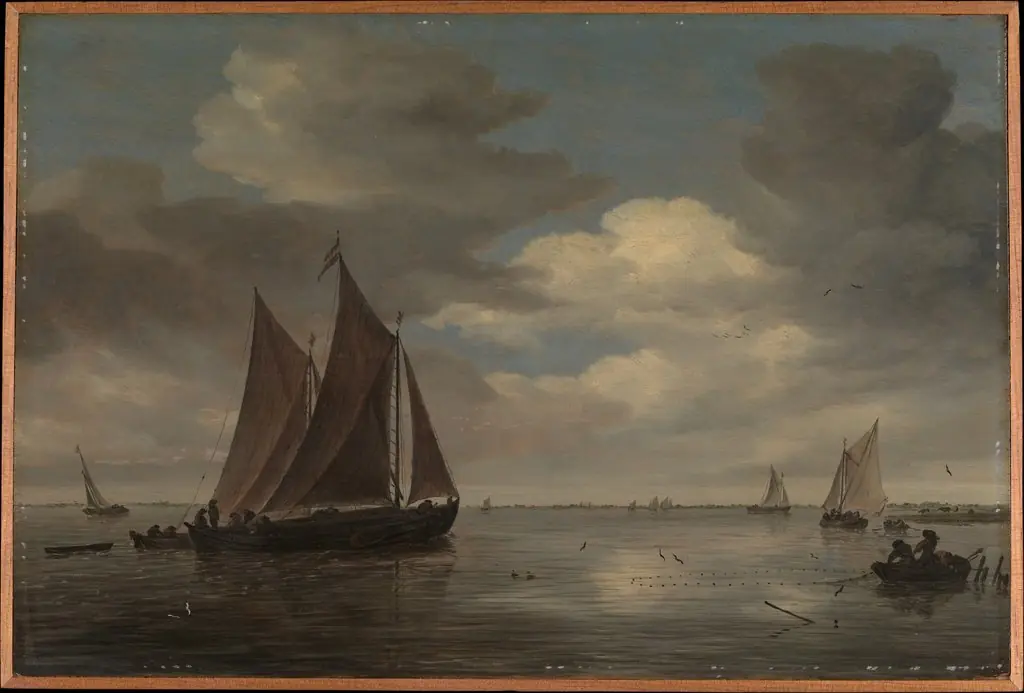
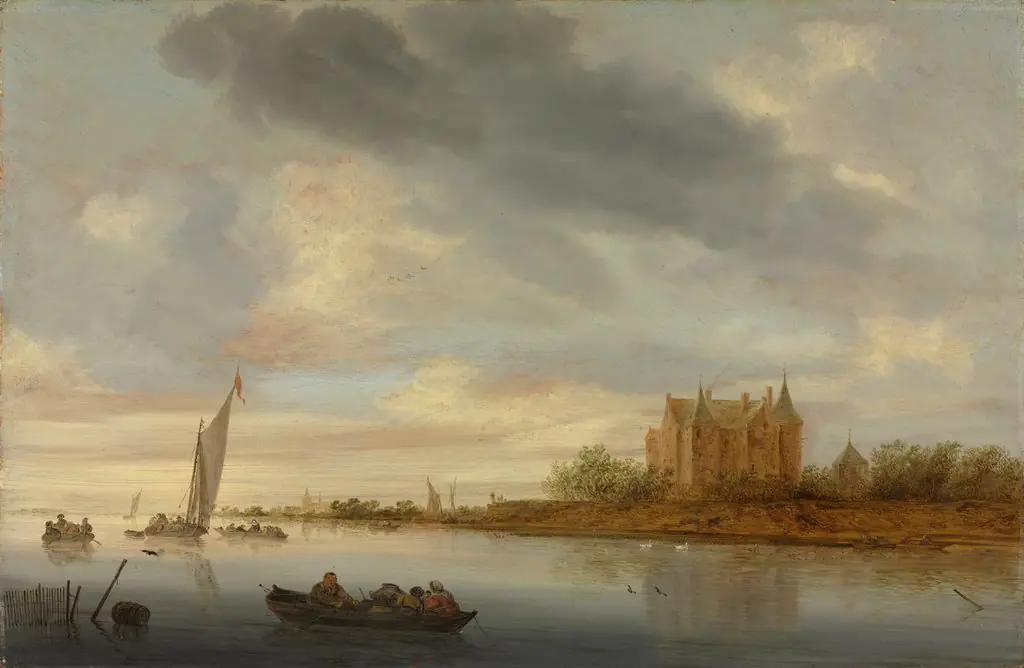
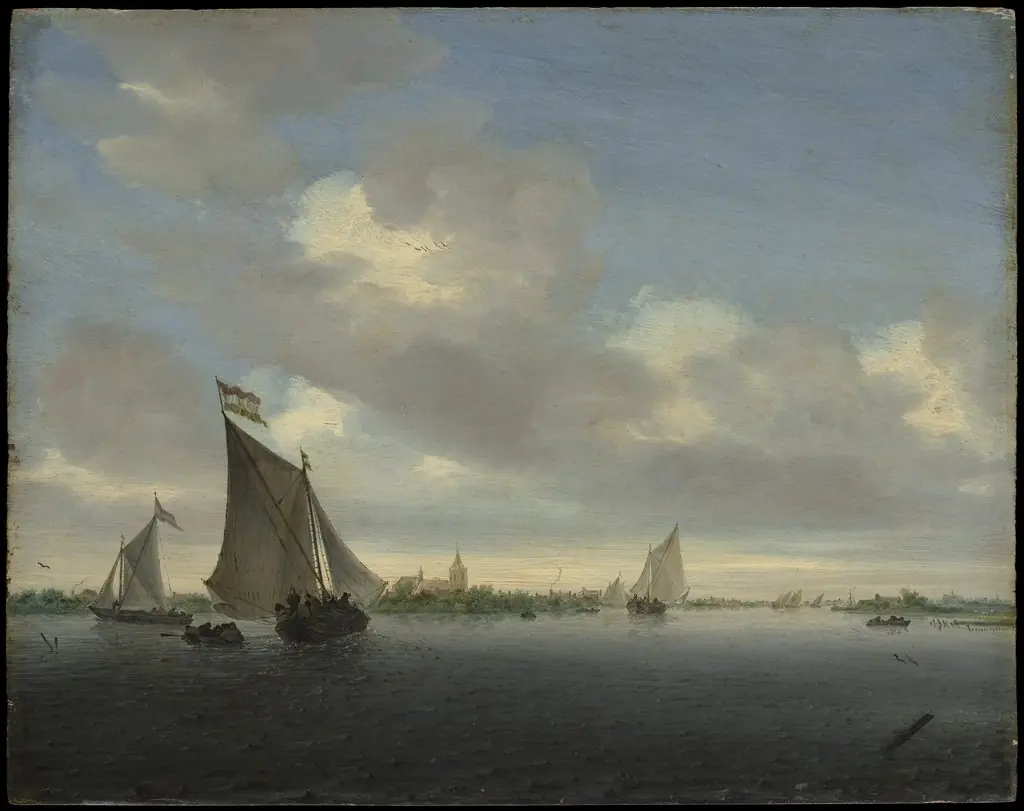
Painted in 1644, *Canal* is an oil-on-canvas landscape by Salomon van Ruysdael, a prominent figure in Dutch Golden Age painting. The work captures a quiet waterway in the Netherlands, emphasizing everyday rural scenery over grand narratives. Its composition centers on the interplay of water, sky, and modest architecture, reflecting the period’s preference for intimate, observed nature over idealized vistas.
Subject & Meaning
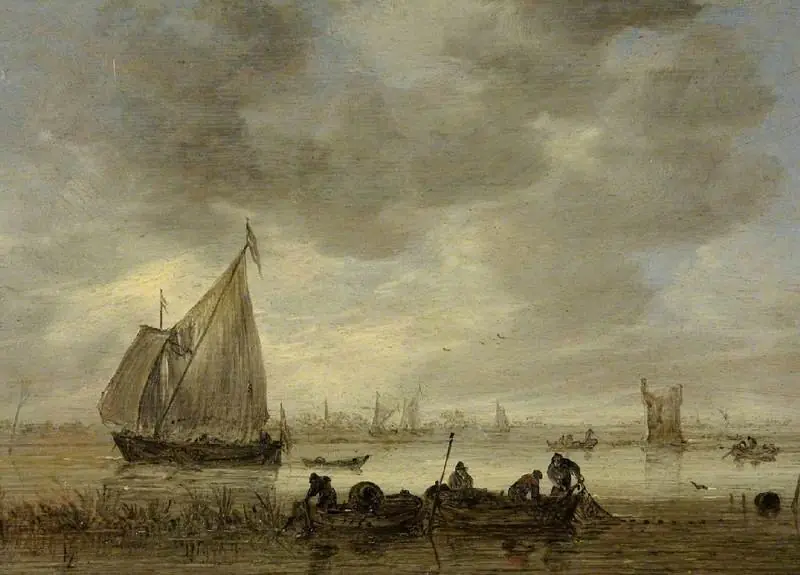
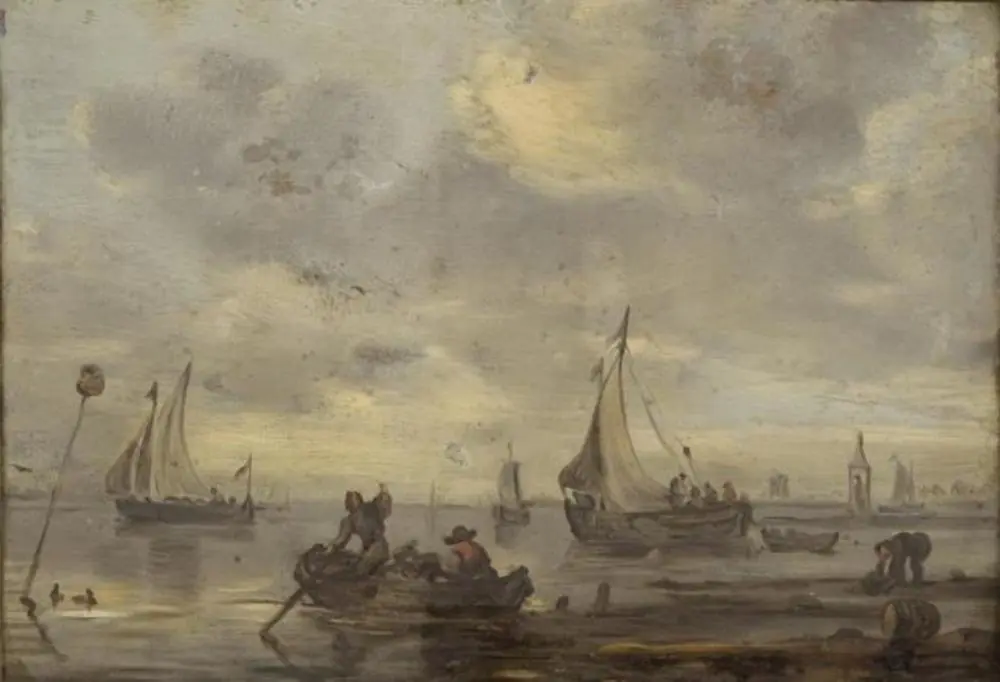
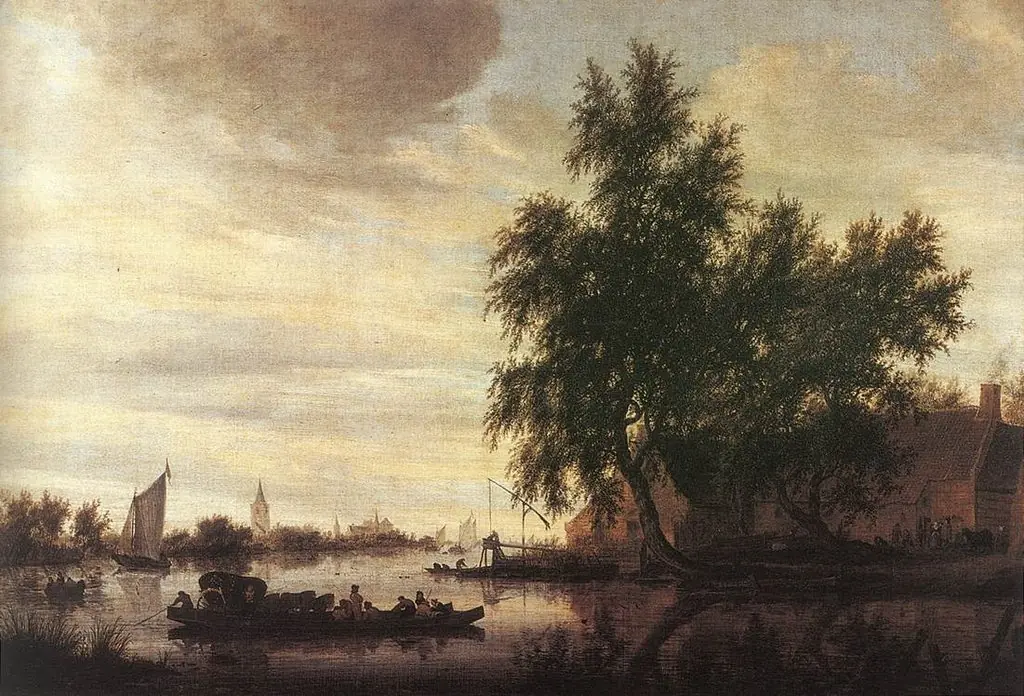
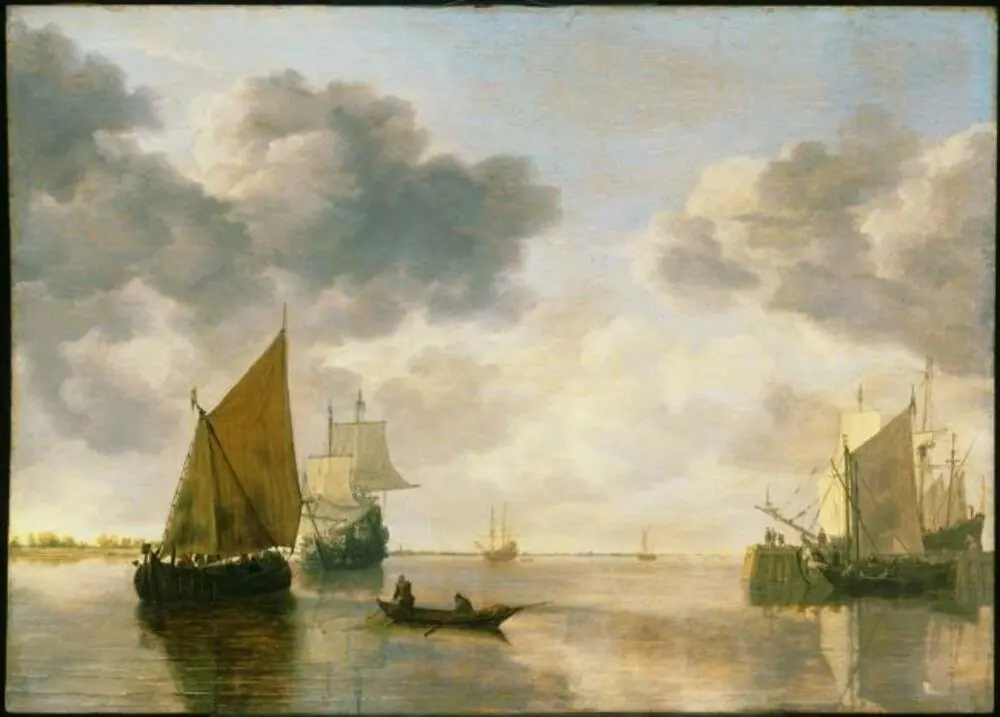
The scene depicts a tranquil canal lined with low buildings and trees, with two small boats—one anchored, the other gliding gently downstream. Figures along the bank suggest quiet daily activity, but no dramatic events occur. The painting conveys stillness and routine, honoring the dignity of ordinary life in the Dutch countryside, a theme central to van Ruysdael’s oeuvre and the broader Dutch realist tradition.
Technique & Style
Van Ruysdael employed soft, muted tones and delicate brushwork to render the diffused daylight filtering through overcast skies. Layers of thin oil glazes create subtle atmospheric depth, while the horizontal bands of water, land, and sky establish calm rhythm. Details like reeds, wooden pilings, and distant rooftops are rendered with precision but without exaggeration, reinforcing the painting’s quiet realism.
History & Provenance
Created during the height of the Dutch Golden Age, *Canal* was likely commissioned or sold to a local merchant or landowner, as was common for landscape works of the time. Its early ownership records are not fully documented, but it remained within Dutch collections through the 18th century. The painting entered its current institutional holding in the mid-20th century after passing through private hands.
Context
In mid-17th-century Holland, landscape painting flourished as a distinct genre, reflecting national pride in reclaimed land and waterways. Unlike Italianate or heroic landscapes, Dutch artists like van Ruysdael focused on local topography and weather. This painting aligns with a broader cultural shift toward secular, observational art, valued for its truth to everyday experience rather than myth or religion.
Legacy
Salomon van Ruysdael’s approach influenced later landscape painters, including his nephew Jacob van Ruisdael, who expanded on his uncle’s atmospheric techniques. While less celebrated today, Salomon’s work helped establish the visual language of Dutch realism—calm, unembellished, and grounded in the observable world. *Canal* stands as a quiet testament to the aesthetic values of its time.
Artist & collection
Artist
Salomon van Ruysdael (c. 1602, Naarden – buried 3 November 1670, Haarlem) was a Dutch Golden Age landscape painter. He was the uncle of Jacob van Ruisdael.