Artwork
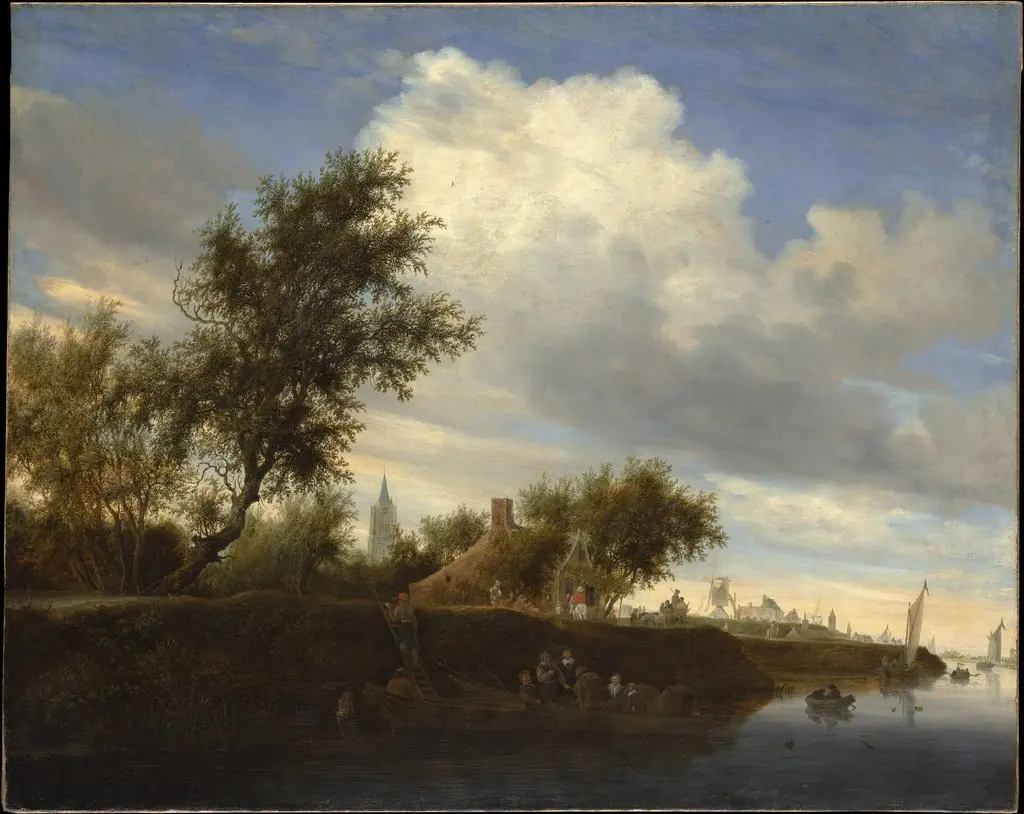
Canal landscape near Liesveld
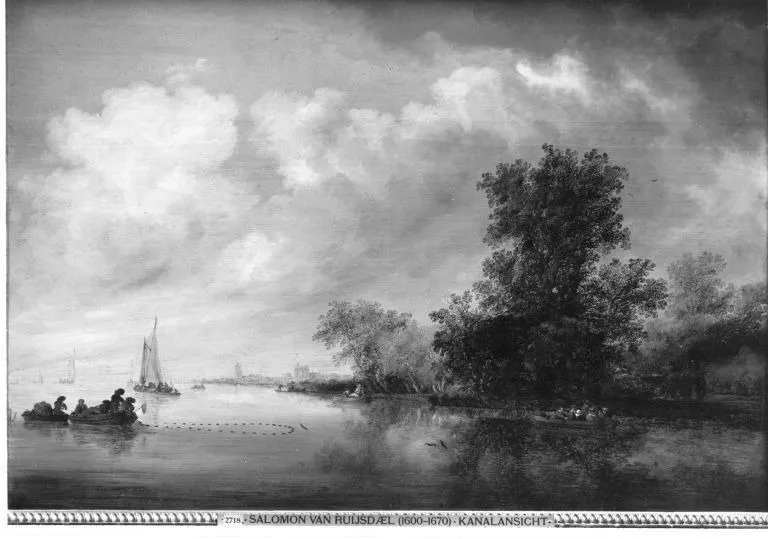
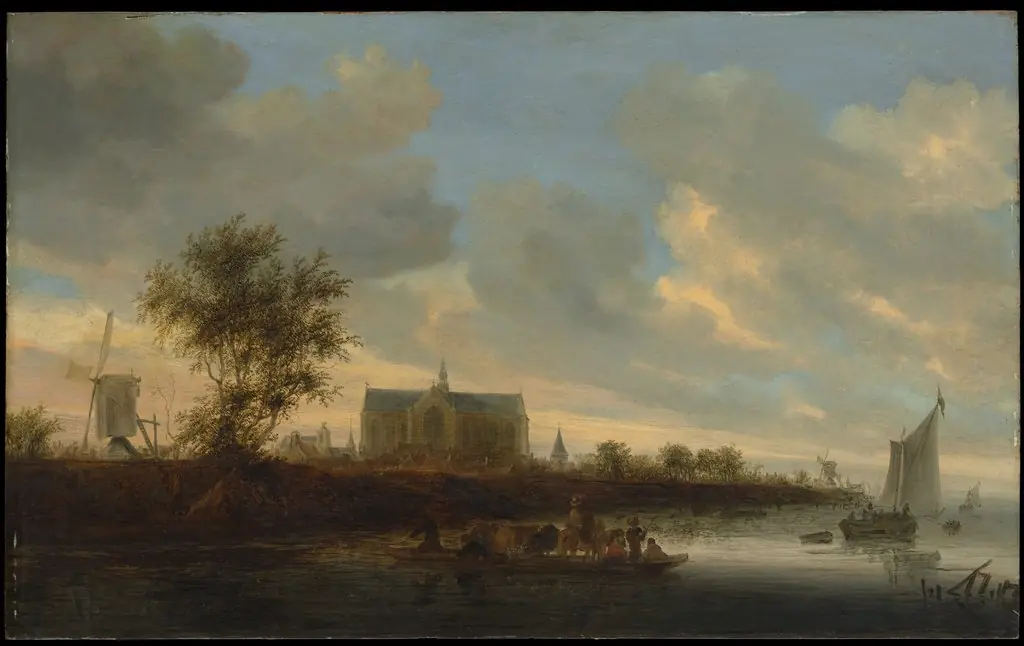
Canal landscape near Liesveld is an unspecified painting by the Dutch Golden Age artist Salomon van Ruysdael. It dates from 1642 and is held in the collection of the Bavarian State Painting Collections.
About this work
Overview
The painting is part of the Alte Pinakothek’s permanent collection, where it stands as a representative example of 17th-century Dutch landscape art.
Painted in 1642 by Salomon van Ruysdael, this work captures a quiet stretch of water near the village of Liesveld in the Netherlands. It reflects the Dutch Golden Age’s preoccupation with everyday natural scenery, rendered without grandeur or mythological reference. The painting is part of the Alte Pinakothek’s permanent collection, where it stands as a representative example of 17th-century Dutch landscape art.
Subject & Meaning
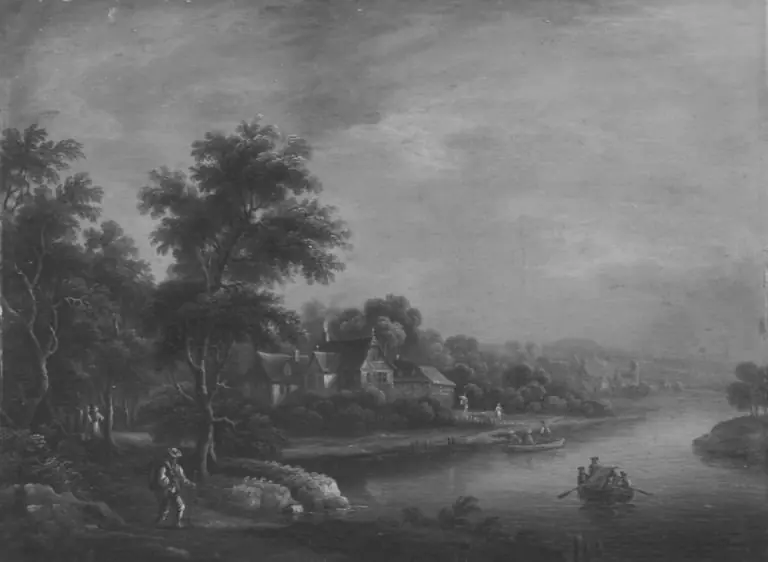
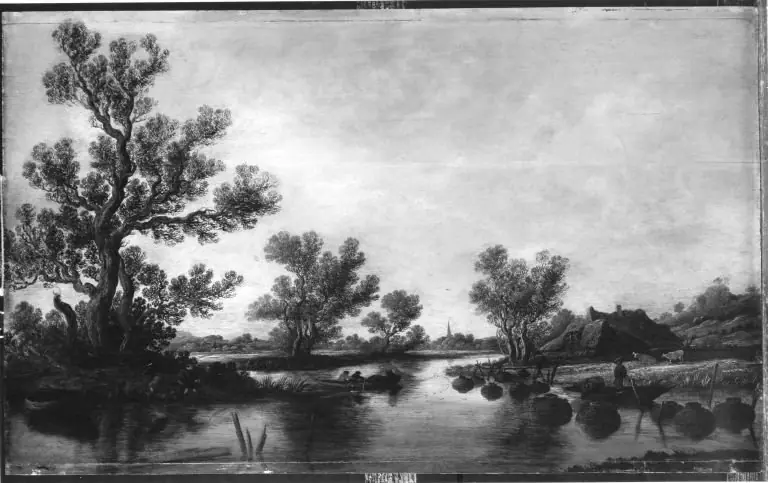
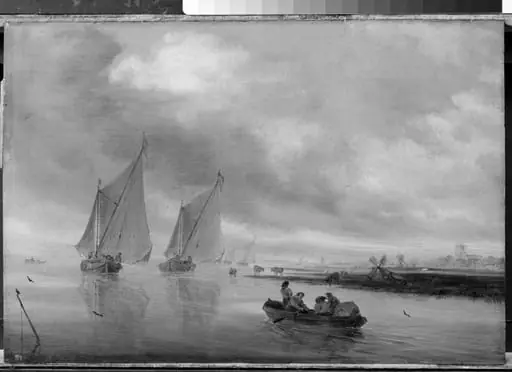
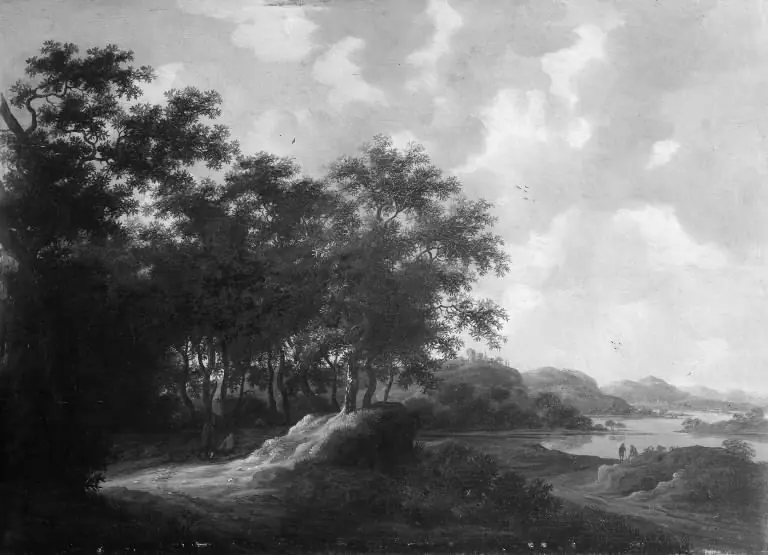
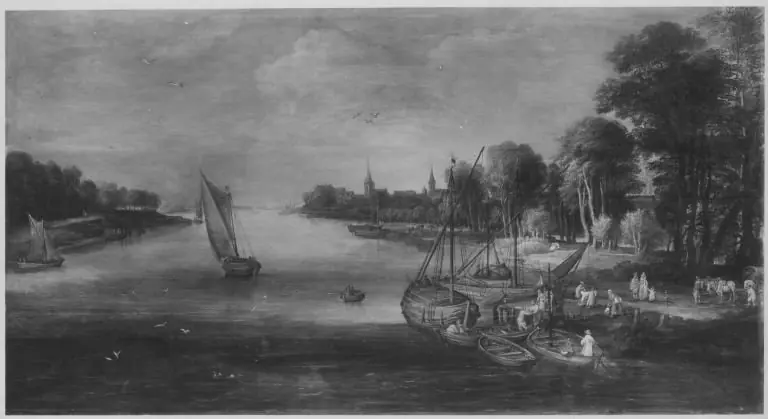
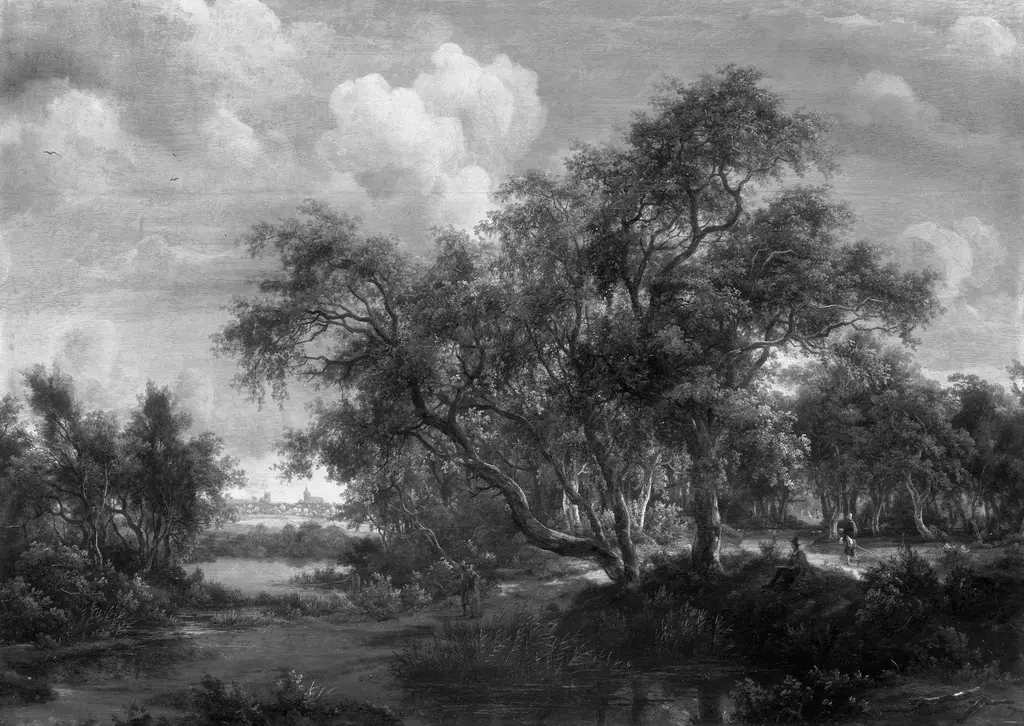
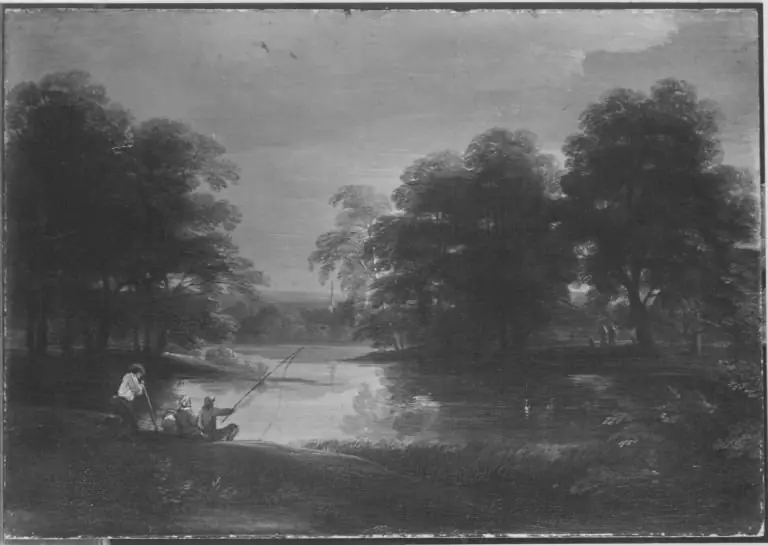
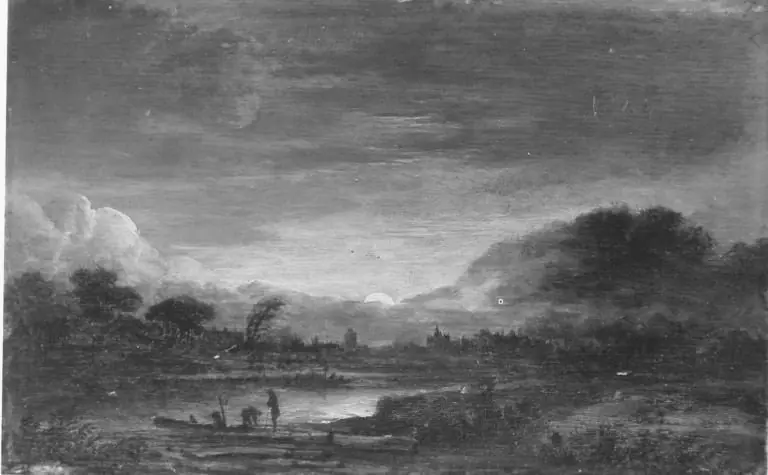
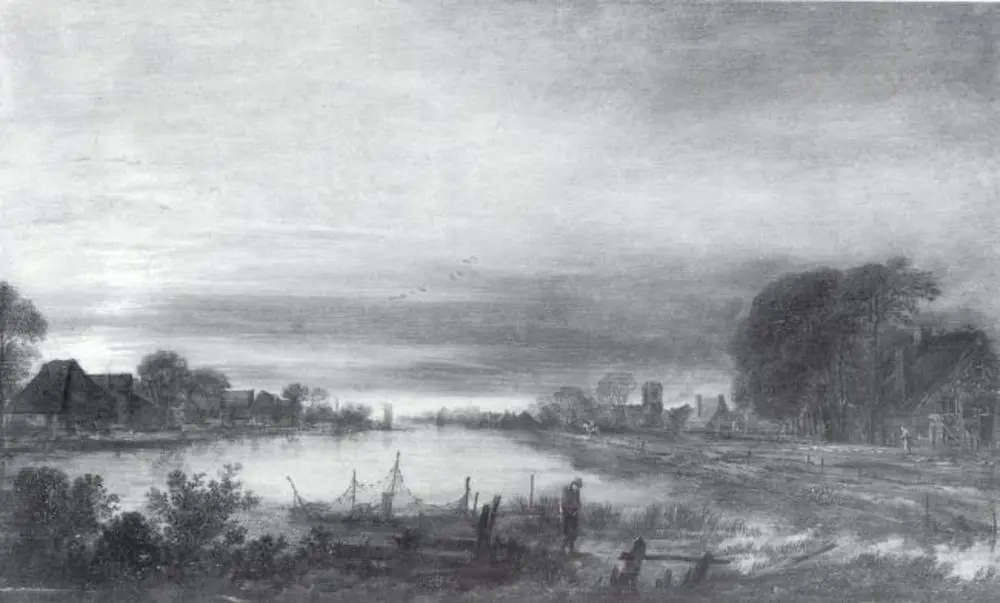
The scene portrays a modest canal bordered by trees and low embankments, with a small boat carrying figures near the left edge. A dominant tree on the right anchors the composition, while the sky, partially obscured by drifting clouds, allows slivers of sunlight to break through. The absence of dramatic action or human narrative emphasizes stillness and the quiet rhythm of rural life along waterways.
Technique & Style
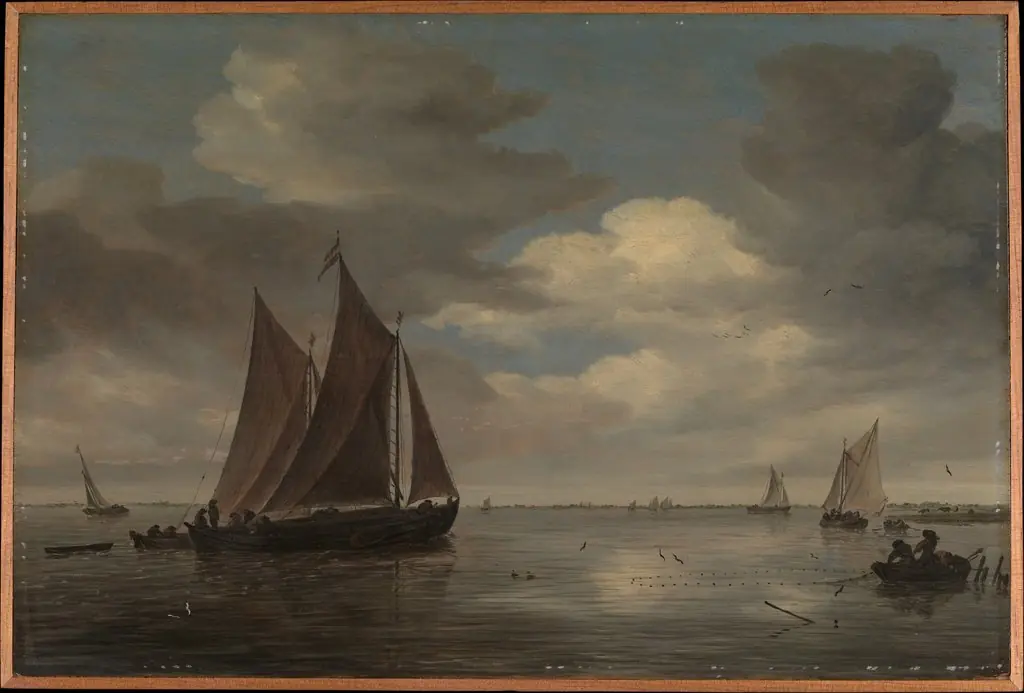
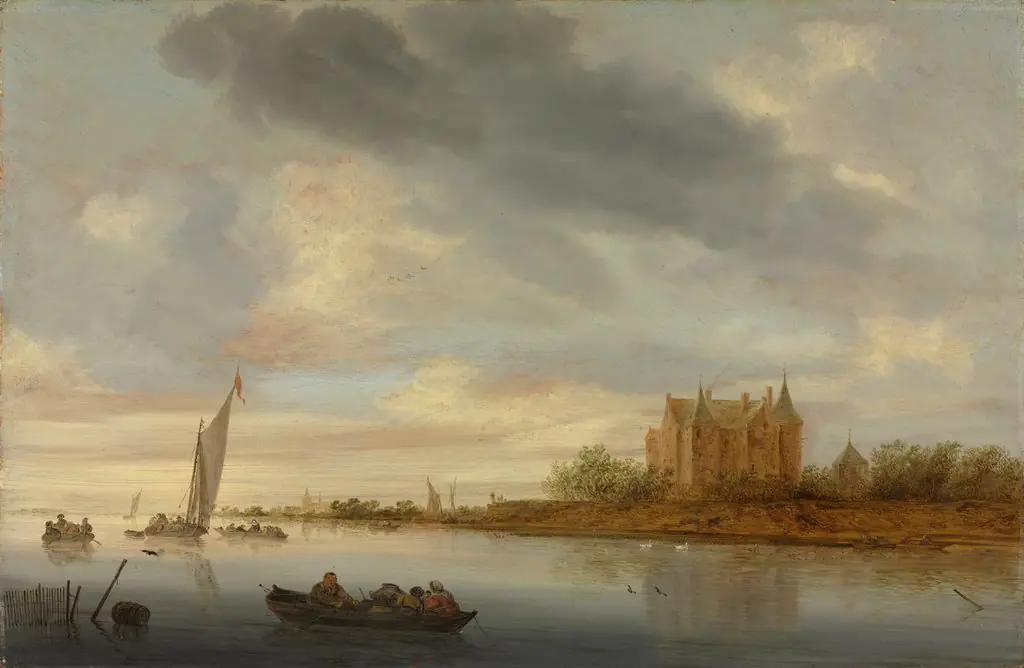
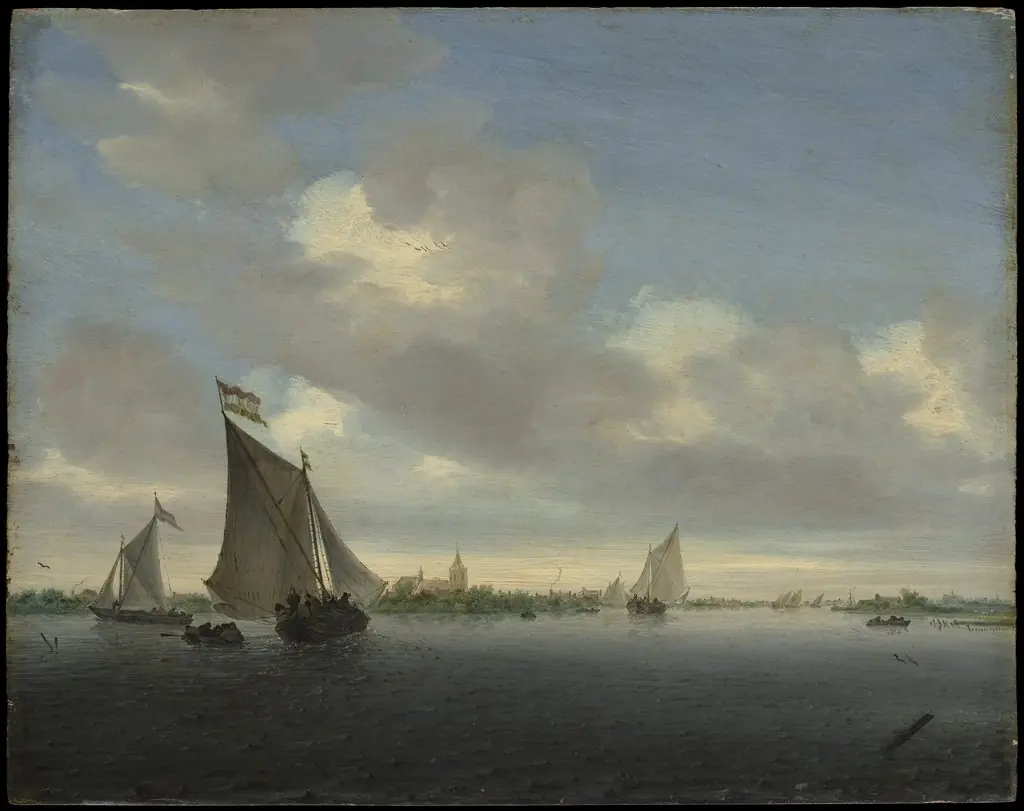
Van Ruysdael employs subtle gradations of tone to model forms and suggest atmospheric depth. Brushwork is refined but not overly detailed, allowing light to appear naturally on water surfaces and foliage. The handling of clouds and reflections demonstrates a sensitivity to changing weather conditions, with soft transitions between shadow and illumination that enhance the scene’s quiet realism.
History & Provenance
The painting entered the Alte Pinakothek’s collection in the 19th century, likely through acquisitions from German or Dutch private holdings. Its attribution to Salomon van Ruysdael has been consistently supported by stylistic analysis and archival records. Unlike some of his more celebrated relatives, his works were often collected for their calm, unembellished observations of the Dutch countryside.
Context
During the 1640s, Dutch artists increasingly turned to local landscapes as subjects worthy of serious attention. Urban prosperity and a growing middle class fueled demand for paintings that reflected daily life and the natural environment. Van Ruysdael’s work fits within this trend, offering a restrained, observational approach that contrasts with the more theatrical landscapes of his contemporaries.
Legacy
Salomon van Ruysdael’s influence extended to his nephew Jacob, who expanded upon his uncle’s atmospheric techniques. While less widely known today, Salomon’s paintings helped establish the visual language of Dutch landscape painting—emphasizing mood, light, and the dignity of ordinary scenery. His works remain valued for their quiet precision and understated harmony.
Artist & collection
Artist
Salomon van Ruysdael (c. 1602, Naarden – buried 3 November 1670, Haarlem) was a Dutch Golden Age landscape painter. He was the uncle of Jacob van Ruisdael.