Artwork
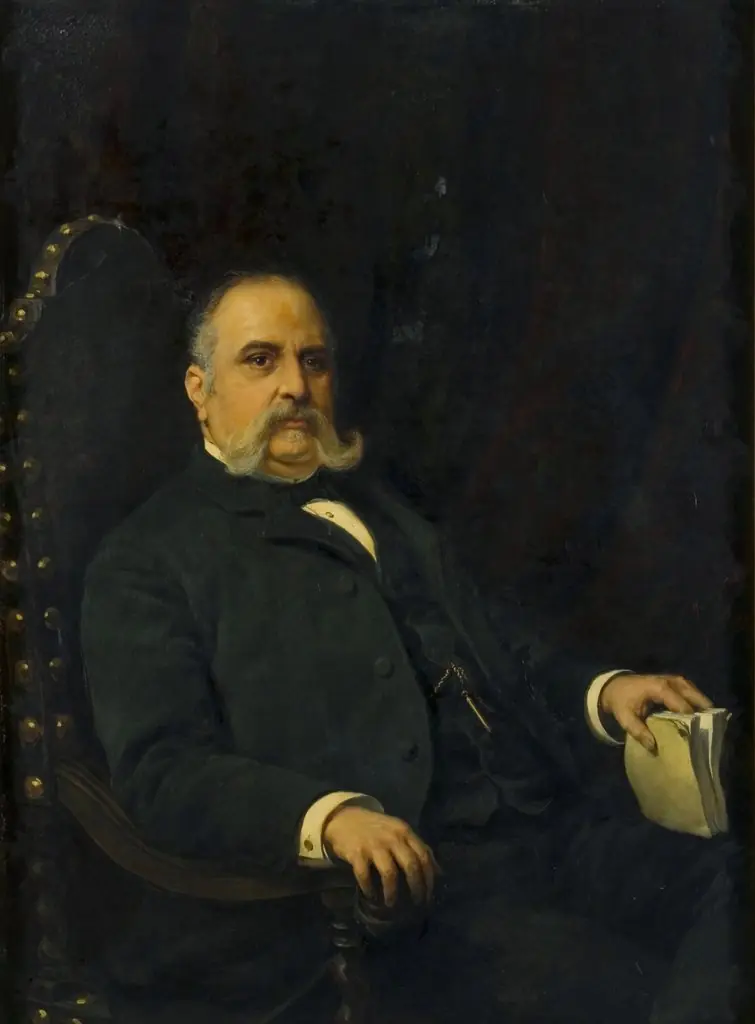
Fernando de Aragón y Borja duque de Villahermosa y conde de Ribagorza (copia)
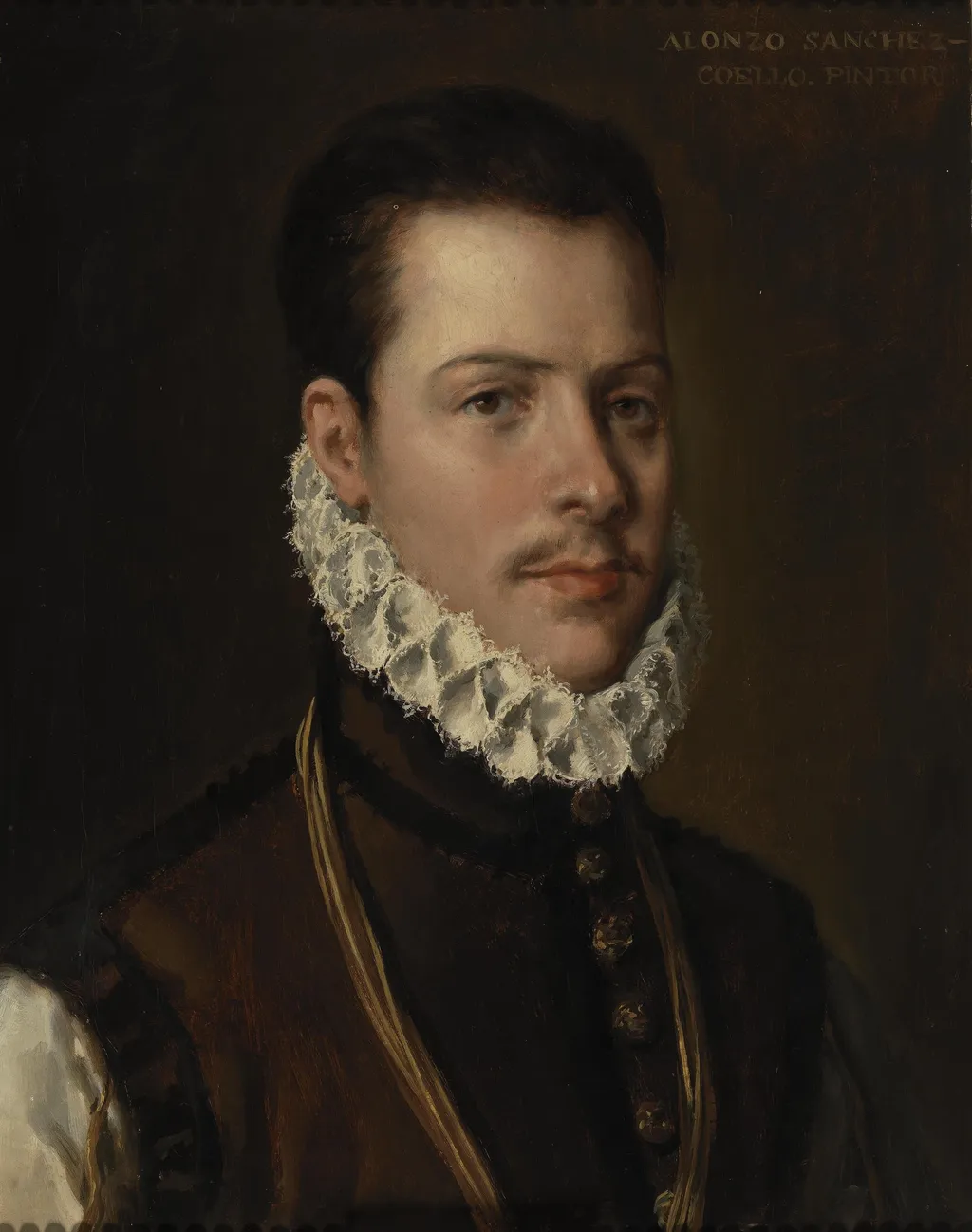
Fernando de Aragón y Borja duque de Villahermosa y conde de Ribagorza (copia) is an oil painting by the Post-Impressionist artist Salvador Martínez Cubells. It dates from 1890 and is held in the collection of the Museo del Prado.
About this work
Overview
Though executed in the late 19th century, its style draws from earlier traditions rather than contemporary movements like Post-Impressionism.
This oil painting, completed in 1890 by Salvador Martínez Cubells, is a copy of a portrait depicting Fernando de Aragón y Borja, Duke of Villahermosa and Count of Ribagorza. It belongs to the Museo del Prado’s collection and reflects the artist’s engagement with historical portraiture. Though executed in the late 19th century, its style draws from earlier traditions rather than contemporary movements like Post-Impressionism.
Subject & Meaning
The subject is Fernando de Aragón y Borja, a 16th-century Spanish nobleman. The portrait captures him in formal attire, emphasizing his status through rich fabrics and gold trim. His neutral expression and turned gaze convey dignity without theatricality. As a copy, the work serves less as an original likeness and more as a historical reconstruction, preserving the visual identity of a figure from Spain’s aristocratic past.
Technique & Style
Martínez Cubells employed traditional oil painting methods to render the figure with precise detail. The dark background isolates the subject, focusing attention on the texture of the jacket, the crispness of the ruffled collar, and the subtlety of facial modeling. Brushwork is controlled and deliberate, avoiding the loose handling associated with Impressionism, aligning instead with academic portraiture conventions of the period.
History & Provenance
The painting was created in 1890 by Salvador Martínez Cubells, who was active in restoring and reproducing historical works for the Museo del Prado. This copy likely formed part of a broader effort to document and preserve the visual heritage of Spanish nobility. It entered the museum’s collection shortly after completion, where it remains as part of its historical portrait series.
Context
In late 19th-century Spain, there was a renewed interest in national history and aristocratic lineage. Artists like Martínez Cubells were often commissioned to reproduce or restore portraits of historical figures to reinforce cultural identity. This work reflects institutional priorities rather than personal artistic innovation, serving as a link between past elites and contemporary historical consciousness.
Legacy
The painting endures as a documented reproduction within a major national collection, contributing to the study of Spanish portraiture and the role of copying in art conservation. While not an original Renaissance work, it illustrates how 19th-century restorers engaged with historical imagery, preserving visual records that might otherwise have been lost or degraded.
Own this work as a print
Artist & collection
Artist
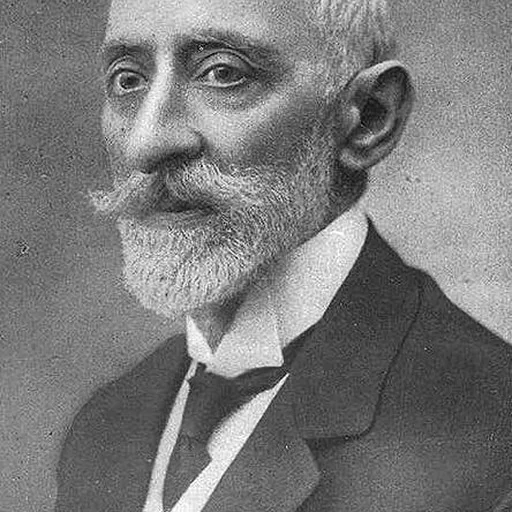
Salvador Martínez Cubells (9 November 1845 – 21 January 1914) was a Spanish painter and art restorer (Paintings conservator), who specialized in history painting and Costumbrismo.


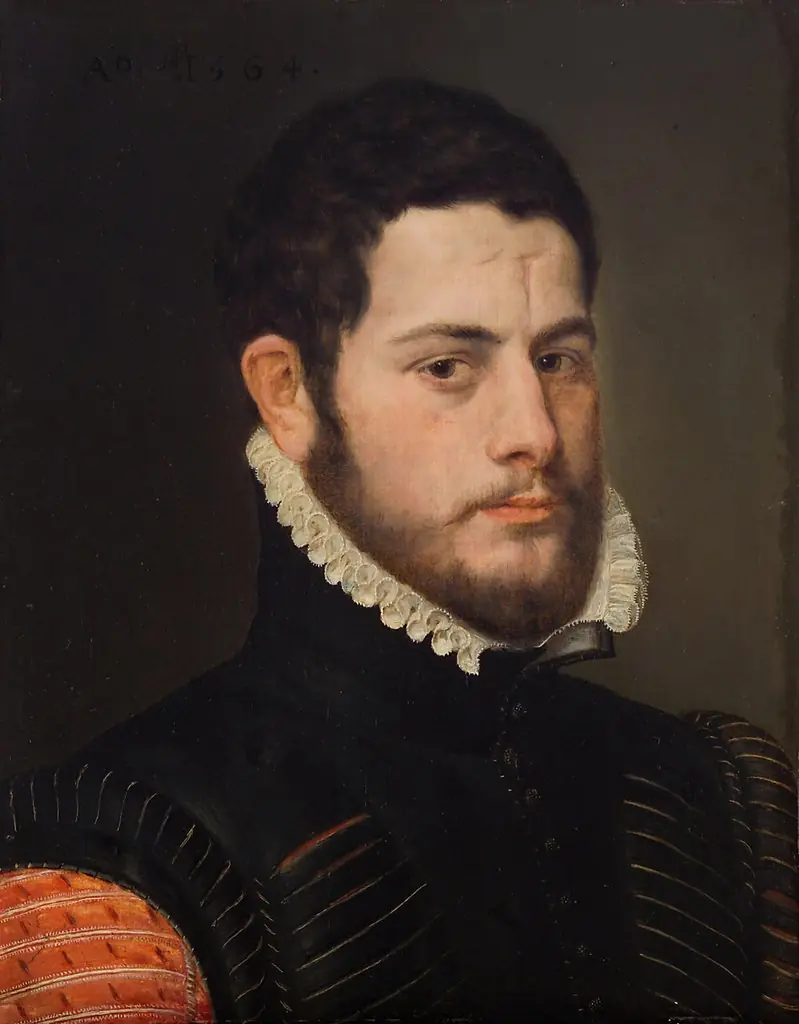 Portrait of a Man with Brow
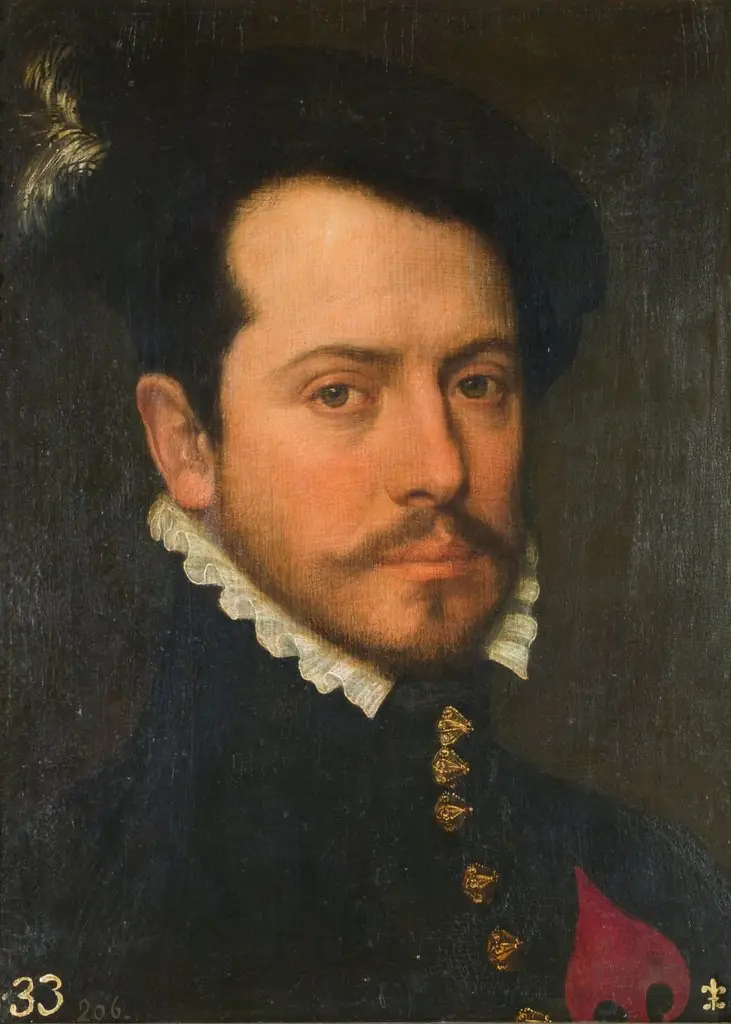 Portrait of a Knight of the Order of Santiago
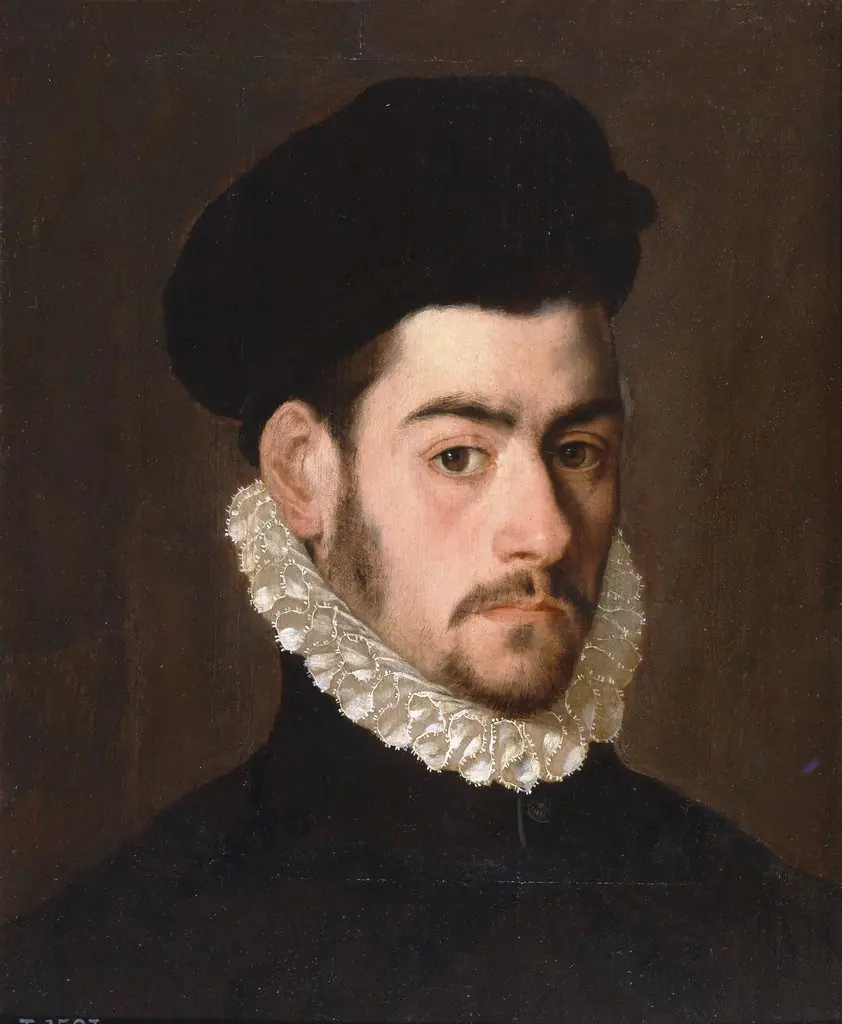 Self-portrait (?)
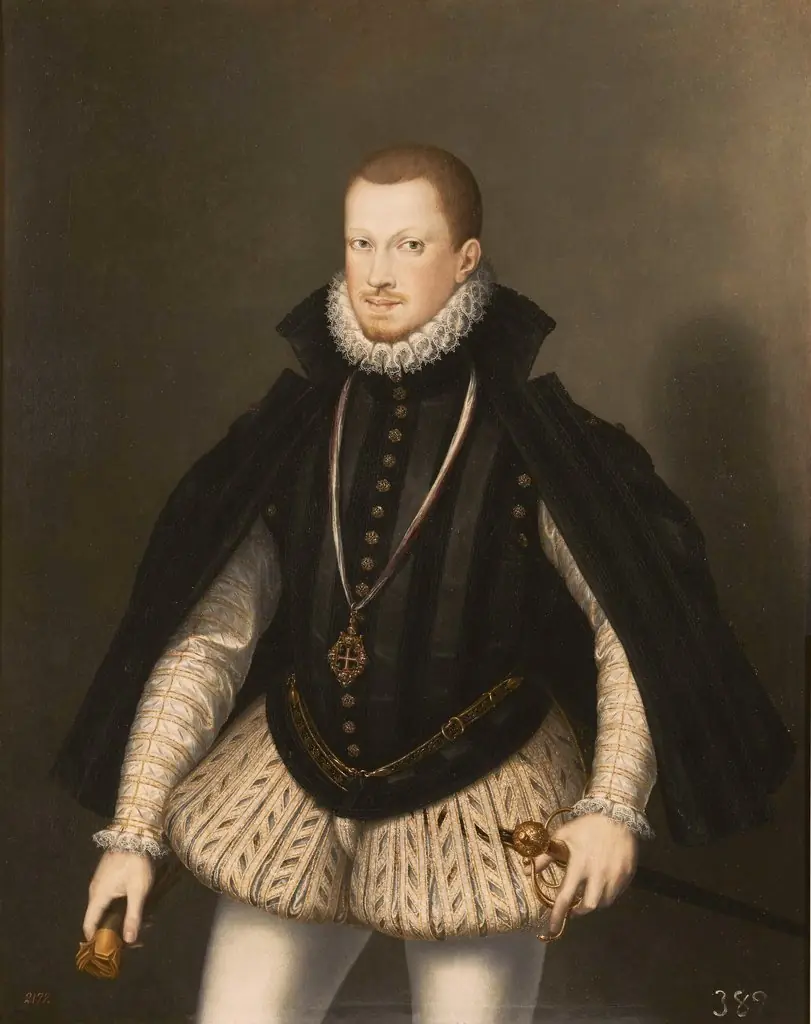 Don Sebastián rey de Portugal
 Portrait of Diego Hurtado de Mendoza
 Philip II
 Portrait of a Young Man
 Portrait of a gentleman
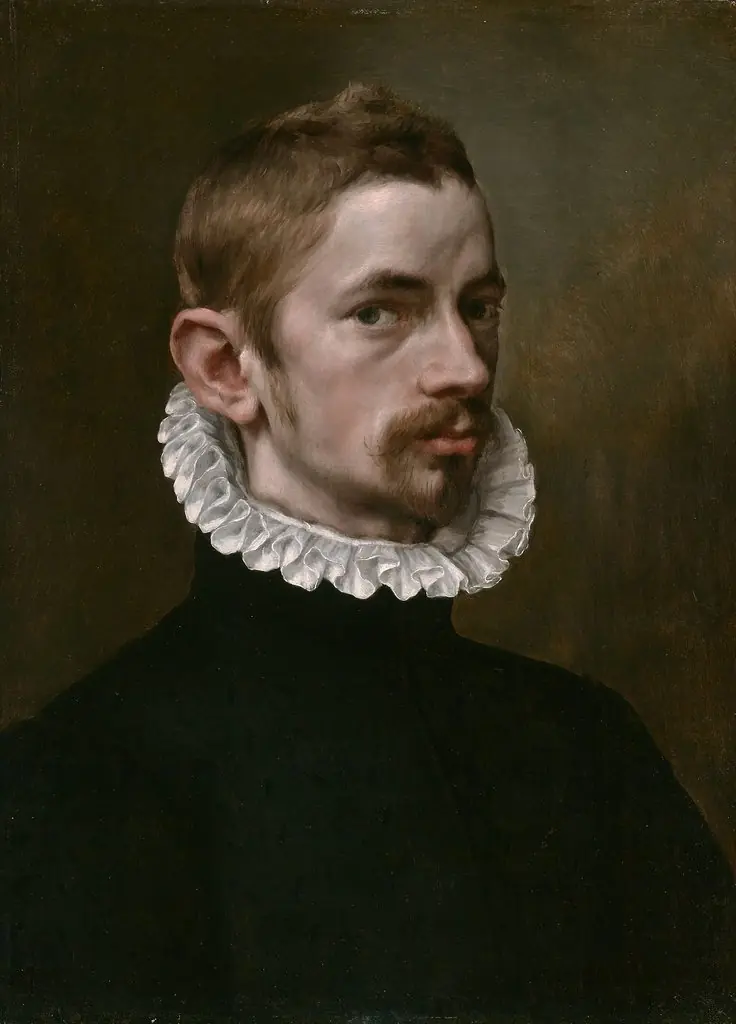 Portrait of a Man
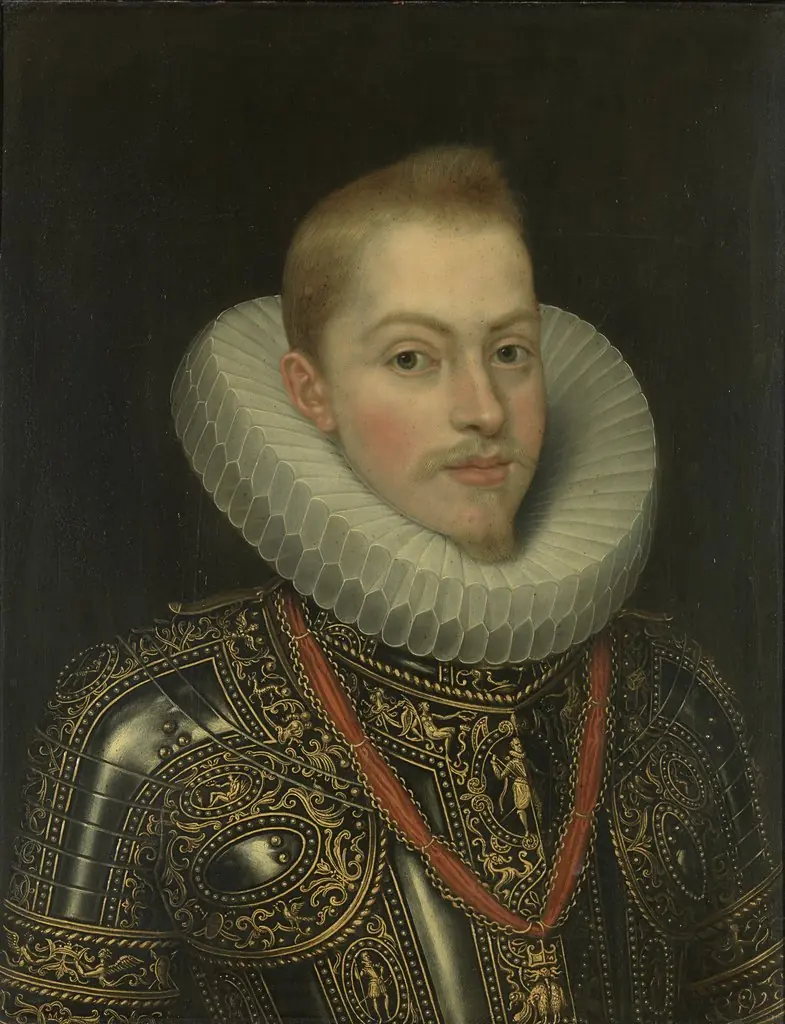 Portrait of Philip III, King of Spain
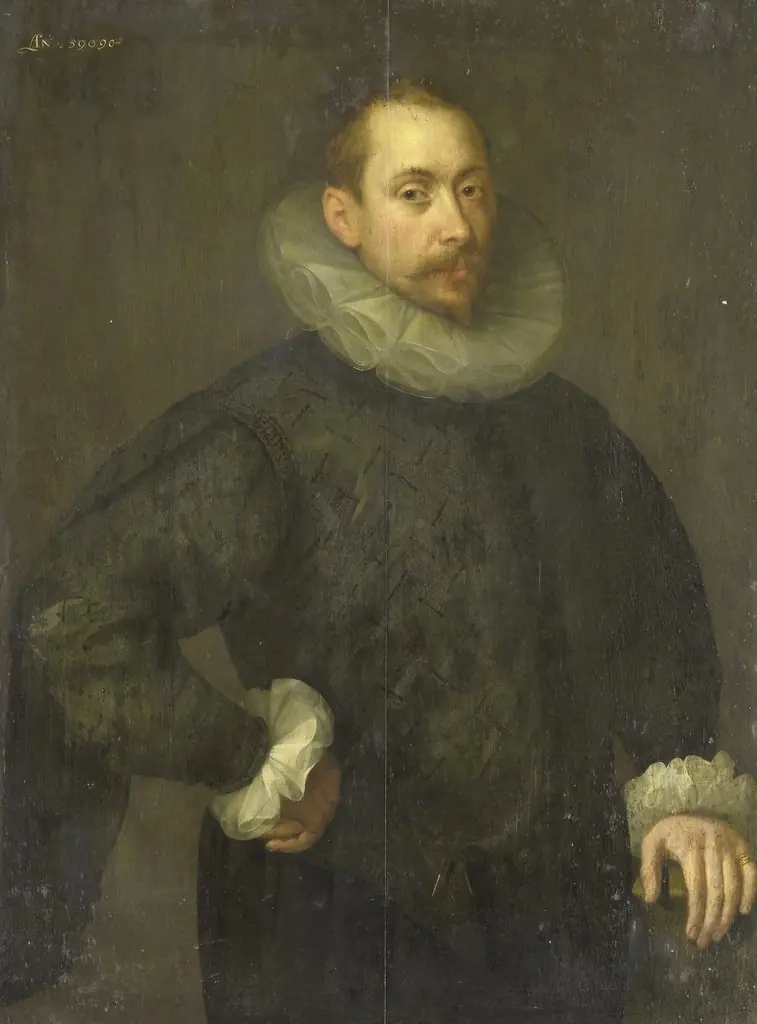 Portrait of Jean Fourmenois
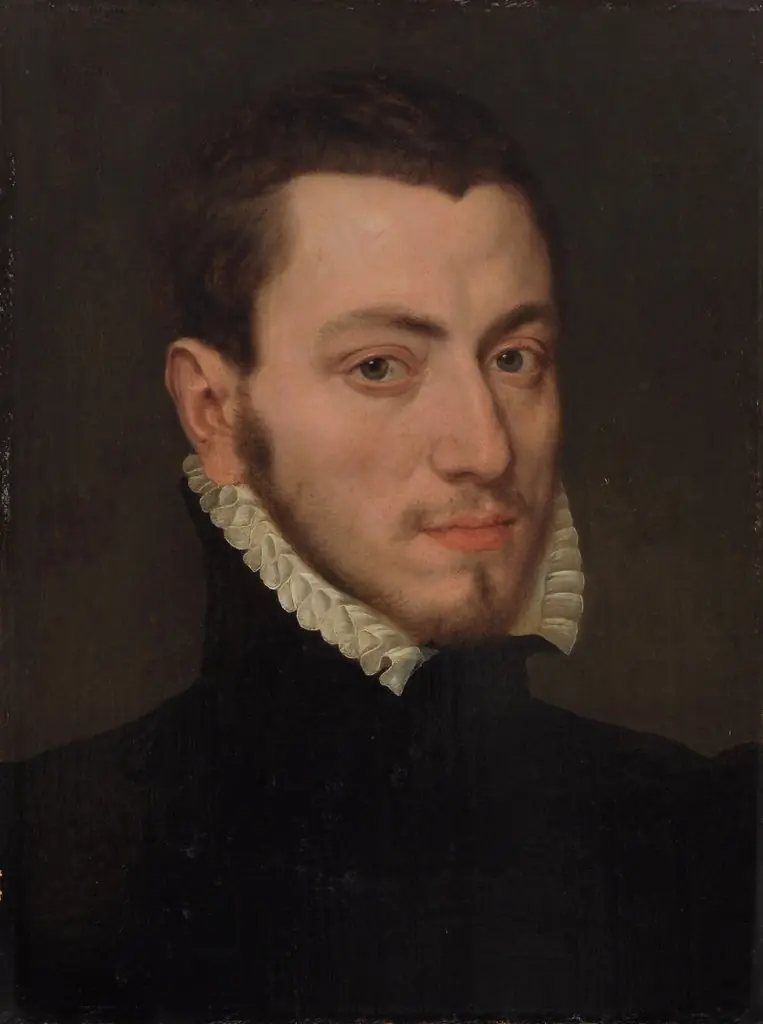 Male Portrait