Artwork
Landscape
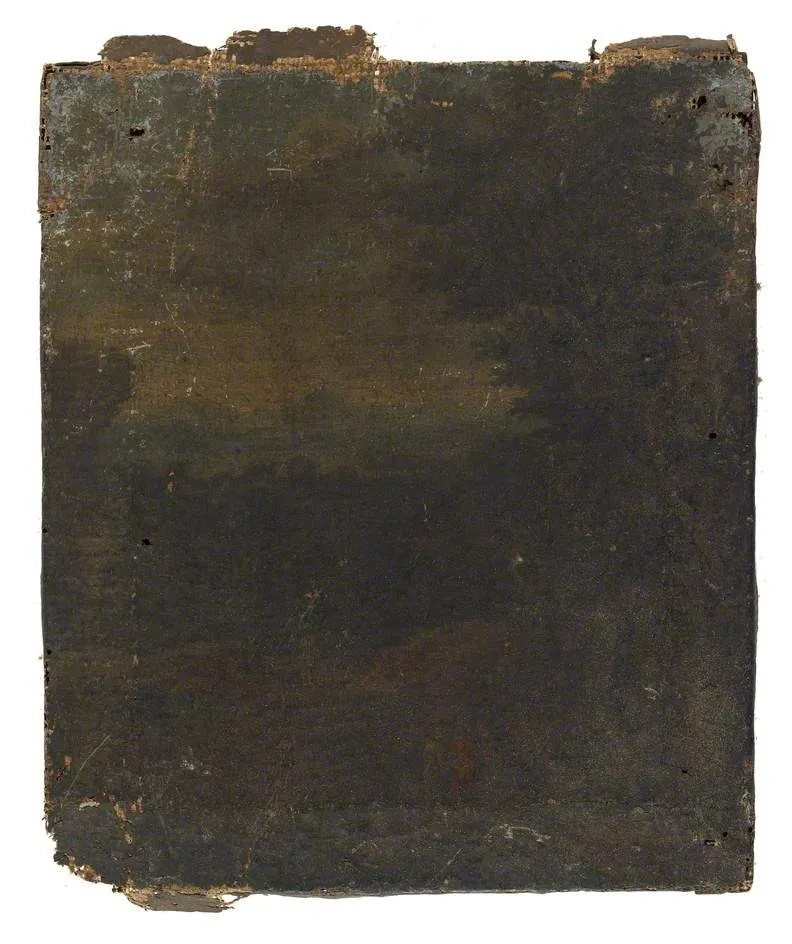
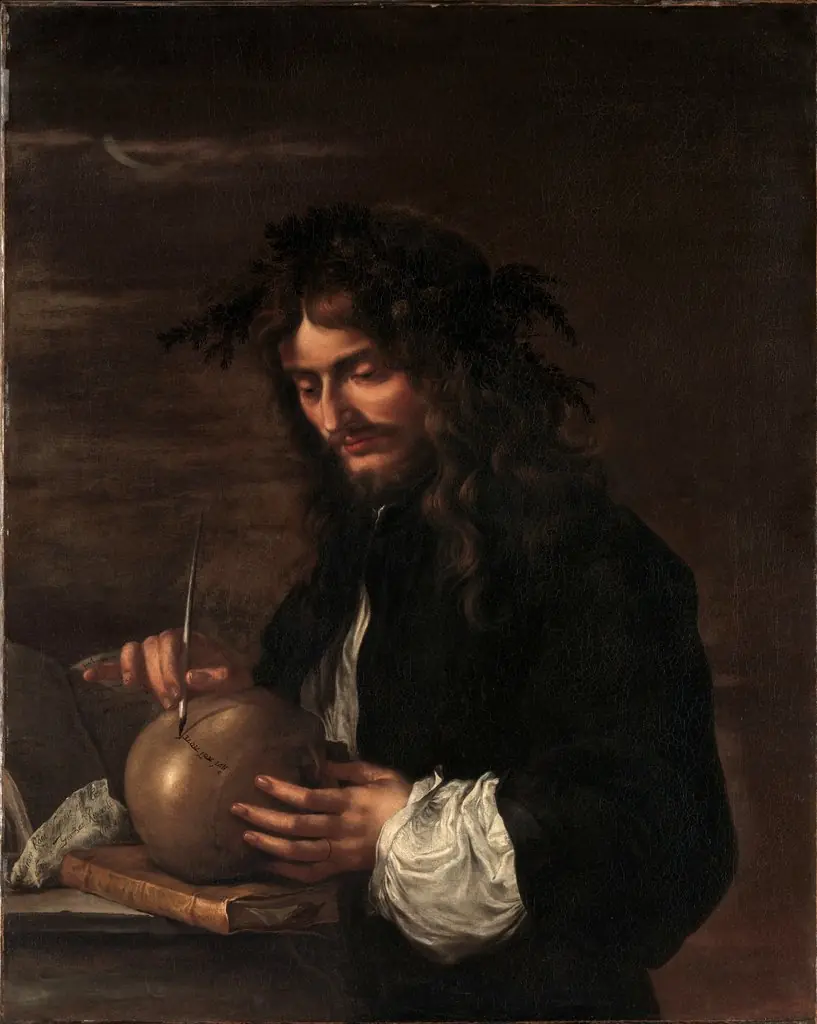
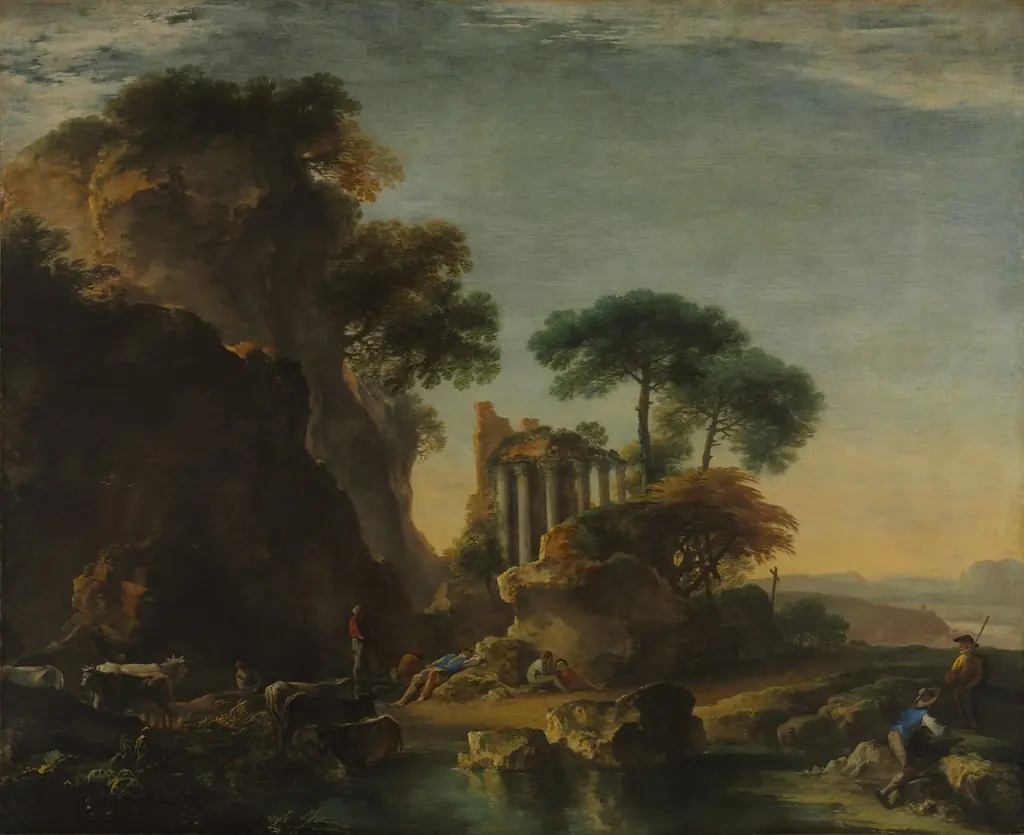
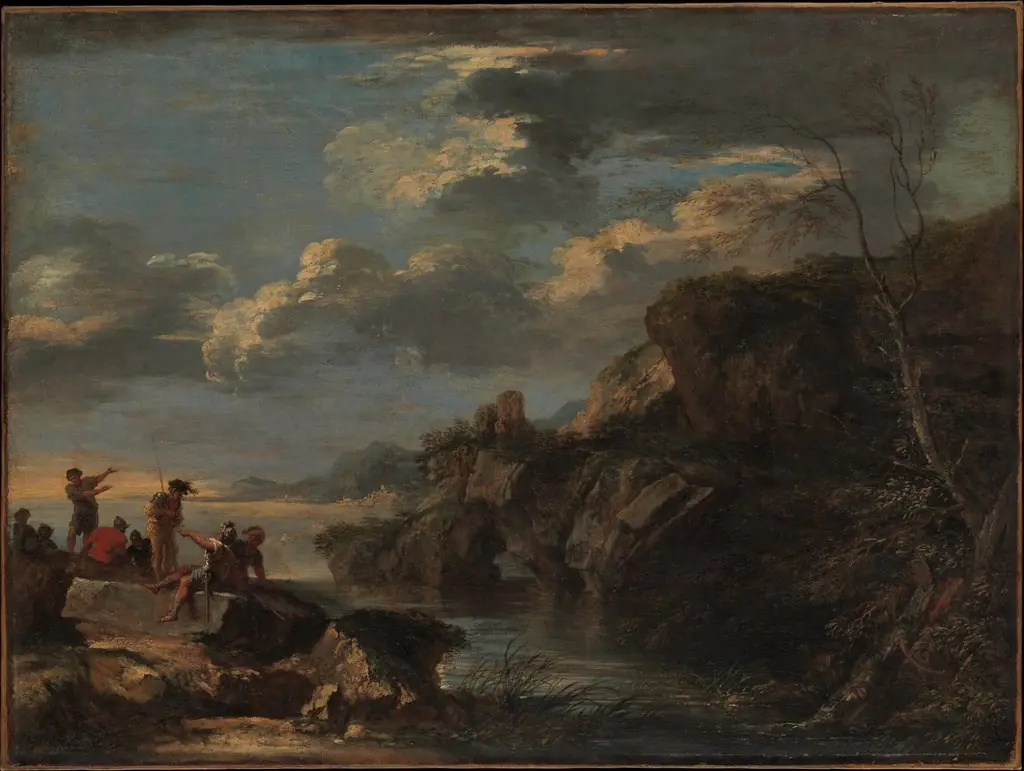
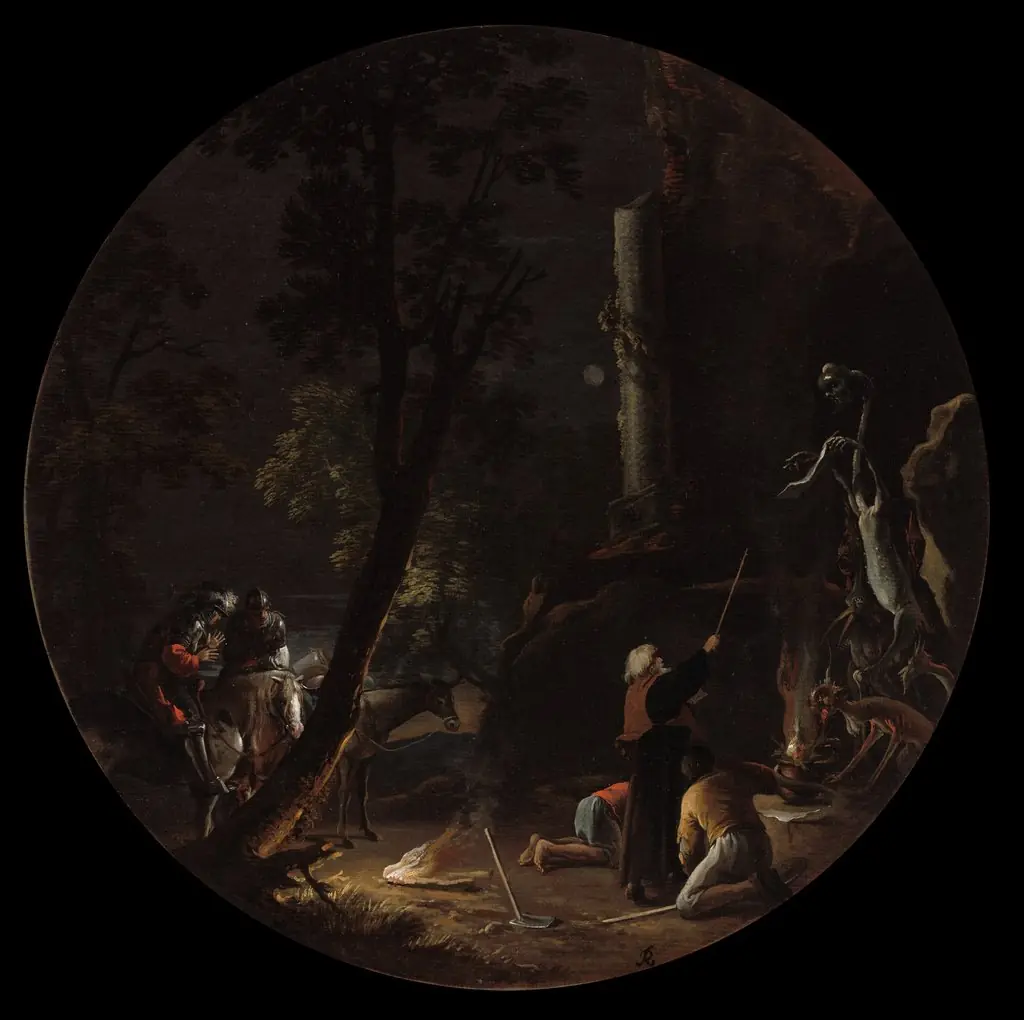
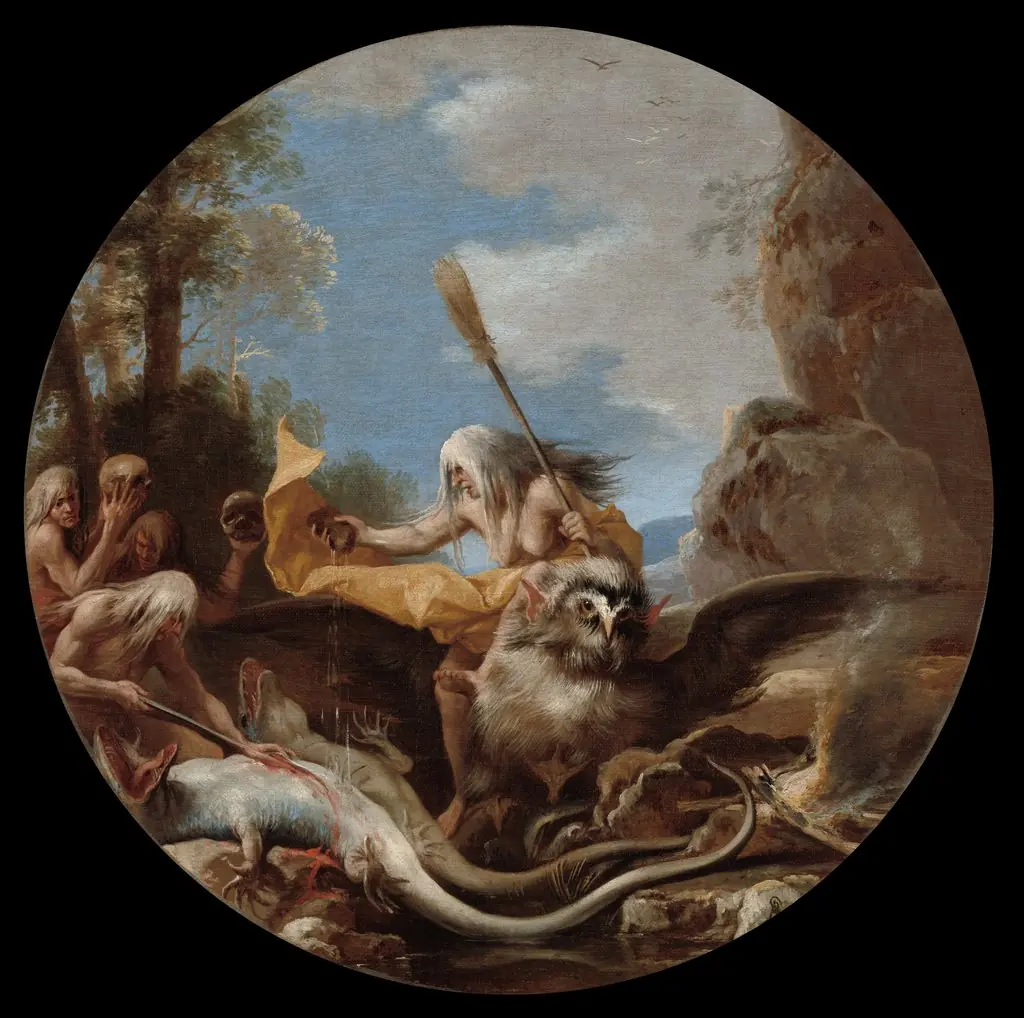
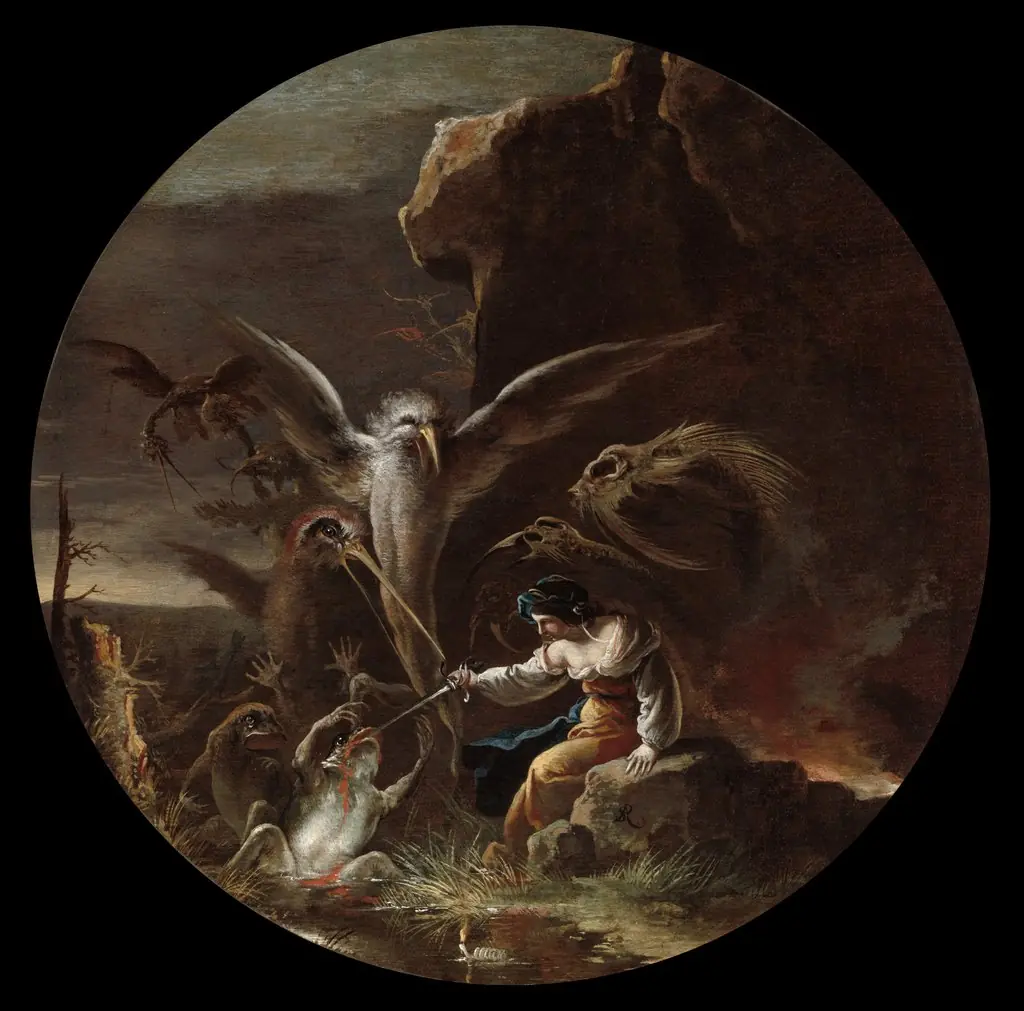
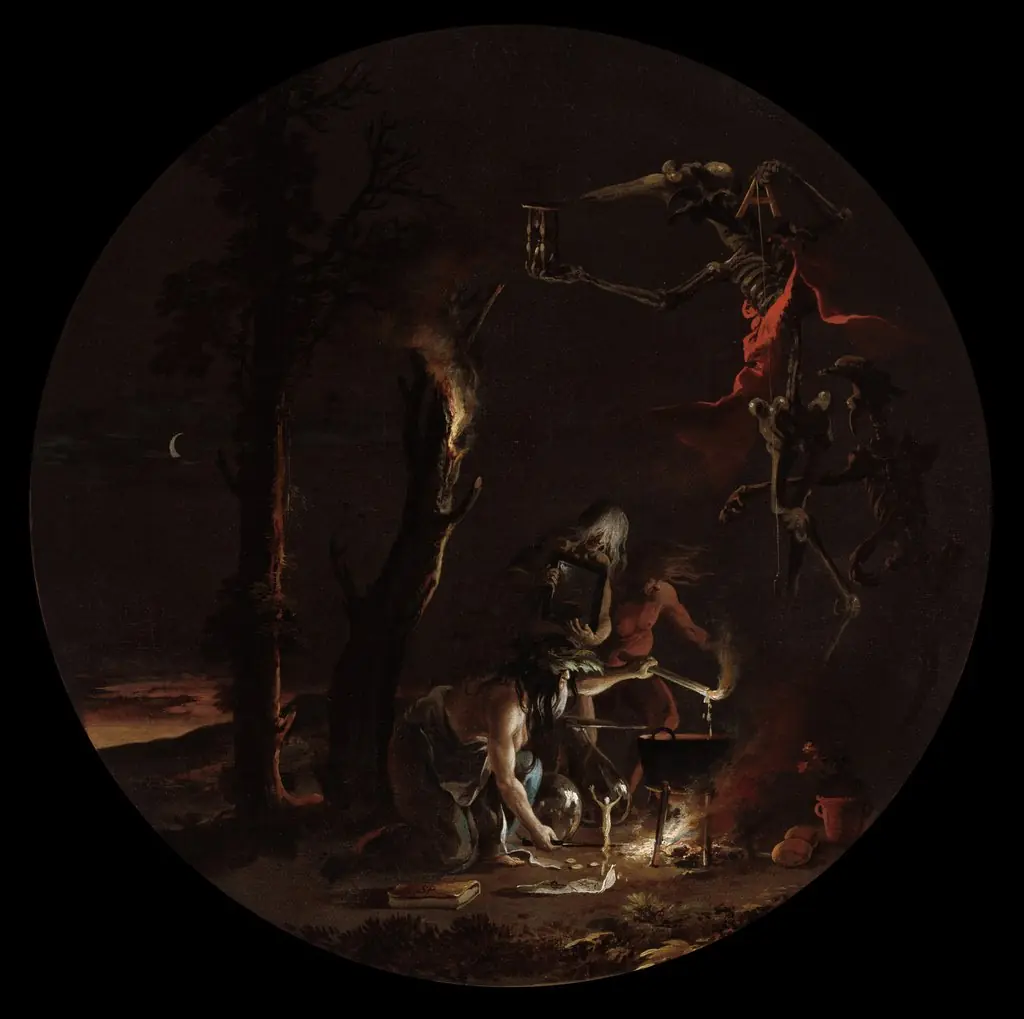
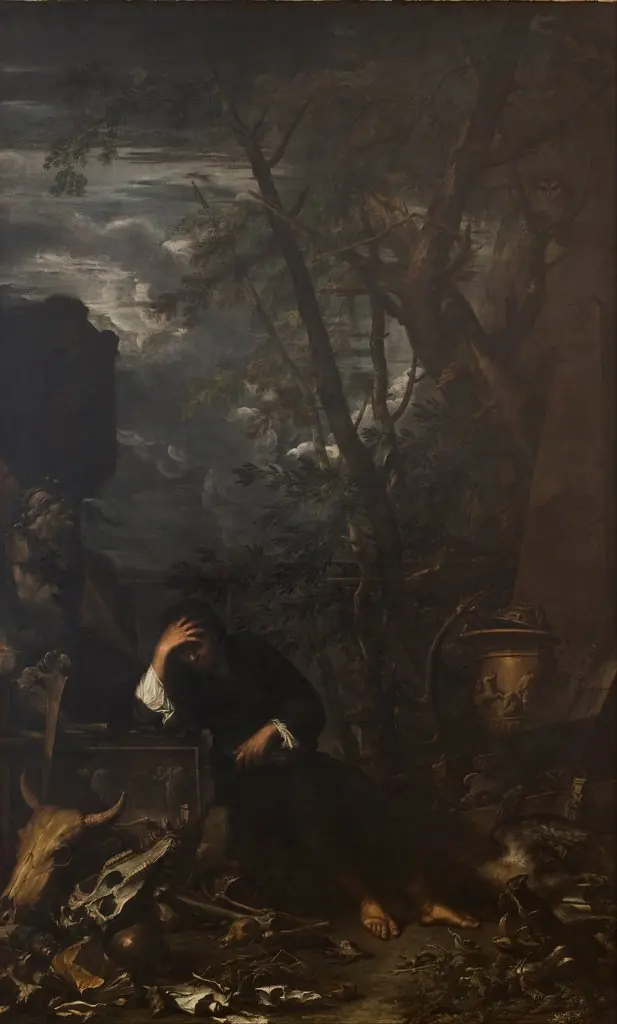
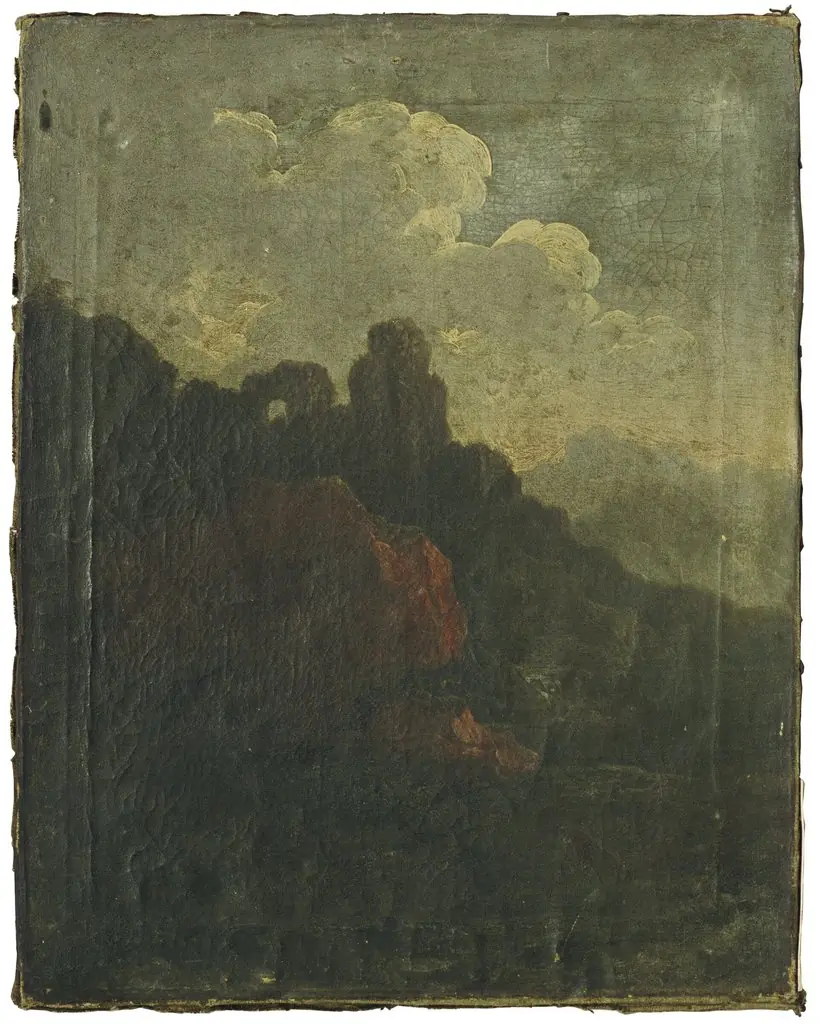
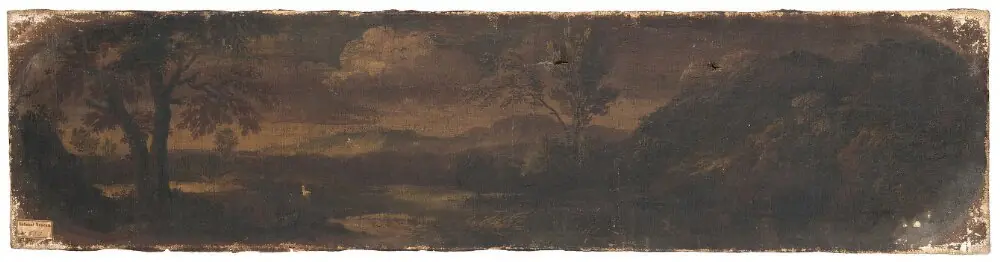
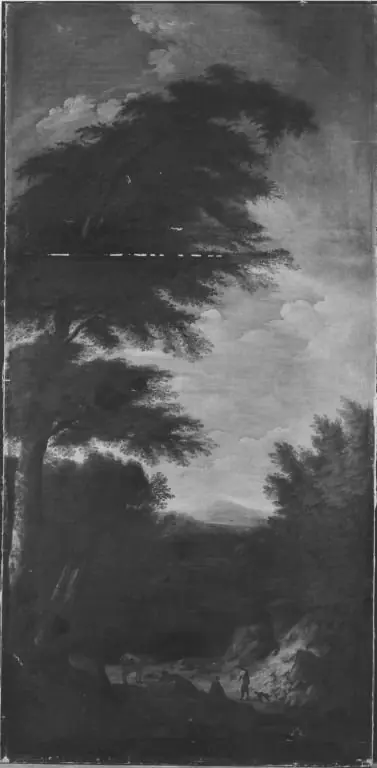
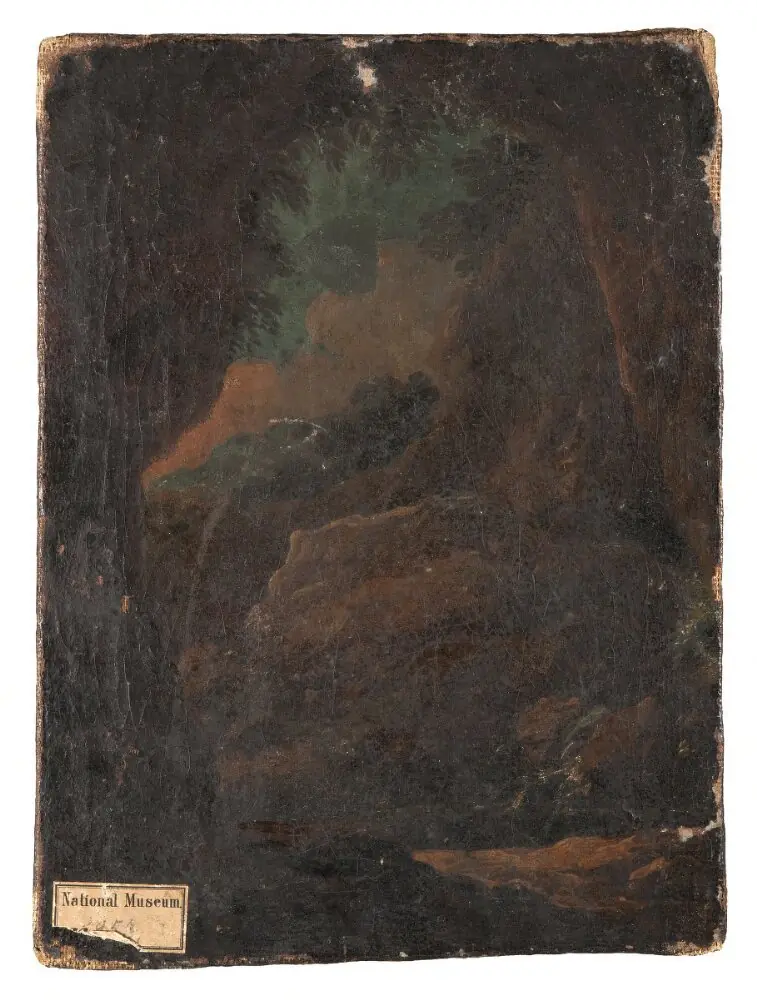
Landscape is an oil painting by the Barbizon school artist Salvator Rosa. It dates from 1654 and is held in the collection of the Ashmolean Museum.
About this work
Overview
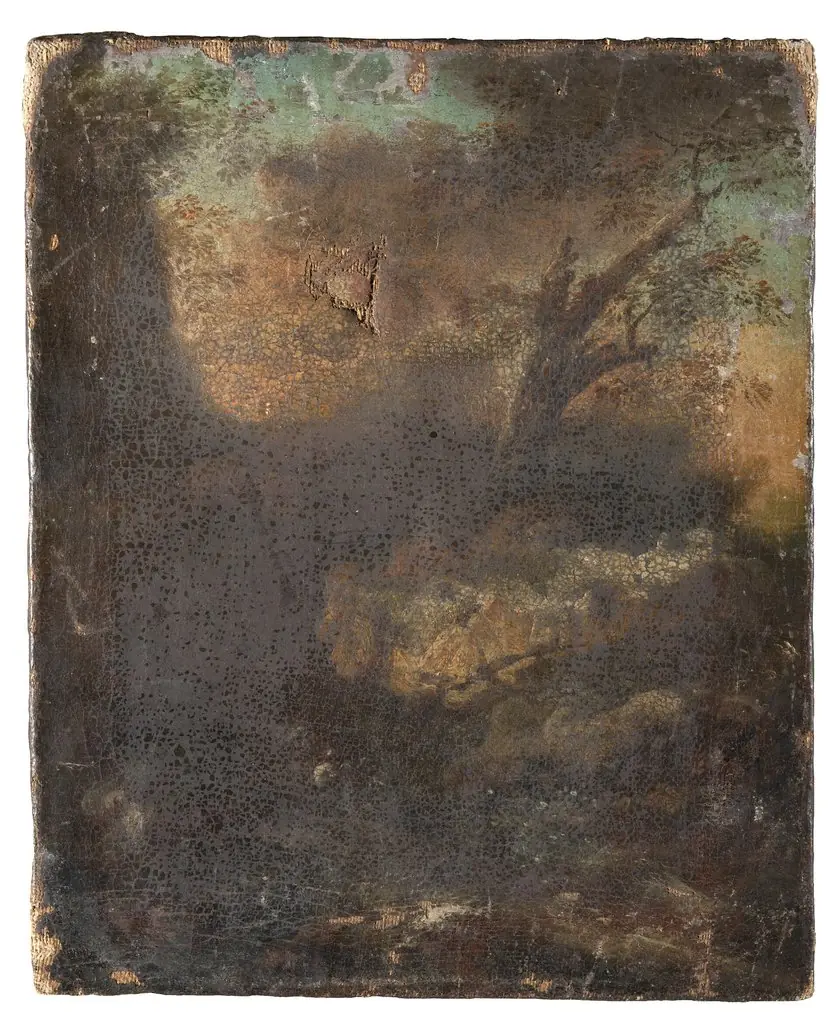
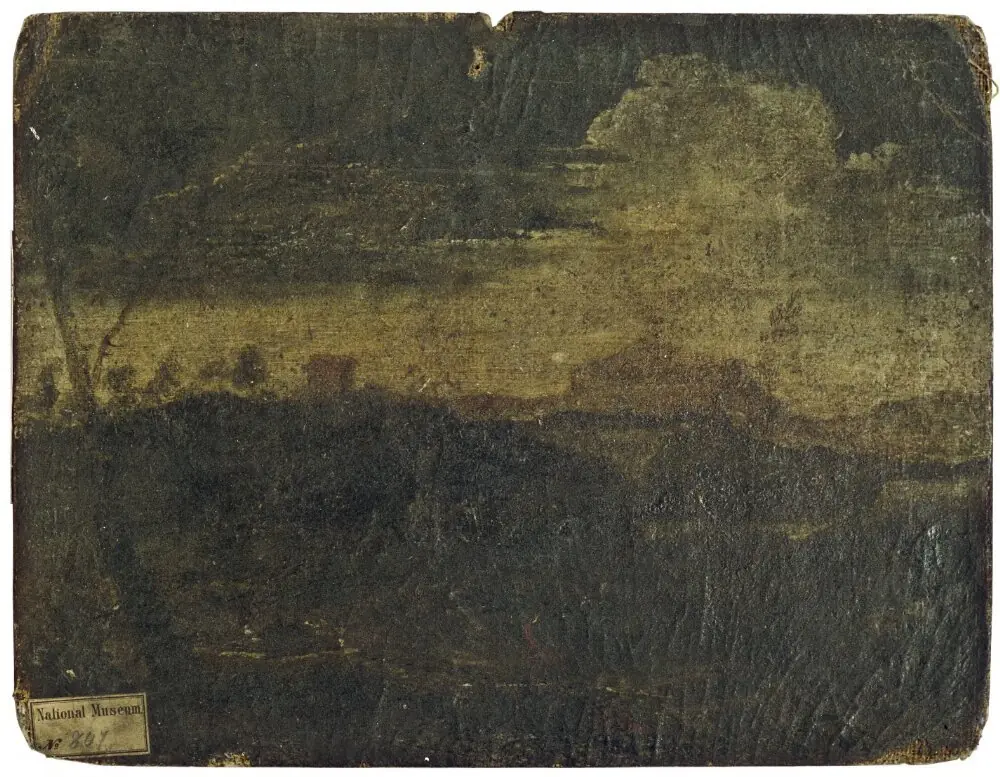
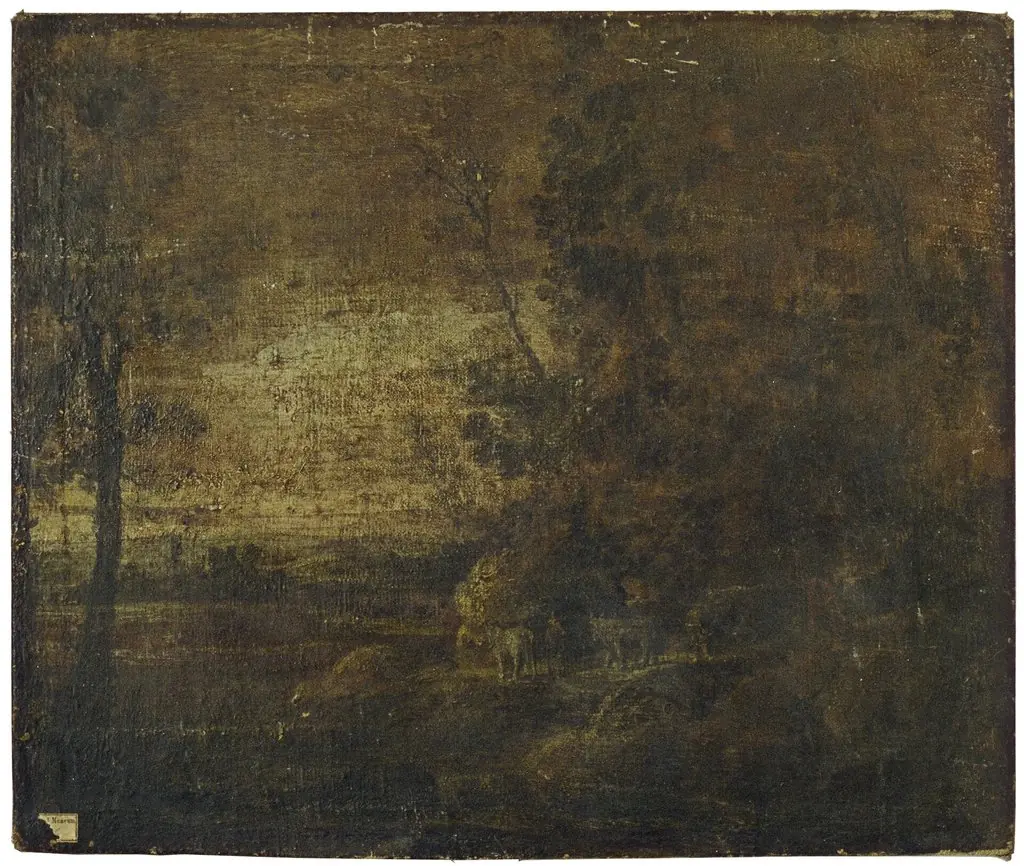
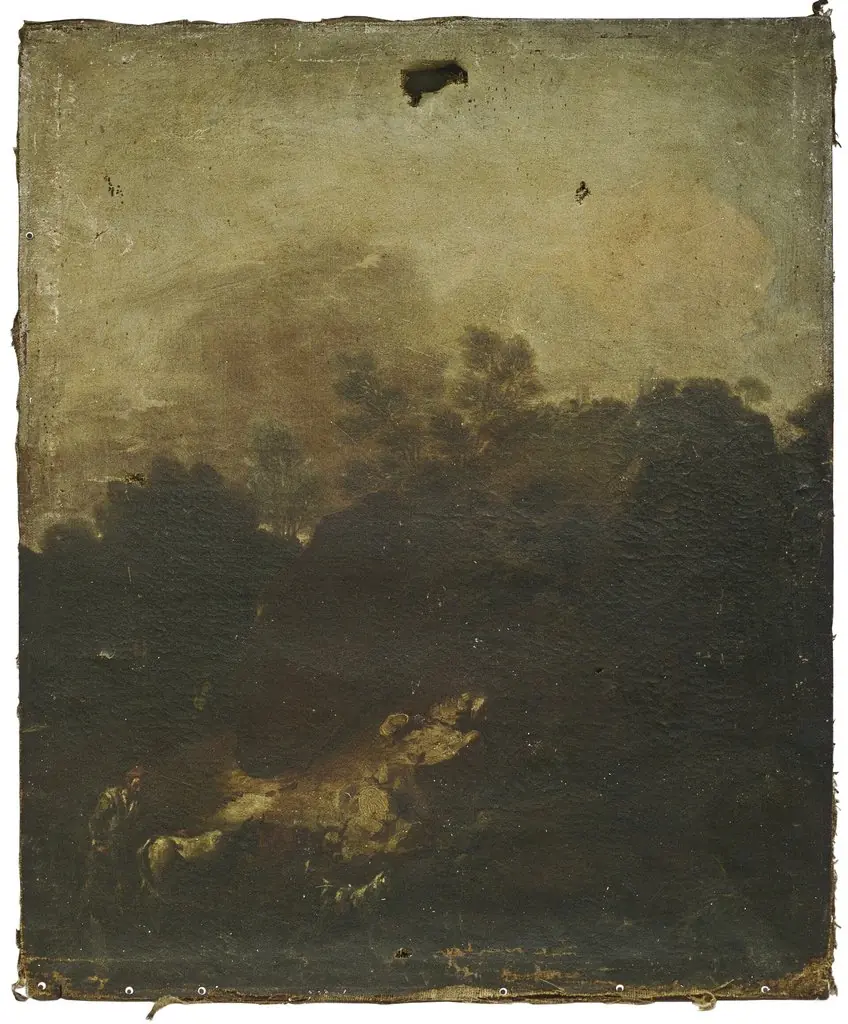
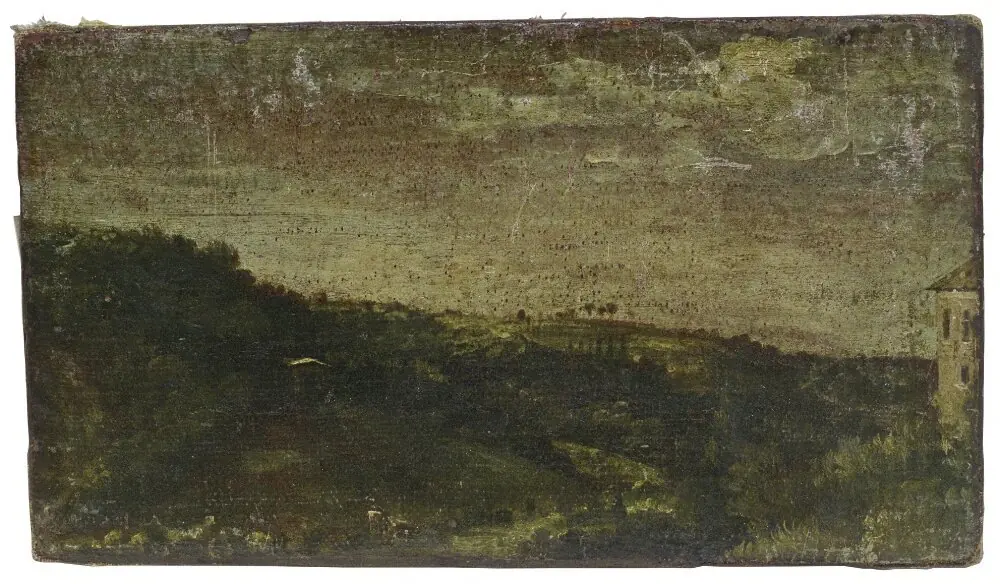
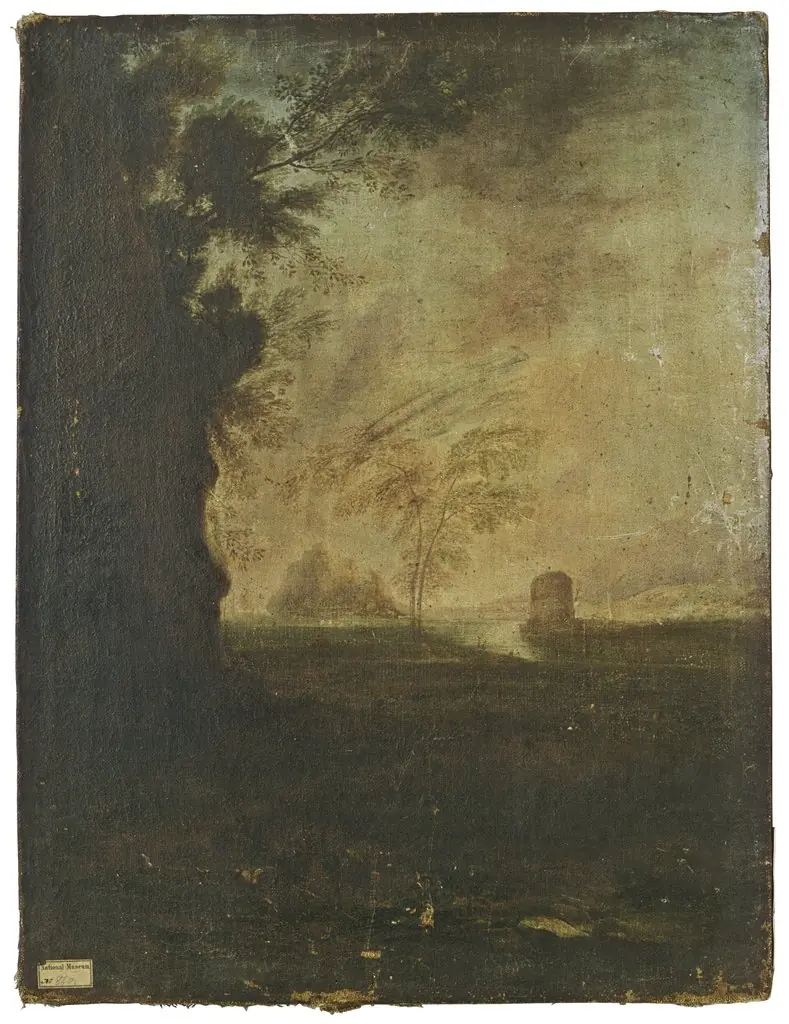
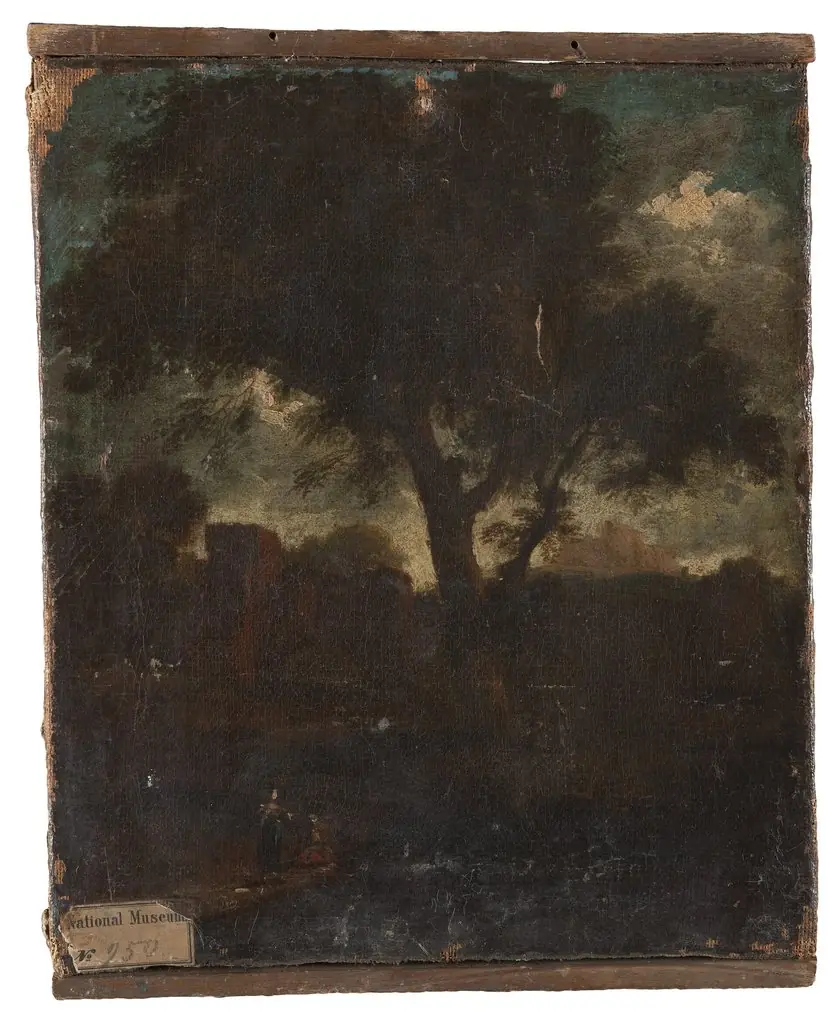
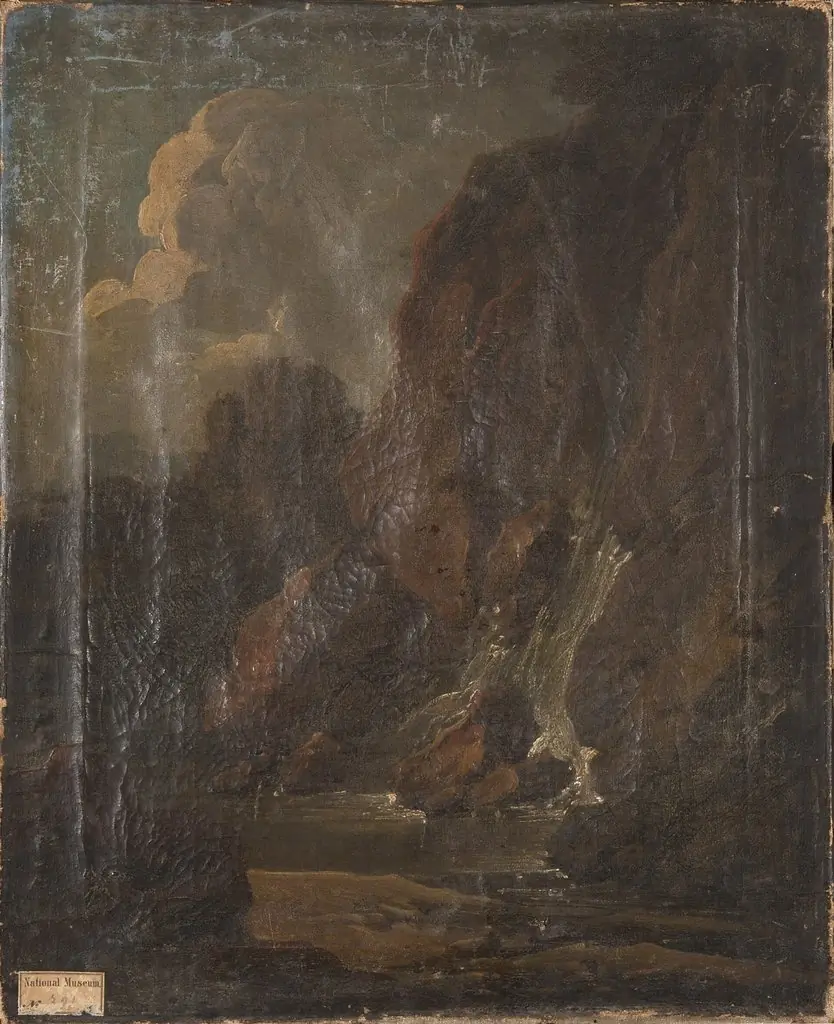
Painted around 1654, this oil-on-canvas landscape is attributed to Salvator Rosa, an Italian artist known for his moody, rugged natural scenes.
Painted around 1654, this oil-on-canvas landscape is attributed to Salvator Rosa, an Italian artist known for his moody, rugged natural scenes. Though the surface is now darkened and worn, the work exemplifies Rosa’s signature approach to landscape: atmospheric, emotionally charged, and deliberately untamed. It resides in the Ashmolean Museum’s collection, where it represents a strand of 17th-century Italian painting that prioritized emotional resonance over idealized beauty.
Subject & Meaning
The scene presents no identifiable landmarks or human figures, focusing instead on an oppressive, shadowed wilderness. Dense foliage, rocky outcrops, and dim light suggest a wild, untamed environment—possibly evoking themes of solitude, the sublime, or the unpredictability of nature. Rosa’s landscapes often rejected pastoral harmony, instead embracing the eerie and the uncivilized as subjects worthy of artistic attention.
Technique & Style
Rosa employed oil paint to build layered, low-contrast tones, favoring deep browns and blacks with faint highlights to suggest distant sky or water. His use of chiaroscuro creates depth without clarity, enhancing the painting’s somber mood. The brushwork is loose in places, suggesting spontaneity, yet the composition remains carefully structured to guide the eye through a receding, ambiguous space.
History & Provenance
The painting has been in the Ashmolean Museum’s collection since at least the 19th century, though its earlier ownership history is not fully documented. Its current condition—darkened varnish and pigment loss—reflects age and possible past restoration attempts. Despite its faded state, it has remained a consistent example of Rosa’s landscape style in institutional holdings.
Context
In mid-17th-century Italy, most landscape painting favored classical order or idealized vistas. Rosa diverged by portraying nature as wild and psychologically intense, anticipating later Romantic sensibilities. His work was known among collectors and artists across Europe, influencing later generations who sought to depict nature’s raw power rather than its harmony.
Legacy
Though less celebrated than contemporaries like Claude Lorrain, Rosa’s landscapes contributed to a broader shift in how nature was perceived in art. His emphasis on drama, obscurity, and emotional weight laid groundwork for 18th- and 19th-century movements that valued the sublime. This painting, despite its physical deterioration, endures as a quiet testament to that alternative tradition.
Artist & collection
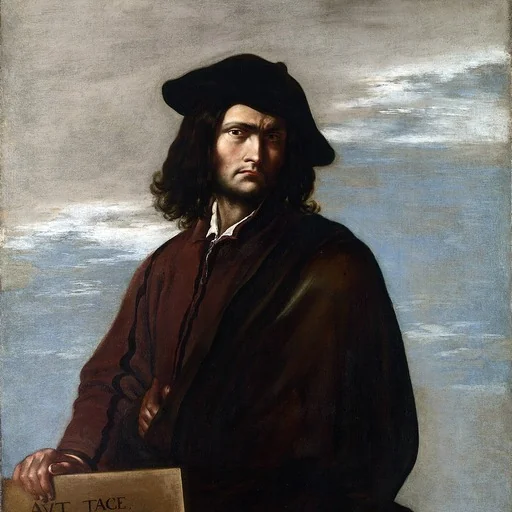
Artist
Salvator Rosa (1615 – 15 March 1673) is best known today as an Italian Baroque painter, whose romanticised landscapes and history paintings, often set in dark and untamed nature, exerted considerable influence from the 17th century into…