Artwork
Mountainous Landscape
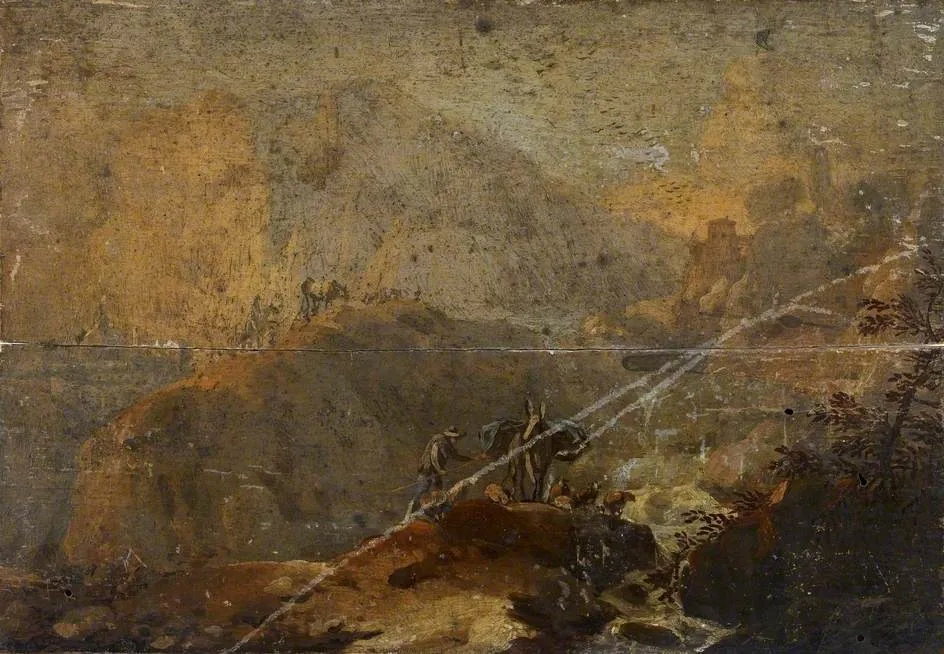
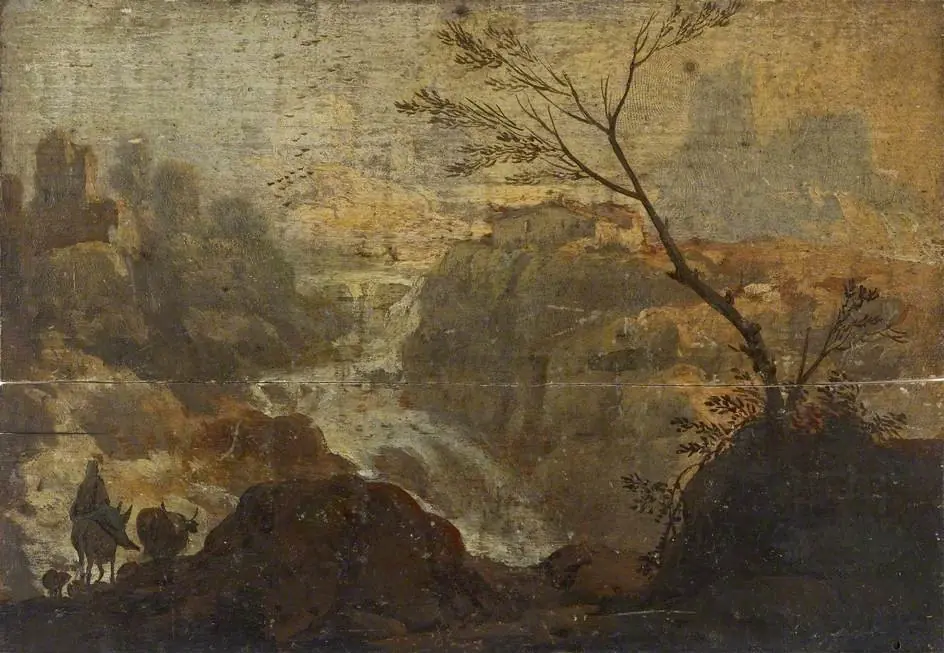
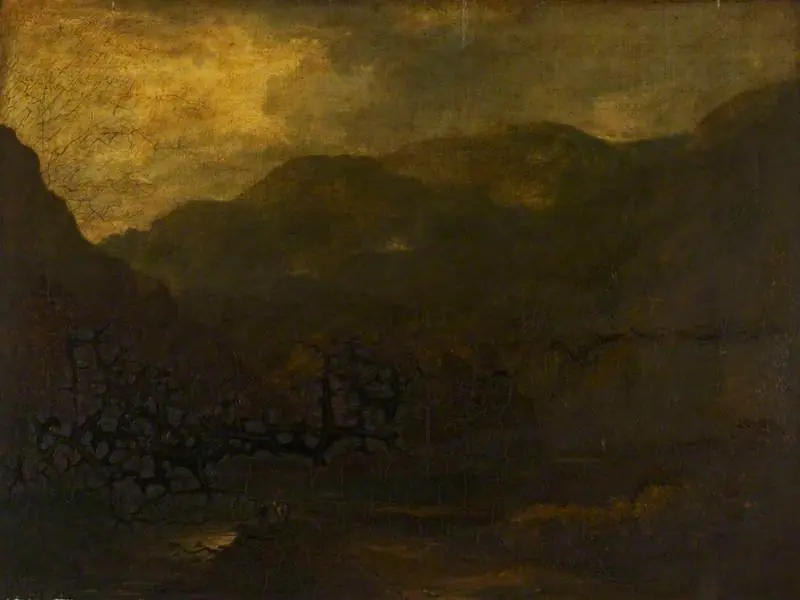
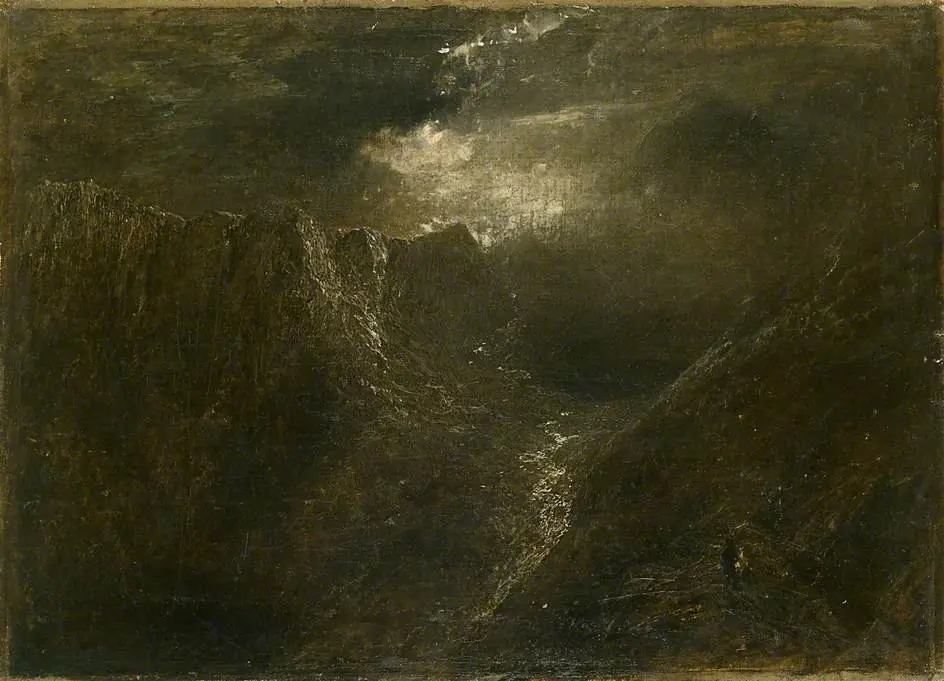
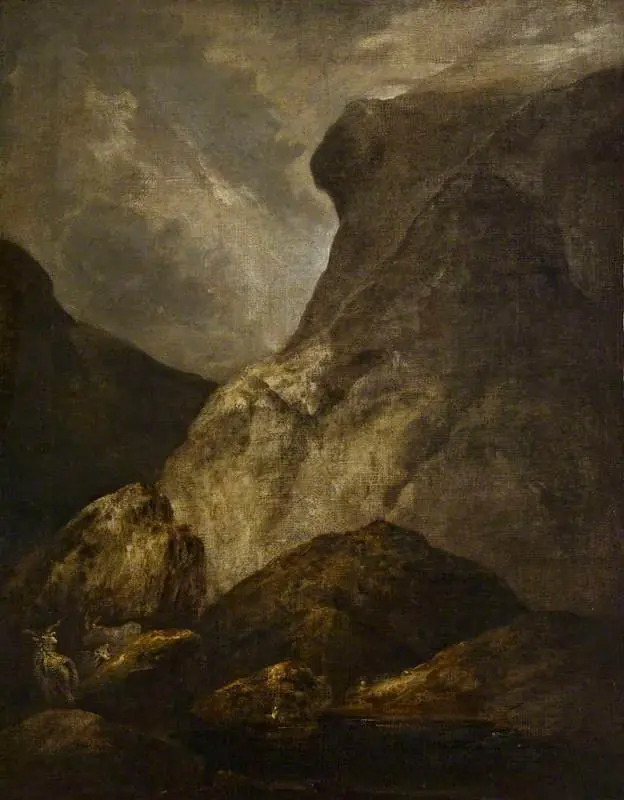
Mountainous Landscape is an oil painting by the Barbizon school artist Salvator Rosa. It dates from 1654 and is held in the collection of the Ashmolean Museum.
About this work
Overview
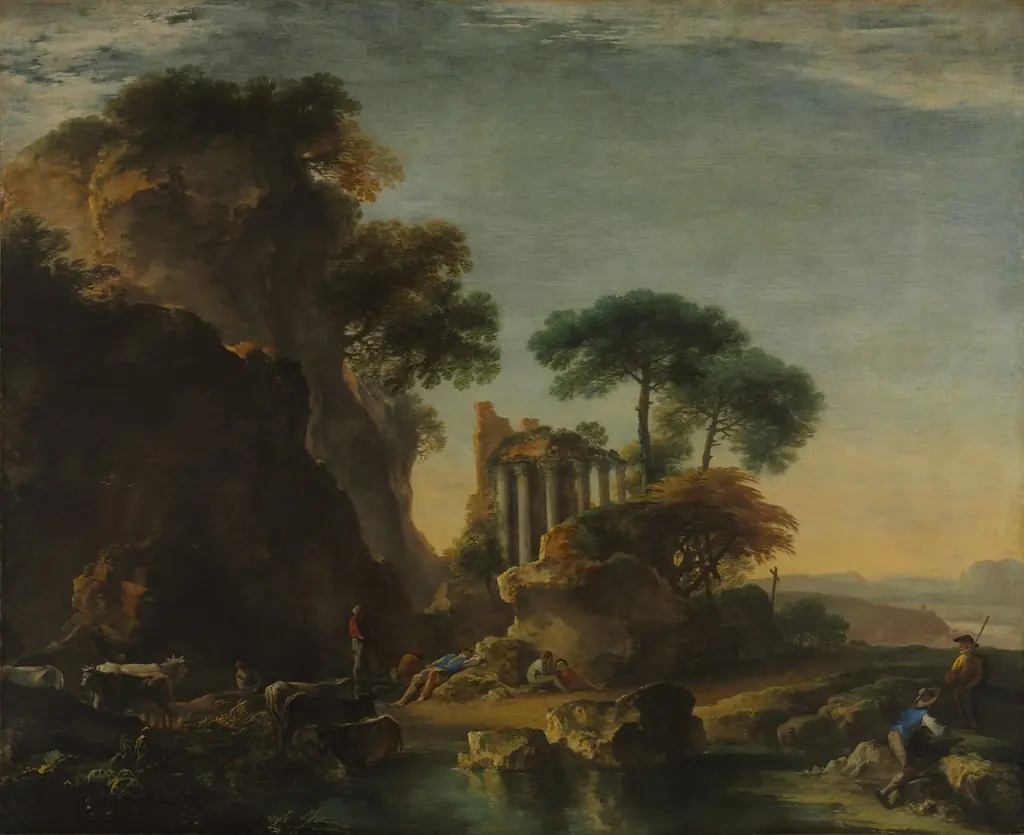
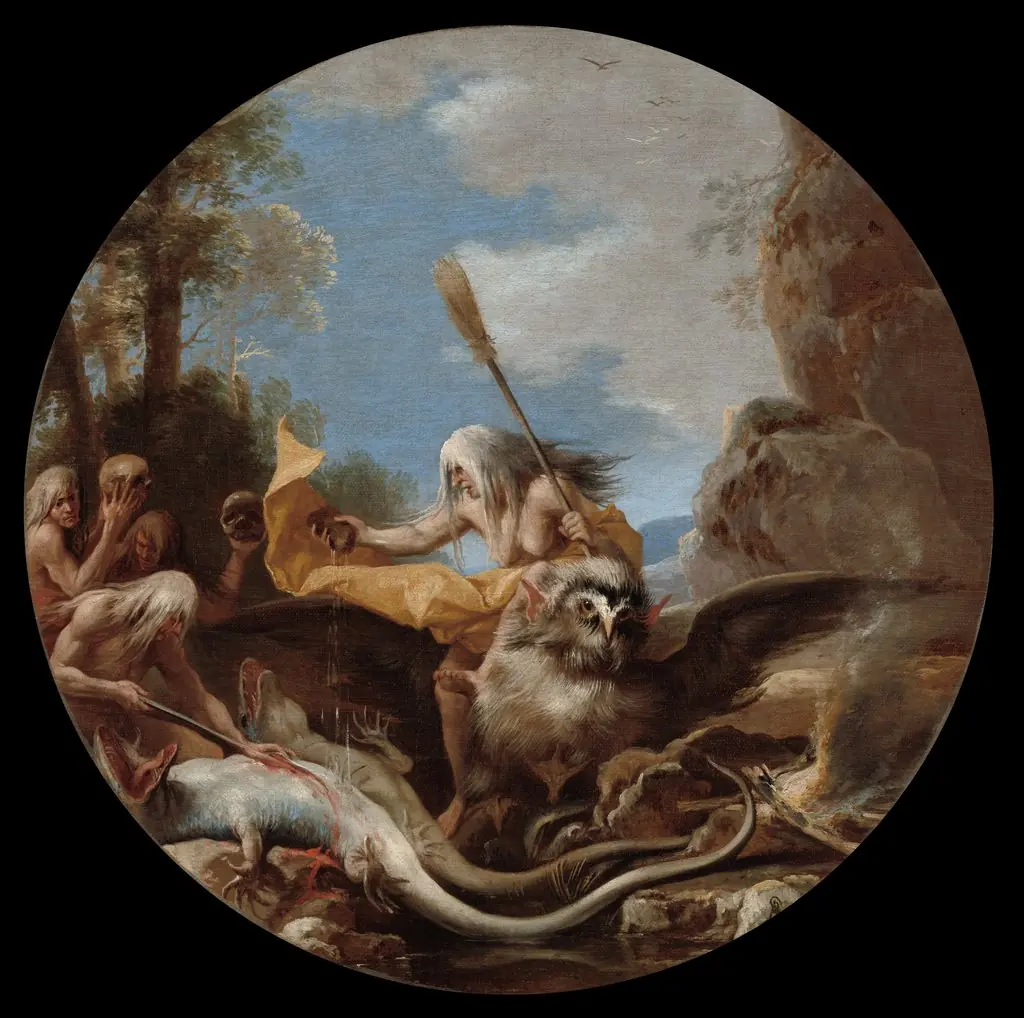
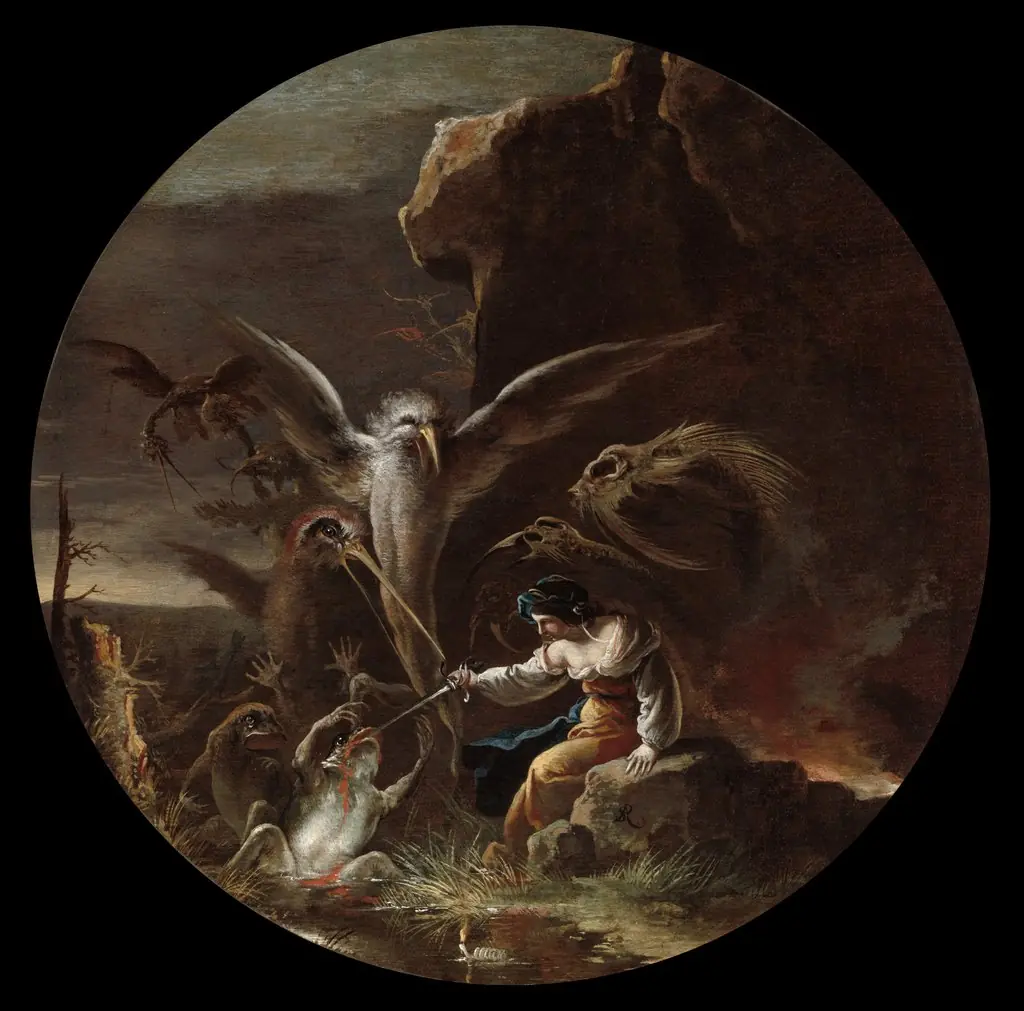
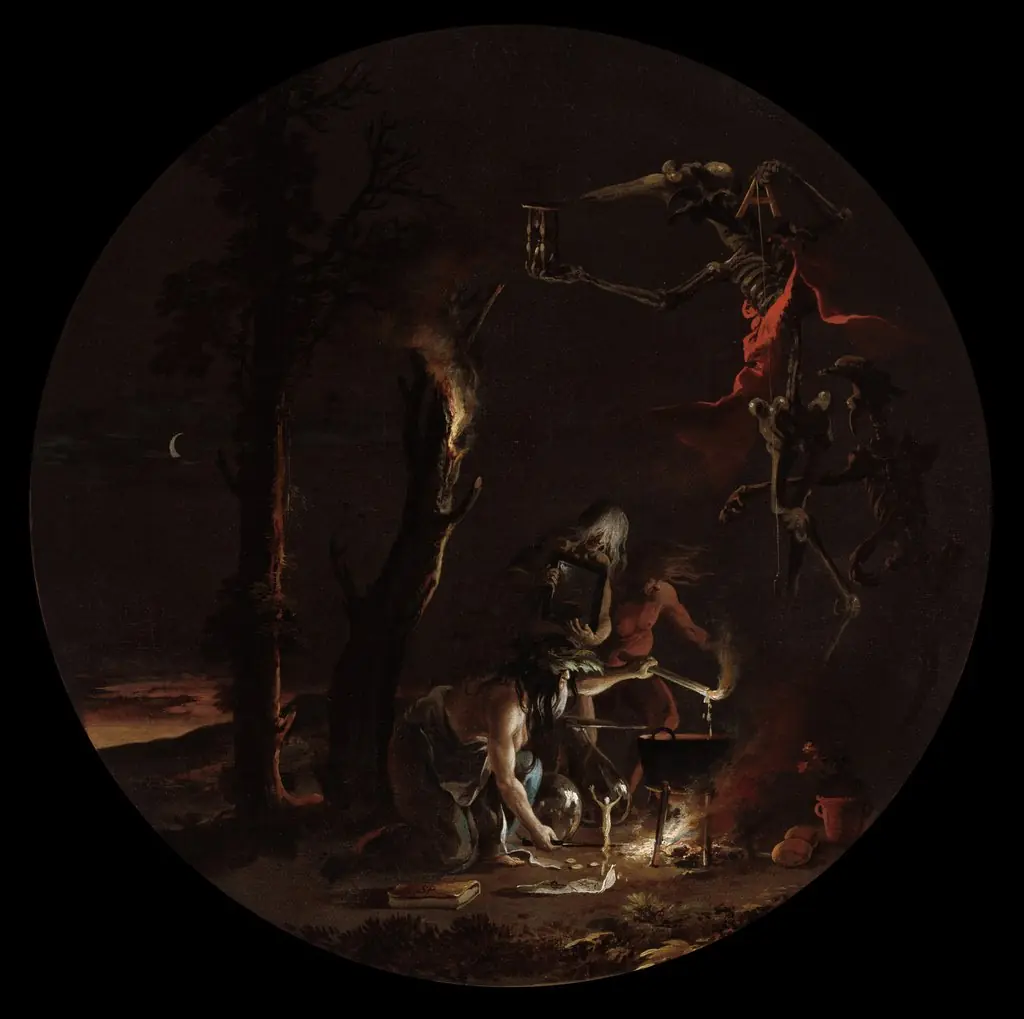
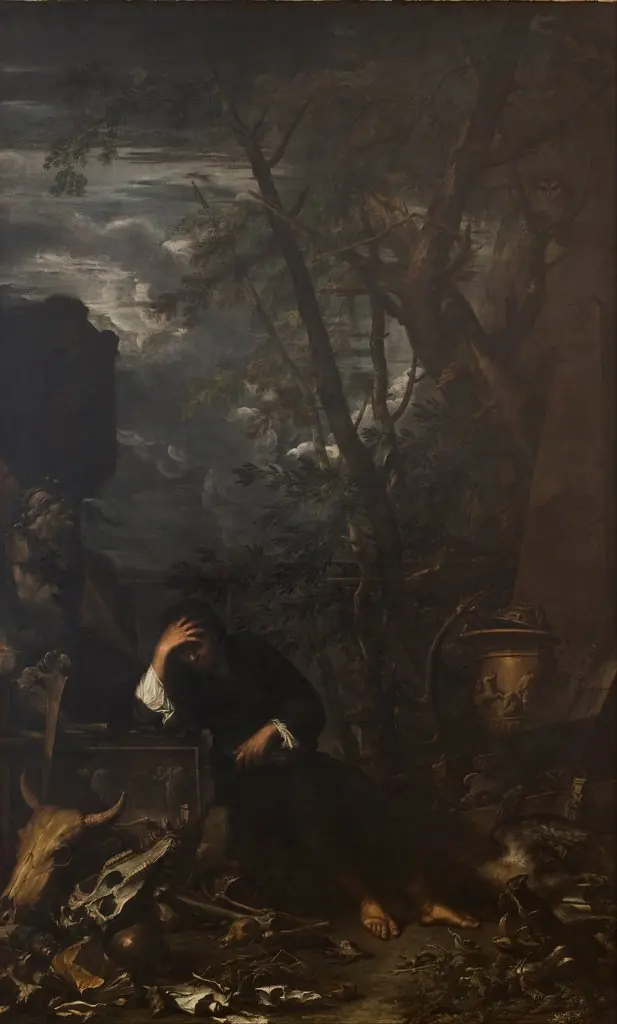
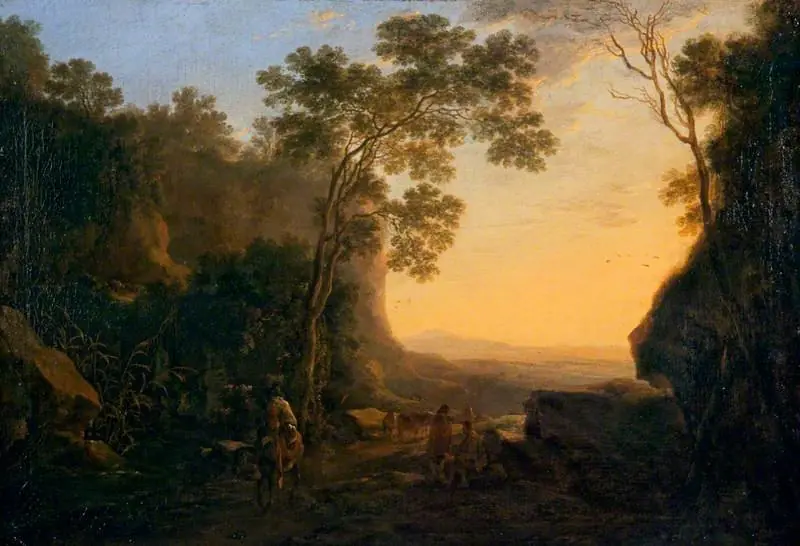
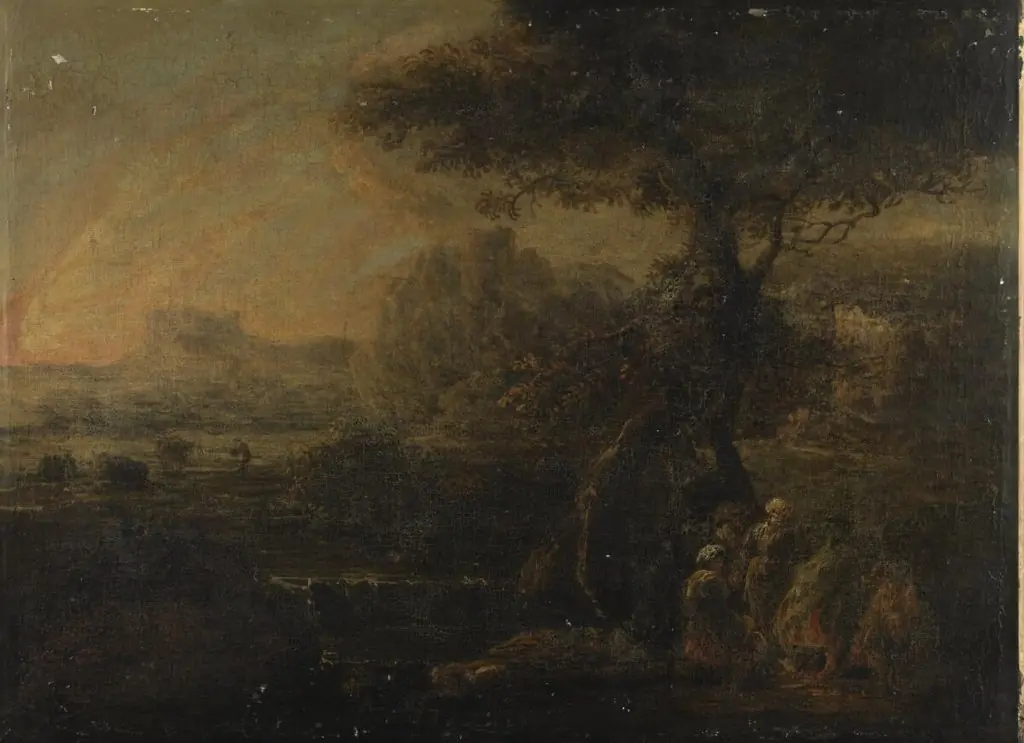
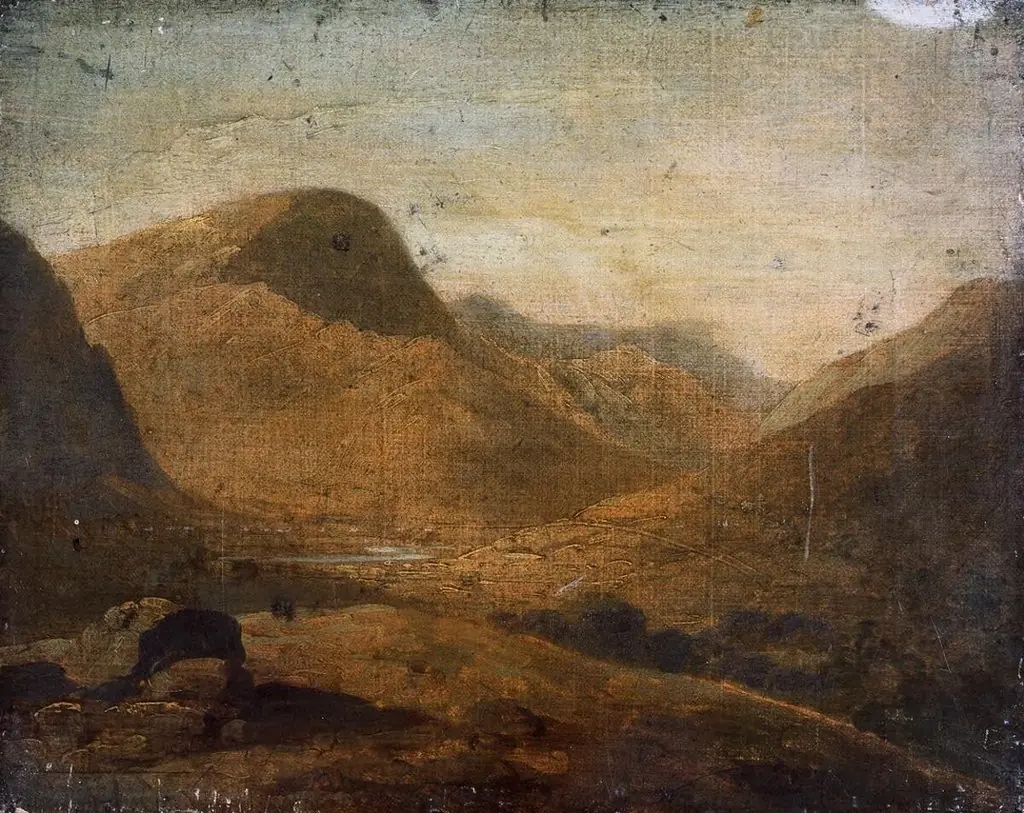
Created circa 1654 by the Italian Baroque artist Salvator Rosa, this oil painting presents a stark, mountainous terrain rendered in a somber palette of browns and grays. The composition draws the eye upward toward craggy peaks, while a small group of figures huddled around a fire occupies the lower foreground, providing a human scale to the vast natural setting.
Subject & Meaning
The work juxtaposes the untamed grandeur of the highlands with a modest gathering of people, suggesting a contemplation of humanity’s place within an indifferent wilderness. The firelight illuminates the figures, emphasizing their vulnerability and perhaps hinting at themes of survival, awe, and the romantic allure of remote, rugged landscapes that were popular in 17th‑century imagination.
Technique & Style
Rosa employs vigorous, loosely applied brushwork that conveys the texture of rock and foliage, while a pronounced chiaroscuro model creates depth and dramatic contrast between illuminated peaks and shadowed valleys. The overall tone is muted, reinforcing a moody atmosphere; the expressive handling of paint aligns the piece with later naturalist tendencies, foreshadowing the Barbizon School’s focus on atmospheric realism.
History & Provenance
The painting entered the collection of the Ashmolean Museum, where it remains on display. Its attribution to Rosa, a painter known for dramatic, often mythic landscapes, situates the work within his broader oeuvre of scenes that blend realistic observation with theatrical composition, reflecting his itinerant career across Naples, Rome, and Florence.
Artist & collection
Artist
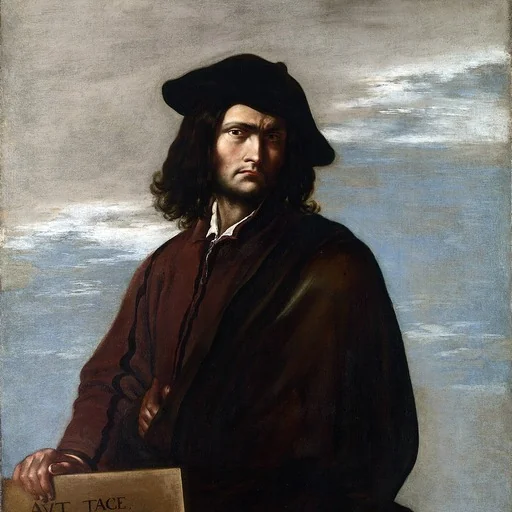
Salvator Rosa (1615 – 15 March 1673) is best known today as an Italian Baroque painter, whose romanticised landscapes and history paintings, often set in dark and untamed nature, exerted considerable influence from the 17th century into…