Artwork
Polycrates and the Fisherman
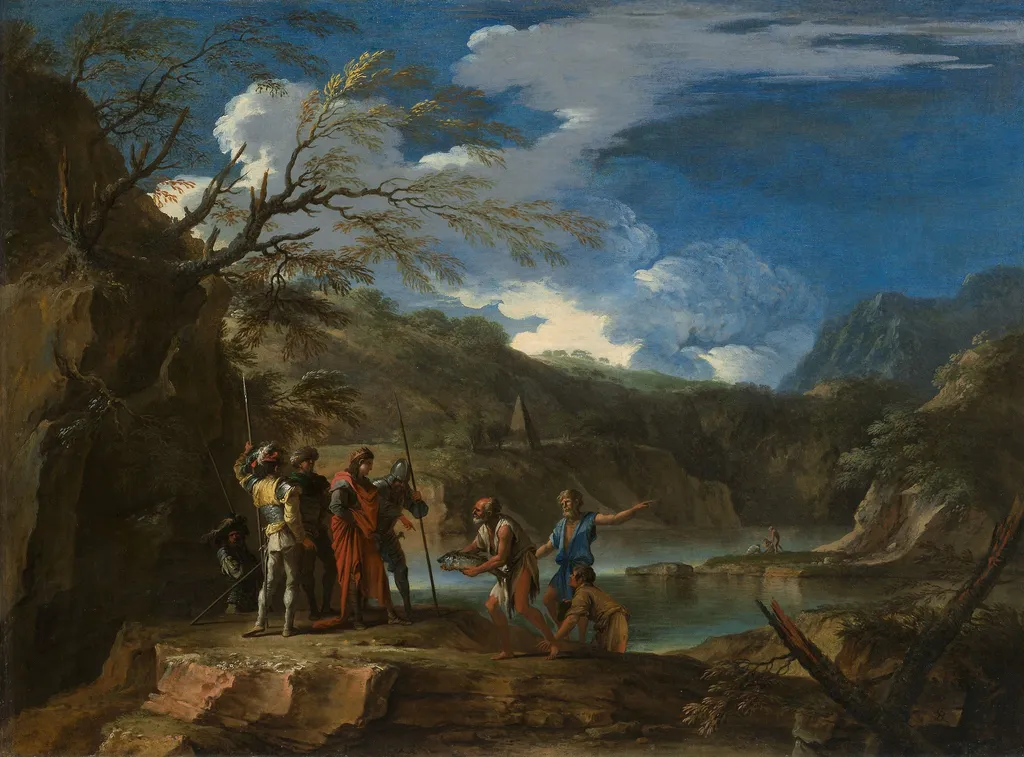
Polycrates and the Fisherman is an oil painting by the High Baroque Italian artist Salvator Rosa. It dates from 1664 and is held in the collection of the Art Institute of Chicago.
About this work
Overview
Rosa, known for his intense landscapes and historical narratives, infused this piece with the emotional gravity characteristic of his mature style.
Painted in 1664, *Polycrates and the Fisherman* is an oil-on-canvas work by Salvator Rosa, created during the High Baroque era in Italy. Rosa, known for his intense landscapes and historical narratives, infused this piece with the emotional gravity characteristic of his mature style. The painting depicts a moment from ancient history, rendered with a sense of theatrical tension and natural grandeur, reflecting his preference for dramatic, untamed settings over idealized classical scenes.
Subject & Meaning
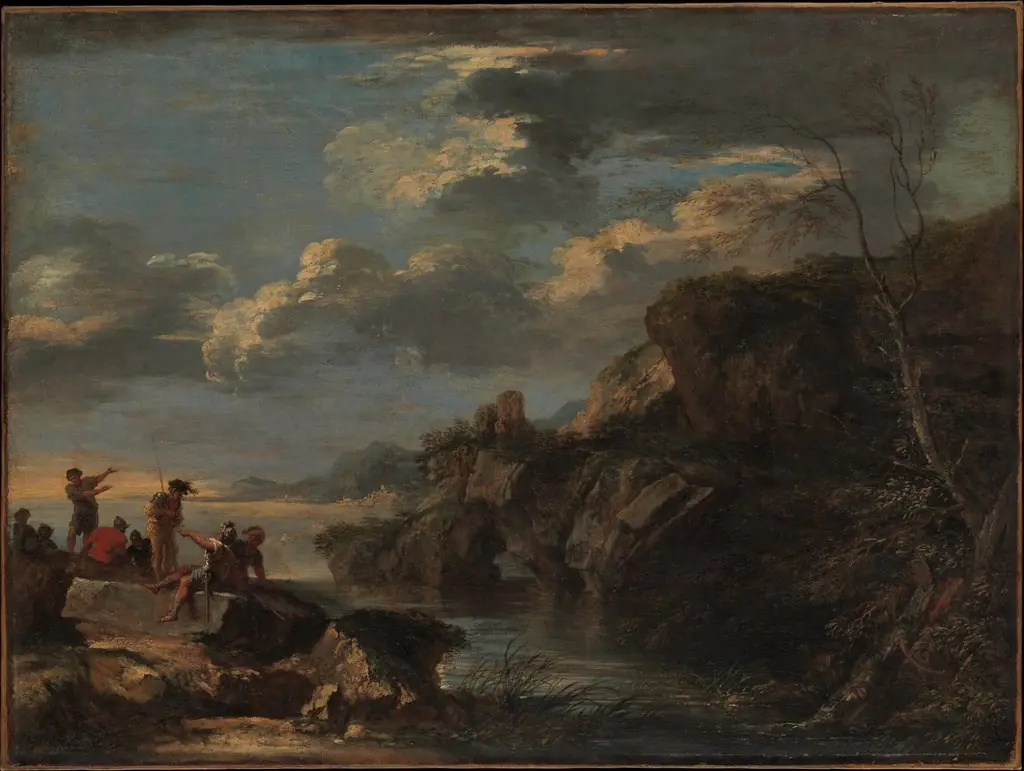
The scene illustrates the legend of Polycrates, tyrant of Samos, who, fearing divine envy of his fortune, threw a prized ring into the sea. It was later returned to him inside the belly of a fish caught by a fisherman. Rosa captures the moment of revelation, as the fisherman presents the fish and the ring, while Polycrates and his retinue react with shock or dread. The narrative underscores themes of fate, hubris, and the unpredictability of fortune.
Technique & Style
Rosa employs chiaroscuro to sculpt forms from deep shadows and sharp highlights, enhancing the emotional weight of the scene. The figures are arranged dynamically across a rugged shoreline, their gestures charged with urgency. The landscape, rendered with loose, expressive brushwork, dominates the composition, suggesting nature as an indifferent, powerful force. His palette favors earthy tones with restrained accents, reinforcing the somber mood.
History & Provenance
Created during Rosa’s time in Rome, the painting reflects his reputation for intellectual independence and resistance to conventional patronage. It remained in private collections in Italy before entering the Art Institute of Chicago’s holdings in the 20th century. Its survival and preservation reflect its status as a significant example of Rosa’s historical allegories, valued for their psychological depth and compositional complexity.
Context
Rosa worked amid a cultural climate where history painting was dominated by idealized classical themes. He distinguished himself by favoring morally ambiguous tales and wild, untamed environments over polished, orderly compositions. His choice of Polycrates’ story aligns with Baroque interests in fate and human vulnerability, while his rugged landscapes contrast with the serene backdrops favored by contemporaries like Guido Reni.
Legacy
Rosa’s approach influenced later Romantic artists drawn to nature’s sublime power and psychological intensity. *Polycrates and the Fisherman* exemplifies his role in expanding the boundaries of history painting beyond moral clarity into ambiguity and emotional turbulence. The work remains a key reference for understanding how Baroque artists used narrative and landscape to explore human fragility and the forces beyond control.
Own this work as a print
Artist & collection
Artist
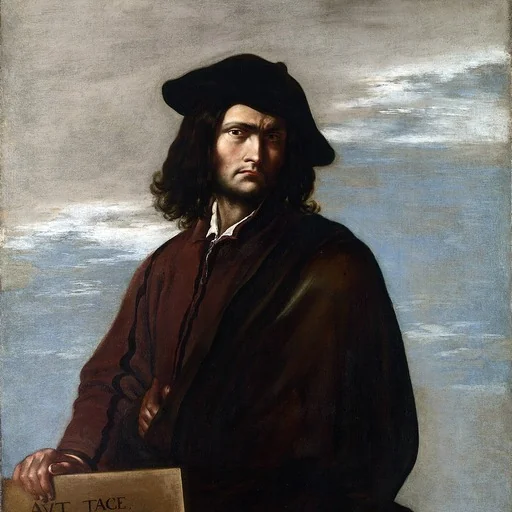
Salvator Rosa (1615 – 15 March 1673) is best known today as an Italian Baroque painter, whose romanticised landscapes and history paintings, often set in dark and untamed nature, exerted considerable influence from the 17th century into…

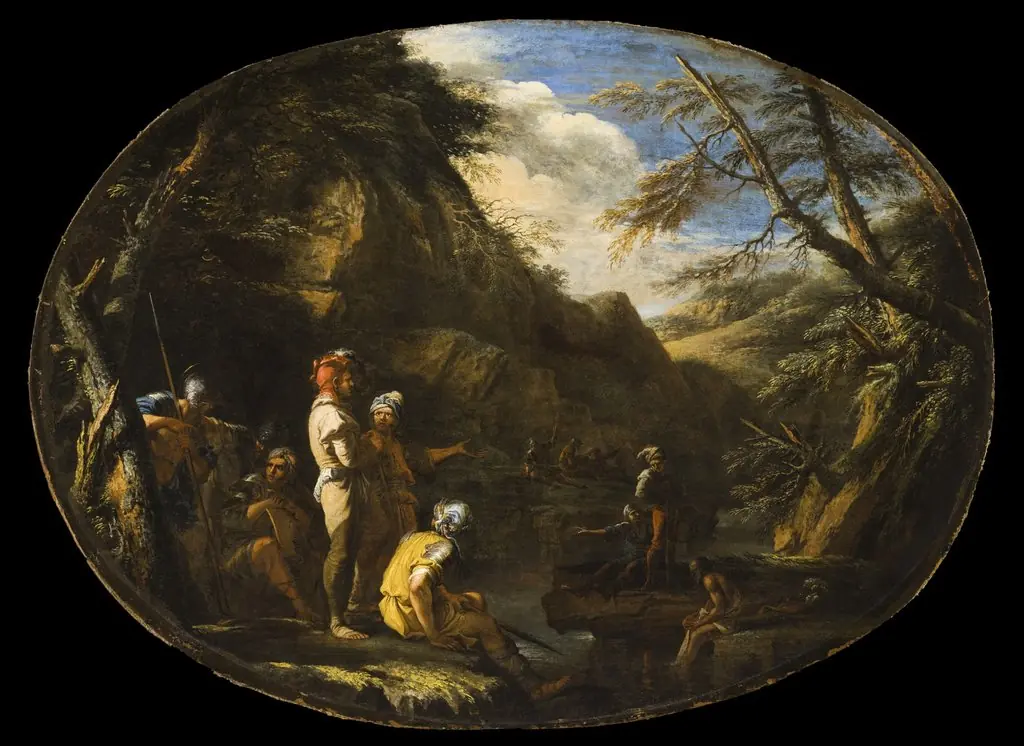 Landscape with Armed Men
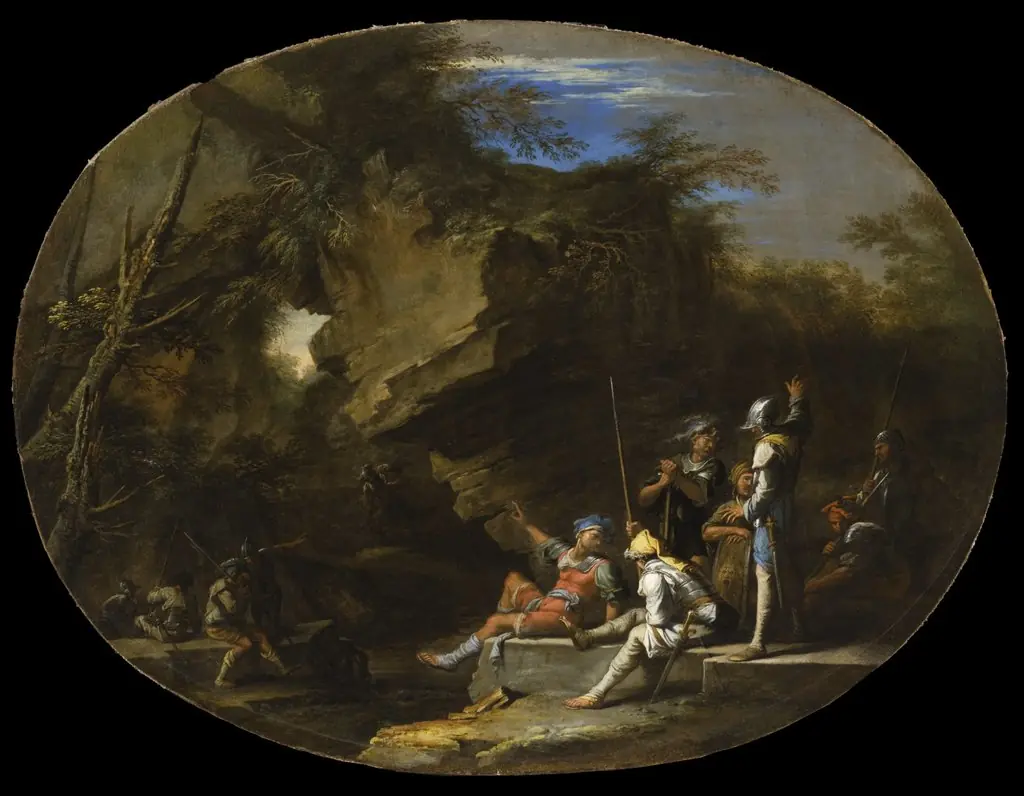 Landscape with Armed Men
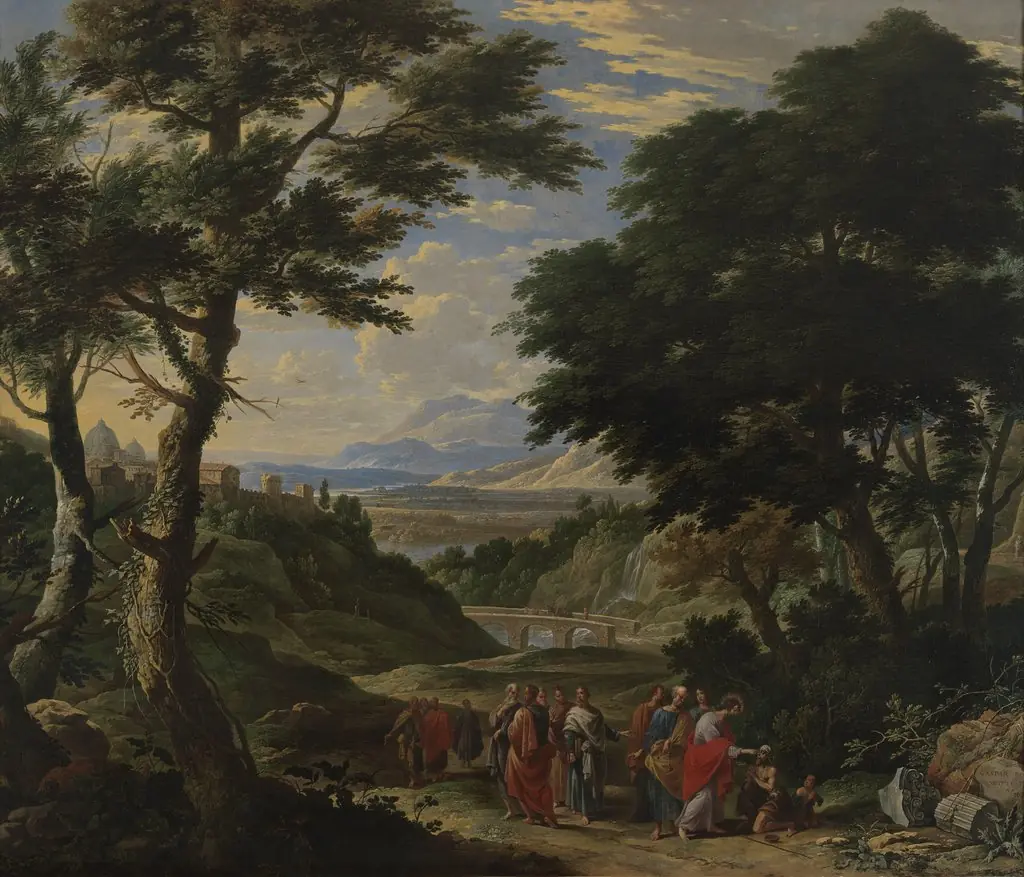 Christ Healing the Blind Man at Jericho
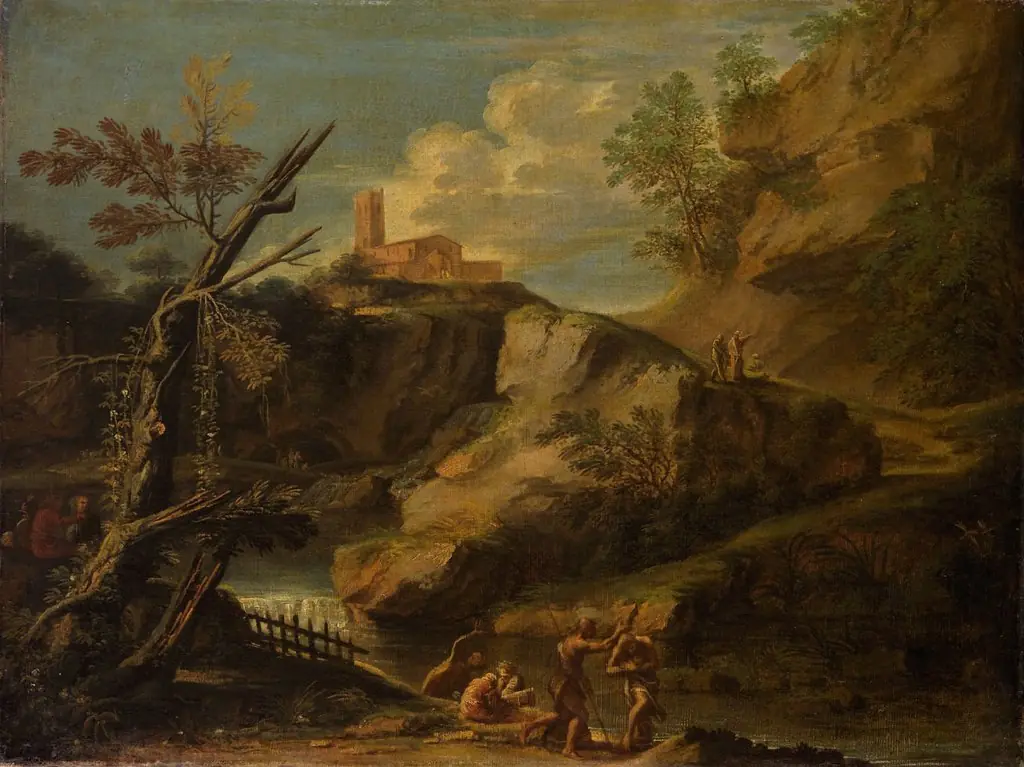 Taufe Christi
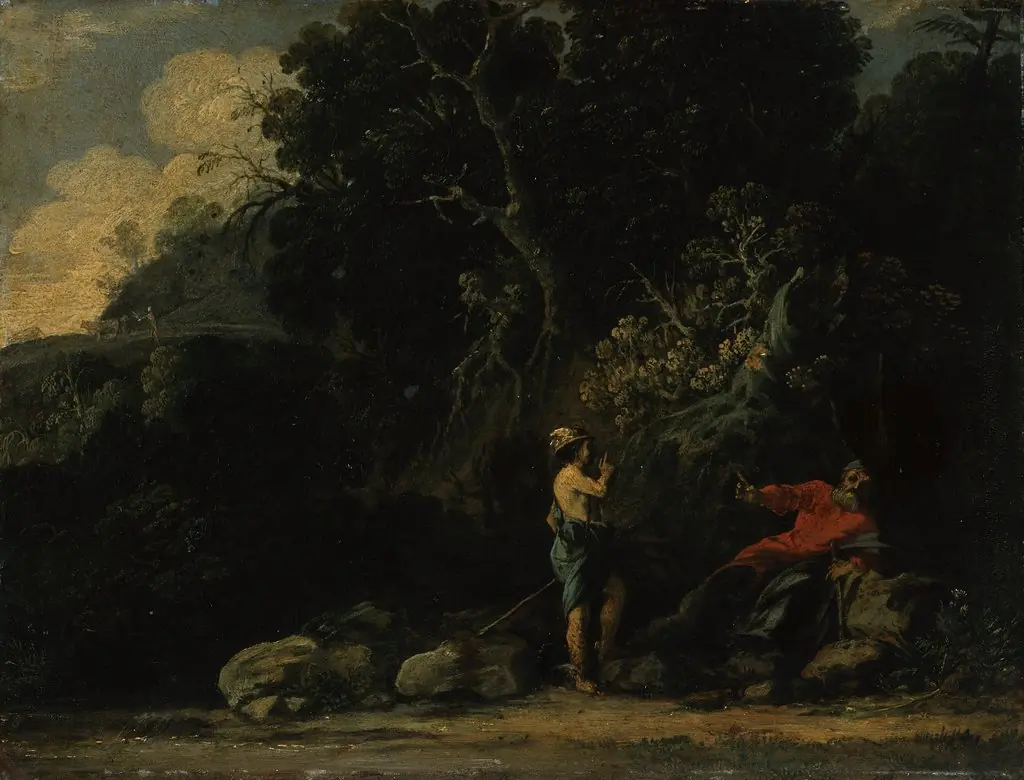 Forest Landscape with Mercury and Battus
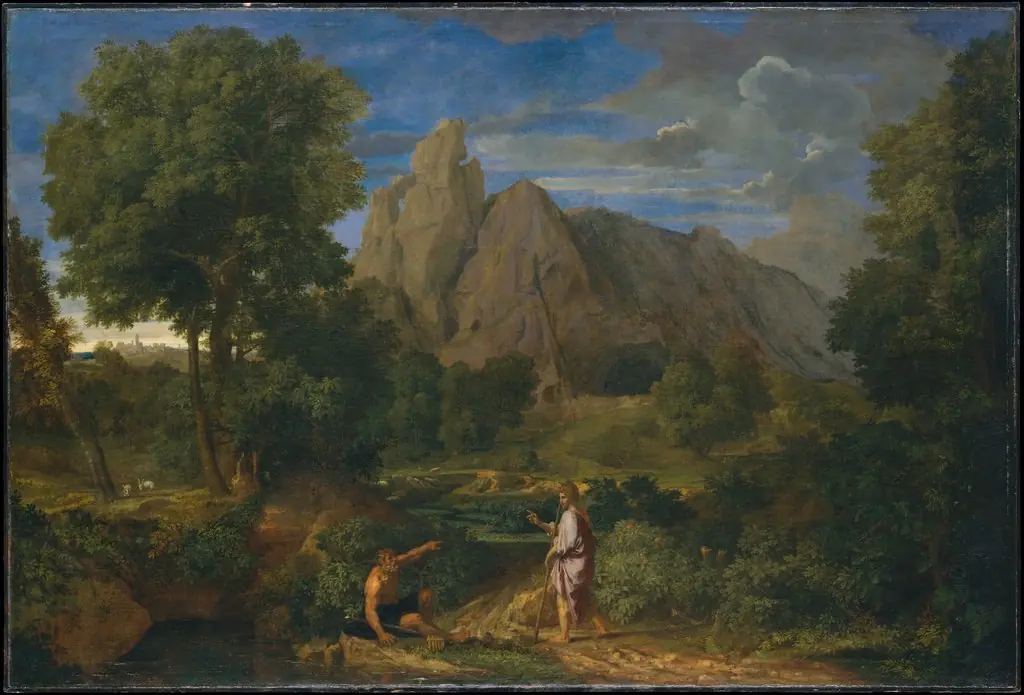 Mercury and Battus
 Forest Landscape "Morning"
 King Midas Judging the Musical Contest between Pan and Apollo
 An Italian Landscape with Staffage from the Latona Story
 Der Morgen