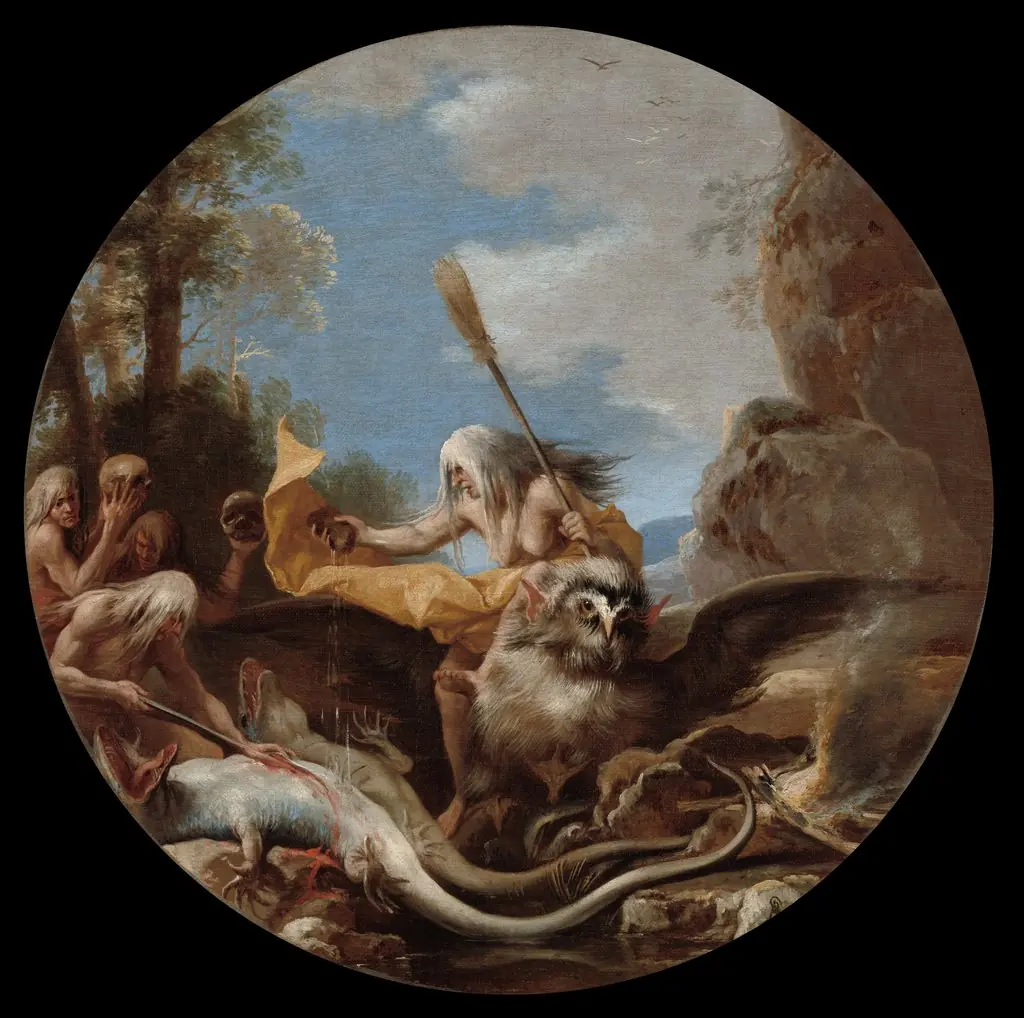
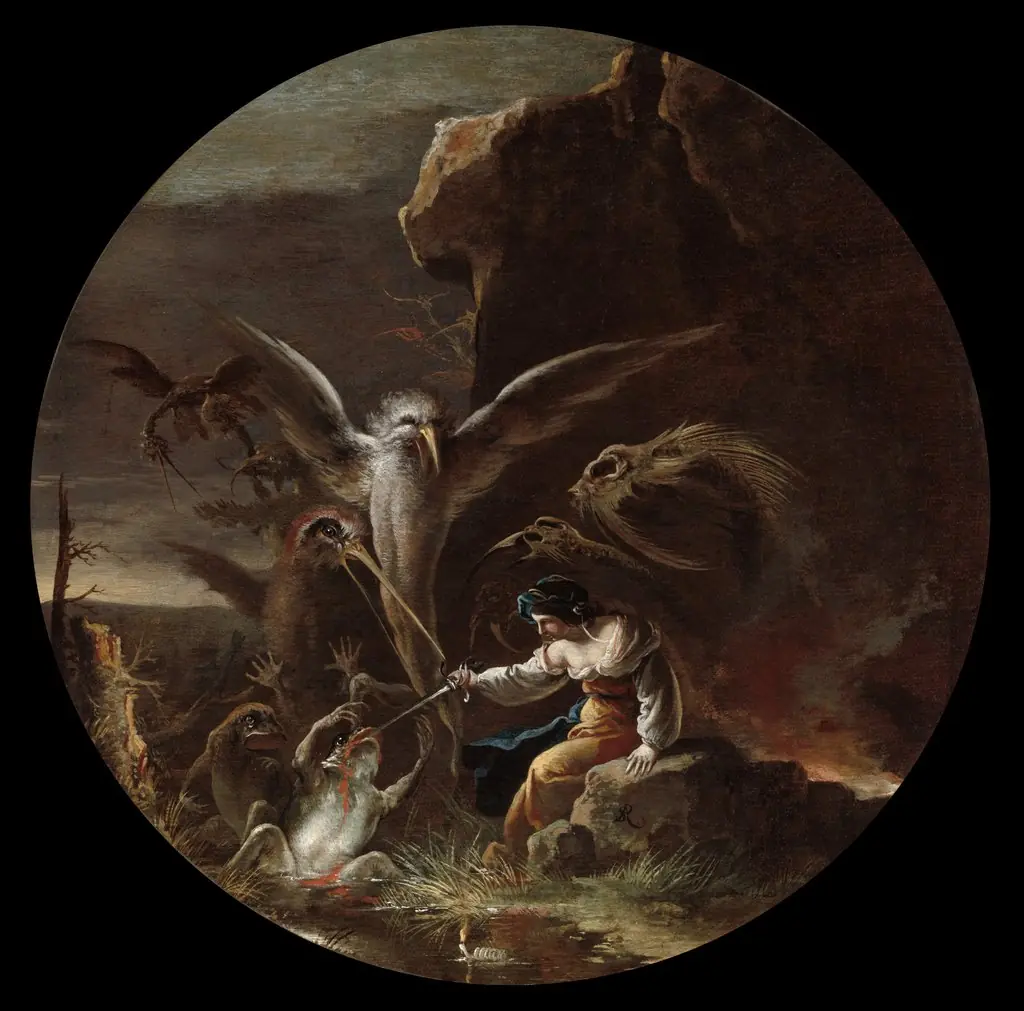
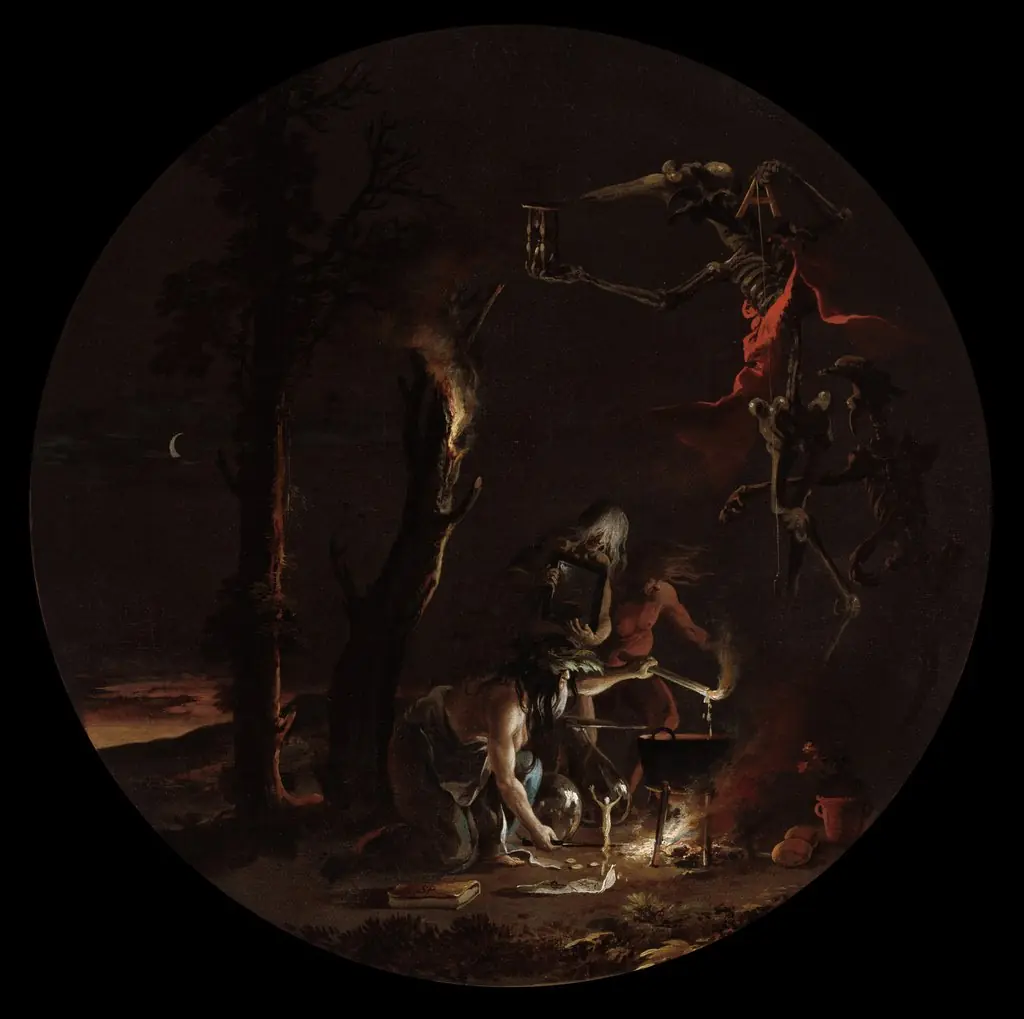
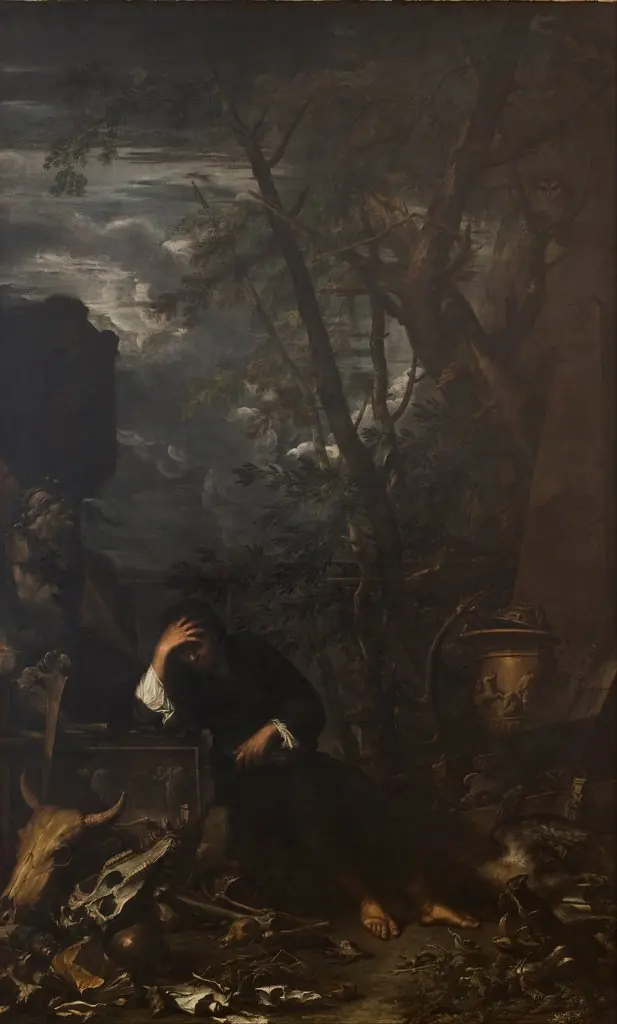
Artwork
Seesturm
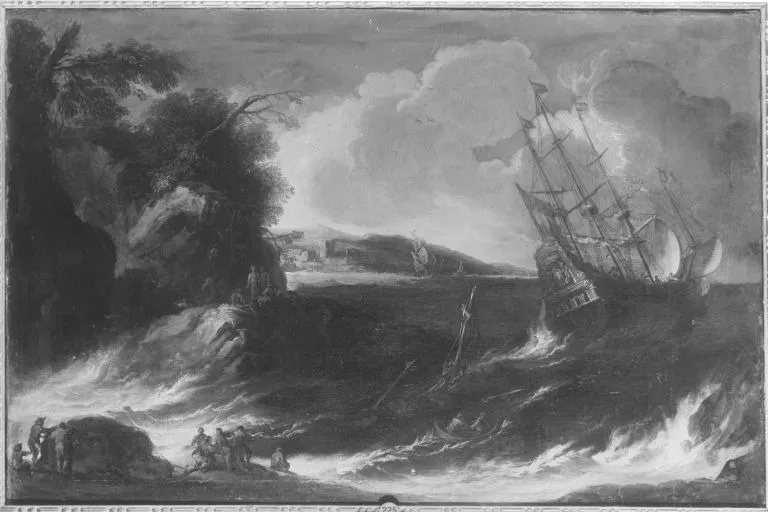
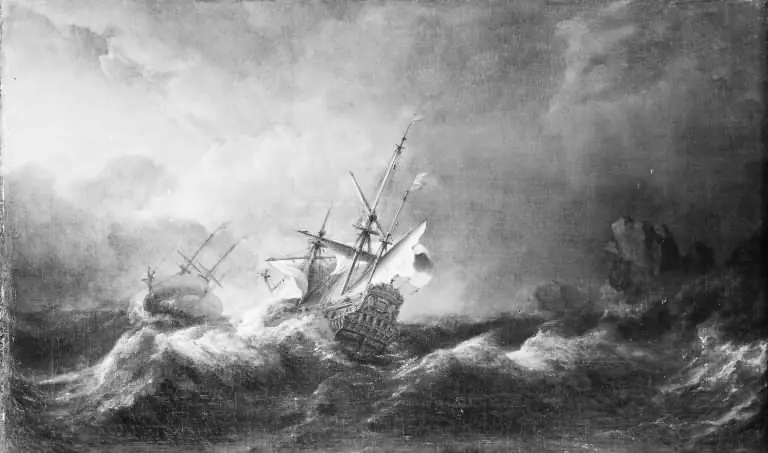
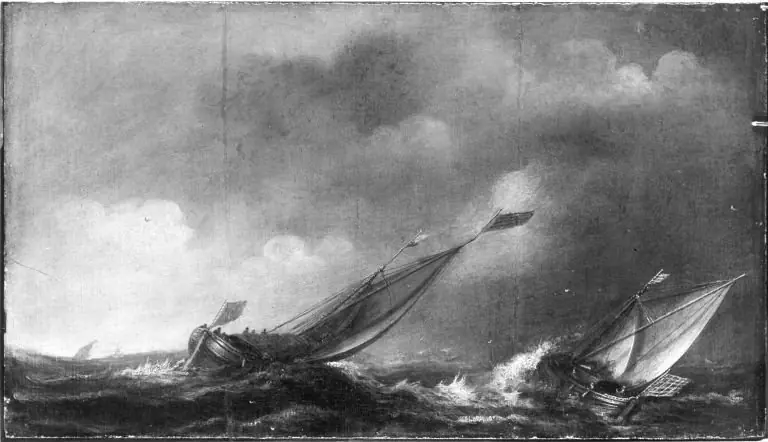
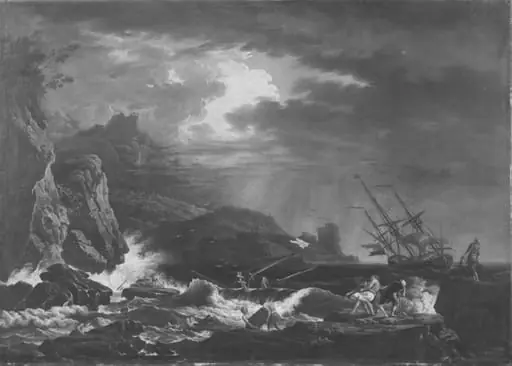
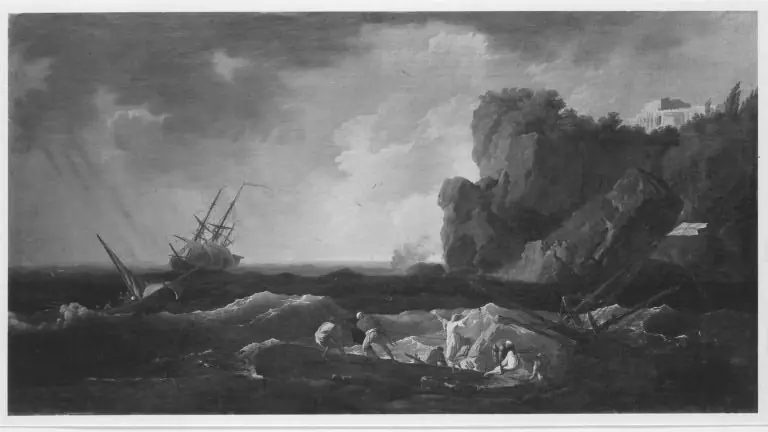
Seesturm is an unspecified painting by the Early Baroque Italian artist Salvator Rosa. It dates from 1644 and is held in the collection of the Bavarian State Painting Collections.
About this work
Overview
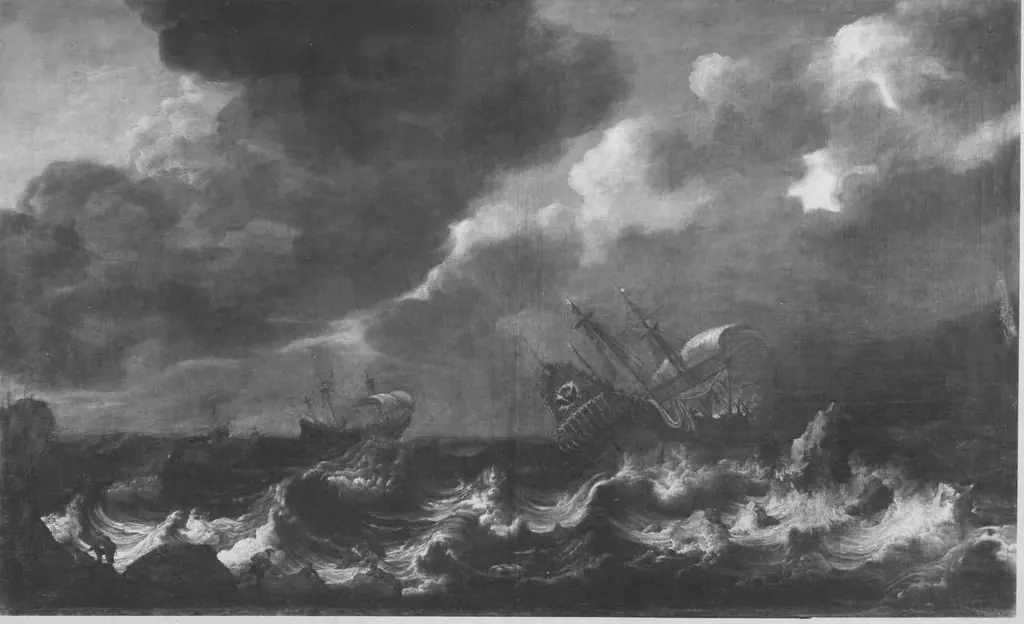
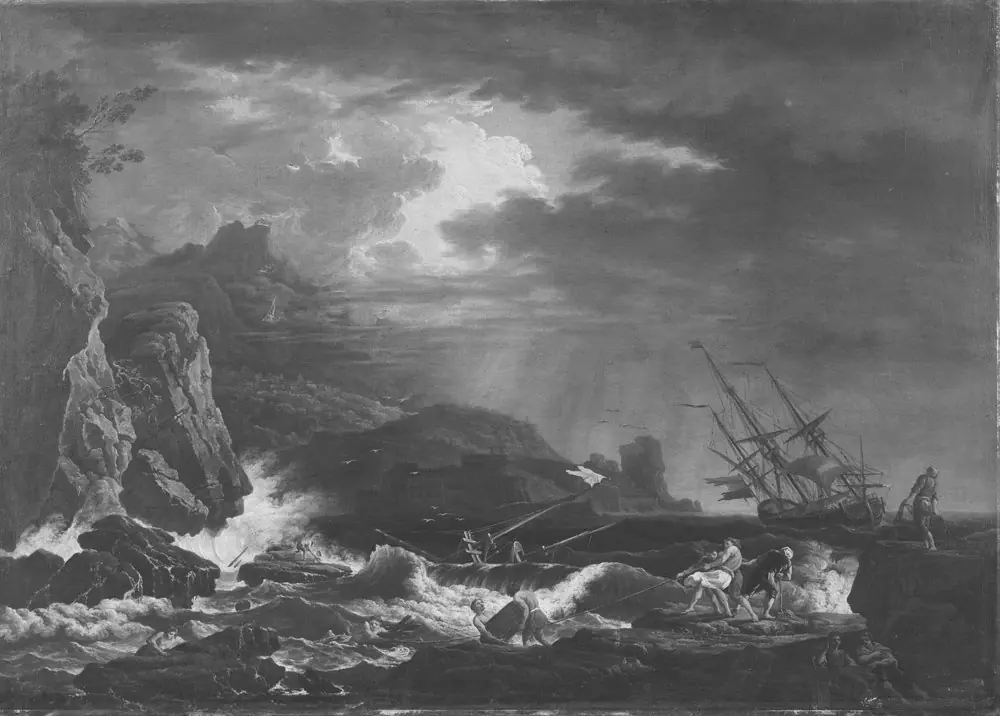
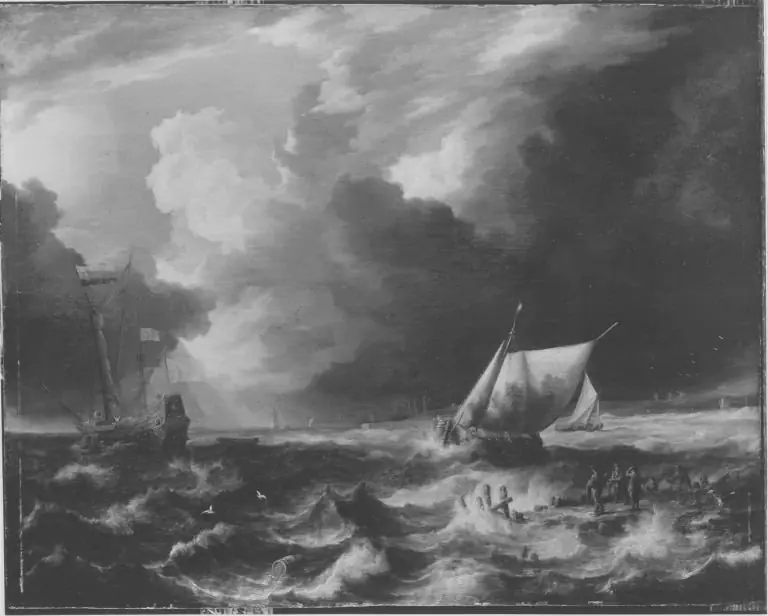
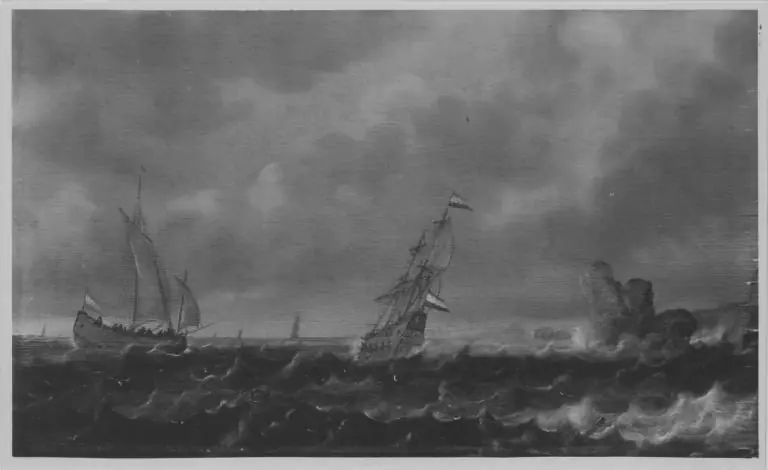
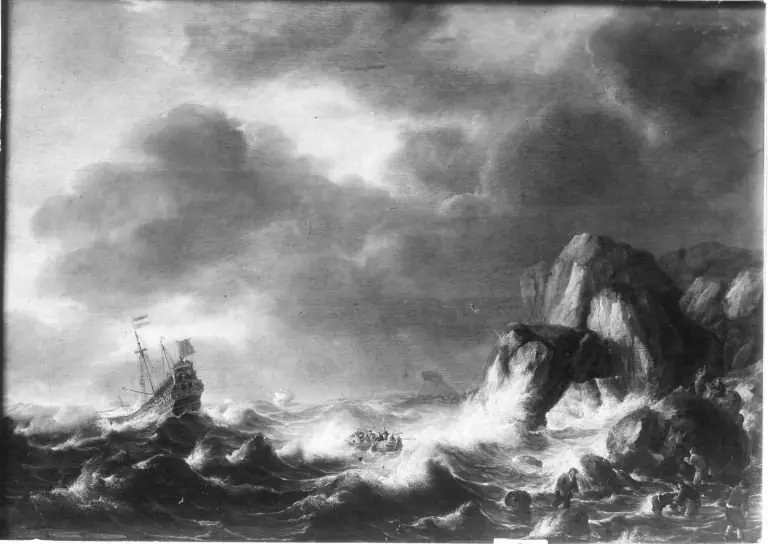
Painted in 1644 by Salvator Rosa, *Seesturm* is a dramatic seascape capturing the violent encounter between human frailty and nature’s force.
Painted in 1644 by Salvator Rosa, *Seesturm* is a dramatic seascape capturing the violent encounter between human frailty and nature’s force. Created during Rosa’s active years in Naples, Rome, and Florence, the work exemplifies his fascination with wild, untamed environments. It resides today in the Alte Pinakothek in Munich, part of a broader body of work that positioned Rosa as a distinctive voice in Baroque art, known for rejecting idealized beauty in favor of emotional intensity.
Subject & Meaning
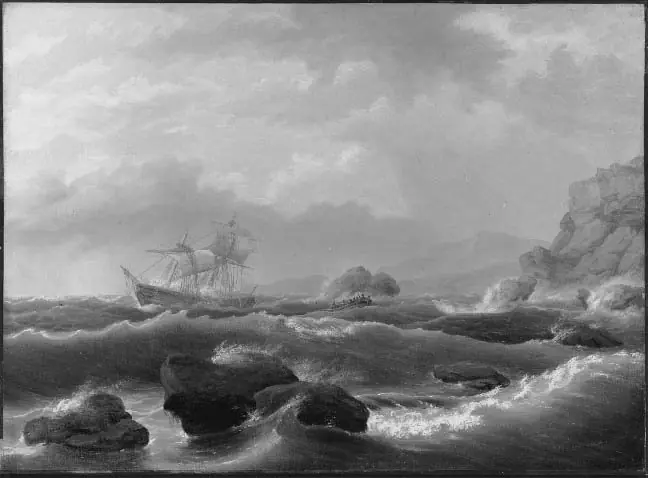
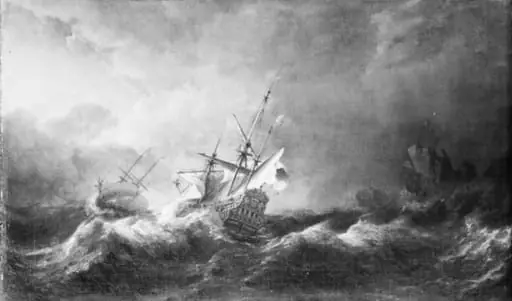
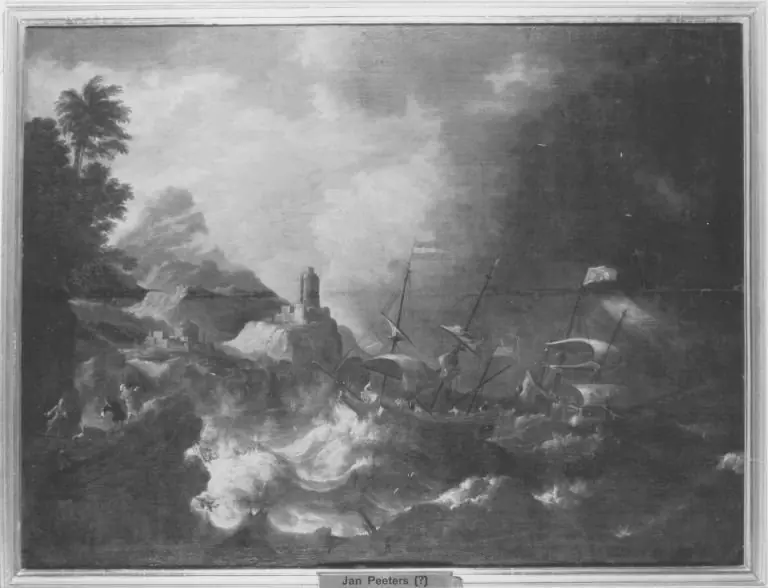
The painting depicts a shipwreck off a jagged coast, with figures desperately clinging to wreckage as waves overwhelm them. Rather than glorifying heroism, Rosa emphasizes vulnerability and chaos. The scene conveys no divine intervention or moral lesson—only the indifferent power of nature. This aligns with Rosa’s broader interest in the sublime, where human endeavor is dwarfed by elemental forces, reflecting a philosophical shift away from Renaissance harmony.
Technique & Style
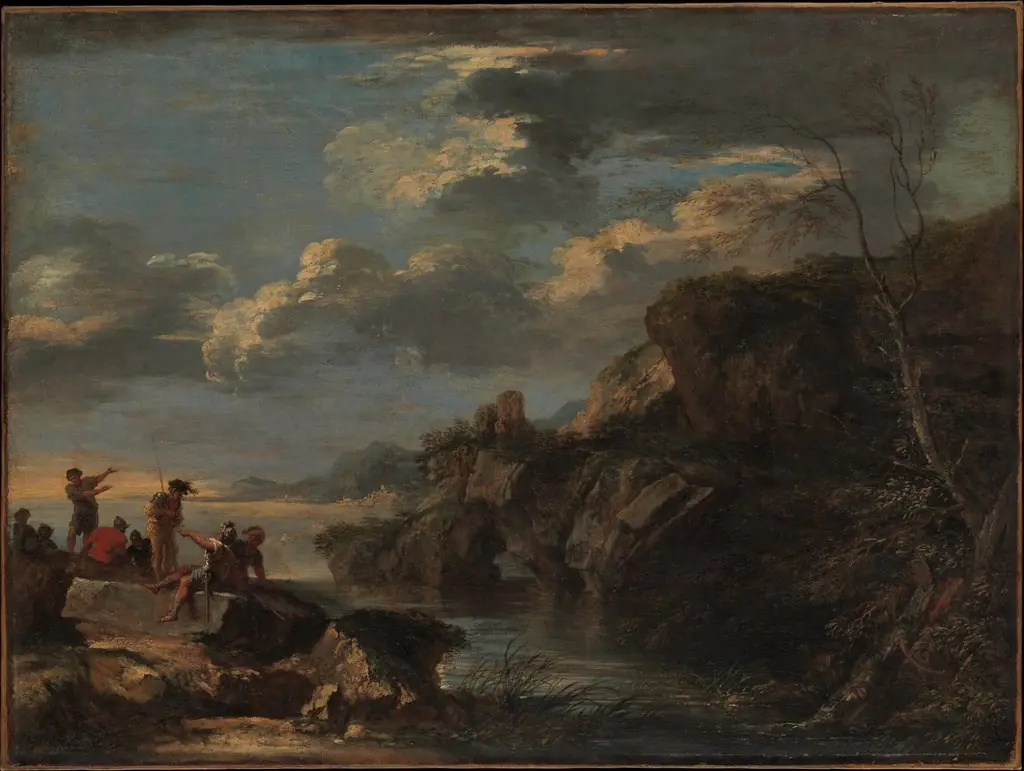
Rosa employed bold, energetic brushwork to convey motion and turbulence, particularly in the churning sea and torn sails. Chiaroscuro sharpens the contrast between the storm’s dark, roiling depths and the faint, warm glow of sky breaking through clouds. The palette shifts from cold grays and blues in the water to amber and ochre above, heightening the sense of spatial depth and emotional tension. His technique avoids smooth finish, favoring texture and immediacy to amplify the scene’s urgency.
History & Provenance
Commissioned during Rosa’s mature period, *Seesturm* entered the Bavarian royal collection in the 18th century and has remained in Munich since. It was not widely reproduced or copied in its time, distinguishing it from more conventional Baroque subjects. Its survival in a major public collection reflects its early recognition as a singular work within Rosa’s oeuvre, valued for its emotional rawness rather than its conformity to academic norms.
Context
In mid-17th-century Italy, most painters favored orderly compositions and classical themes. Rosa stood apart by embracing the grotesque and the chaotic, drawing inspiration from literature, personal temperament, and the wild landscapes of southern Italy. His seascapes were part of a growing interest in nature as a source of awe and terror, anticipating Romantic sensibilities decades before the movement formally emerged.
Legacy
*Seesturm* influenced later artists drawn to nature’s sublime power, particularly in 18th- and 19th-century landscape traditions. Rosa’s rejection of idealization paved the way for more psychologically charged depictions of natural disaster. Though not widely celebrated in his own time outside elite circles, the painting’s unflinching portrayal of chaos secured its place as a precursor to modern conceptions of the sublime in visual art.
Artist & collection
Artist
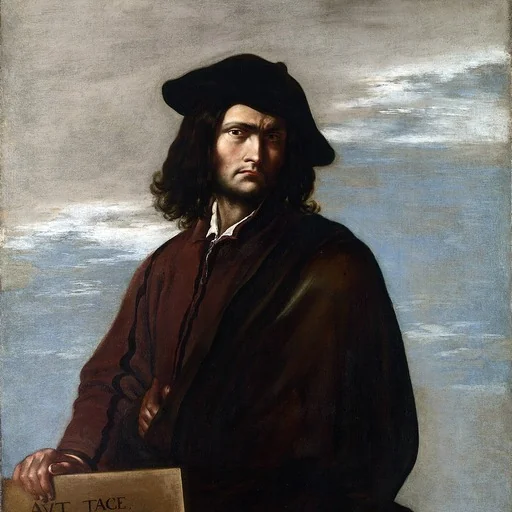
Salvator Rosa (1615 – 15 March 1673) is best known today as an Italian Baroque painter, whose romanticised landscapes and history paintings, often set in dark and untamed nature, exerted considerable influence from the 17th century into…