Artwork
Seesturm
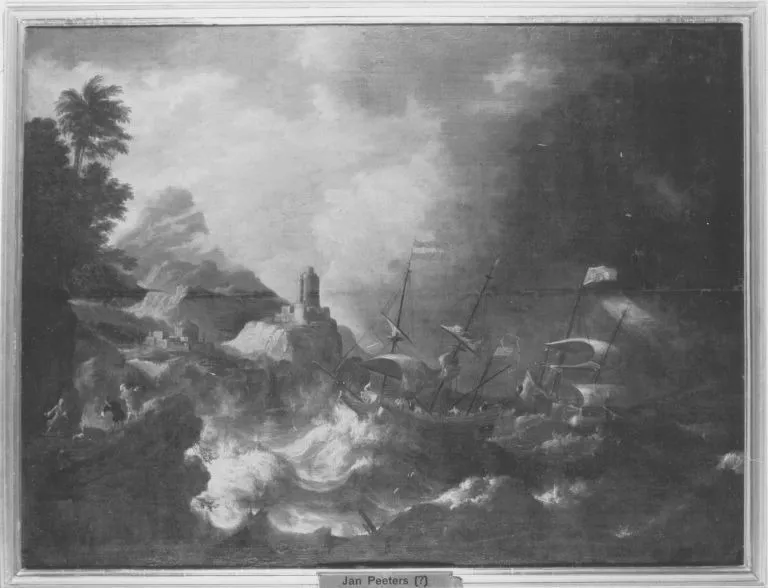
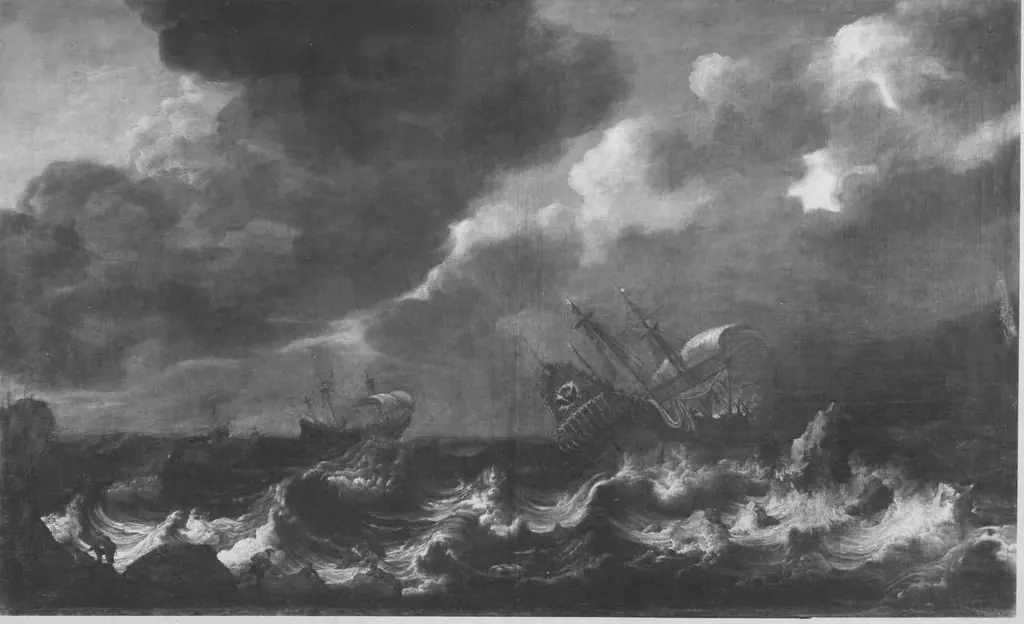
Seesturm is an unspecified painting by the Flemish Baroque painting artist John Peeters. It dates from 1651 and is held in the collection of the Bavarian State Painting Collections.
About this work
Overview
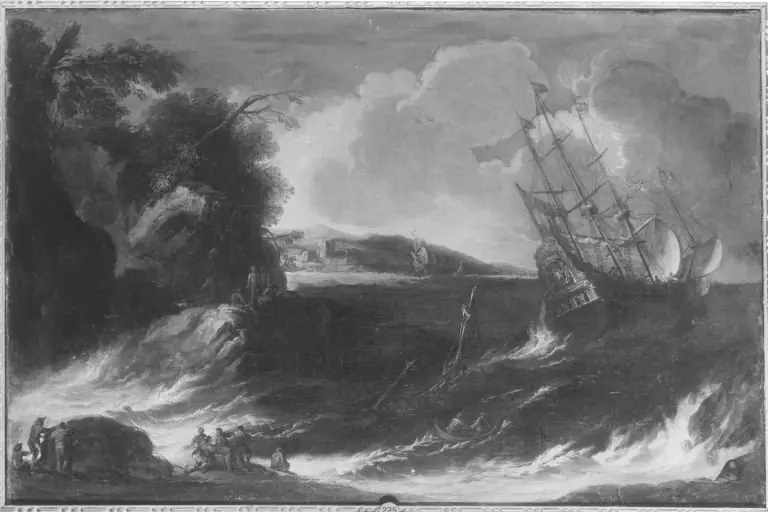
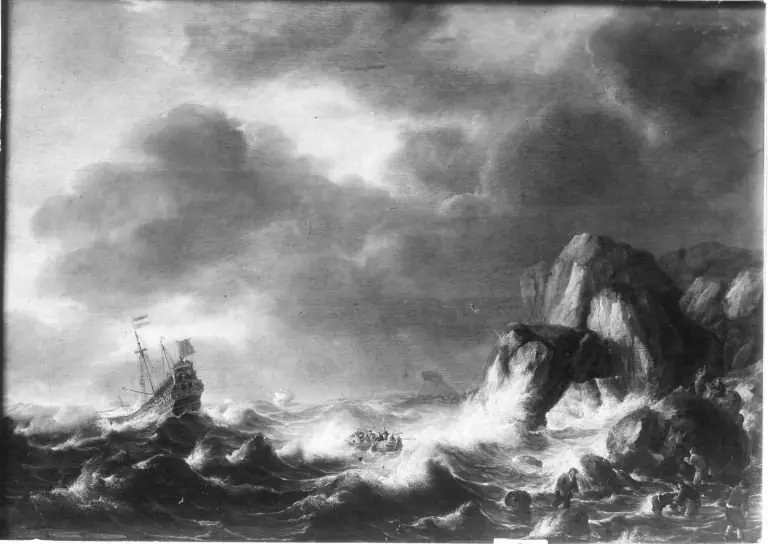
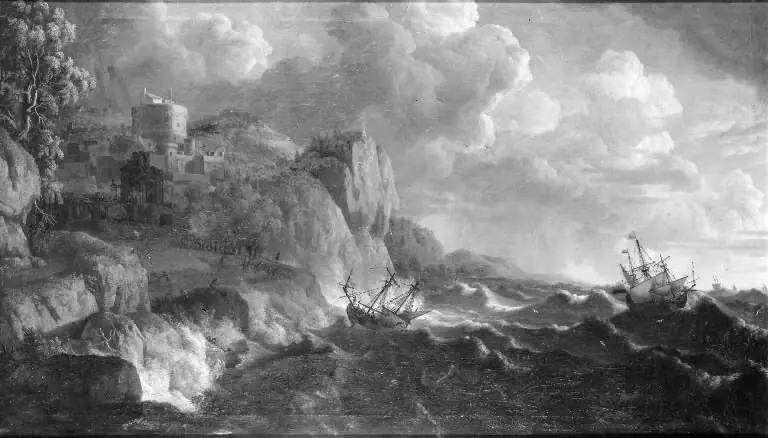
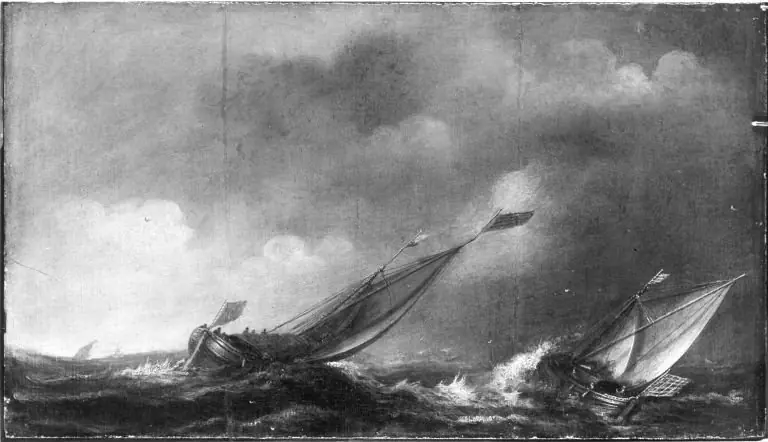
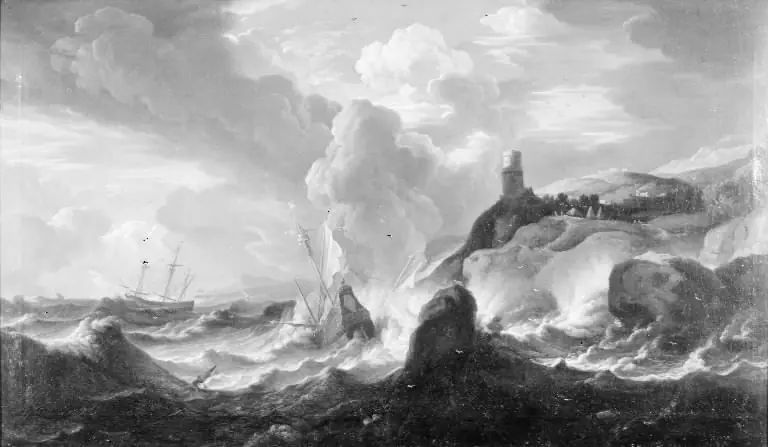
Seesturm, executed in 1651 by the Flemish artist John Peeters, belongs to the Flemish Baroque tradition and is currently housed in Munich’s Alte Pinakothek. The canvas presents a tempestuous sea, a solitary vessel battling towering waves, and a distant rocky promontory crowned by a solitary tower, all under a sky heavy with dark clouds.
Subject & Meaning
The painting captures a moment of maritime peril, emphasizing the vulnerability of man against nature’s fury. The lone ship, caught in a violent swell, serves as a visual metaphor for human struggle, while the looming structure on the crag hints at a distant refuge or beacon, intensifying the tension between danger and hope.
Technique & Style
Peeters employs a pronounced chiaroscuro, contrasting the illuminated hull and foaming crests with the shadowed sky and sea. This manipulation of light and dark creates depth and a palpable atmosphere, guiding the eye from the foreground vessel to the distant tower and reinforcing the dramatic intensity typical of Baroque marine painting.
History & Provenance
John Peeters, known in England as John Peters, spent more than forty years working there, specializing in seascapes. After its creation, Seesturm entered various private collections before being acquired by the Alte Pinakothek, where it has been displayed as part of the museum’s Baroque holdings.
Context
The work reflects the 17th‑century fascination with the sea as both a source of commerce and a realm of danger, a theme common among Flemish painters who catered to England’s growing naval interests. Peeters’ focus on stormy marine scenes aligns with contemporary depictions of nature’s power, a hallmark of the Baroque period.
Artist & collection
Artist
John Peeters (né Jan Pieters; c. 1666/7–c. 1727) was a Flemish painter, active in England for about forty-two years. He was generally known in England as John Peeters or John Peters.