Artwork
Portrait of Carl Philipp Fohr
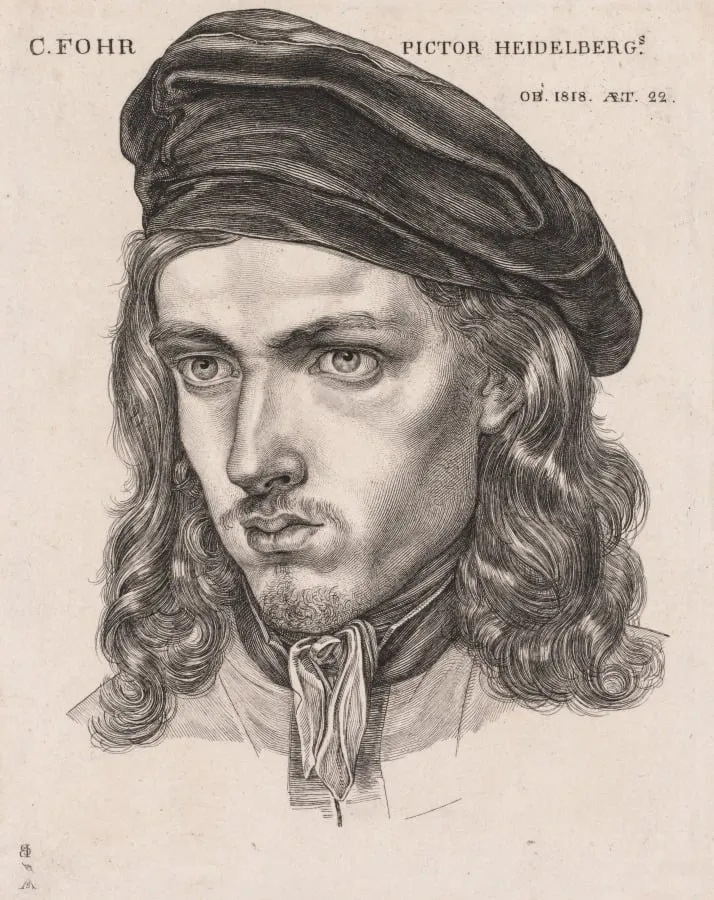
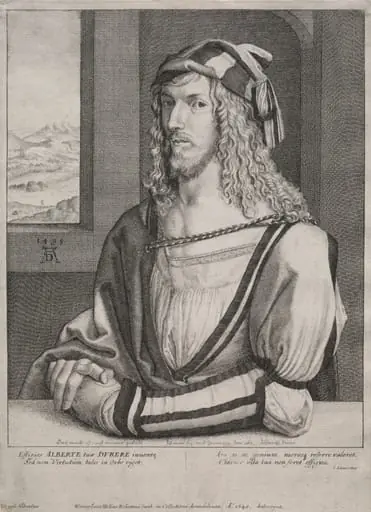
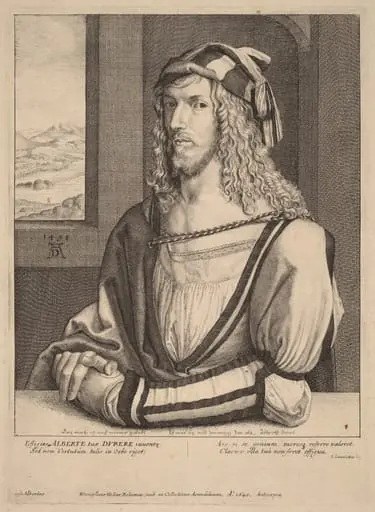
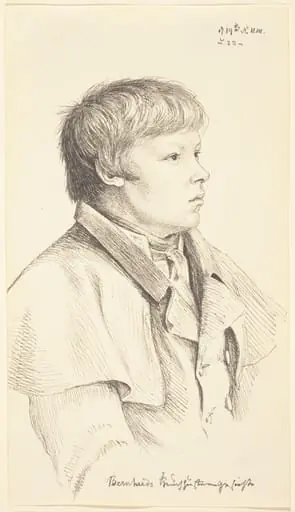
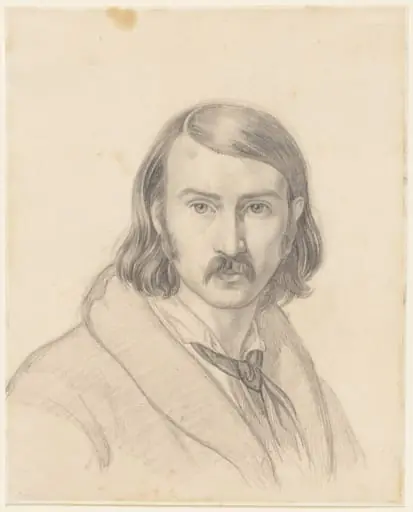
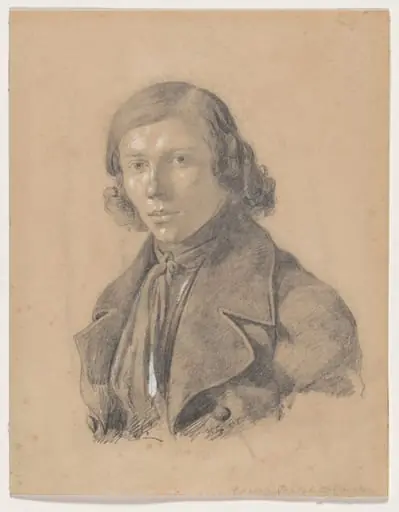
Portrait of Carl Philipp Fohr is a print by the Romanticist artist Samuel Amsler. It dates from 1818 and is held in the collection of the Cleveland Museum of Art. This engraved portrait commemorates Carl Philipp Fohr, a German artist who died by drowning in the Tiber River in 1824.
About this work
Overview
This engraved portrait commemorates Carl Philipp Fohr, a German artist who died by drowning in the Tiber River in 1824.
This engraved portrait commemorates Carl Philipp Fohr, a German artist who died by drowning in the Tiber River in 1824. Created by Samuel Amsler and Friedrich Wilhelm Schadow, it was produced as a tribute by fellow artists who knew him. The work belongs to a tradition of memorial portraits among Romantic-era artists, who often used such images to honor deceased companions and affirm shared artistic ideals.
Subject & Meaning
Fohr is depicted with serene composure, gazing directly at the viewer. His stillness and quiet expression evoke a sense of timeless dignity, transforming the portrait from a mere likeness into a memorial. The choice to portray him in Renaissance attire signals an aspiration to align him with the revered artists of the past, suggesting his spirit endures within a lineage of creative tradition rather than being lost to tragedy.
Technique & Style
Samuel Amsler employed fine-line engraving, a technique historically associated with German printmaking traditions. The meticulous rendering of textures—velvet, lace, and skin—creates a tactile realism. Soft transitions in shadow and light, reminiscent of sfumato, lend the face a sculptural calm, distancing the image from immediate realism and elevating it toward an idealized, almost classical presence.
History & Provenance
The print was produced shortly after Fohr’s death in Rome, commissioned by his circle of artist friends. It was circulated among German artistic communities as both a personal remembrance and a public statement of shared values. Early impressions were distributed among peers and institutions, establishing its role as a cultural artifact tied to the expatriate German artist colony in Italy during the 1820s.
Context
In early 19th-century Europe, artists frequently formed close-knit networks while traveling, especially in Rome. Death among young creatives was not uncommon, and memorial portraits became a way to preserve memory and affirm artistic identity. By dressing Fohr in Renaissance dress, his friends invoked the Romantic reverence for historical continuity, positioning him not as a victim of accident but as a successor to the old masters.
Legacy
The portrait remains a significant example of how Romantic artists used visual language to bridge personal grief and cultural memory. It reflects the era’s fascination with historical emulation and the belief that art could transcend mortality. Though not widely known today, it continues to be studied as a quiet testament to the bonds between artists and the enduring power of commemorative imagery.
Artist & collection

Artist
Samuel Amsler, a Swiss engraver, was born at Schinznach, in the canton of Aargau.