Artwork
Stonehouse, Plymouth
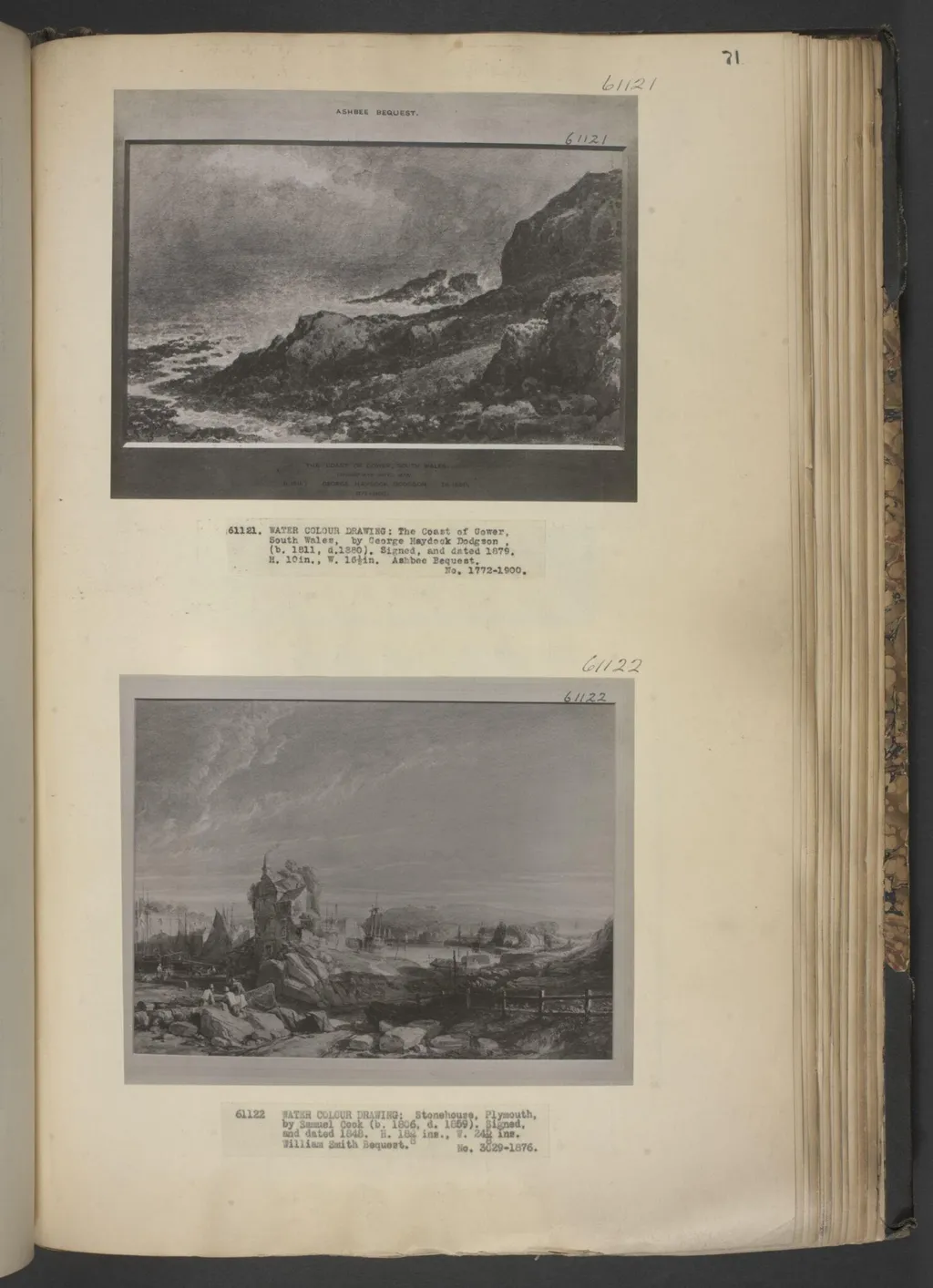
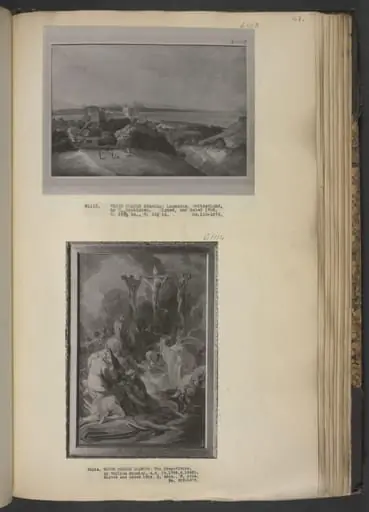
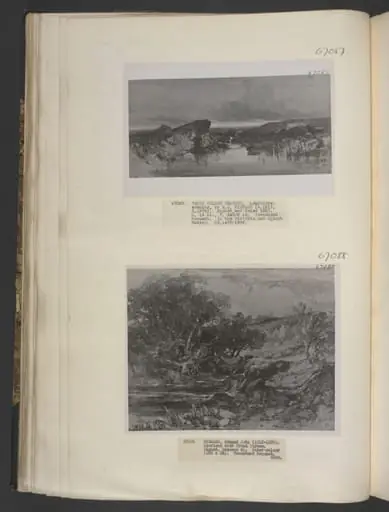
Stonehouse, Plymouth is a watercolor work on paper by the Romanticist artist Samuel Cook. It dates from 1848 and is held in the collection of the Victoria and Albert Museum.
About this work
Overview
Stonehouse, Plymouth is a watercolour painting created by Samuel Cook in 1848, depicting a serene view of Stonehouse, Plymouth, with the artist's signature and date inscribed on the work.
Subject & Meaning
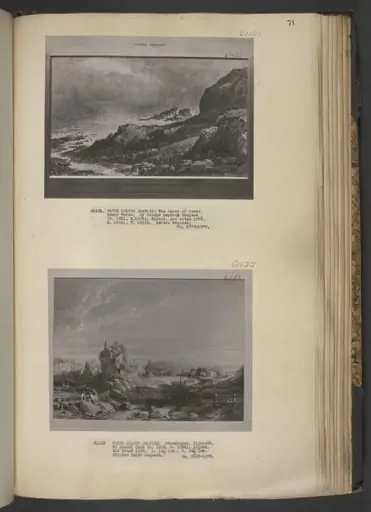
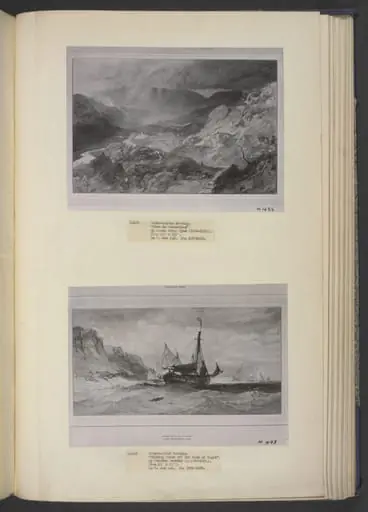
The painting portrays a tranquil scene of a rocky shoreline with a small harbor, featuring a cluster of buildings, notably a church with a tall steeple, and a few boats in the water, set against a cloudy sky with waves crashing against the foreground rocks.
Technique & Style
Characterized by meticulous attention to rough textures, every element from rocks to water ripples appears carefully hand-rendered, reflecting a detailed, quiet approach to capturing the natural and built environment.
History & Provenance
Created in 1848 by Samuel Cook, the work is signed and dated by the artist, though specific provenance details beyond its creation are not provided.
Context
Emerging from the artistic climate of the mid-19th century, this work may reflect elements of Romanticism, which often emphasized detailed, emotive portrayals of nature and the interplay between natural and industrial/man-made elements.
Legacy
While specific legacy or impact of 'Stonehouse, Plymouth' on broader art historical narratives is not detailed, it contributes to the visual record of Plymouth's landscape during the 19th century.
Artist & collection