Artwork
Levi Hale Willard
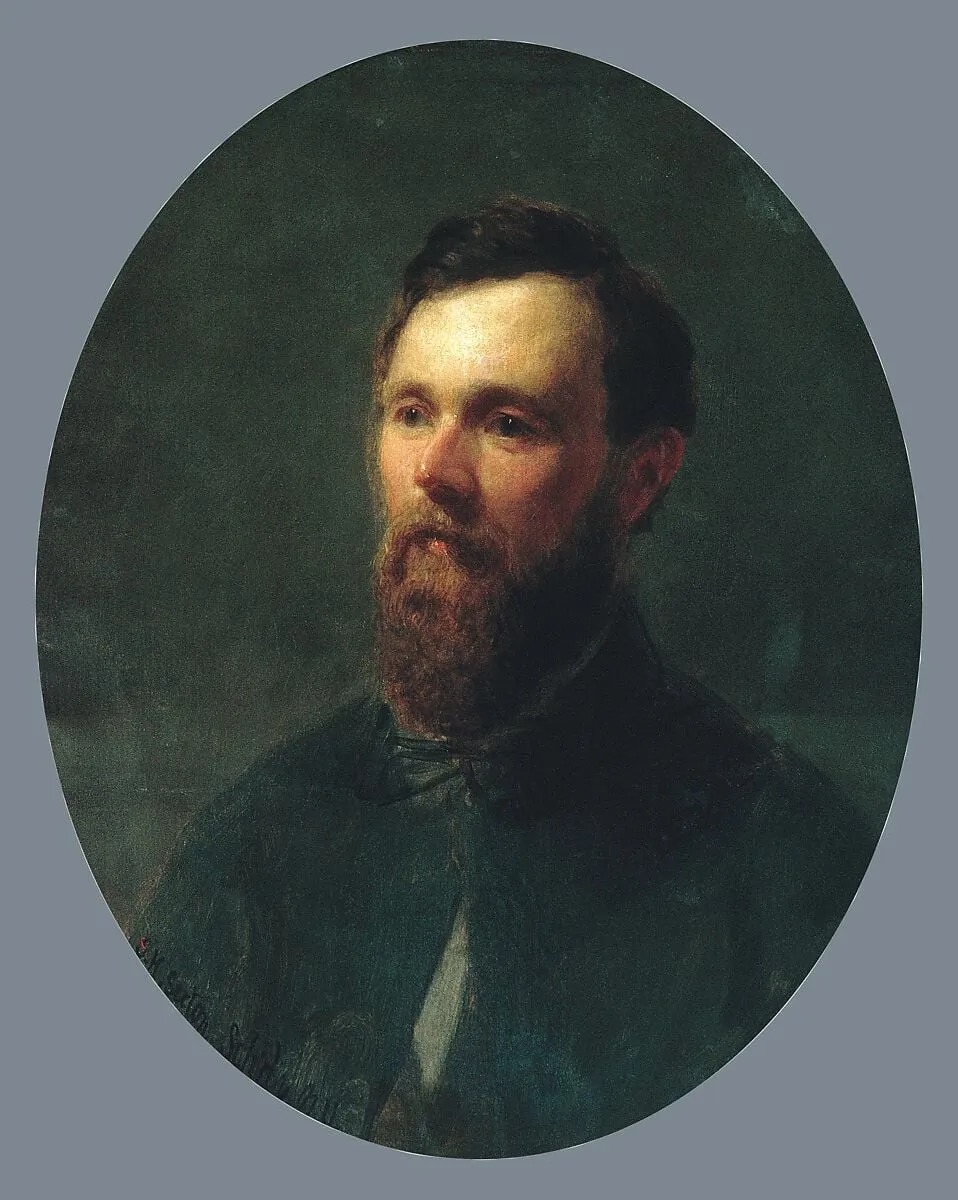
Levi Hale Willard is an oil painting by the American Folk Art artist Samuel H. Sexton. It dates from 1857 and is held in the collection of the Metropolitan Museum of Art. This oil on canvas portrait, created by Samuel H.
About this work
If you like this kind of quiet, careful portrait, look up *men, portraits, american, man, portrait* for more.
A man in a dark suit sits stiffly against a plain background. His face is lit from the side, casting sharp shadows. One hand rests on a book, the other on his knee.
This portrait was painted in 1857, when photography was still new. Artists like Sexton were hired to make images that felt permanent—more serious than a quick photo. The way the light carves his face makes him look almost carved from stone.
If you like this kind of quiet, careful portrait, look up *men, portraits, american, man, portrait* for more.
Overview
This oil on canvas portrait, created by Samuel H. Sexton in 1857, depicts Levi Hale Willard. The artist captures the sitter in a formal pose, characteristic of mid-19th-century American portraiture. It offers a glimpse into the visual representation of individuals during a period of significant change in image-making.
Subject & Meaning
Levi Hale Willard is shown seated, dressed in a dark suit, with a book resting beneath one hand and the other placed on his knee. His posture is rigid and composed, conveying a sense of decorum and perhaps intellectual engagement. The direct gaze and formal presentation suggest a desire for a dignified and lasting representation of the sitter.
Technique & Style
Sexton employs a stark, plain background to emphasize the sitter. The artist utilizes strong side lighting, which creates pronounced shadows and highlights across Willard's features. This dramatic illumination defines the contours of his face with a sculptural quality, giving the impression of a form precisely rendered and almost chiseled from stone.
Context
Created in 1857, this portrait emerged during a period when photography was still a relatively nascent technology. While photographs offered quick reproductions, painted portraits like Sexton's provided a sense of permanence and gravitas. Patrons often commissioned oil paintings to achieve a more substantial and enduring visual record, distinguishing them from the burgeoning, less formal photographic medium.
Artist & collection

