Artwork
Portrait of an "Old Sea Captain"
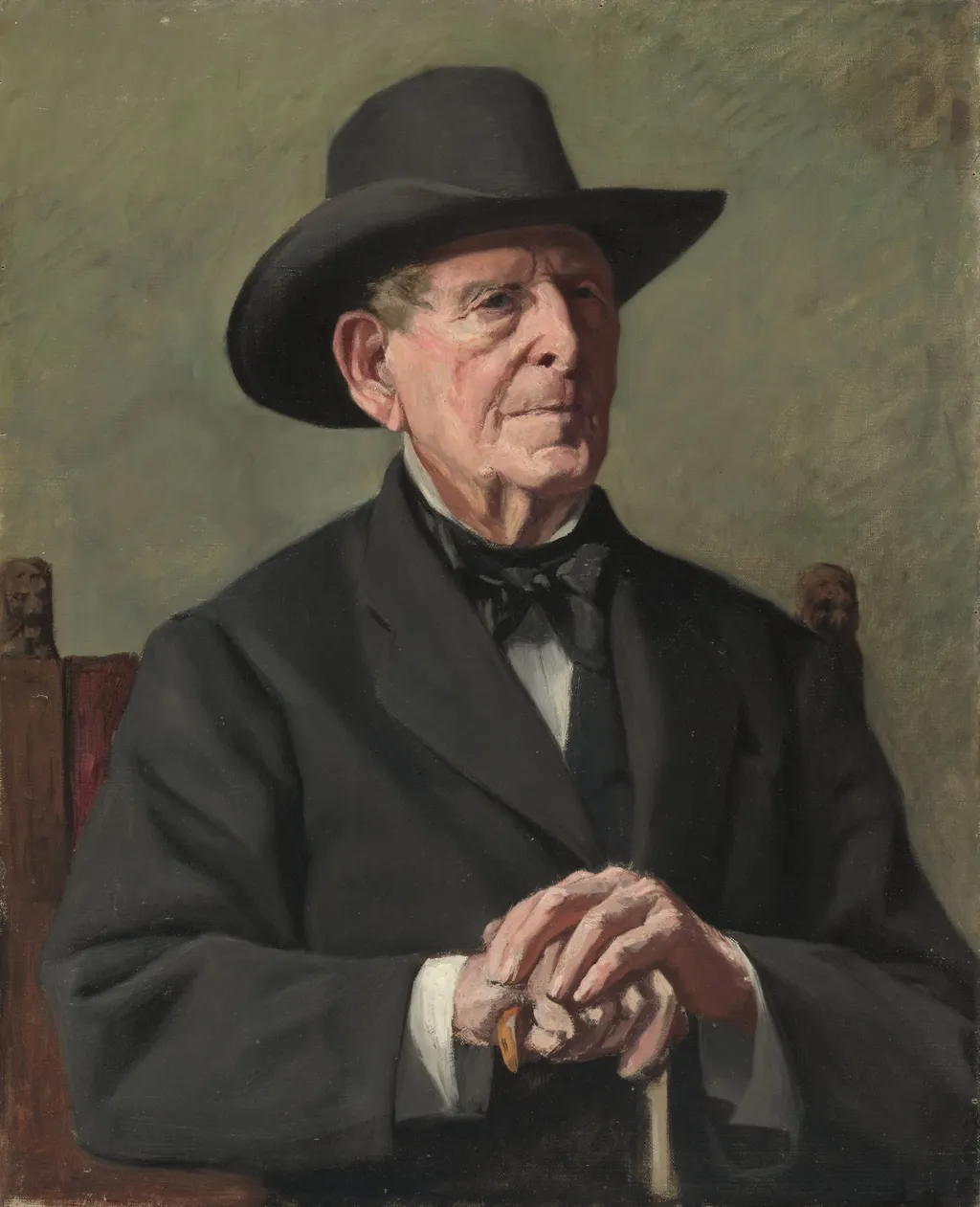
Portrait of an "Old Sea Captain" is an unspecified painting by the American Folk Art artist Samuel Isham. It dates from 1850 and is held in the collection of the Cleveland Museum of Art.
About this work
Overview
Painted in 1850 by Samuel Isham, this portrait portrays an elderly man identified by his attire and demeanor as a retired sea captain.
Painted in 1850 by Samuel Isham, this portrait portrays an elderly man identified by his attire and demeanor as a retired sea captain. The work resides in The Cleveland Museum of Art and reflects a restrained, introspective approach to portraiture. The subject’s posture and environment convey stillness rather than grandeur, aligning with mid-19th-century tendencies toward psychological depth over theatrical display.
Subject & Meaning
The figure, dressed in a dark suit with a white shirt and black tie, holds a cane and sits with hands folded, suggesting a life of discipline and quiet authority. His gray hair and lined face imply advanced age and experience, while his gaze to the side evokes reflection rather than engagement. The absence of maritime symbols shifts focus from profession to character, emphasizing inner life over external identity.
Technique & Style
Isham employs subtle tonal variations to model the man’s face and hands, with soft transitions between light and shadow. The muted green background recedes gently, avoiding distraction. Brushwork is precise yet unobtrusive, favoring clarity over flourish. The red chairback provides a restrained contrast, drawing attention to the figure’s stillness without disrupting the painting’s somber mood.
History & Provenance
The painting entered The Cleveland Museum of Art’s collection in the 20th century, though its earlier ownership remains undocumented. Created during Isham’s active years as a portraitist, it reflects his engagement with domestic and civic subjects. No records indicate it was commissioned by the sitter’s family, suggesting it may have been a personal study or informal commission.
Context
In the 1850s, American portraiture increasingly favored psychological realism over idealized representation. Isham’s work aligns with this trend, echoing the quiet intensity found in contemporaneous European Romantic portraiture. While not overtly dramatic, the painting shares with Romanticism an interest in individual dignity and the weight of lived experience.
Legacy
Though Samuel Isham is not widely known today, this portrait endures as a modest example of mid-century American realism. It contributes to the understanding of how non-elite subjects were rendered with dignity during a period of expanding artistic subject matter. Its preservation in a major museum underscores its value as a quiet testament to ordinary lives.
Own this work as a print
Artist & collection

 Säveltäjä Leevi Madetoja
 Self-Portrait
 Self-Portrait
 Bildnis Emil Tobler-Finsler
 Portrait of Joseph O'Neill, Novelist and Scholar
 Portrait of the count of Montalivet
 Portrait of old man sitting
 Portrait of Jack B. Yeats (1871-1957)
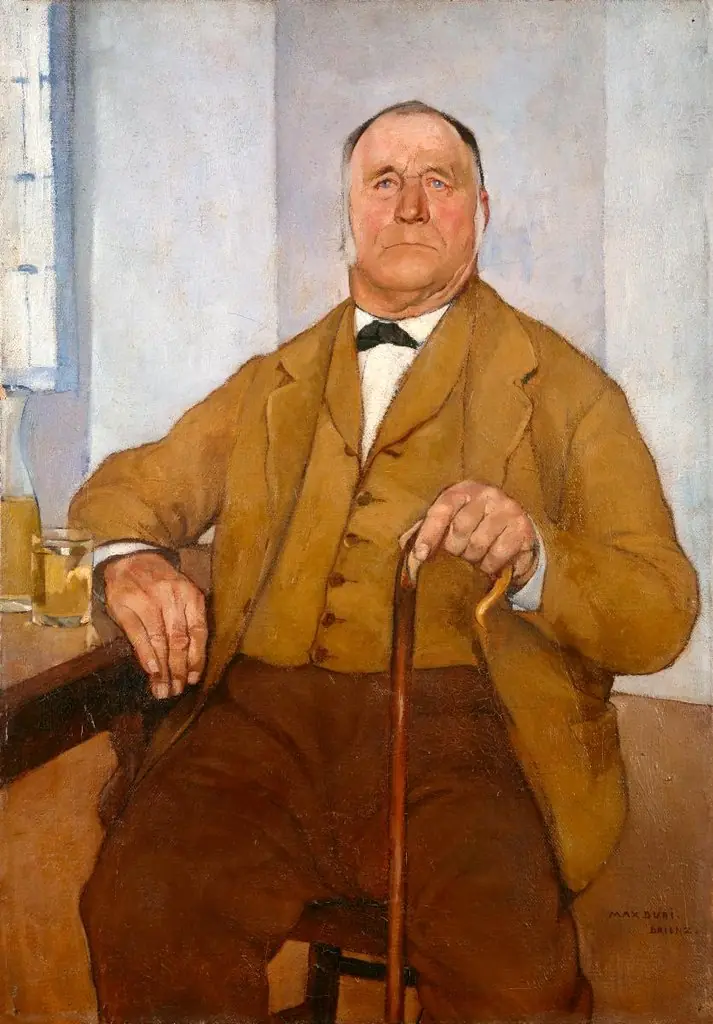 Brienzer Bauer
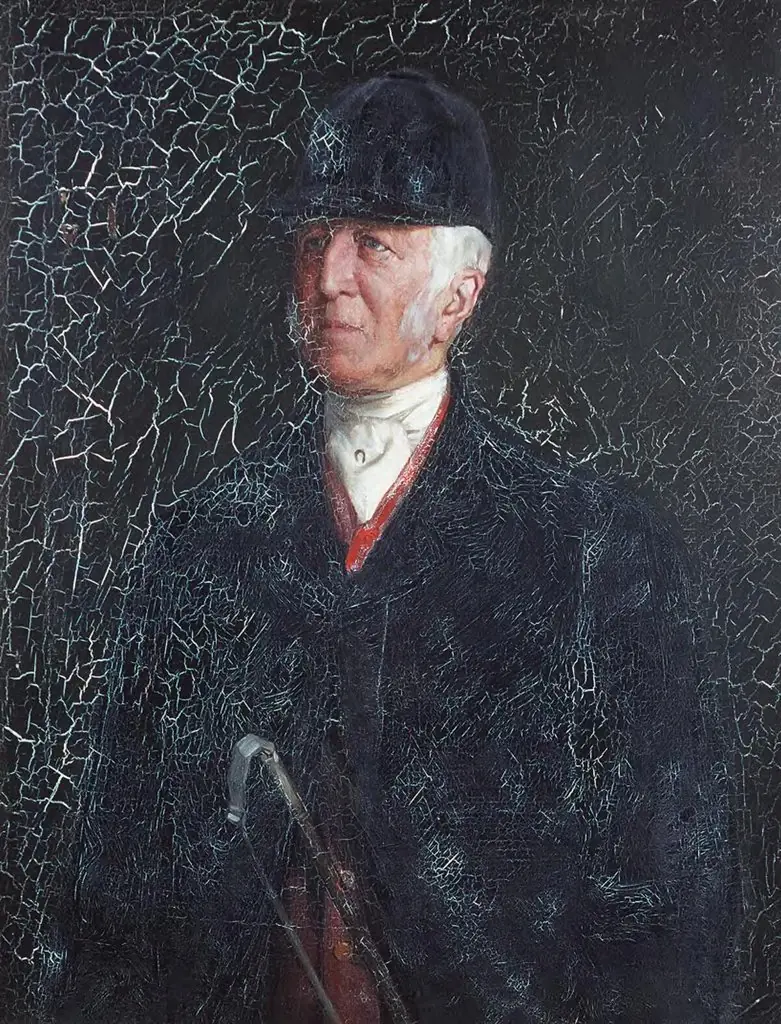 Portrait of a gentleman as a hunter
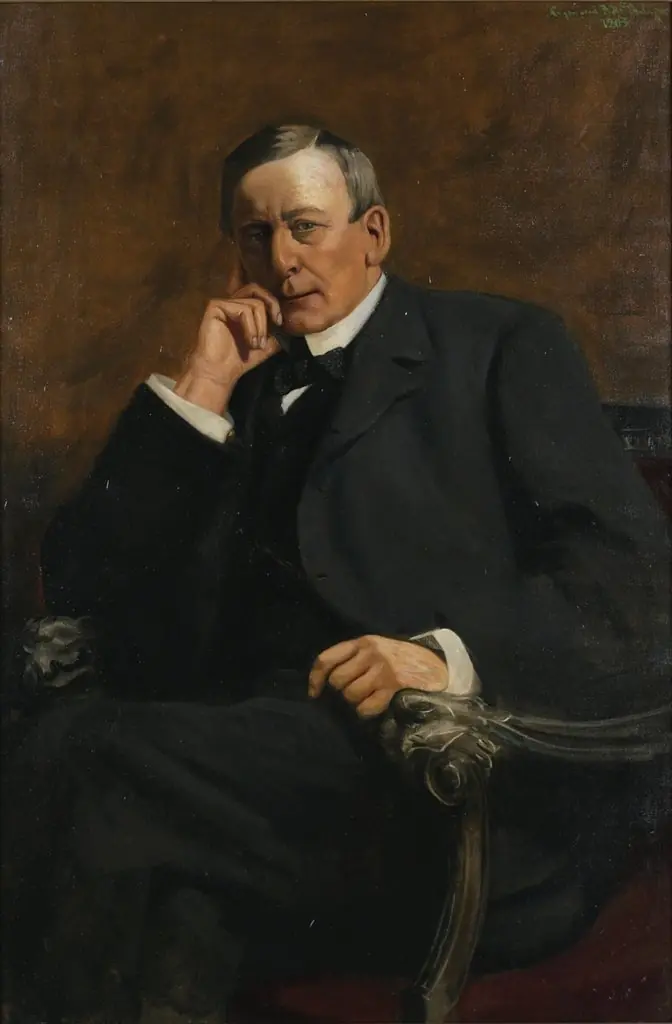 Portrait of William Rolleston