Artwork
Bildnis Emil Tobler-Finsler
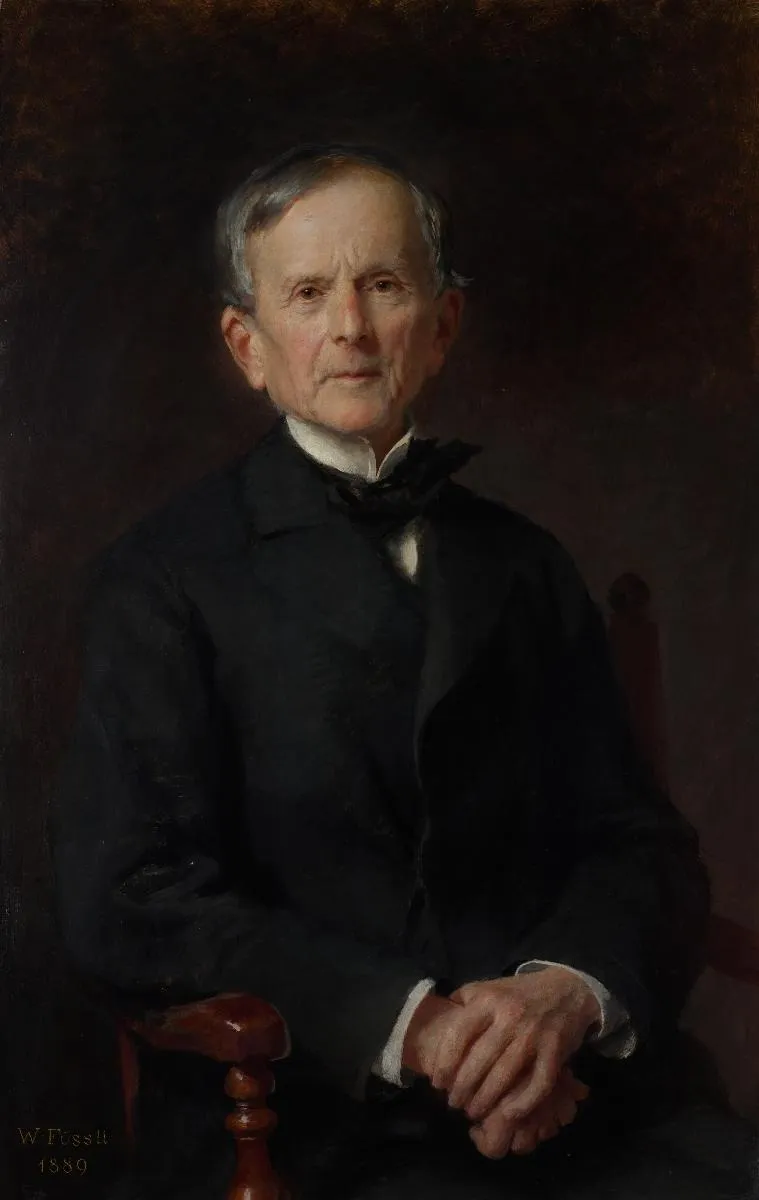
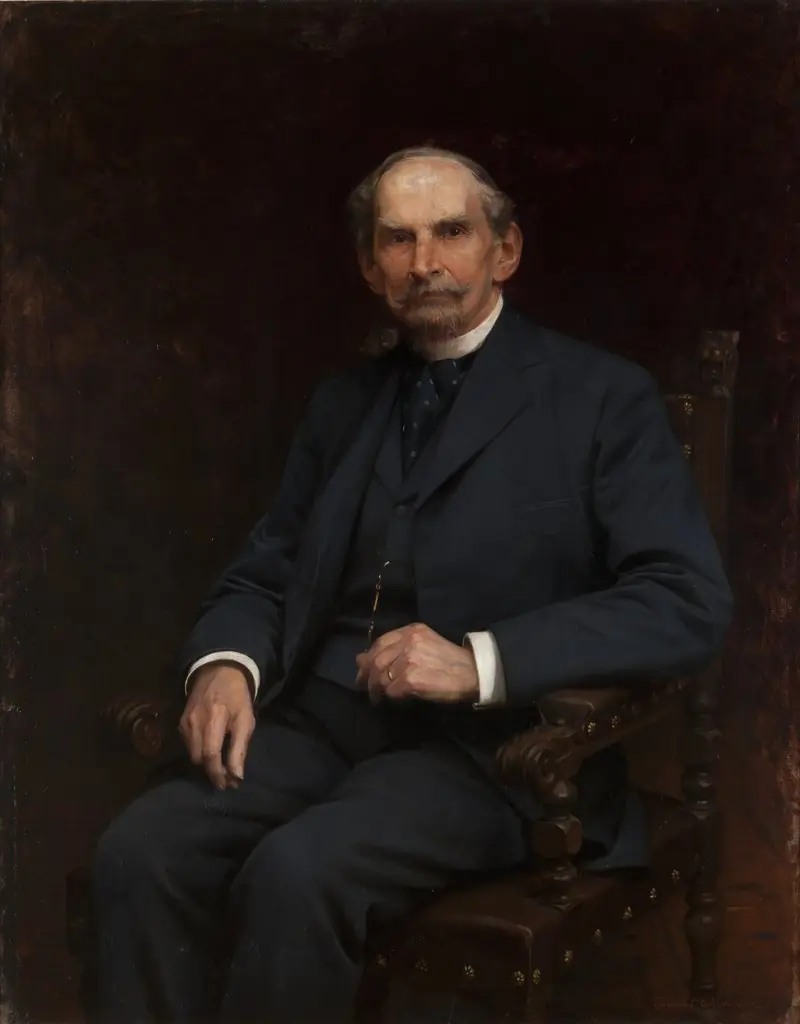
Bildnis Emil Tobler-Finsler is an oil painting by the Post-Impressionist artist Wilhelm Füssli. It dates from 1895 and is held in the collection of the Kunsthaus Zürich.
About this work
Overview
Rendered with restrained elegance, the composition centers on a seated man in formal dress, framed against a deep, muted background.
Painted in 1895 by Wilhelm Füssli, this oil portrait captures Emil Tobler-Finsler, a Swiss figure of note. The work resides in the collection of the Kunsthaus Zürich. Rendered with restrained elegance, the composition centers on a seated man in formal dress, framed against a deep, muted background. The painting’s quiet intensity arises from its focus on stillness and subtle emotional nuance rather than dramatic gesture.
Subject & Meaning
Emil Tobler-Finsler, depicted in middle or later age, is shown with hands folded, gaze directed beyond the frame. His attire—black jacket, white shirt, bow tie—signals formality and social standing. The absence of props or context directs attention to his demeanor: a composed, inward-looking presence. The portrait suggests contemplation, not celebration, inviting reflection on character rather than status.
Technique & Style
Füssli employs chiaroscuro to model the figure with soft gradations of light and shadow, emphasizing volume without theatricality. The dark background recedes gently, allowing the subject’s form to emerge through nuanced tonal shifts. Brushwork is controlled, details like fabric folds and skin texture rendered with precision but without flourish. The effect is one of quiet realism, grounded in observation rather than idealization.
History & Provenance
Commissioned or acquired during Füssli’s active years in Zurich, the painting entered the Kunsthaus Zürich’s collection in the early 20th century. Its provenance remains largely unaltered since its creation, with no documented public exhibitions prior to its institutional acquisition. The work has remained in the museum’s care, preserved as part of its late-19th-century Swiss portraiture holdings.
Context
Created in the final decades of the 19th century, the portrait reflects a Swiss artistic tradition that valued psychological depth over spectacle. Füssli worked within a milieu influenced by German and French realism, yet his approach remained distinctly restrained. This work aligns with contemporaneous portraiture that sought to convey inner life through posture, expression, and lighting rather than narrative detail.
Legacy
Though not widely reproduced, the portrait endures as a representative example of Füssli’s mature style and the quieter currents of Swiss painting at the turn of the century. It contributes to the understanding of how regional artists engaged with broader European traditions while maintaining a focus on individual presence and subdued emotion.
Artist & collection
Artist

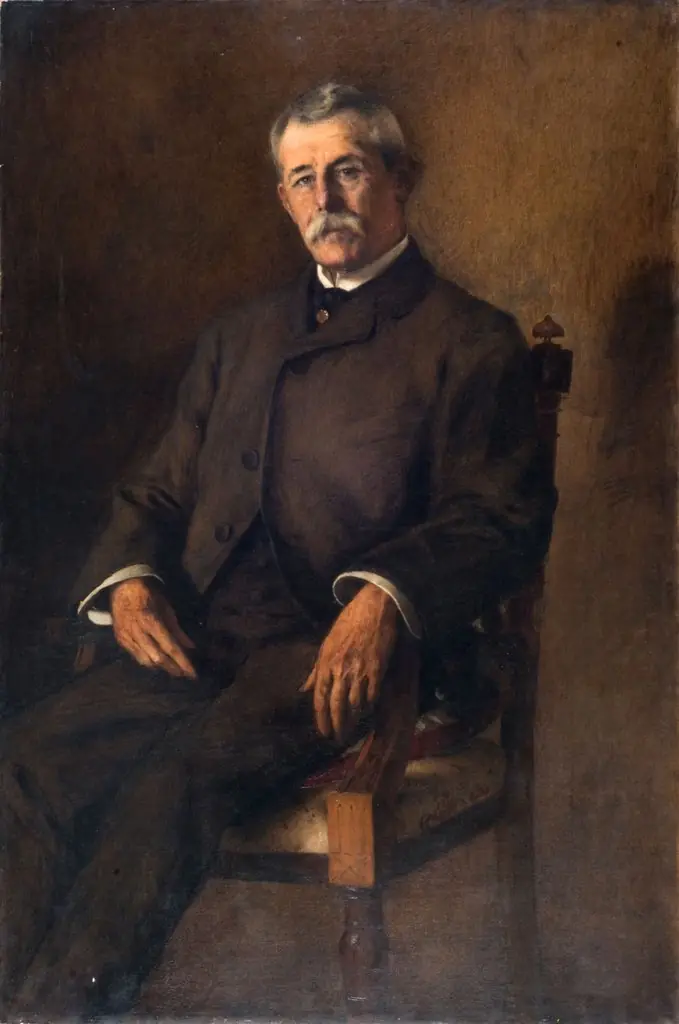
 Portrait of Florian Ziemiałkowski
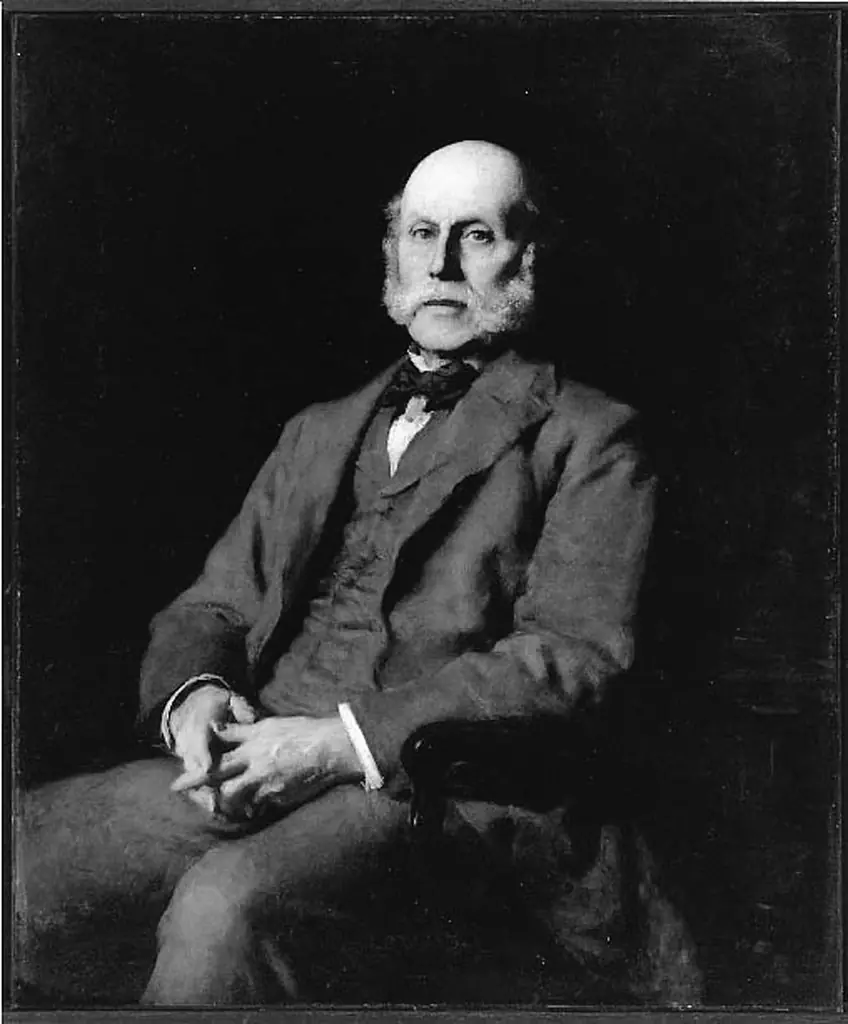
 Portrait of Mr. Sívori
 Samuel Torrey Morse
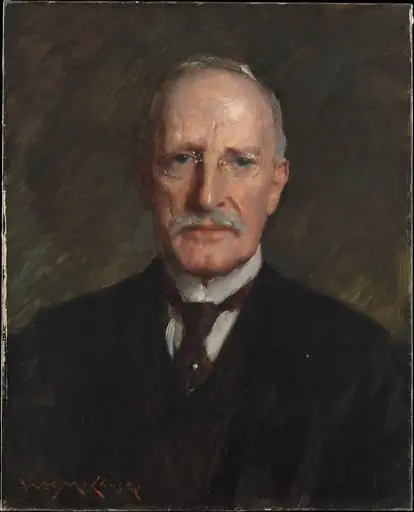 Edward Guthrie Kennedy
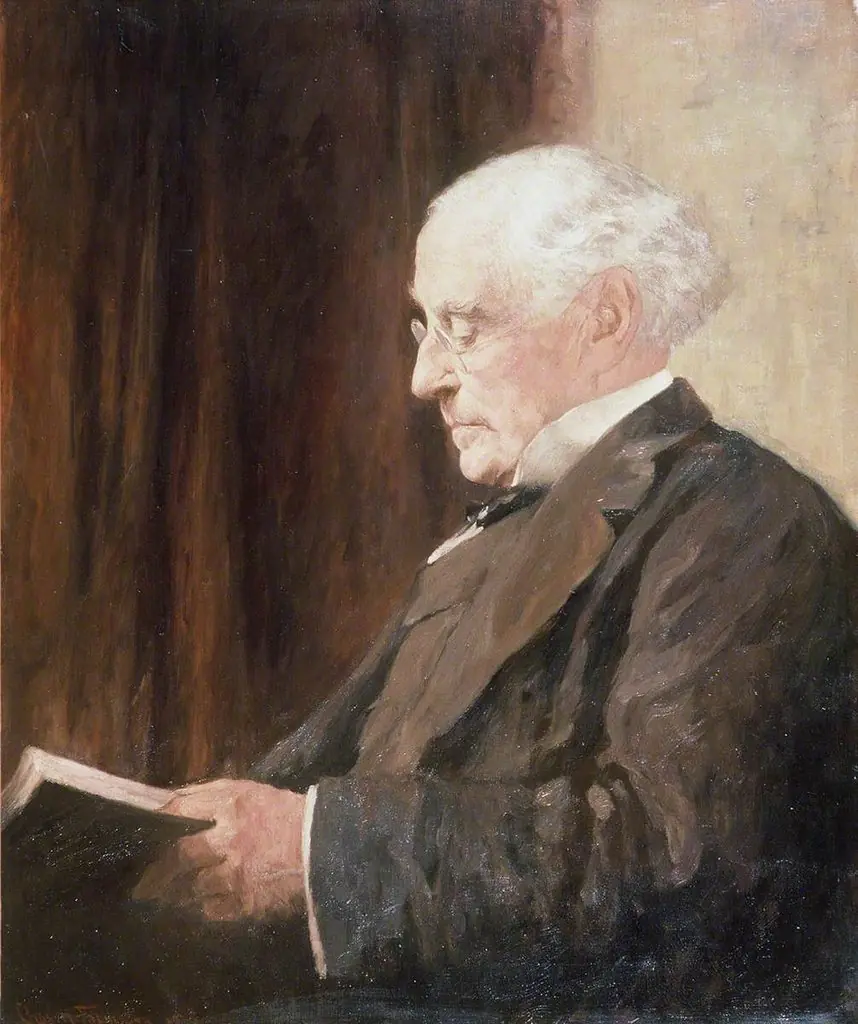 William Ewart Gladstone (1809–1898)
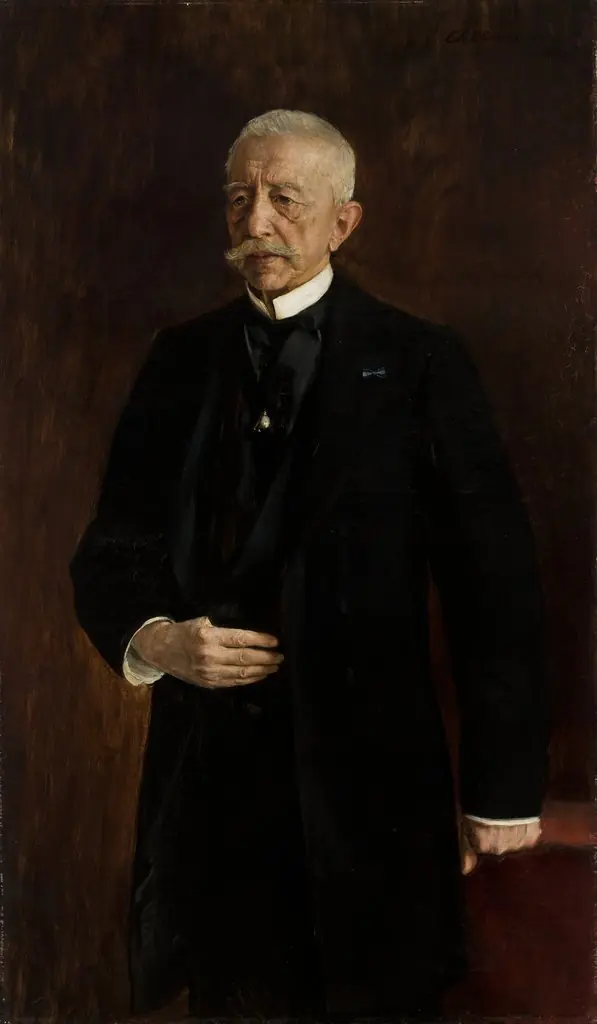 Portrait of Wiktor Osławski
 Portrait of an "Old Sea Captain"
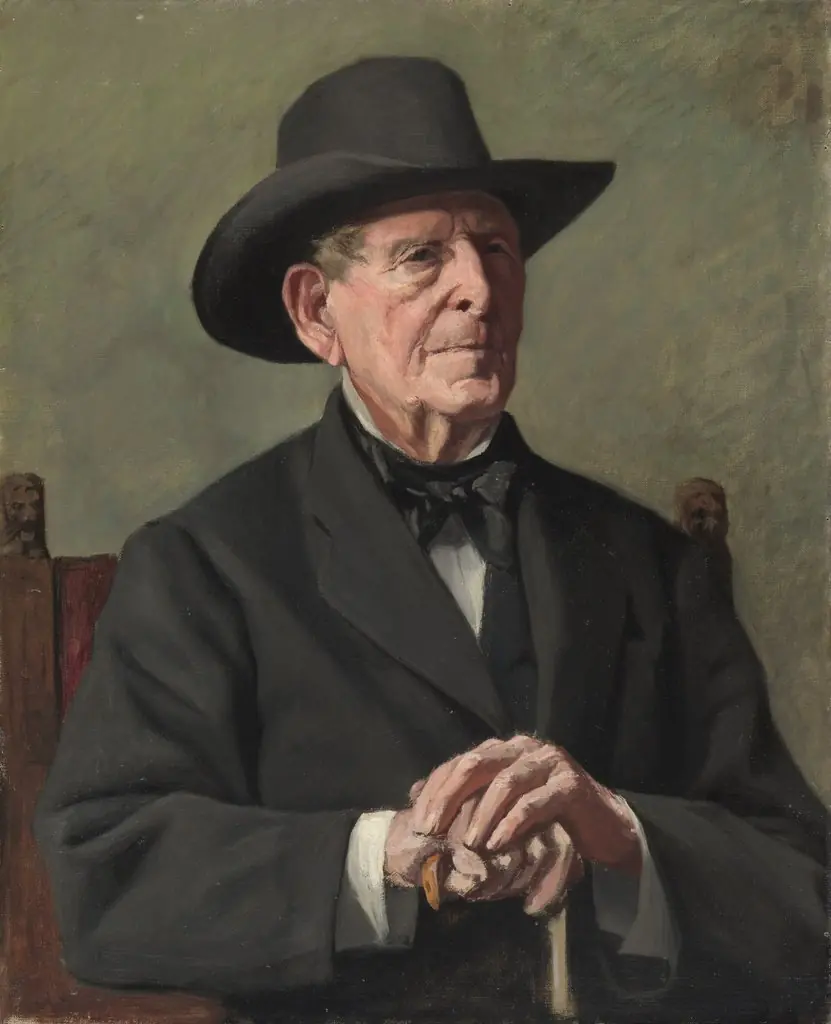 Portrait of an "Old Sea Captain"
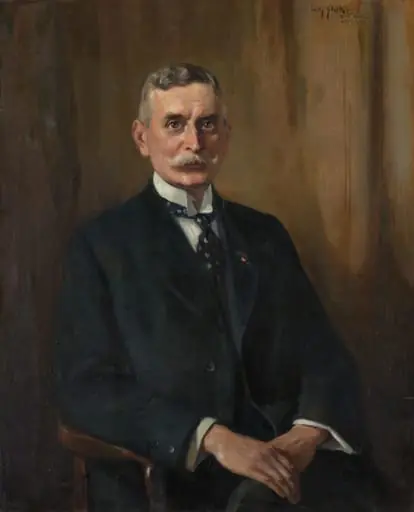 Jacob Christiaan Koningsberger (1867-1951). Chairman of the People's Council (1918-19)
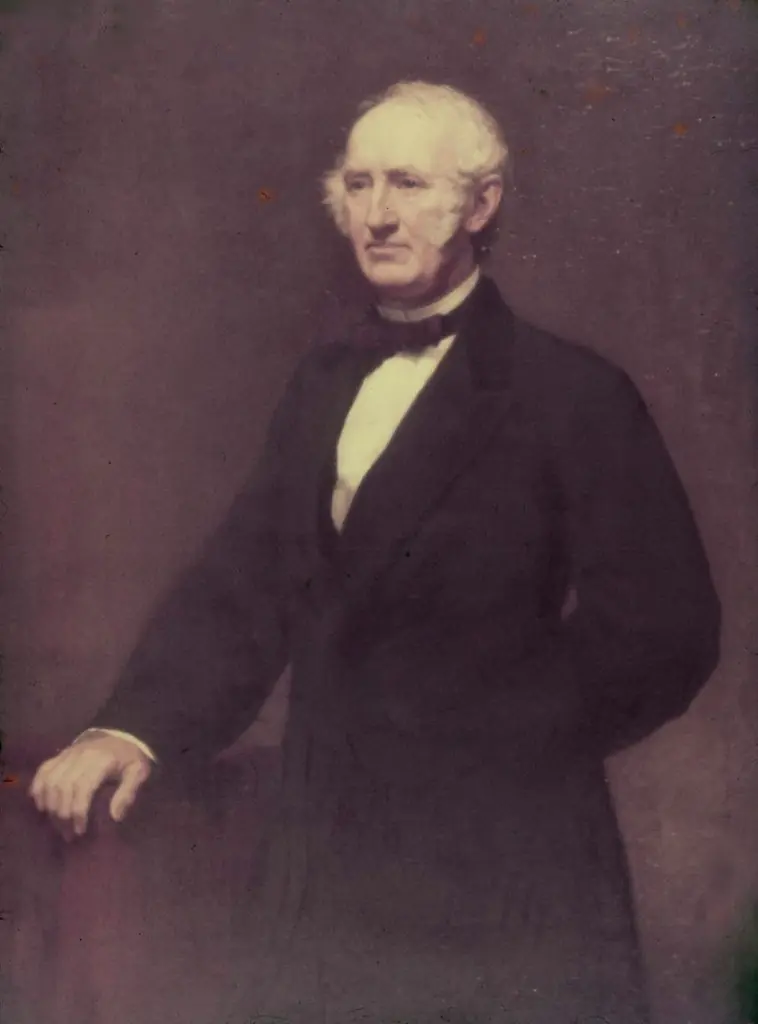 Wendell Phillips
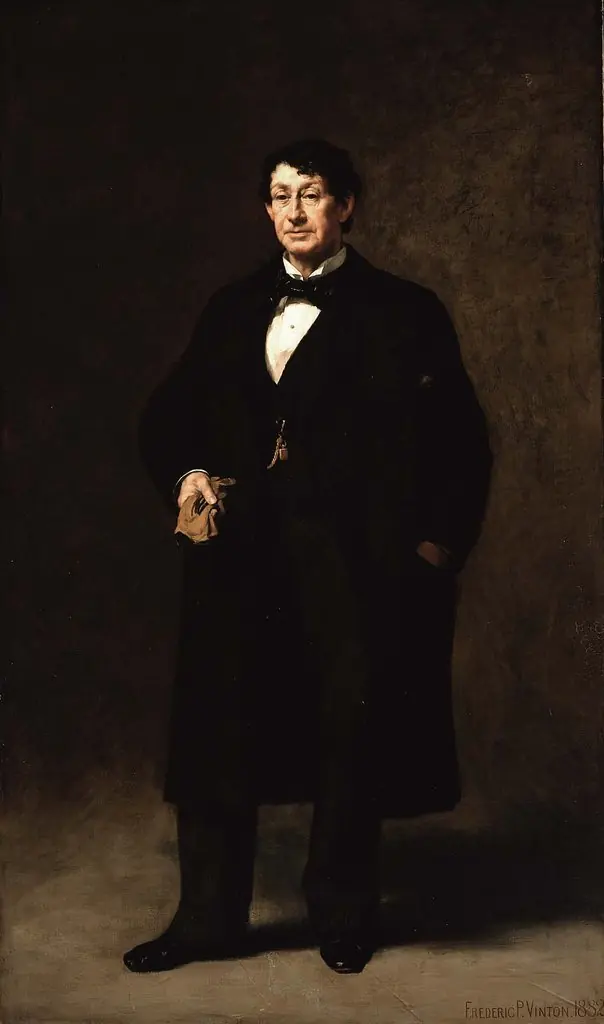 William Warren
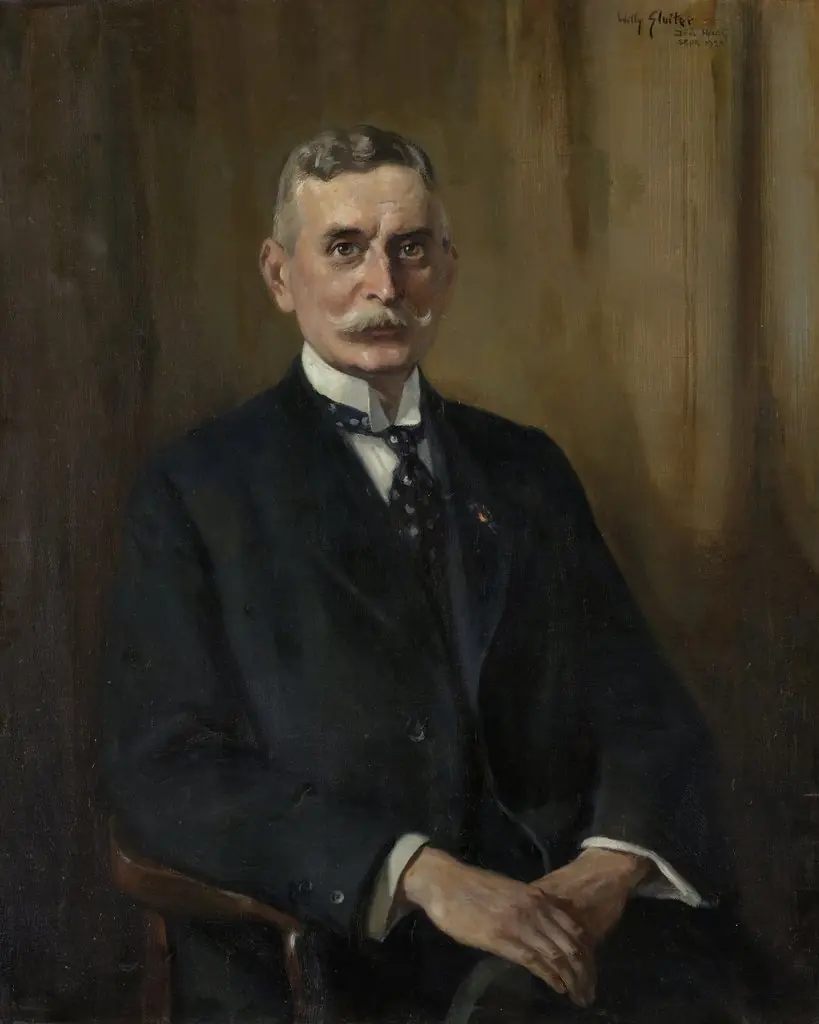 Jacob Christiaan Koningsberger (1867-1951). Chairman of the People's Council (1918-19)