Artwork
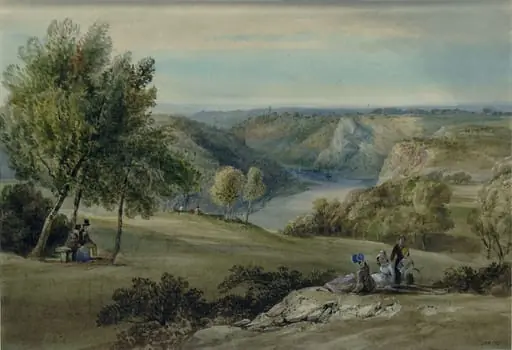
Nightingale Valley near Clifton with St. Vincent's Rocks and the Obsevatory Tower
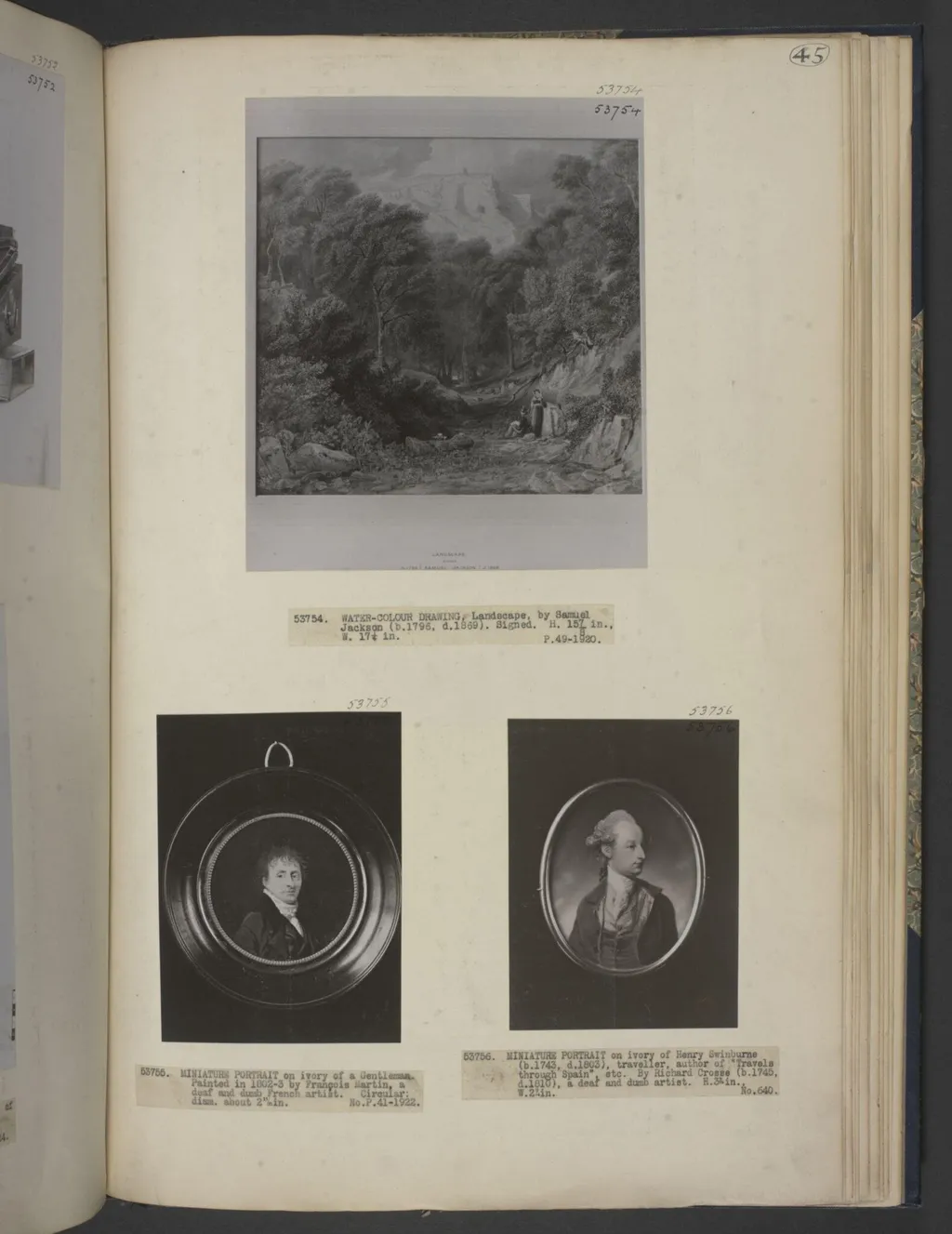
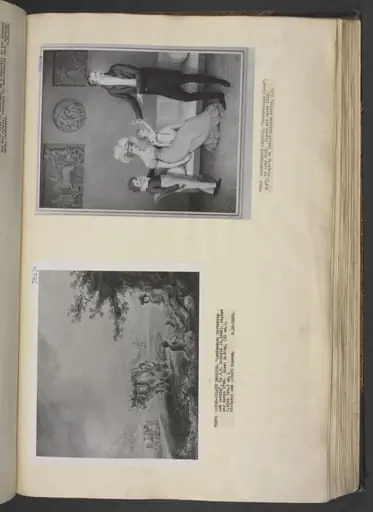
Nightingale Valley near Clifton with St. Vincent's Rocks and the Obsevatory Tower is a watercolor work on paper by the British Romanticist artist Samuel Jackson. It dates from 1820 and is held in the collection of the Victoria and Albert Museum.
About this work
Overview
Executed in delicate washes, the work reflects the artist’s attention to atmospheric conditions rather than precise topography.
Painted in 1820, this watercolour by Samuel Jackson captures a quiet stretch of Nightingale Valley near Clifton, with St. Vincent's Rocks and the Observatory Tower visible in the distance. Executed in delicate washes, the work reflects the artist’s attention to atmospheric conditions rather than precise topography. Signed by Jackson, it belongs to a body of topographical watercolours produced in early 19th-century Britain, where landscape observation often blended with personal response.
Subject & Meaning
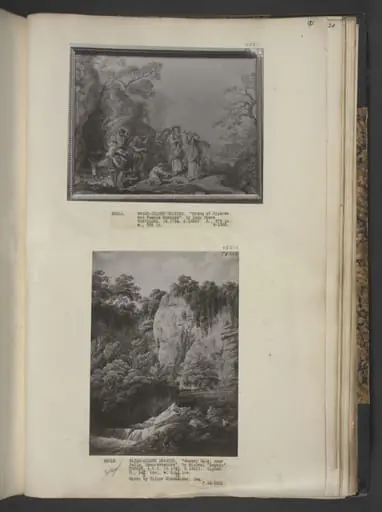
The scene presents a secluded valley shrouded in mist, with a winding path leading toward a distant tower perched on a rocky outcrop. Small figures along the trail suggest human presence without narrative focus, emphasizing solitude over activity. The heavy clouds and subdued light evoke a contemplative mood, aligning with Romantic ideals that valued emotional resonance in nature over literal representation. The tower, though functional, becomes a silent sentinel in the landscape.
Technique & Style
Jackson employed thin, layered watercolour washes to build subtle gradations of gray and muted green, creating depth without sharp definition. The fog is suggested through diluted pigment, allowing the paper’s white to suggest light breaking through. Trees and rocks are rendered with loose, suggestive strokes rather than detailed contours. This restrained approach prioritizes mood and atmosphere, characteristic of Romantic landscape practice, where emotion outweighed topographical precision.
History & Provenance
The watercolour was created during a period when British artists increasingly documented regional landscapes for private collectors and local patrons. Jackson, active in the Bristol area, frequently painted views of the Avon Gorge and surrounding cliffs. This piece likely originated from direct observation, as was common among topographical watercolourists of the time. Its survival and signature suggest it was intended as a finished work, not merely a sketch.
Context
In the early 1800s, Romanticism reshaped landscape art across Europe, shifting focus from idealized scenery to nature’s emotional and sublime qualities. Jackson’s work aligns with contemporaries like Turner and Girtin, who used watercolour to convey transience and mystery. The Observatory Tower, built in the 1790s for astronomical study, was a recent addition to the landscape, yet Jackson treats it as a quiet element within nature’s broader rhythm, not a symbol of progress.
Legacy
Though not widely exhibited in major institutions, Jackson’s watercolours remain valued for their quiet authenticity and technical restraint. This piece contributes to the regional record of Clifton’s natural features and reflects the broader trend of amateur and professional artists documenting Britain’s changing topography. Its preservation offers insight into how local landscapes were perceived through a Romantic lens, prioritizing atmosphere over documentation.
Artist & collection
Artist
Samuel Jackson painted quiet British landscapes in watercolour, mostly around Bristol and Wales between 1820 and 1869.