Artwork
Charles Addoms
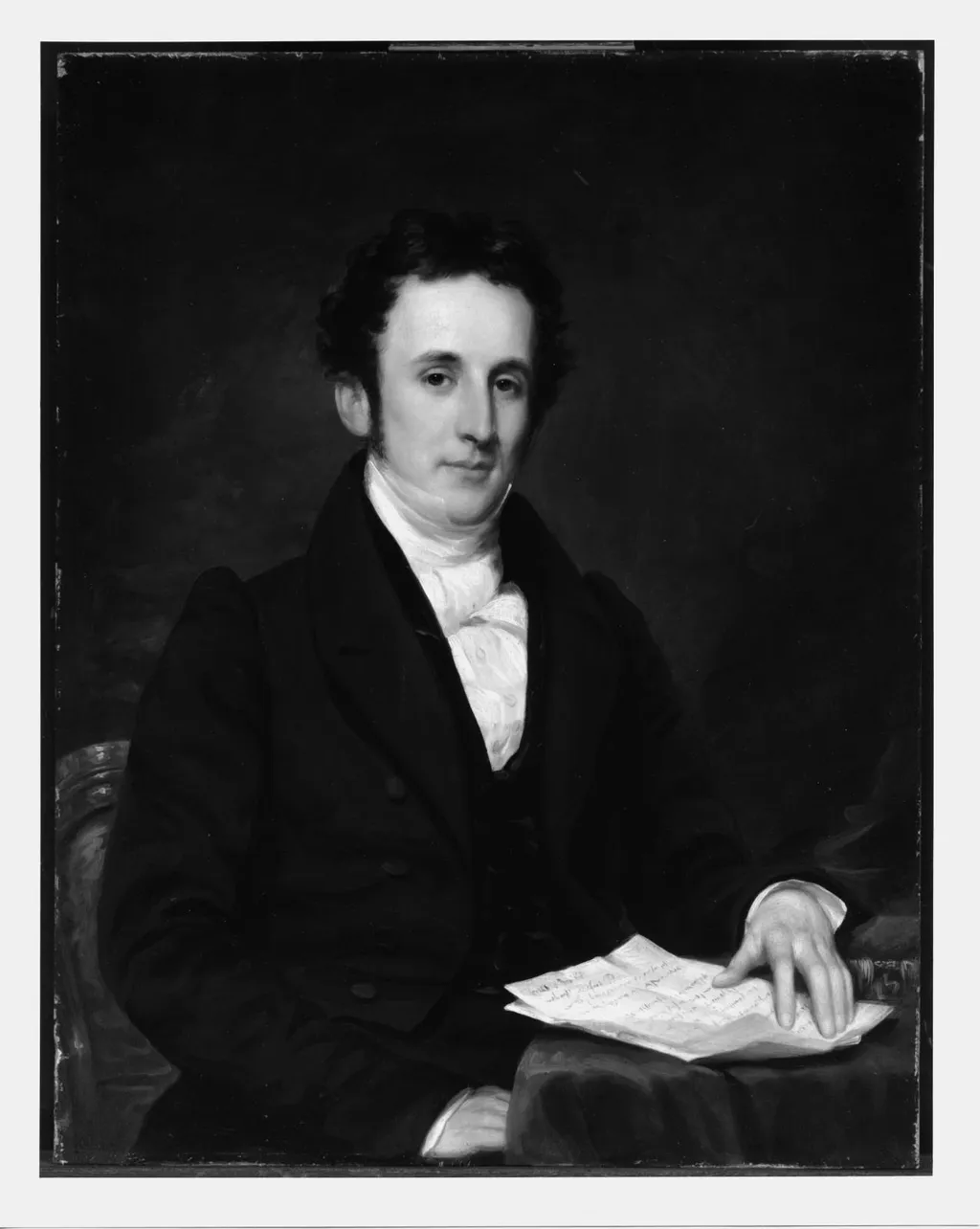
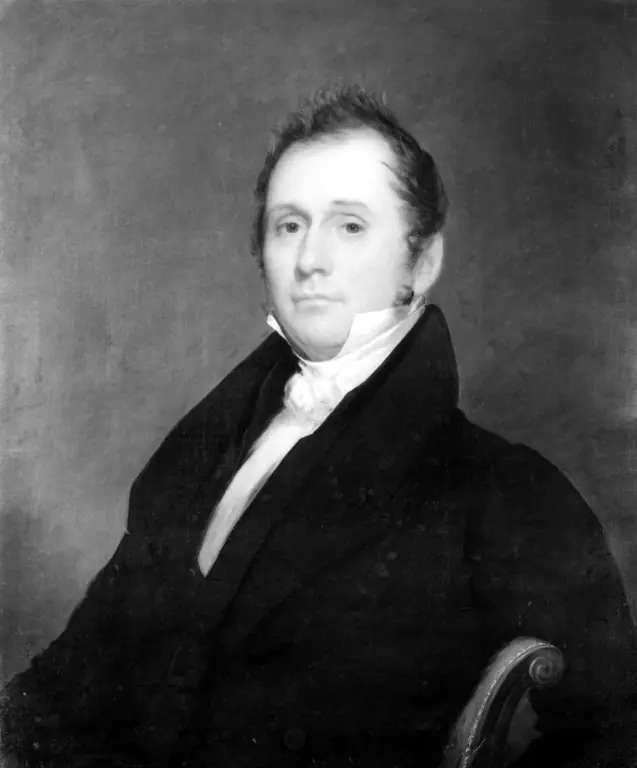
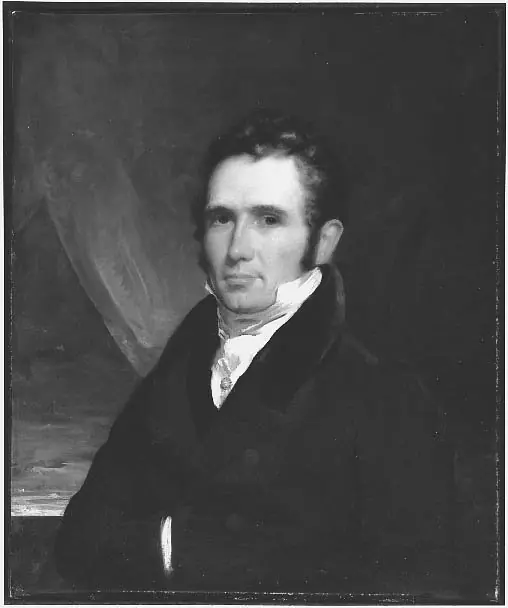
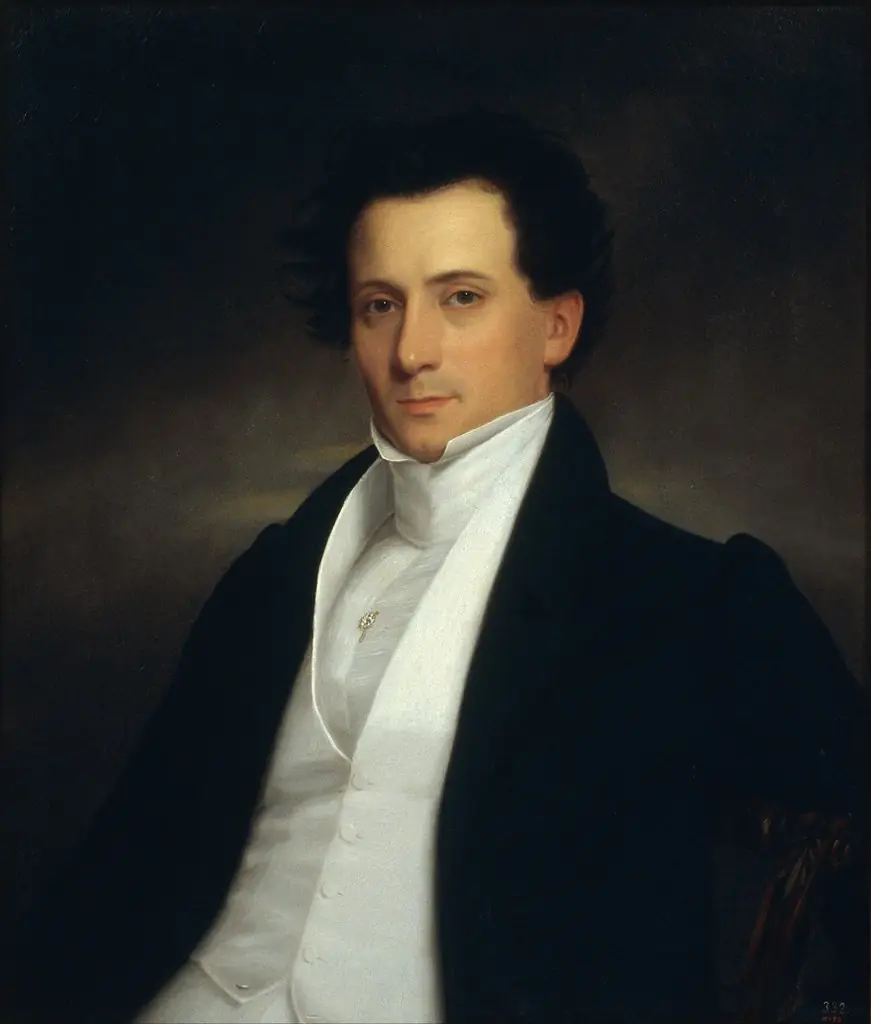
Charles Addoms is an unspecified painting by the American Folk Art artist Samuel Lovett Waldo. It dates from 1831 and is held in the collection of the Museum of Fine Arts Boston.
About this work
Overview
The work is part of the collection at the Museum of Fine Arts, Boston, and reflects the conventions of American portraiture during the early nineteenth century.
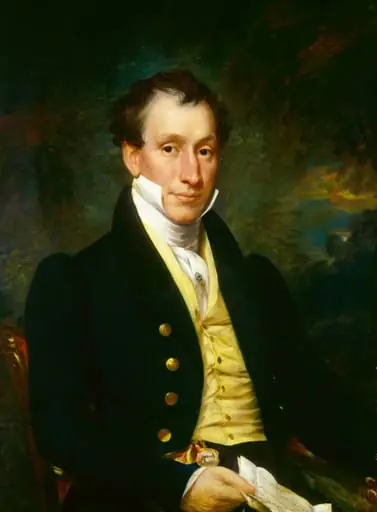
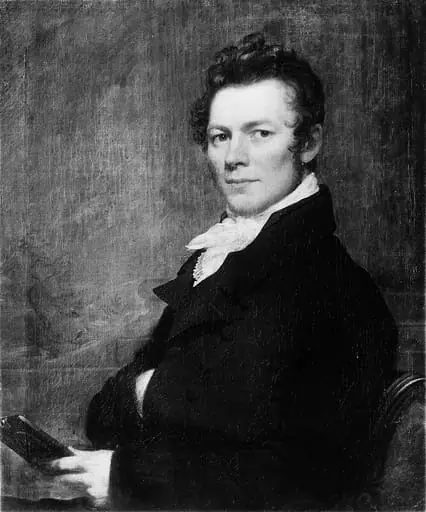
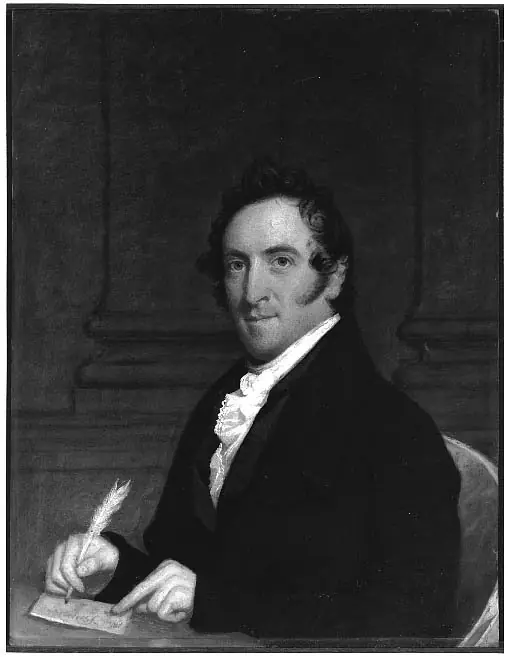
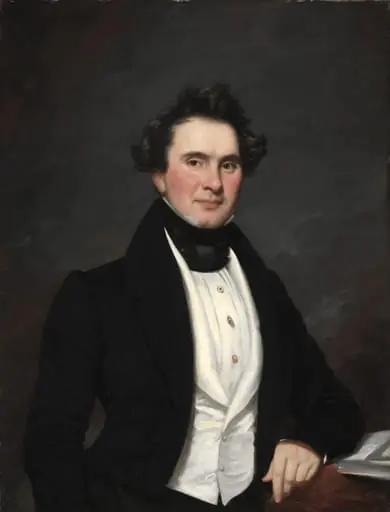
Painted in 1831 by Samuel Lovett Waldo, this portrait depicts Charles Addoms, a figure whose professional identity is suggested through his attire and posture. The work is part of the collection at the Museum of Fine Arts, Boston, and reflects the conventions of American portraiture during the early nineteenth century. Its restrained composition and attention to detail align with the period’s emphasis on dignity and individual presence.
Subject & Meaning
Charles Addoms is shown seated at a desk, holding papers in his right hand, suggesting engagement in scholarly or administrative work. His black jacket, high-collared white shirt, and neatly combed dark hair convey a sense of propriety and professional standing. The absence of overt symbols of status or achievement invites interpretation centered on quiet competence rather than public acclaim, characteristic of middle-class portraiture of the era.
Technique & Style
Waldo employs a refined, linear approach typical of early 19th-century American portraiture. Soft modeling defines the face and hands, while the clothing is rendered with precise brushwork to suggest texture without excess ornamentation. The background is muted, directing focus to the figure’s posture and expression. Lighting is even and naturalistic, avoiding dramatic contrasts in favor of clarity and restraint.
History & Provenance
The painting was completed in 1831 and entered the Museum of Fine Arts, Boston’s collection at an undetermined date. No documented ownership history prior to its acquisition by the museum is publicly available. Its preservation in a major institution suggests early recognition of its artistic merit, though its original commission and context remain unrecorded.
Context
During the 1830s, American portraiture increasingly emphasized individual character over aristocratic symbolism. Artists like Waldo catered to a growing middle class seeking to document professional identity. Addoms’ portrait fits this trend, reflecting a cultural shift toward valuing intellectual labor and personal decorum over inherited status, particularly in urban centers like Boston.
Legacy
Though not widely exhibited beyond institutional circles, the portrait remains a representative example of Waldo’s skill in capturing quiet dignity. It contributes to the understanding of how early American artists portrayed non-elite professionals, offering insight into the visual language of respectability during a formative period in U.S. cultural history.
Artist & collection