Artwork
Edward Lander
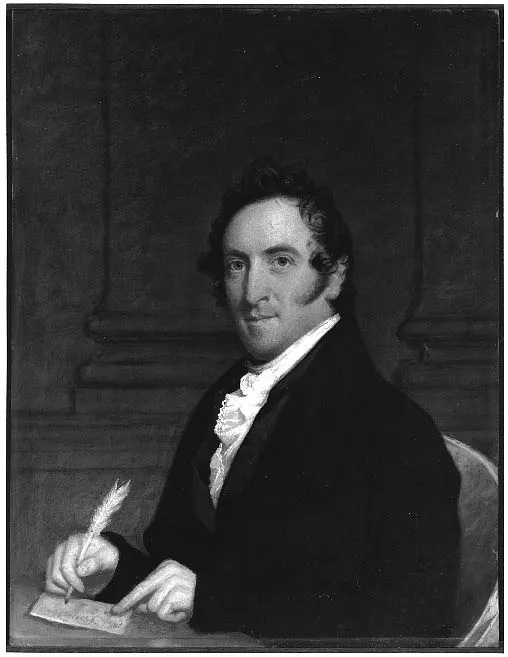
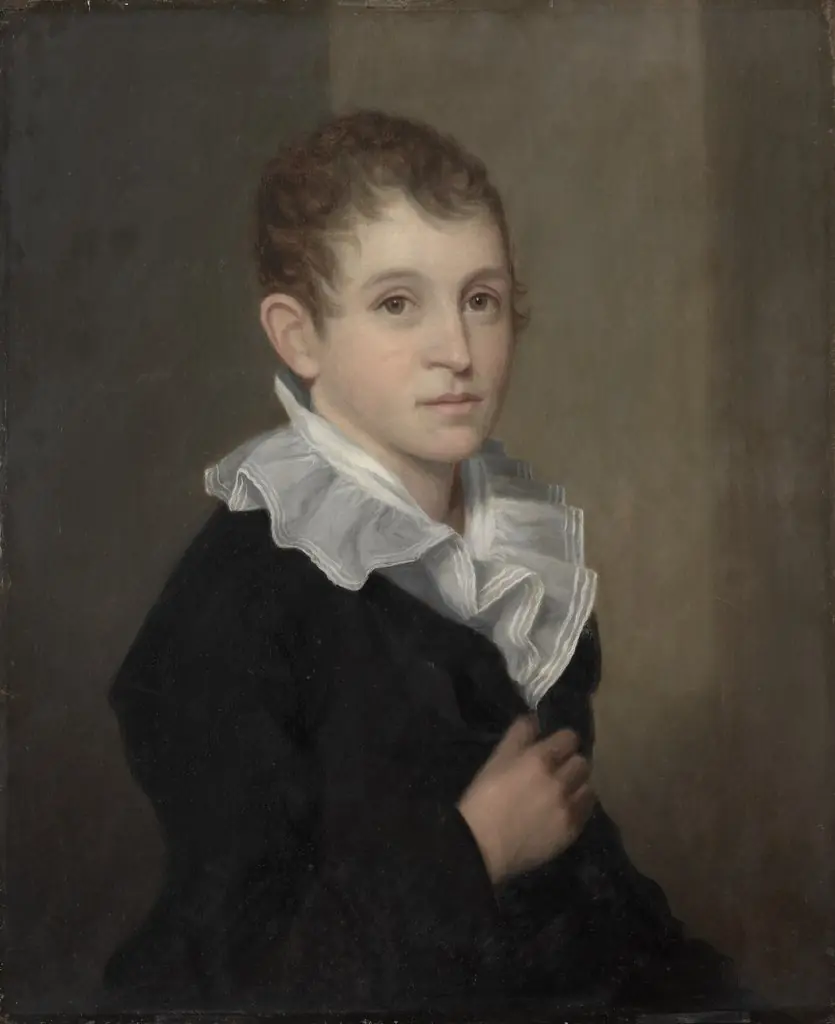
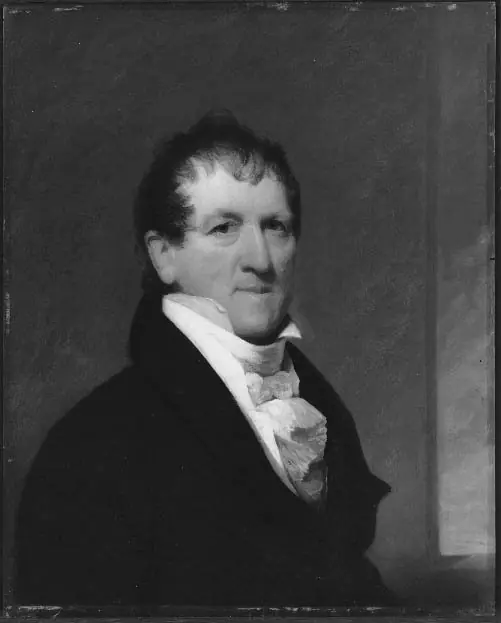
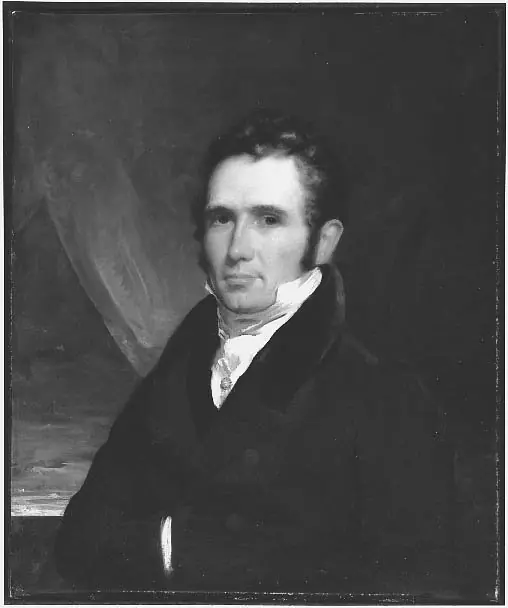
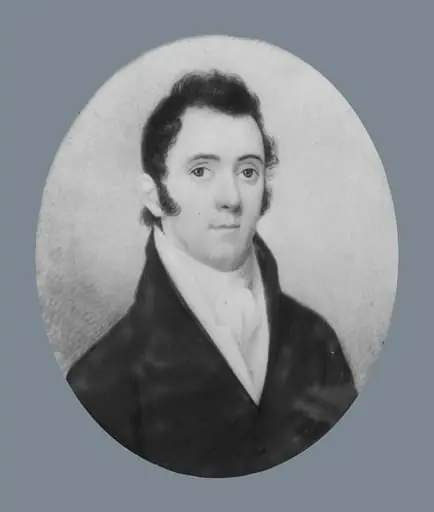
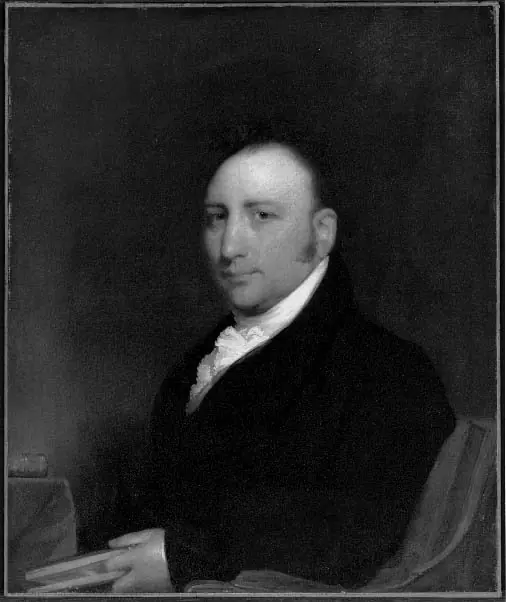
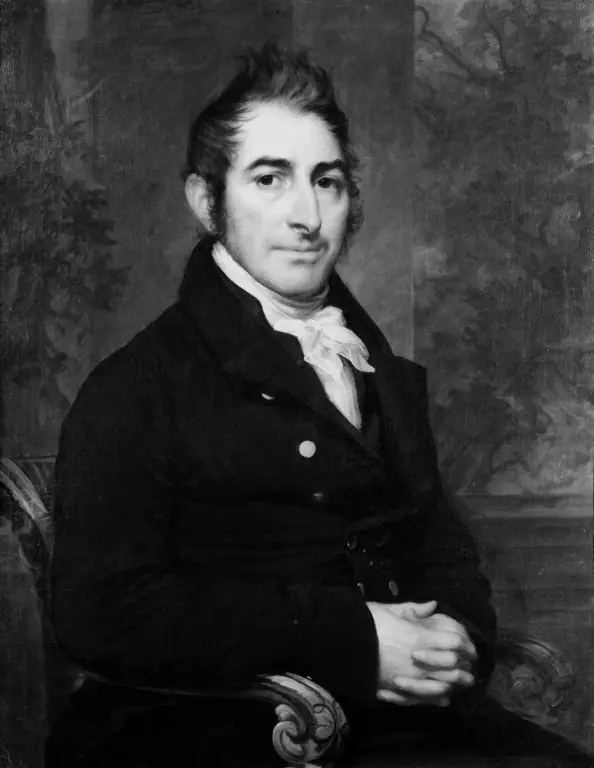
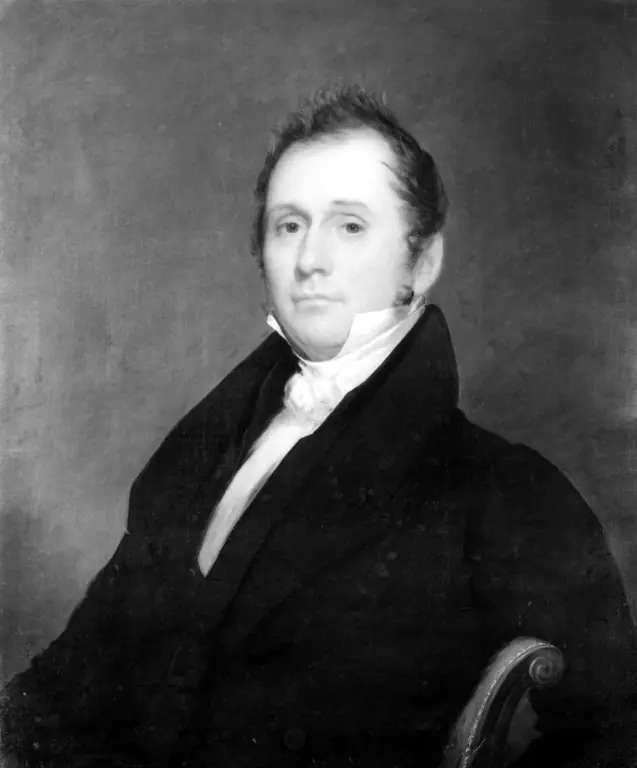
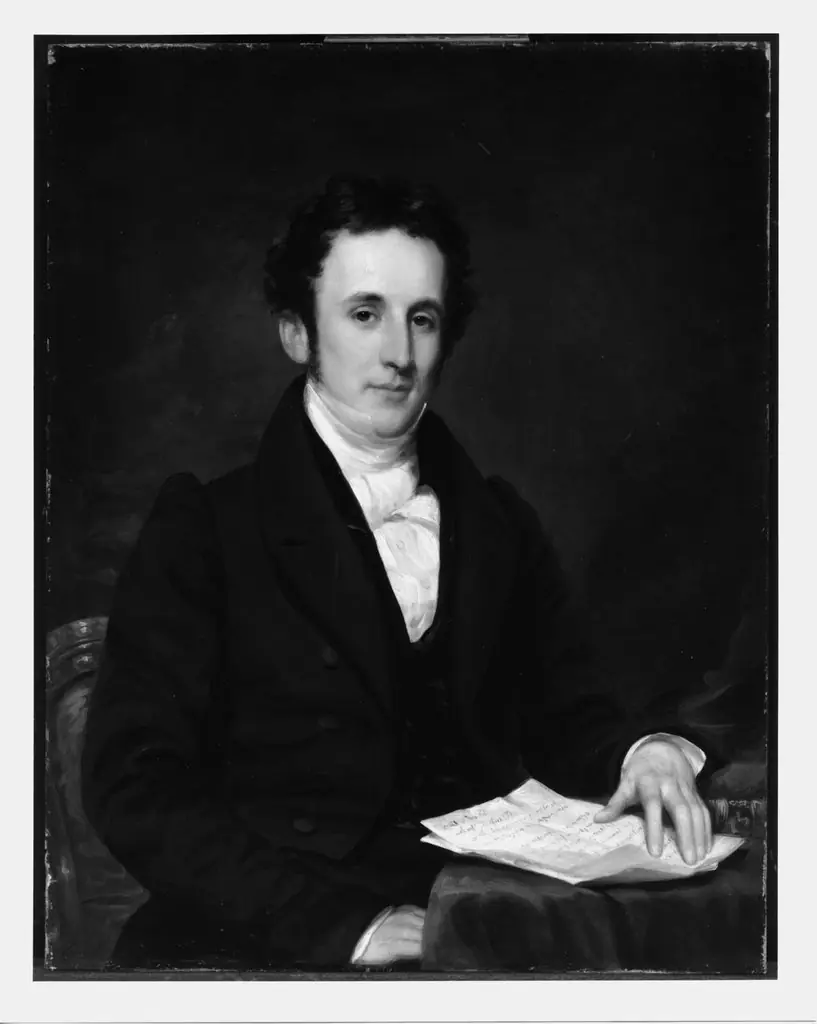
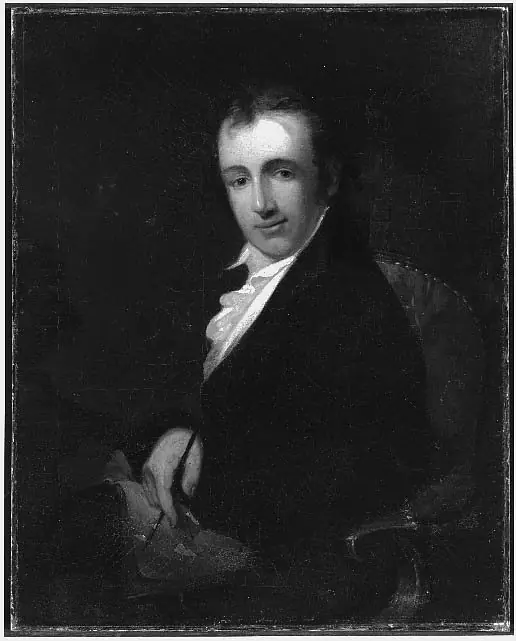
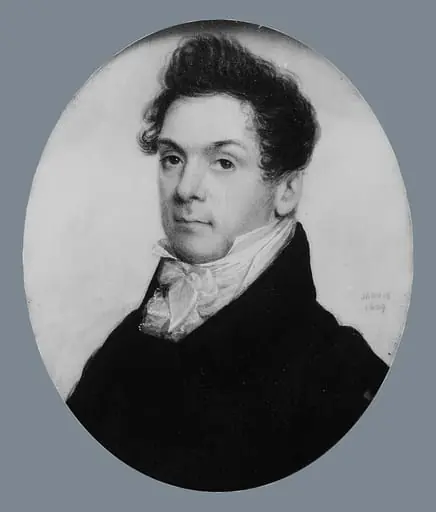
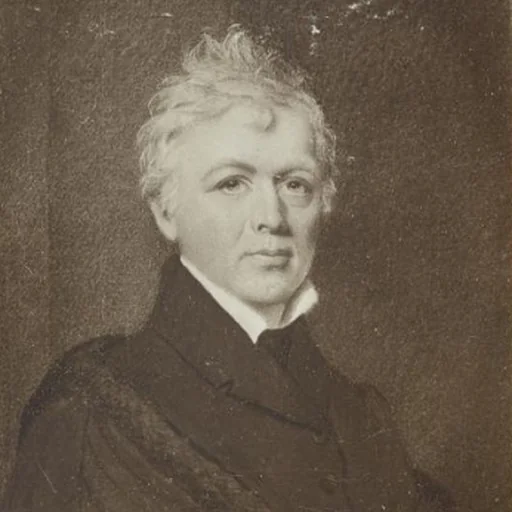
Edward Lander is an unspecified painting by the American Folk Art artist James Frothingham. It dates from 1821 and is held in the collection of the Museum of Fine Arts Boston.
About this work
His eyes are cast downward, as if he is focused on the paper in front of him.
This painting is a portrait of a man sitting at a desk, holding a quill pen. He is wearing a dark jacket and a white shirt with a ruffled collar. The background is dark, with some faint lines suggesting a wall or paneling.
The man's face is serious, with a slight smile. His hair is dark and curly, and he has a prominent nose and chin. His eyes are cast downward, as if he is focused on the paper in front of him.
The painting is a good example of a portrait from the early 19th century. You might also want to check out other works by James Frothingham.
Overview
James Frothingham, a 19th-century American portraitist based in Massachusetts and New York, painted Edward Lander in 1821. The work is categorized within American folk art, reflecting a straightforward, unembellished approach to likeness. It resides in the Museum of Fine Arts, Boston, as part of its collection of early American portraiture. Frothingham, known for his quiet realism, also mentored his daughter Sarah C. Frothingham, who became a painter in her own right.
Subject & Meaning
Edward Lander is portrayed as a man engaged in intellectual labor, seated at a desk with a quill in hand. His expression is composed—slightly smiling, eyes lowered—as if absorbed in writing. The absence of overt symbols or elaborate setting suggests a focus on personal dignity rather than social status. The portrait conveys an air of quiet diligence, typical of early 19th-century ideals of civic and professional responsibility.
Technique & Style
Frothingham employed a restrained palette and soft modeling to render Lander’s features. The dark background isolates the figure, emphasizing his form without distraction. Subtle brushwork defines the ruffled collar and curly hair, while the lighting is even, avoiding dramatic contrasts. The composition is frontal and intimate, characteristic of folk portraiture, where accuracy of appearance outweighed theatrical flourish.
History & Provenance
Painted in 1821, the portrait remained in private hands before entering the Museum of Fine Arts, Boston’s collection. Its provenance reflects the common trajectory of American folk art—transitioning from domestic spaces to institutional preservation. No records indicate Lander’s identity beyond his name, suggesting he was a local figure rather than a public personality, underscoring the portrait’s role as a personal commemoration.
Context
In the early 1800s, portraiture in America was often produced by itinerant or regional artists for middle-class patrons. Frothingham operated within this tradition, offering accessible likenesses without academic training. The portrait of Lander aligns with contemporaneous works that valued clarity and sincerity over grandeur, mirroring the democratic ethos of the young republic and the growing importance of individual identity.
Legacy
Frothingham’s work, including this portrait, contributes to the understanding of early American visual culture beyond elite artistic circles. While not widely known today, his paintings offer insight into the aesthetic values of non-urban communities. The preservation of Edward Lander in a major museum affirms the significance of folk portraiture in documenting ordinary lives during a formative period in U.S. history.
Artist & collection
Artist
James Frothingham (1786–1864) was an American portrait painter in Massachusetts and New York. He was the father of the painter Sarah C. Frothingham.