Artwork
Portrait of a Man
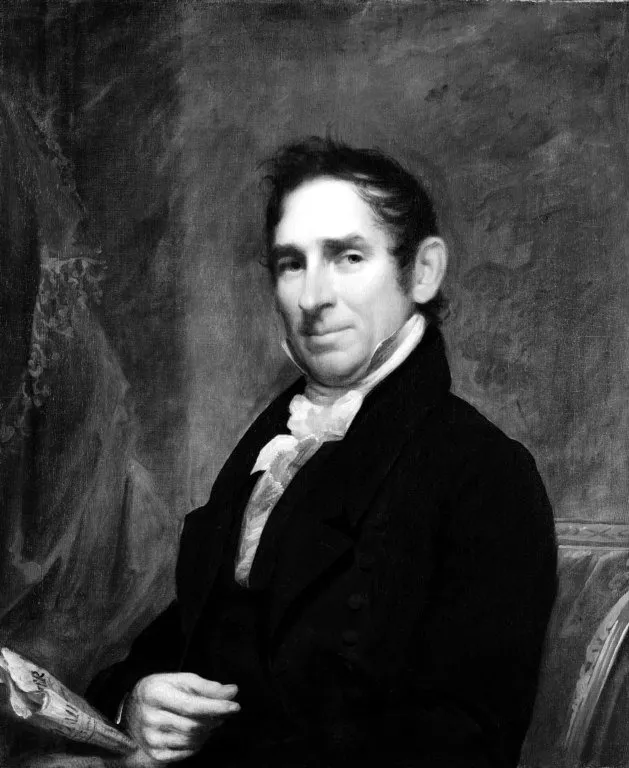
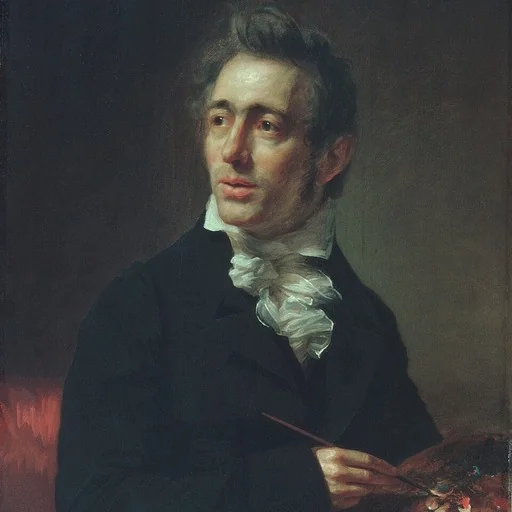
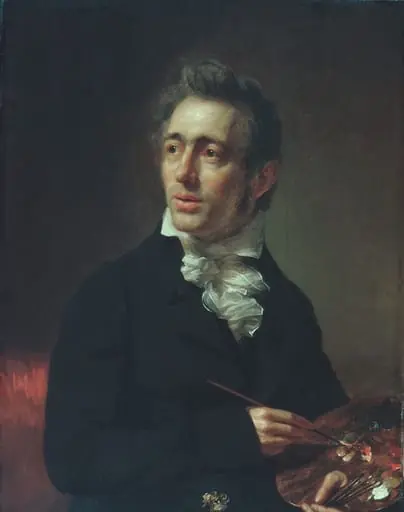
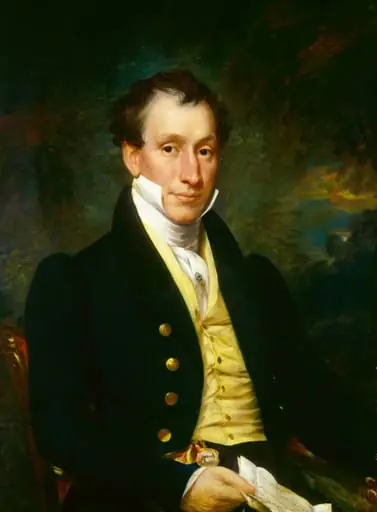
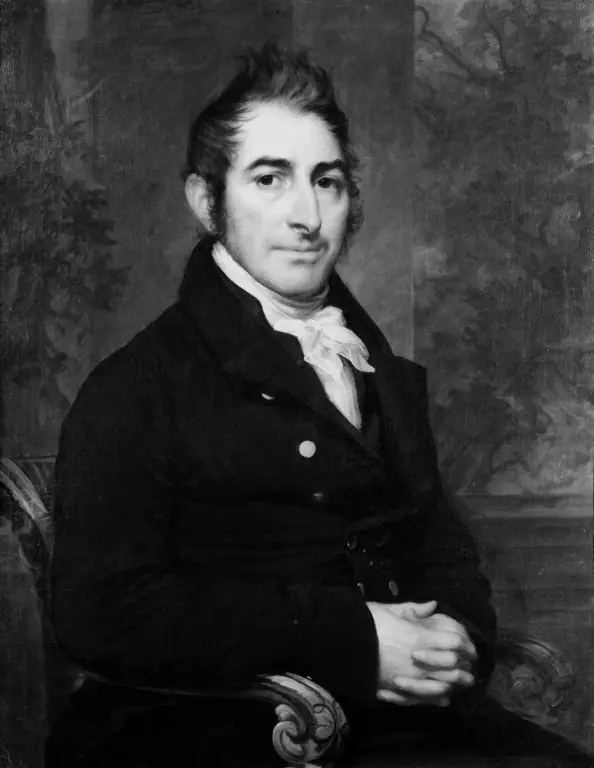
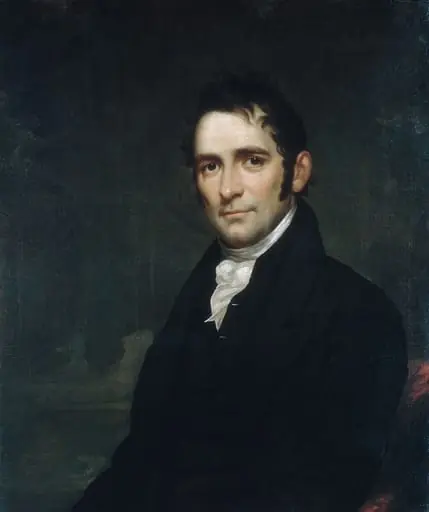
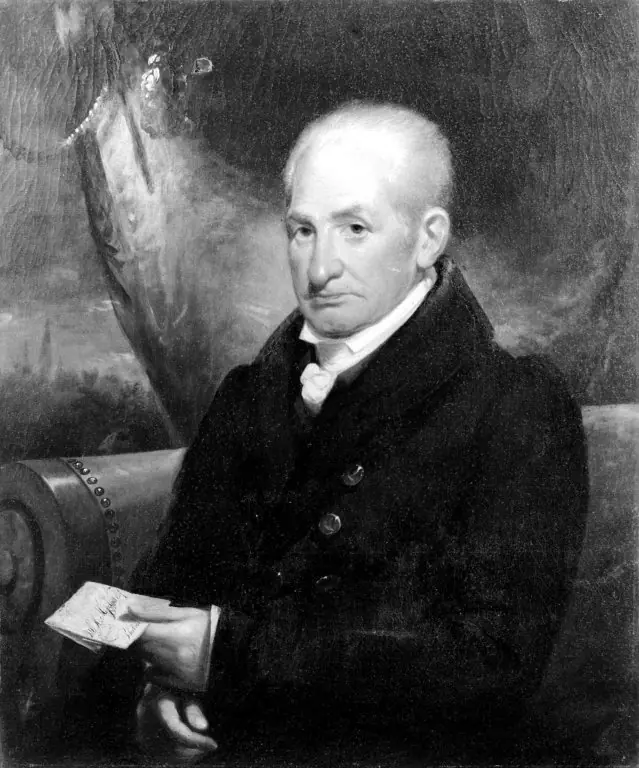
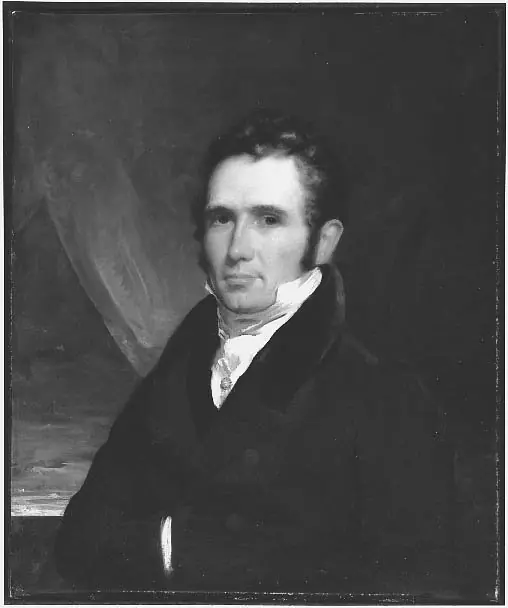
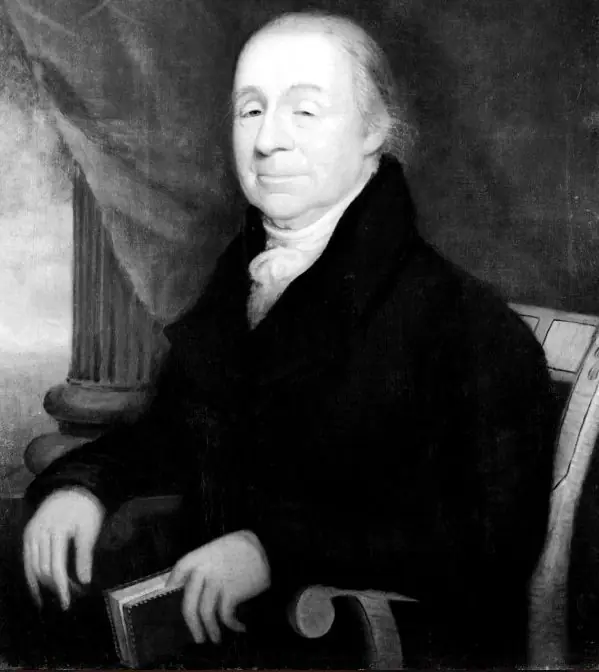
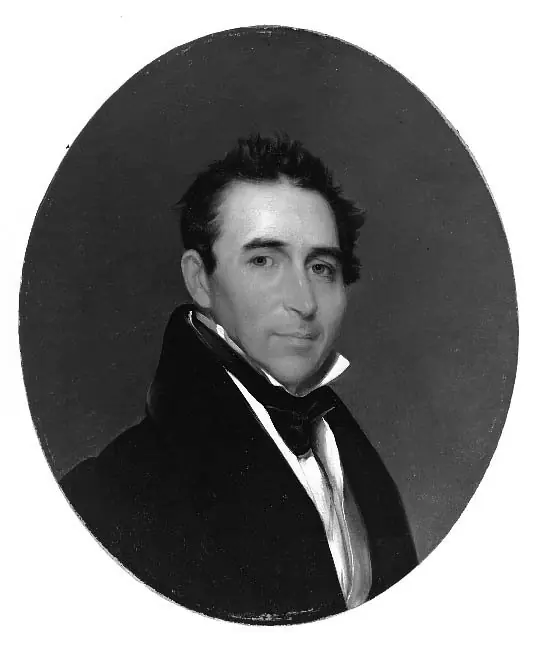
Portrait of a Man is an oil painting by the American Folk Art artist Samuel Lovett Waldo. It dates from 1815 and is held in the collection of the Brooklyn Museum.
About this work
The artist who created this painting used oil paint to capture the details of the man's face and clothing.
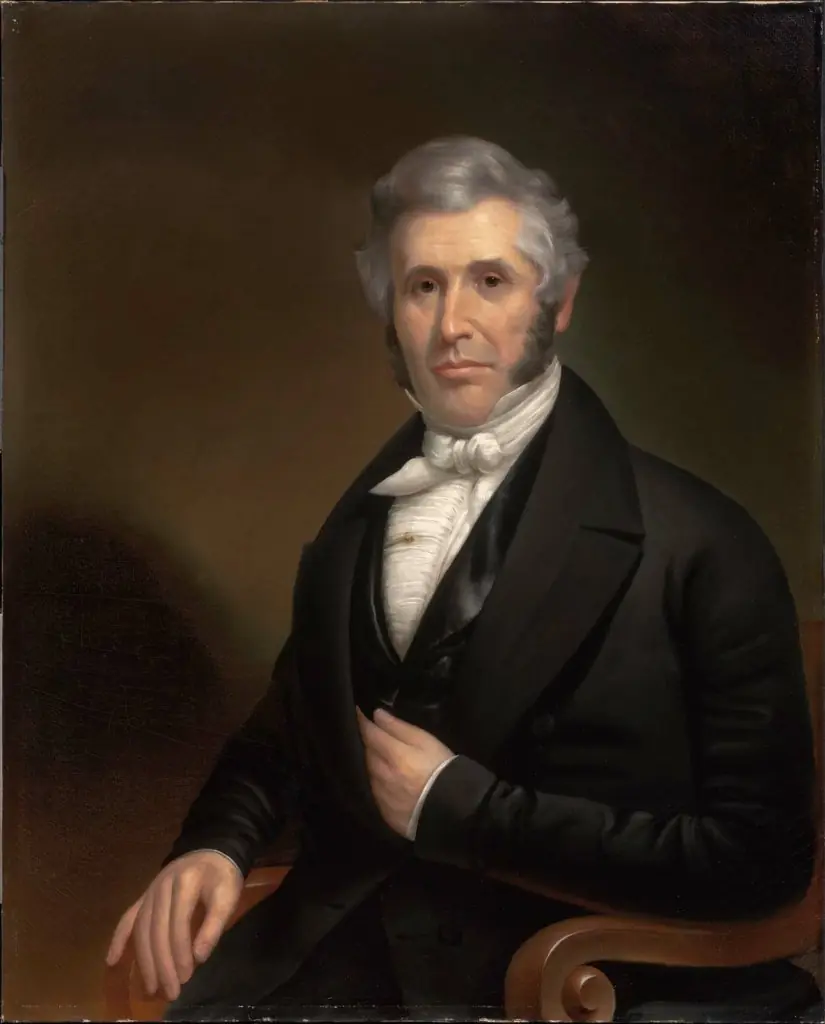
This painting is a portrait of a man. He is wearing a dark jacket over a white shirt with a high collar. The background is a mottled brown color.
The man is holding a piece of paper in his left hand. His hair is dark and styled in a way that was popular during the early 19th century. The overall mood of the painting is serious and formal.
The artist who created this painting used oil paint to capture the details of the man's face and clothing. You can learn more about the artist's technique by exploring the use of chiaroscuro.
Overview
Samuel Lovett Waldo’s oil portrait, dated 1815, depicts an unidentified gentleman in a formal pose. The canvas is part of the Brooklyn Museum’s collection, where it is displayed among early‑American works. The composition centers on the sitter, whose serious expression and restrained attire convey the conventions of portraiture in the early nineteenth century.
Subject & Meaning
The figure is shown wearing a dark coat over a crisp white shirt with a high, standing collar, a style typical of the period. He holds a sheet of paper in his left hand, suggesting literacy or professional activity. The subdued brown background isolates the subject, emphasizing his presence and the dignified demeanor expected of a portrait commission.
Technique & Style
Waldo employed oil pigments to render fine details in the subject’s facial features and fabric textures, using subtle chiaroscuro to model light across the cheekbones and jacket. The brushwork is smooth, avoiding visible strokes, which enhances the polished surface typical of American portraitists seeking a refined, lifelike representation.
History & Provenance
Created in 1815, the painting entered the Brooklyn Museum’s holdings through acquisition in the twentieth century, though earlier ownership records are limited. Its presence in the museum’s early‑American collection reflects the institution’s focus on documenting the visual culture of the United States during its formative years.
Artist & collection