Artwork
Untitled
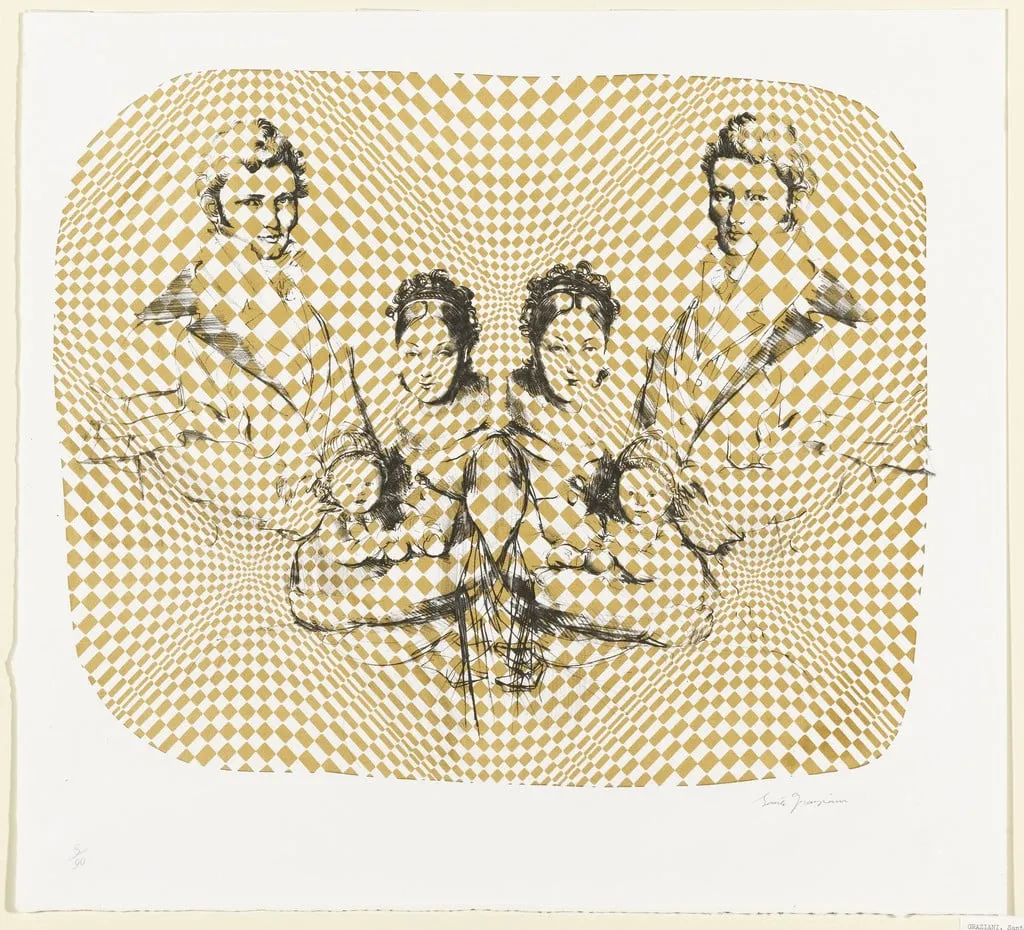
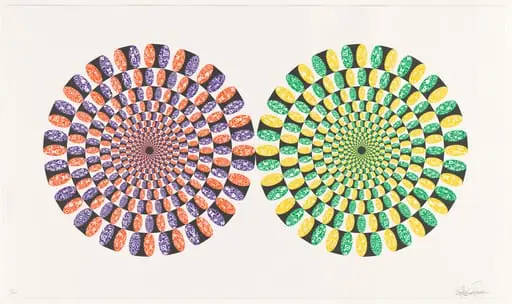
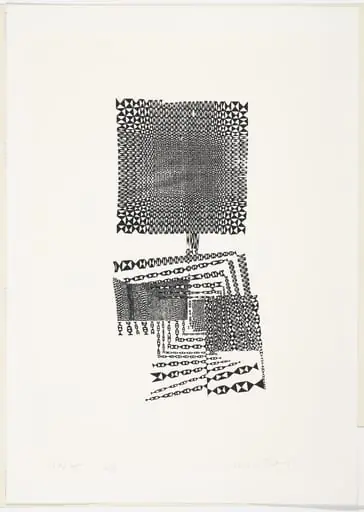
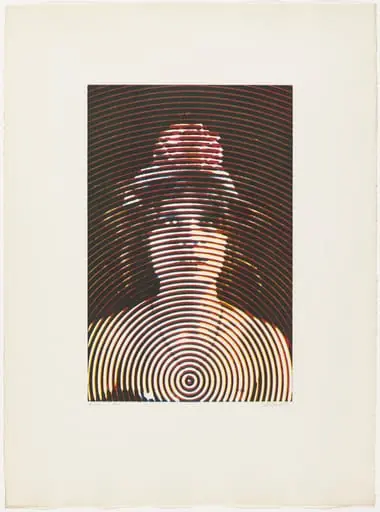
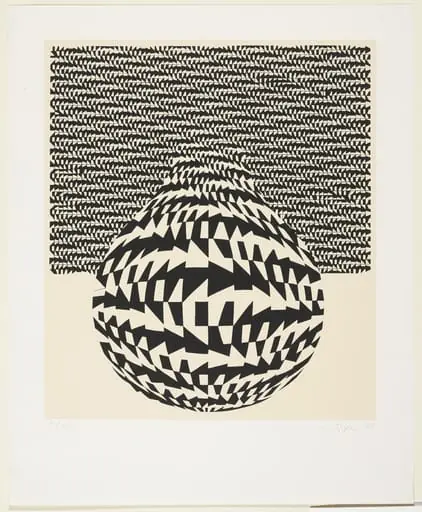
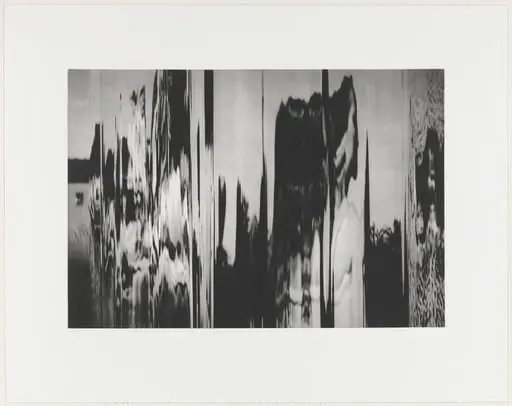
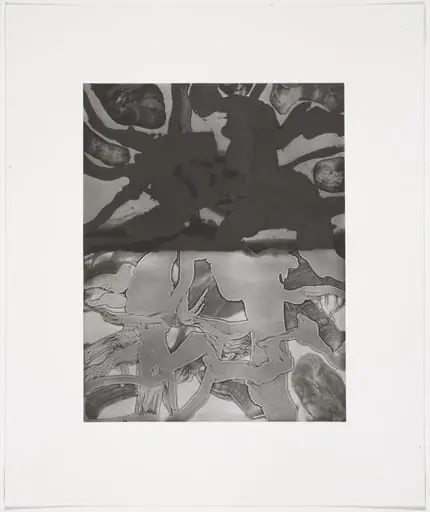
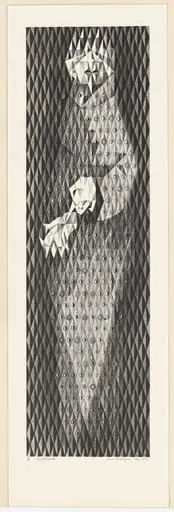
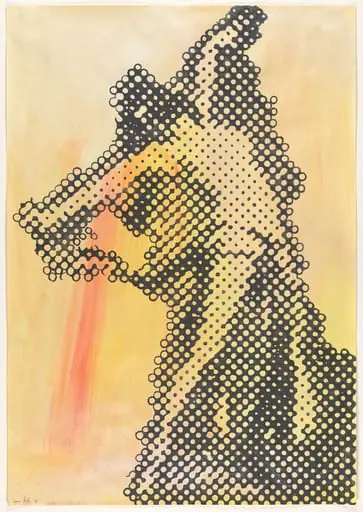
Untitled is an ink print by Sante Graziani. It dates from 1966 and is held in the collection of the Museum of Modern Art.
About this work
Overview
The work resides in The Museum of Modern Art’s collection, reflecting its significance within mid-century American printmaking.
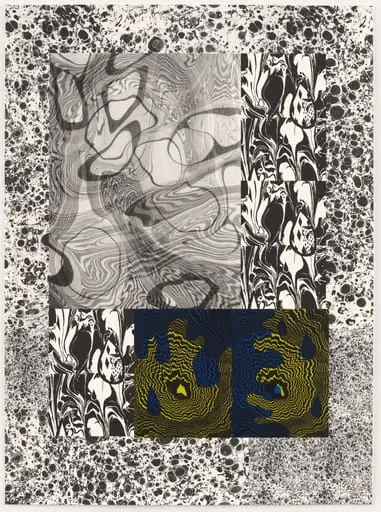
Created in 1966, this print by Sante Graziani combines lithography and screenprinting to produce a monochromatic image of three figures against a dynamic checkered ground. The work resides in The Museum of Modern Art’s collection, reflecting its significance within mid-century American printmaking. Graziani, primarily recognized for public murals, extended his visual language into smaller-scale works like this one, exploring movement and texture through layered techniques.
Subject & Meaning
The three figures, rendered in loose, gestural lines, appear in motion across a patterned field. Their forms are neither clearly defined nor narrative-specific, suggesting anonymity or universality. The lack of contextual detail invites interpretation as a study of human presence rather than a story. The interplay between the sketchy figures and the rigid grid implies tension between individuality and structure, a recurring theme in Graziani’s work.
Technique & Style
Graziani employed both lithographic and screenprinted layers to build tonal depth and texture. The figures are defined by dense, cross-hatched shading and fluid contours, contrasting with the sharply defined yellow-and-white checkerboard background. The background’s wavy distortion disrupts the grid’s regularity, introducing visual rhythm. This technical layering enhances the sense of movement, merging precision with spontaneity in a way characteristic of his printmaking approach.
History & Provenance
Produced in 1966, the work entered The Museum of Modern Art’s collection shortly after its creation, indicating early institutional recognition. Graziani, active in New York’s art scene during the 1960s, often exhibited alongside peers engaged in experimental print media. While few details of its initial exhibition history survive, its acquisition by MoMA underscores its relevance within the broader context of American printmaking at the time.
Context
In the mid-1960s, American artists increasingly turned to printmaking as a means to explore abstraction, movement, and social themes beyond traditional painting. Graziani’s work aligns with this trend, sharing affinities with contemporaries who used graphic techniques to convey psychological or spatial tension. His background in muralism informed his interest in scale and composition, even in intimate prints like this one.
Legacy
Though less widely known than some of his peers, Graziani’s prints contribute to the understanding of postwar American printmaking’s diversity. His integration of mural-scale concerns into smaller formats influenced later artists exploring the relationship between public and private imagery. This work remains a quiet example of how technical experimentation in print could evoke motion and presence without overt narrative.
Artist & collection
Artist
Sante Graziani (March 11, 1920 – March 15, 2005) was an American artist and art educator. He was known for his murals, which adorned many public buildings.