Artwork
Study for "The Fall of Gog and Magog"
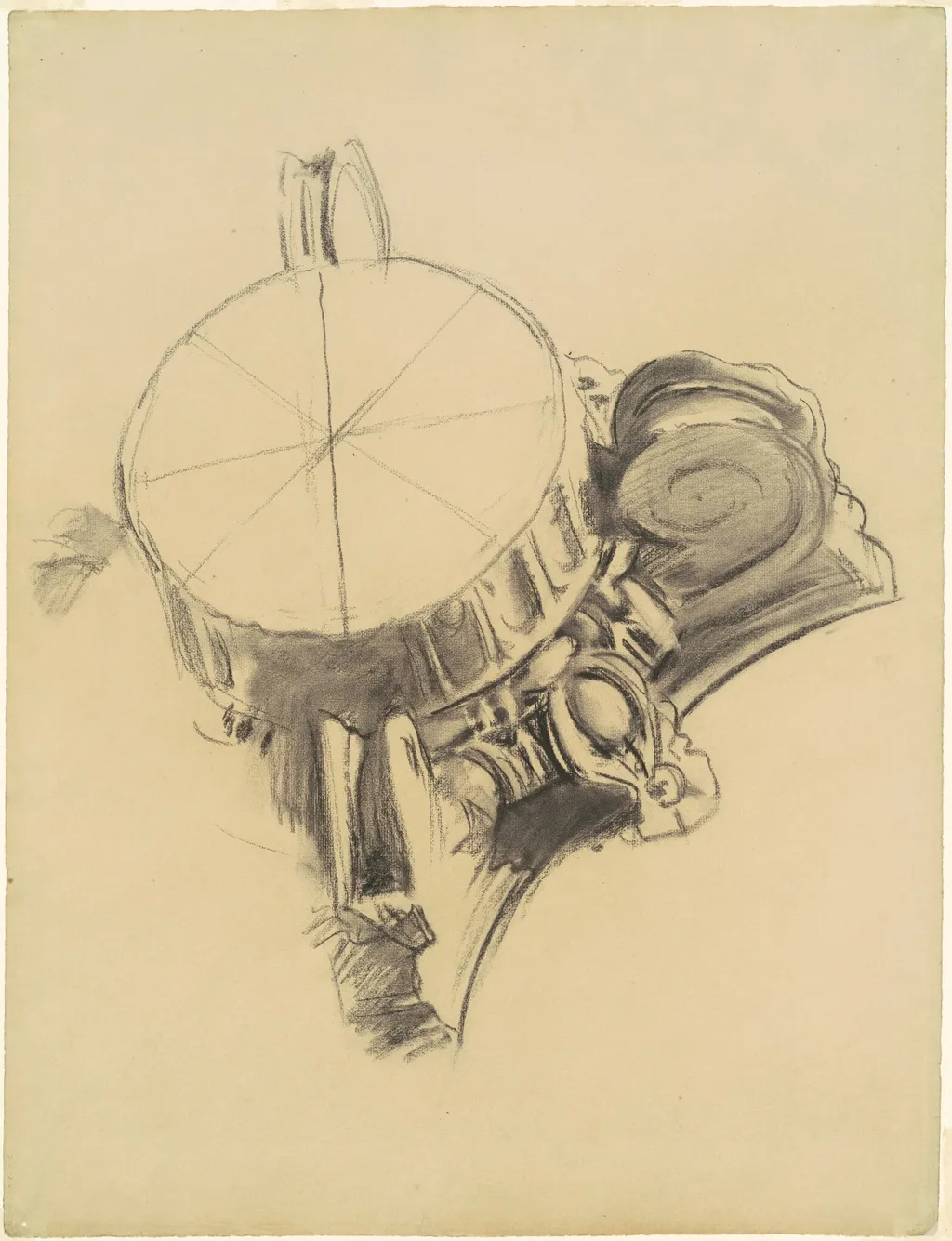
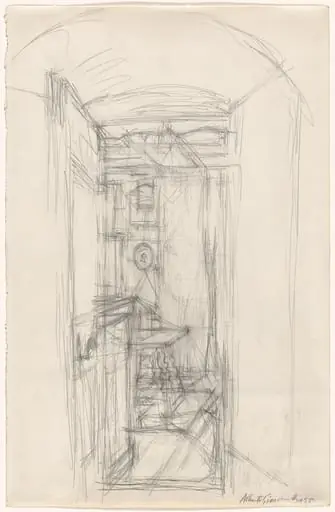
Study for "The Fall of Gog and Magog" is a charcoal drawing by John Singer Sargent. It dates from 1910 and is held in the collection of the National Gallery of Art.
About this work
Overview
Though intended as a study rather than a finished work, the drawing demonstrates the artist’s capacity to convey solid form through monochrome media.
John Singer Sargent’s preparatory drawing for the mural titled “The Fall of Gog and Magog” is executed in charcoal on laid paper. The composition concentrates on a single architectural element—a column capital—rendered with careful attention to its ornamental details and three‑dimensional presence. Though intended as a study rather than a finished work, the drawing demonstrates the artist’s capacity to convey solid form through monochrome media.
Subject & Meaning
The drawing isolates the capital of a classical column, a motif that would later appear within the larger narrative of the mural. By focusing on this architectural fragment, Sargent emphasizes the structural backdrop against which the biblical drama of Gog and Magog will unfold, suggesting that the built environment is integral to the story’s visual context.
Technique & Style
Using charcoal’s range of values, Sargent models the capital’s volutes, flutes, and vertical grooves with subtle gradations of light and shadow. The laid paper surface adds a faint texture that interacts with the charcoal, enhancing the illusion of stone. The work exemplifies his economical line work, where precise hatching and smudging create a convincing sense of depth without reliance on color.
History & Provenance
Created as a preparatory study for the ambitious mural commission, the drawing remained in the artist’s studio before entering a private collection. It later surfaced in an exhibition of Sargent’s preparatory sketches, offering insight into his process of developing large‑scale compositions from detailed studies of individual elements.
Context
During the early 20th century, Sargent engaged in several mural projects that required extensive preparatory work. This study reflects the period’s academic emphasis on rigorous draftsmanship and the revival of classical architectural motifs in public art, aligning the artist with contemporary movements that valued historical references within modern narratives.
Legacy
The charcoal study is frequently cited in scholarship on Sargent’s mural practice as an example of his methodical approach to composition. It continues to inform curators and students about the role of detailed architectural studies in translating complex biblical themes into monumental visual programs.
Artist & collection
Artist
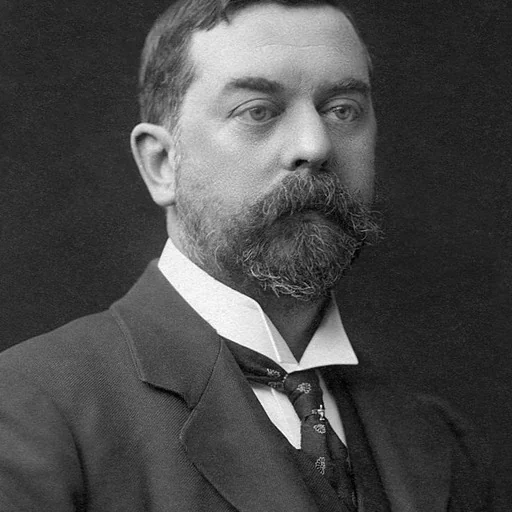
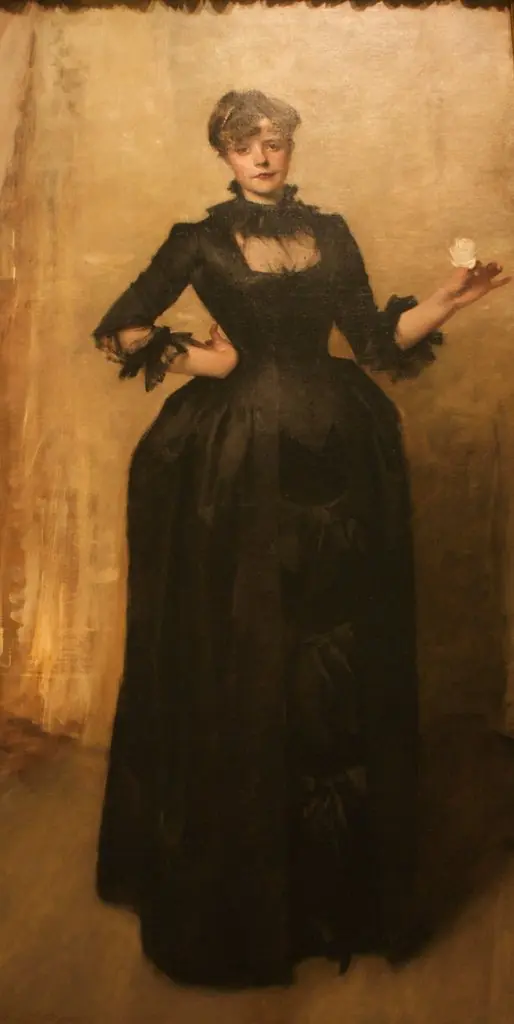
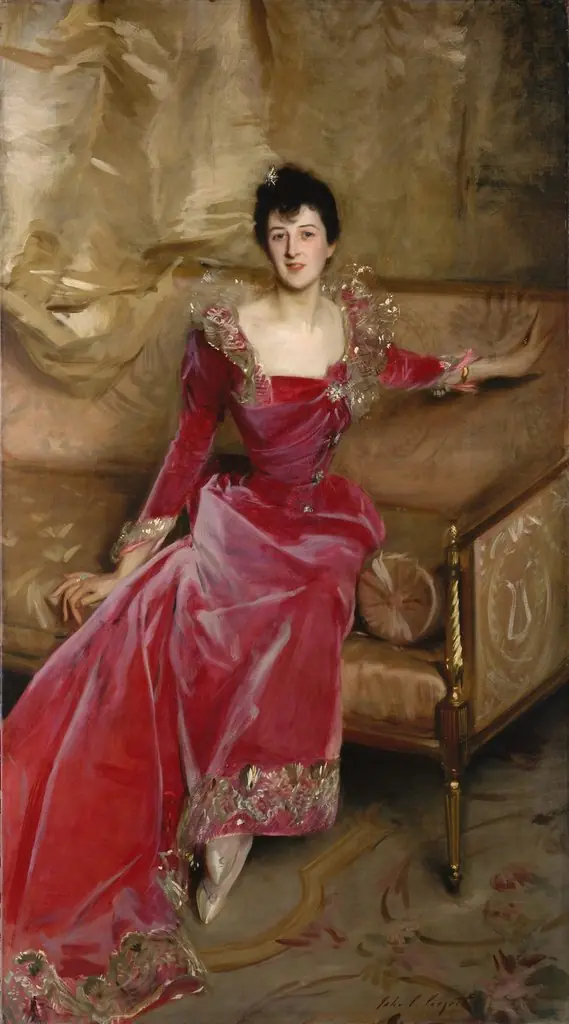
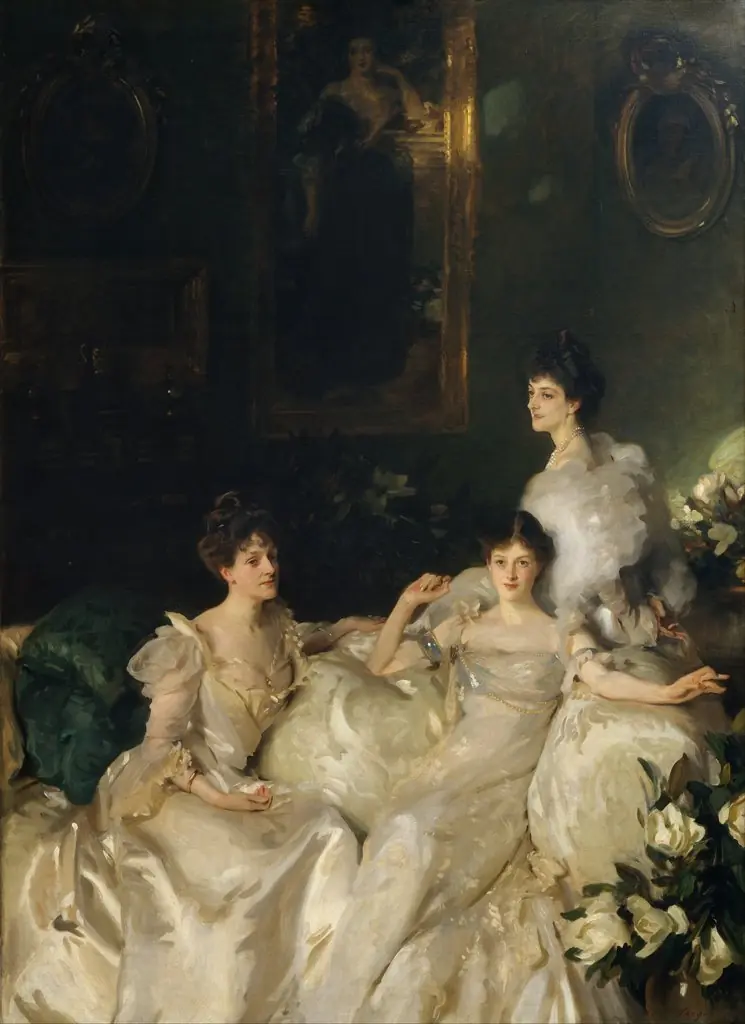
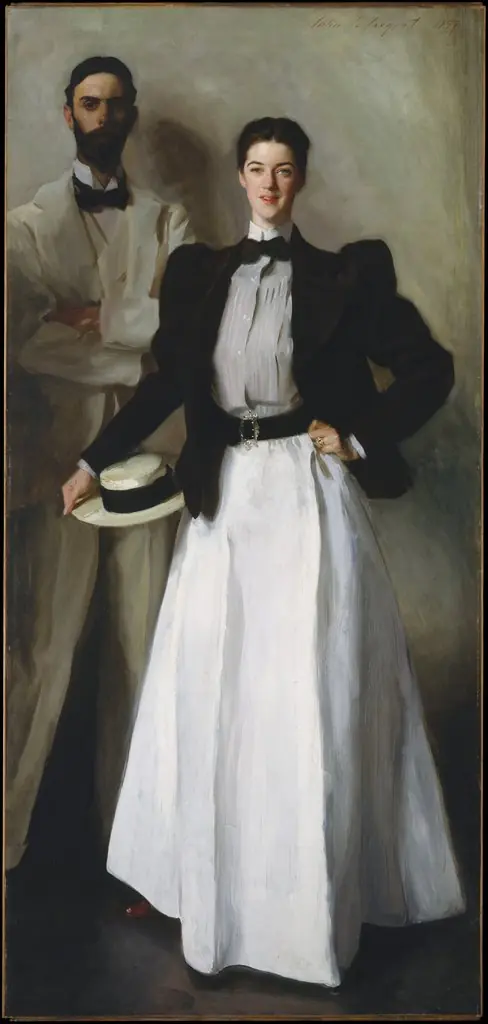
John Singer Sargent (; January 12, 1856 – April 15, 1925) was an American expatriate artist, considered the "leading portrait painter of his generation" for his evocations of Belle Époque and Edwardian-era luxury.

![Study for "Shoeing Calvary Horses at the Front" [verso], by John Singer Sargent](https://artifactworldgallery.com/img/john-singer-sargent--study-for-shoeing-calvary-horses-at-the-front-verso--6f6d1a163e84e9ab-w320.webp)