Artwork
Troițele
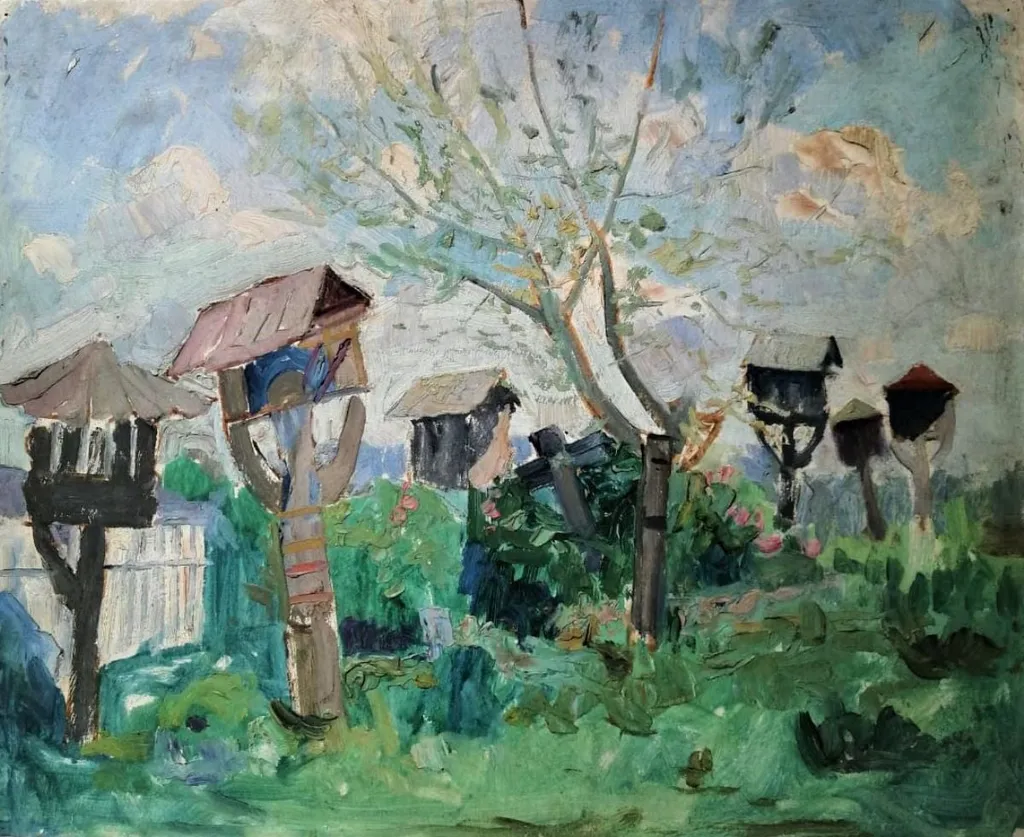
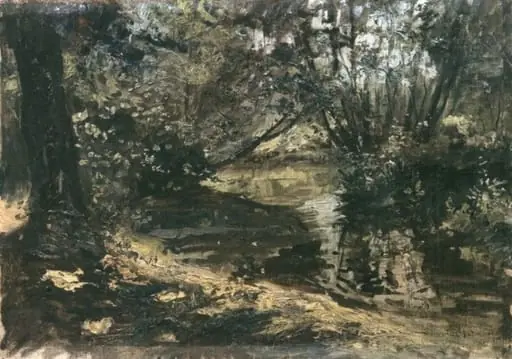
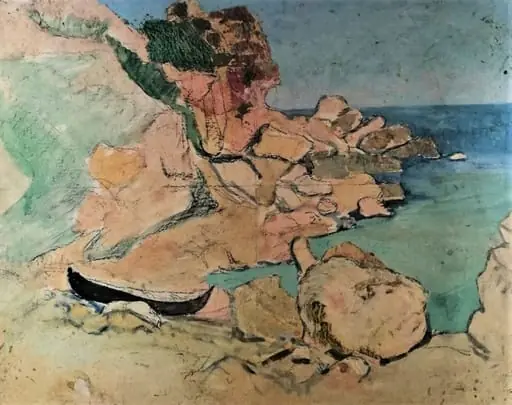
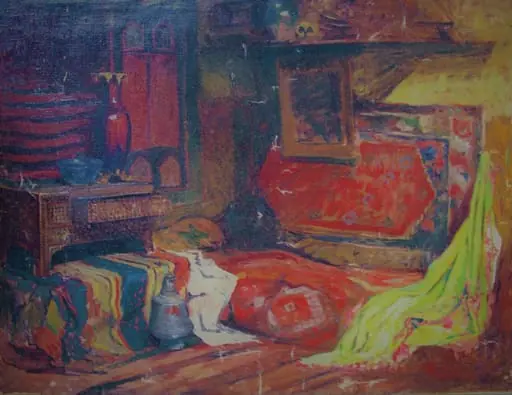
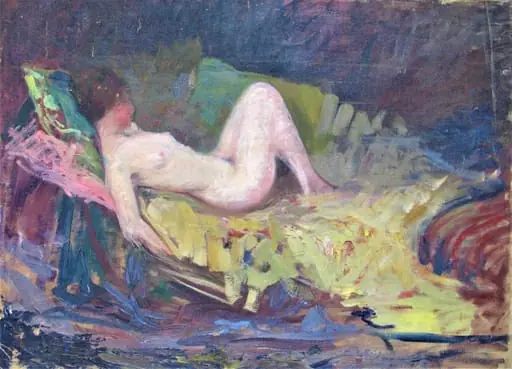
Troițele is a print by Alexandru Carol Satmary. It dates from 1911 and is held in the collection of the Bucharest Municipality Museum.
About this work
Overview
The work is part of the collection at the Museum of Ethnography, where it reflects early 20th-century Romanian artistic engagement with local environments.
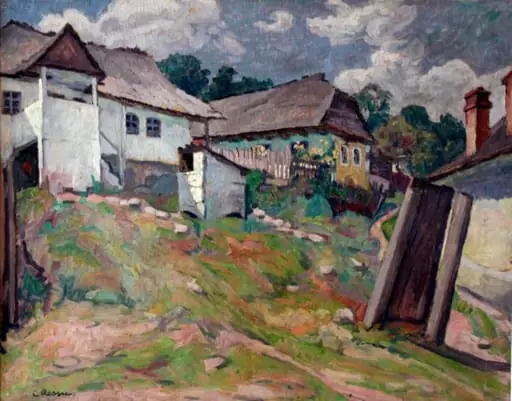
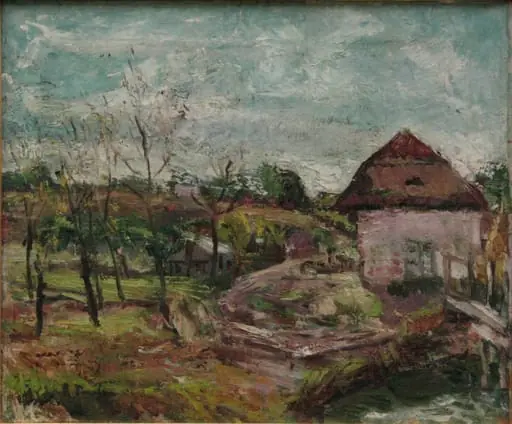
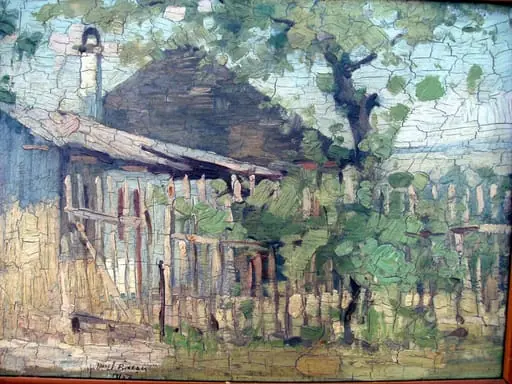
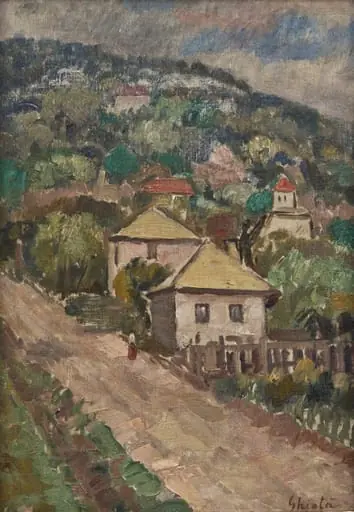
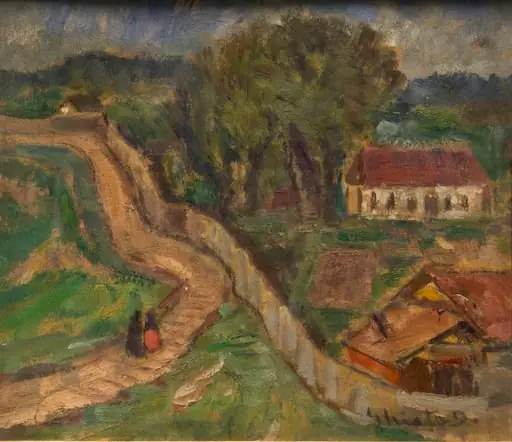
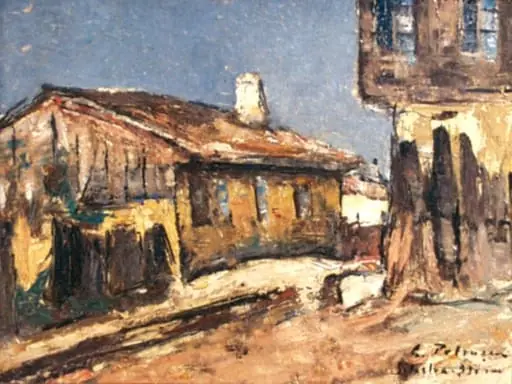
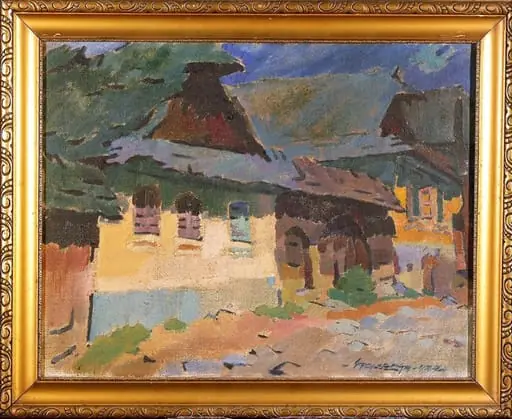
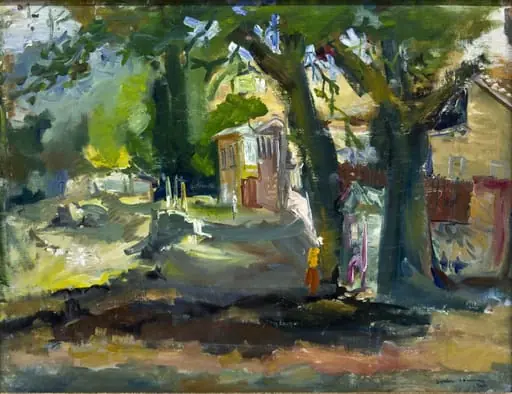
Troițele, painted around 1911 by Alexandru Carol Satmary, is a quiet landscape depicting a rural scene in Romania. The work is part of the collection at the Museum of Ethnography, where it reflects early 20th-century Romanian artistic engagement with local environments. Its subdued palette and unadorned composition suggest an interest in everyday rural life rather than idealized or dramatic narratives.
Subject & Meaning
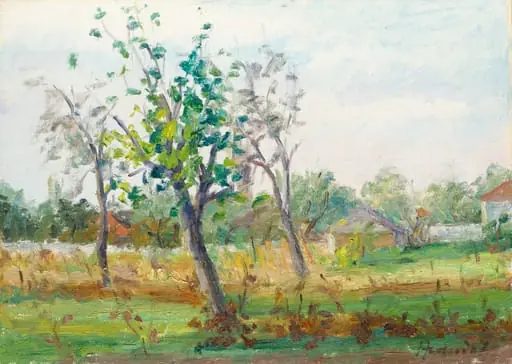
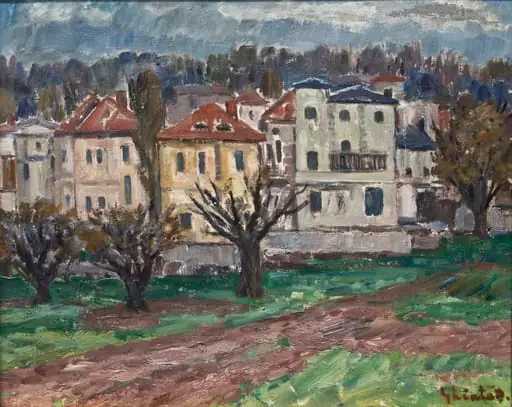
The painting presents a modest village setting with small, unadorned dwellings surrounded by bare trees and sparse vegetation. The absence of human figures and the stillness of the scene evoke solitude and seasonal transition. The title, meaning 'wayside crosses,' hints at spiritual or memorial undertones, though no crosses are visible—suggesting a poetic reference to the quiet sanctity of the landscape itself.
Technique & Style
Satmary employs a restrained palette of browns, grays, and muted greens, with soft contrasts between the blue sky and white clouds. Brushwork is deliberate but not detailed, favoring broad forms over fine texture. The composition is balanced and shallow, drawing attention to the horizon and the skeletal trees, reinforcing a sense of calm and temporal stillness characteristic of early modern Romanian landscape painting.
History & Provenance
Created circa 1911, Troițele entered the collection of the Museum of Ethnography in Bucharest, where it has remained since. Its acquisition reflects institutional interest in documenting vernacular Romanian life during a period of national cultural consolidation. The painting’s modest scale and subject matter align with broader efforts to preserve regional identity through visual art.
Context
In early 20th-century Romania, artists increasingly turned to rural themes as a means of defining national identity beyond urban or foreign influences. Satmary’s work fits within this trend, capturing the quiet rhythms of village life without romanticism. The bare trees and simple architecture reflect seasonal realism and a deliberate rejection of academic grandeur in favor of intimate observation.
Legacy
Troițele remains a quiet example of Romanian modernist landscape painting, valued for its restraint and authenticity. While not widely exhibited outside institutional contexts, it contributes to scholarly understanding of how early 20th-century Romanian artists engaged with their immediate surroundings. Its endurance in the Museum of Ethnography underscores its role as a document of cultural and visual history.
Artist & collection
Artist
Alexandru Carol Satmary (1870–1933) was an artist, born in Bucharest.