Artwork
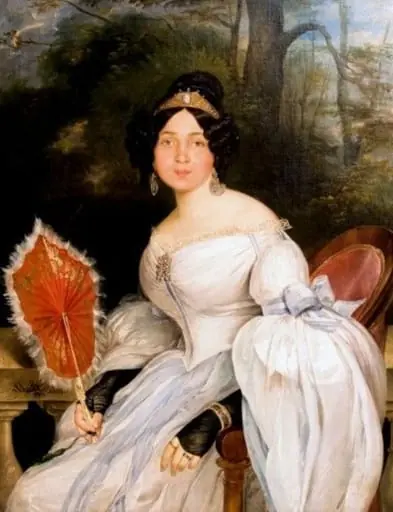
Portret de femeie
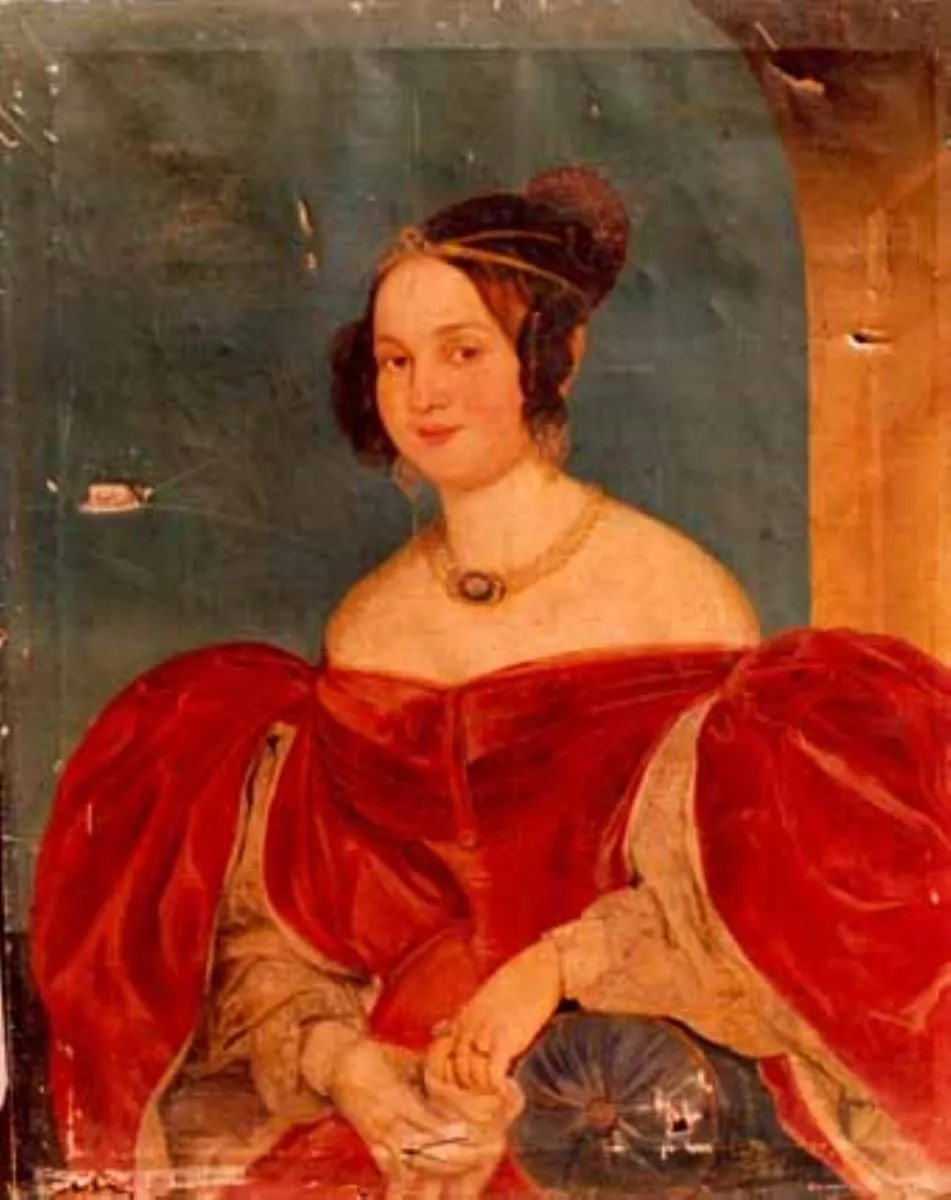
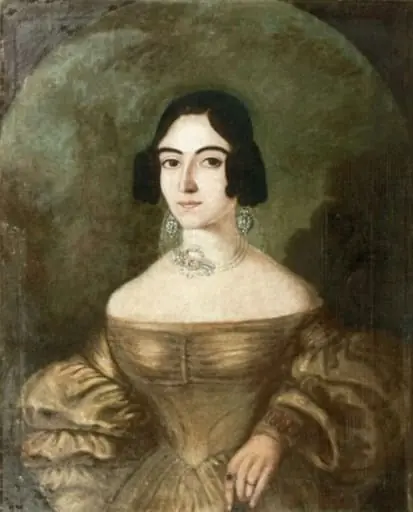
Portret de femeie is an unspecified painting by the Biedermeier artist Joseph August Schöefft. It dates from 1836 and is held in the collection of the Romanian Academy in Bucharest.
About this work
Overview
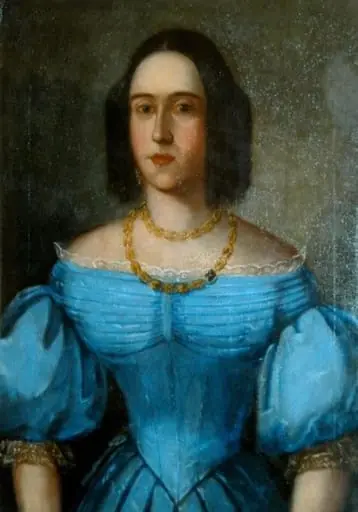
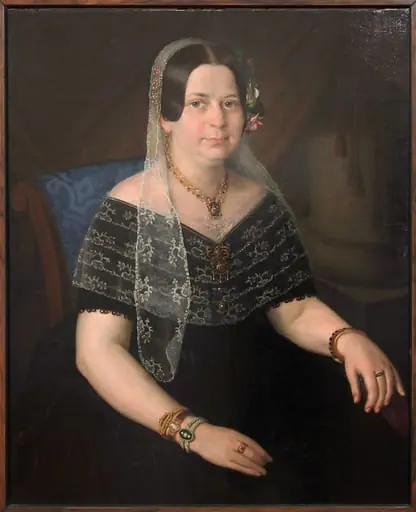
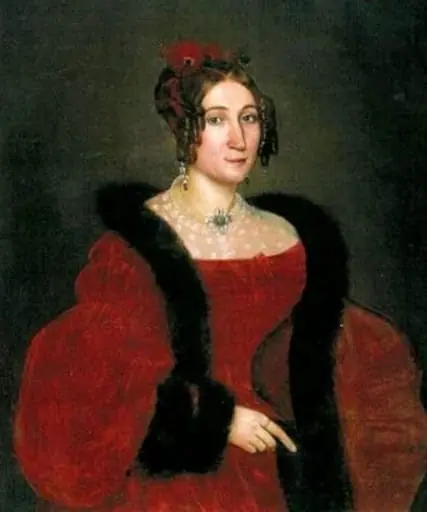
Created in 1836 by Joseph August Schöefft, the work titled *Portret de femeie* is an oil painting presently conserved in the Museum of Ethnography. The portrait presents a seated woman in a red garment, set against a subdued blue‑green backdrop, and is notable for its formal composition and restrained palette.
Subject & Meaning
The sitter, rendered with dark hair gathered in an updo and a gold necklace, looks directly at the viewer, conveying confidence and poise. Her hands are clasped, reinforcing a sense of composure. The direct gaze and dignified posture suggest an intention to portray the subject’s social standing and personal self‑assurance.
Technique & Style
Schöefft employs a smooth, controlled brushwork typical of early Romantic portraiture, balancing rich color—particularly the vivid red dress—with the muted tones of the background. The subtle modeling of light on the face and fabric creates a three‑dimensional presence while maintaining the overall restrained elegance of the composition.
History & Provenance
Since its completion in the mid‑19th century, the portrait has remained within institutional collections, ultimately entering the holdings of the Museum of Ethnography. Documentation traces its acquisition to the museum’s early acquisitions of European portraiture, where it has been displayed as part of the museum’s decorative arts holdings.
Context
The painting aligns with the Romantic movement’s interest in individual expression and emotional depth, echoing contemporaneous works that emphasize personal identity through direct engagement with the viewer. Schöefft’s approach reflects broader European trends of the 1830s, where portraiture served both as a status symbol and a vehicle for exploring inner character.
Artist & collection
Artist
Joseph August Schöefft had a knack for painting faces that felt like overheard gossip—lips slightly parted, eyes that looked right back at you, like he’d caught you mid-thought.