Artwork
Eustratie Ghica
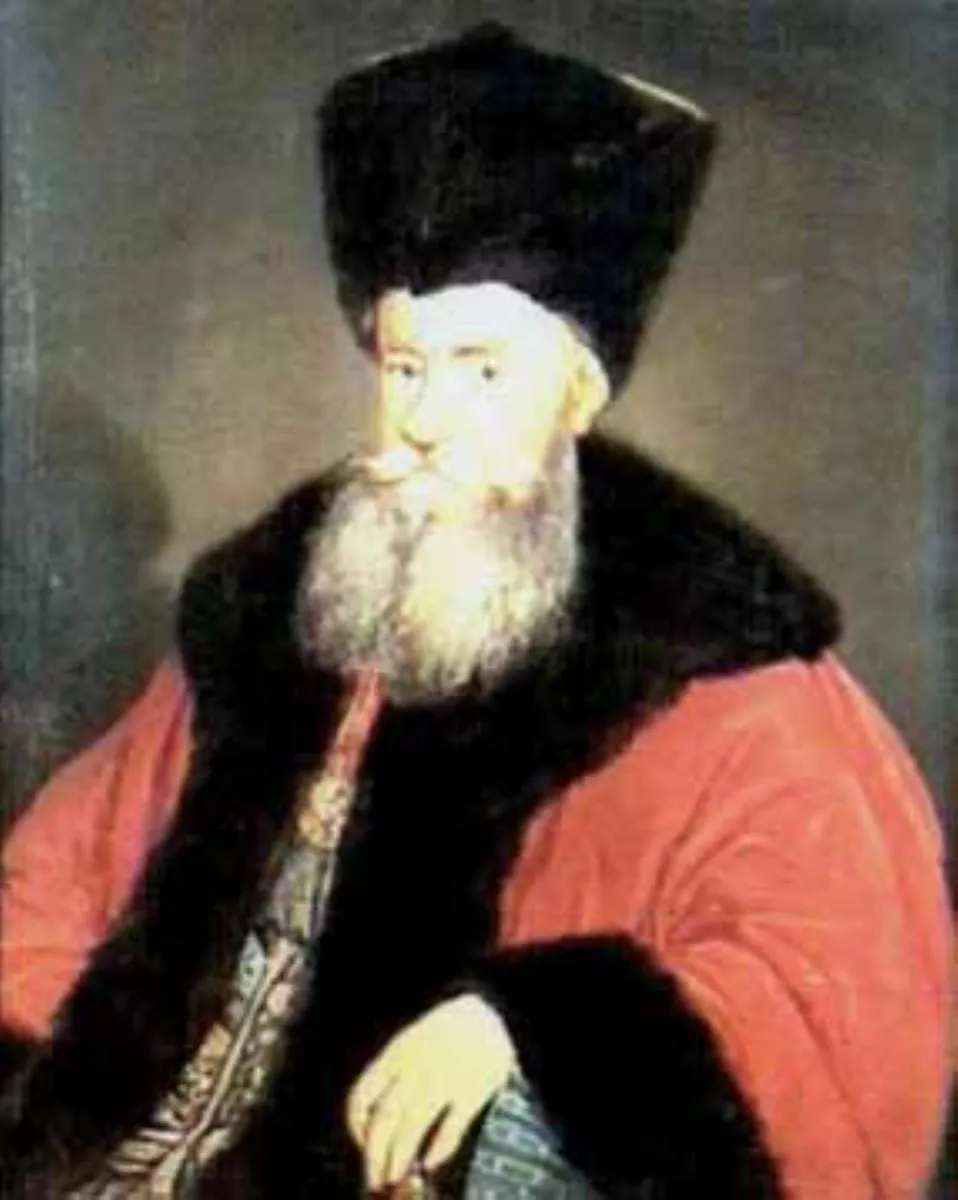
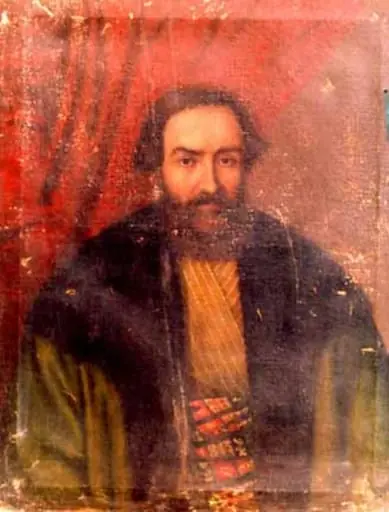
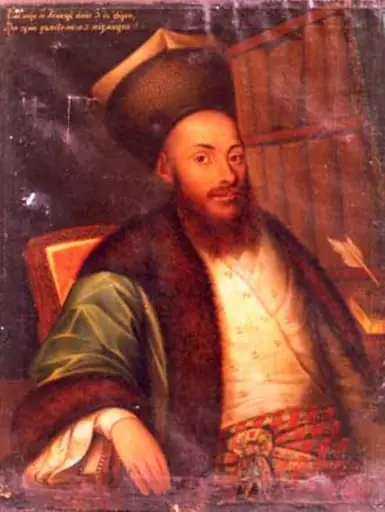
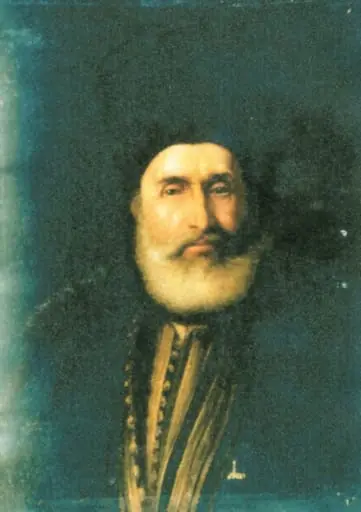
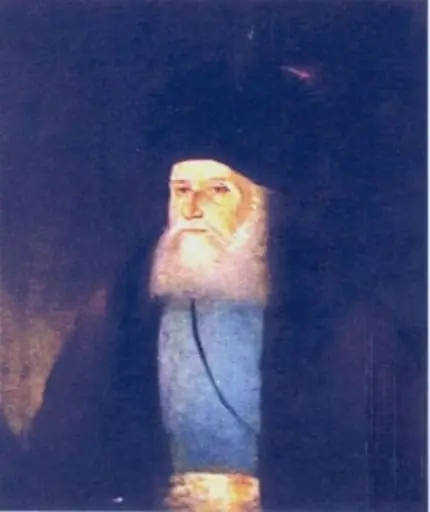
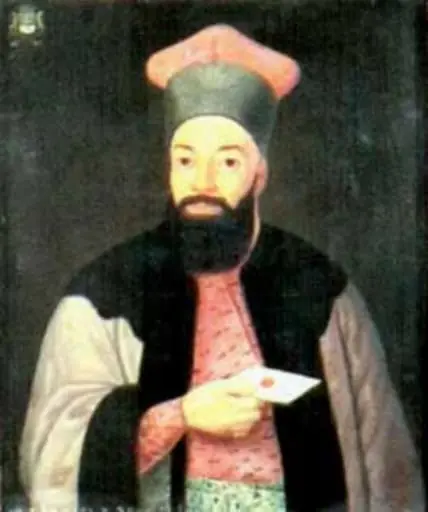
Eustratie Ghica is an unspecified painting by the Biedermeier artist Joseph August Schöefft. It dates from 1836 and is held in the collection of the Moldova National Museum Complex.
About this work
Overview
The composition centers on his stern, contemplative presence, rendered with precise detail against a deep, unbroken background.
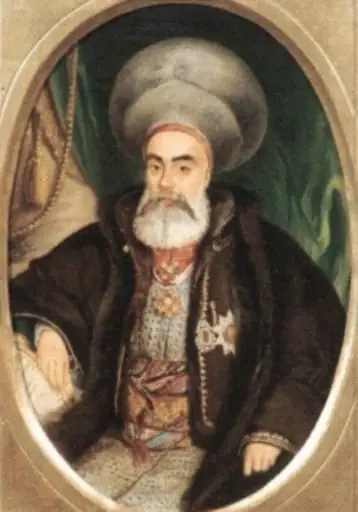
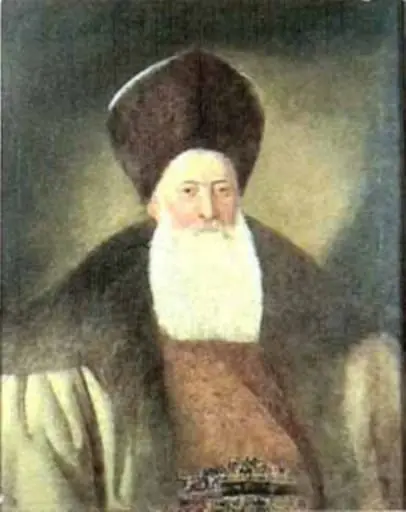
Painted in 1836 by Joseph August Schöefft, this portrait depicts Eustratie Ghica, a Wallachian nobleman and political figure. The composition centers on his stern, contemplative presence, rendered with precise detail against a deep, unbroken background. The lighting isolates his form, emphasizing texture and expression without distraction, a hallmark of Schöefft’s approach to portraiture during his time in the Balkans.
Subject & Meaning
Eustratie Ghica, a member of a prominent Romanian noble family, is portrayed as a man of authority and intellect. His attire—black hat, red robe, fur collar, and gold chain—signals his status and connection to regional traditions. The quill in hand and the cloth beneath suggest scholarly or administrative duties, reinforcing his role as an educated leader rather than a military figure.
Technique & Style
Schöefft employs chiaroscuro to model Ghica’s face and garments, using stark contrasts between light and shadow to create volume and depth. The dark background enhances the three-dimensionality of the figure, while fine brushwork captures the sheen of silk, the texture of fur, and the metallic gleam of the chain. The gloves and quill are rendered with quiet precision, suggesting restraint and composure.
History & Provenance
Commissioned during Schöefft’s travels in the Danubian Principalities, the portrait was likely created to commemorate Ghica’s position in local governance. It remained within Romanian aristocratic circles before entering public collections. Its survival reflects the cultural value placed on documenting regional elites during a period of political transition under Ottoman suzerainty.
Context
In the 1830s, Wallachia was undergoing administrative reforms under foreign influence, and noble families like the Ghicas played key roles in mediating local and imperial interests. Portraits such as this served both personal and political functions—asserting identity, legitimacy, and cultural sophistication amid shifting power structures in Southeastern Europe.
Legacy
Schöefft’s portrait of Ghica stands as a documented example of 19th-century Balkan elite representation. It contributes to a broader visual record of regional nobility during the early modern period, preserving the material culture and aesthetic values of a class navigating modernization without full independence. The work remains a reference for studies of identity and power in Eastern European portraiture.
Artist & collection
Artist
Joseph August Schöefft had a knack for painting faces that felt like overheard gossip—lips slightly parted, eyes that looked right back at you, like he’d caught you mid-thought.