Artwork
öljymaalaus
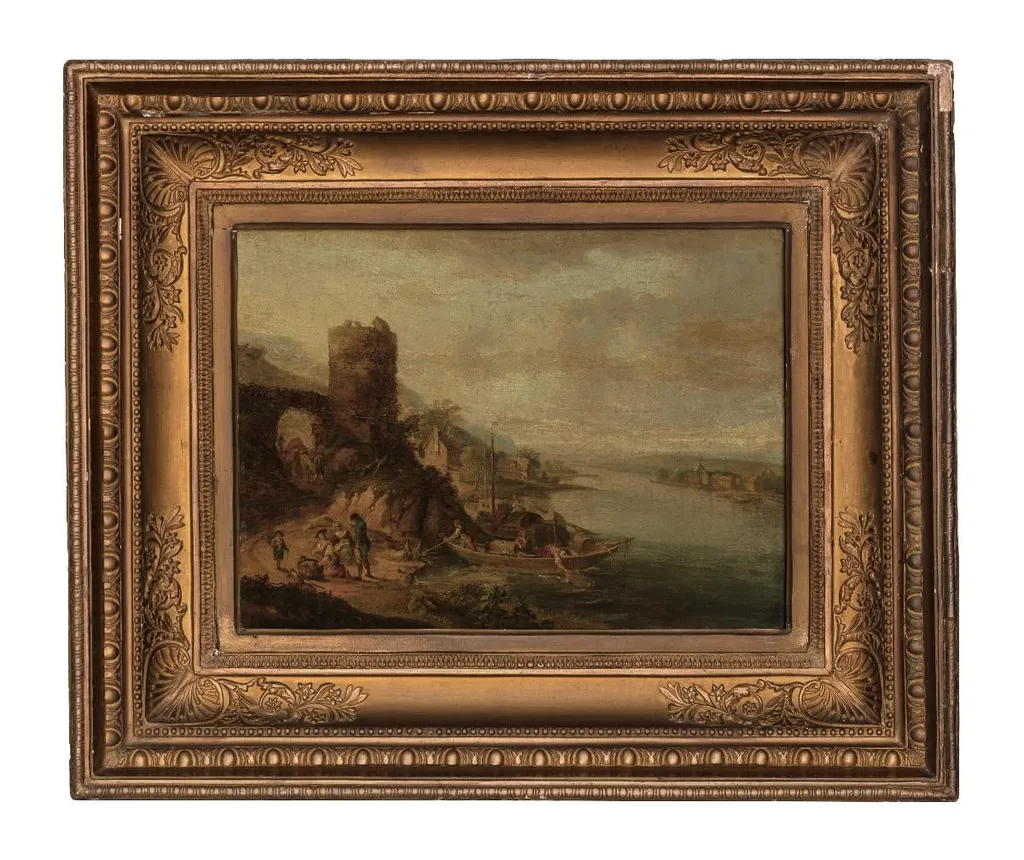
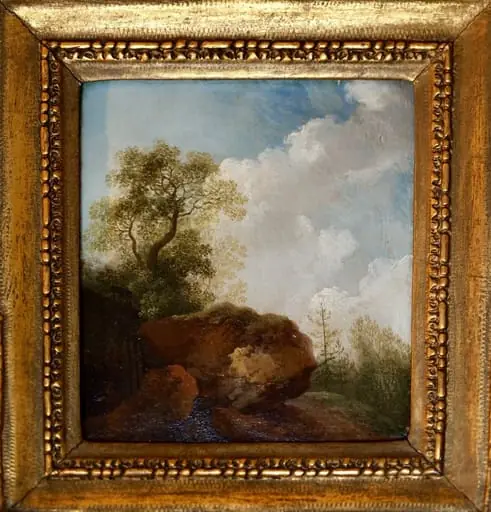
öljymaalaus is a drawing by Christian Georg II Schütz. It is held in the collection of the Finnish Heritage Agency.
About this work
Overview
This oil painting depicts a tranquil riverscape along the Rhine, with figures in the foreground engaged in the laborious task of hauling boats ashore.
This oil painting depicts a tranquil riverscape along the Rhine, with figures in the foreground engaged in the laborious task of hauling boats ashore. A stone tower and fortified wall appear in the middle ground, framing the composition. The panel retains its original, ornately carved frame, and its surface bears traces of historical markings—red chalk inscriptions and remnants of wax seals—suggesting past ownership or authentication.
Subject & Meaning
The scene captures everyday riverine activity, emphasizing human effort within a natural setting. The presence of laborers, boats, and infrastructure implies the Rhine’s role as a commercial artery. The tower and wall may signify a nearby settlement or defensive structure, grounding the image in a specific, inhabited landscape rather than an idealized view. The quiet tone suggests observation over narrative, focusing on routine rather than drama.
Technique & Style
The work employs fine, controlled brushwork to render textures of stone, water, and fabric. Details in the figures and architecture are rendered with precision, indicating close attention to observed reality. Cross-hatching and layered glazes likely contribute to the subtle modeling of light and form, characteristic of early Netherlandish oil techniques. The composition balances horizontal bands of land, water, and sky to create depth without theatricality.
History & Provenance
The panel’s surface retains traces of red chalk markings and two red wax seals, likely applied during its early circulation. These marks, partially obscured by parquetting—a method of reinforcing wooden panels—suggest the work was once owned or authenticated by an institution or collector. The original frame, still intact, further supports its early provenance and care in preservation.
Context
Created in the late medieval or early Renaissance period, the painting reflects the growing interest in secular landscapes and daily life among Northern European artists. Unlike religious altarpieces, this work focuses on the environment and human labor, aligning with regional trends that valued detailed observation of the natural and built world. The Rhine’s economic importance likely inspired its depiction as a site of both utility and quiet dignity.
Legacy
The painting contributes to a body of early landscape works that shifted focus from symbolic or sacred themes to the tangible world. Its preservation with original frame and markings offers rare insight into how such panels were handled, stored, and authenticated in their time. It stands as a quiet testament to the artistic value placed on ordinary scenes in Northern Europe before the rise of pure landscape as an independent genre.
Artist & collection
Artist
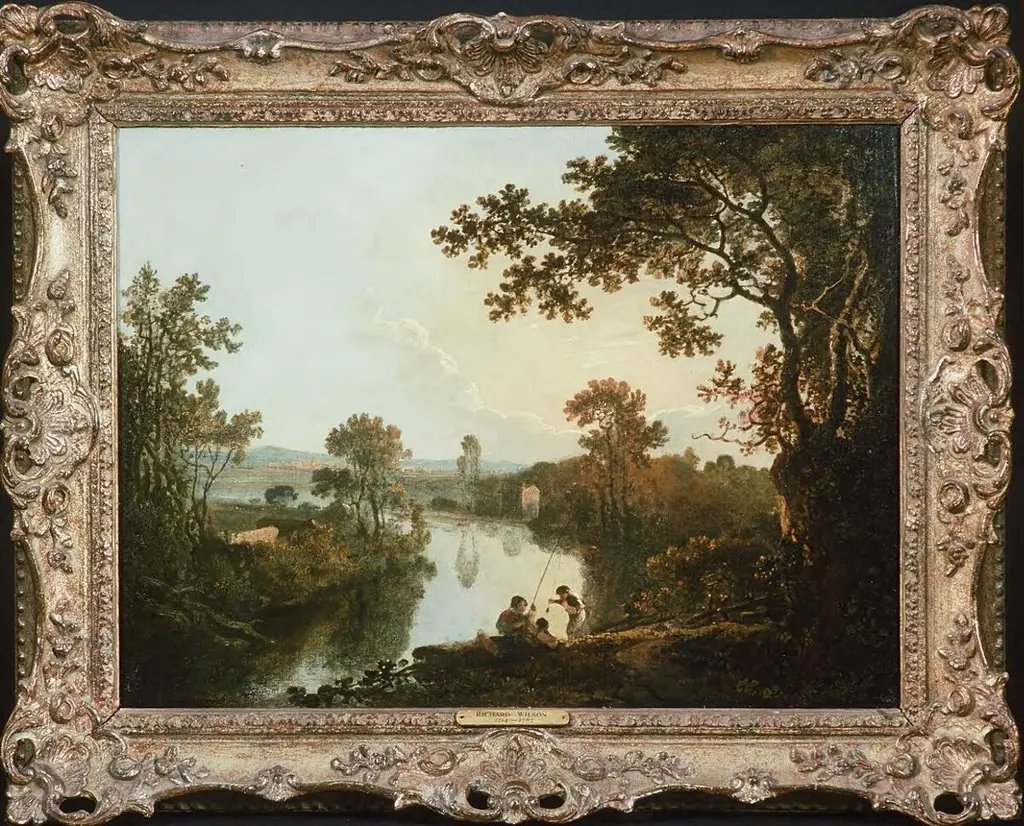 view on the river Dee with anglers
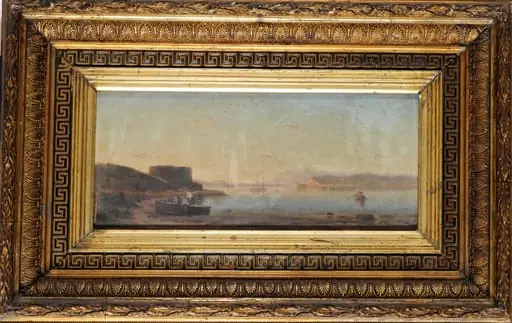 Απεικόνιση θαλάσσιου τοπίου
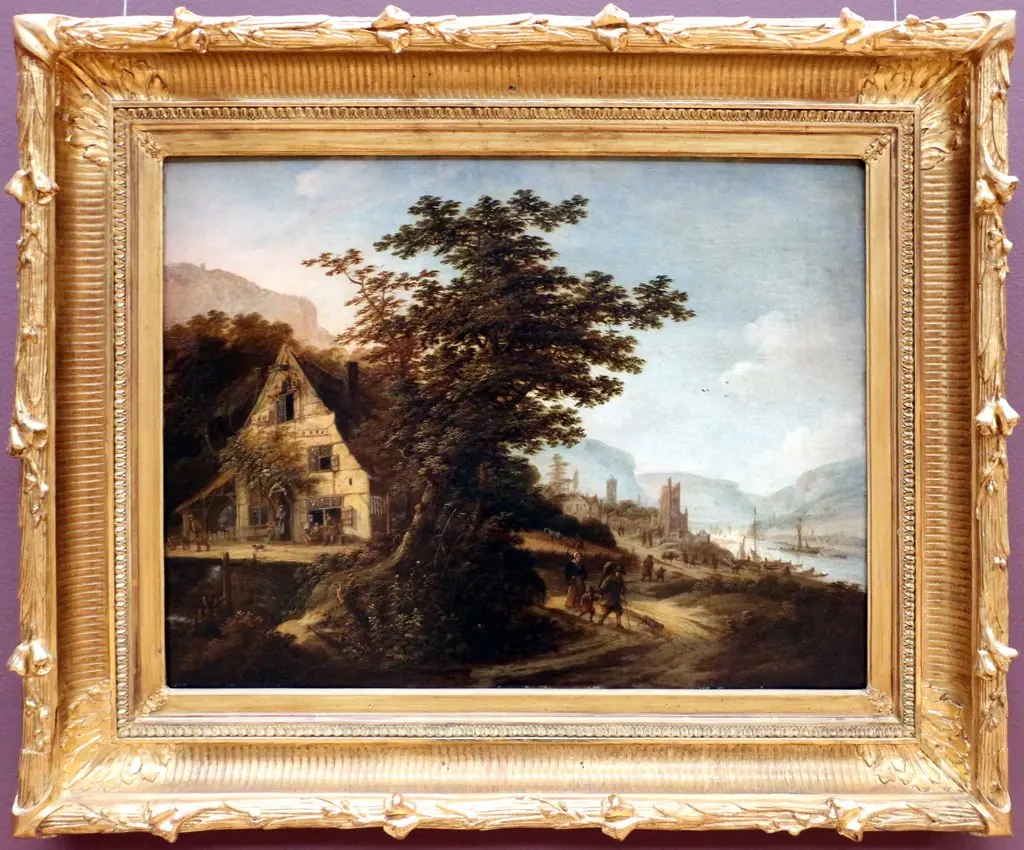 The watermill
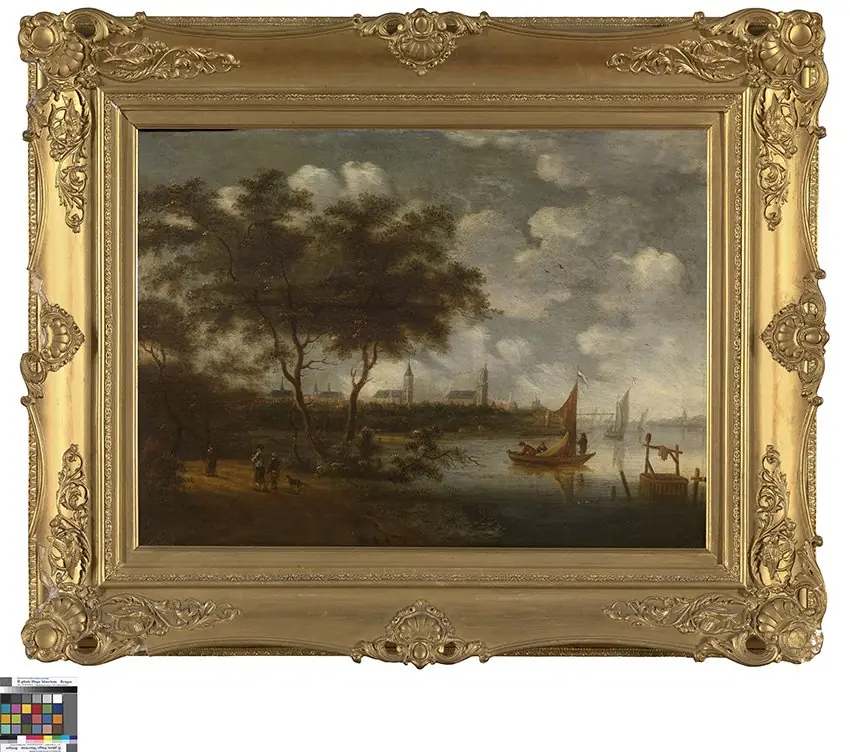 Gezicht op Zwolle en het Zwartwater
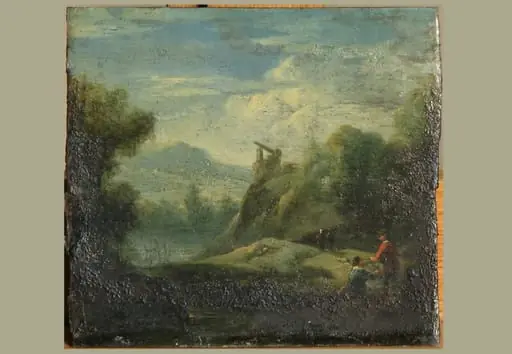 Mic peisaj cu cetate. Pandant: Mic peisaj cu pod
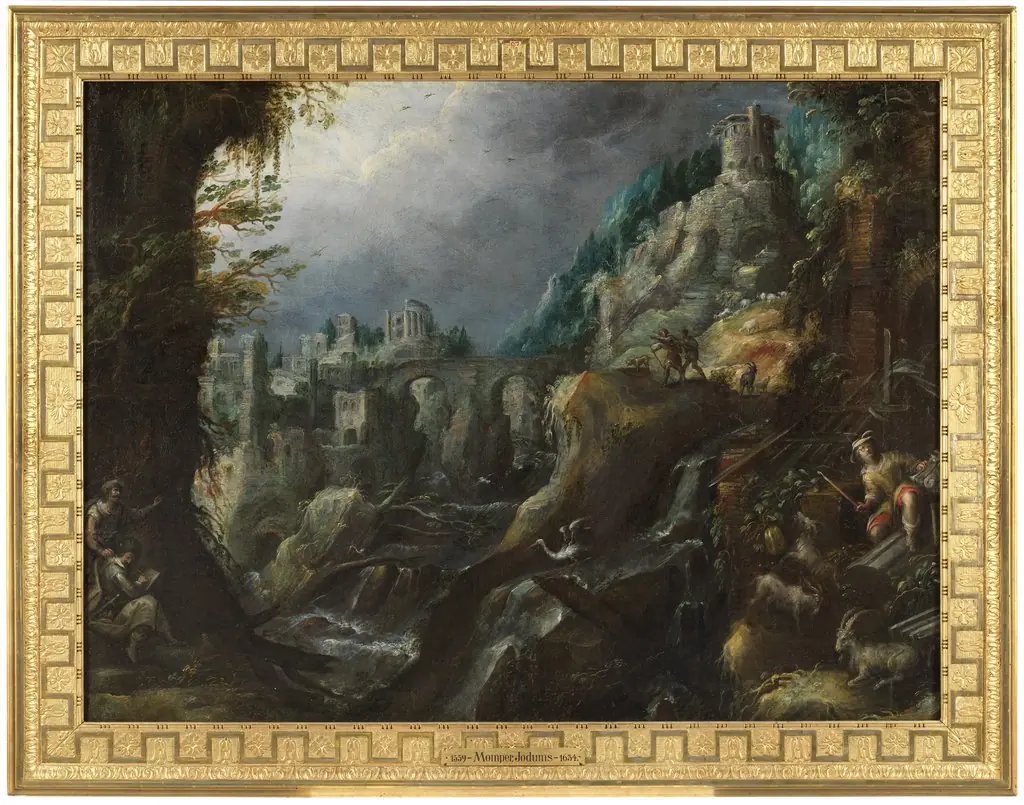 Berglandskap med forsande flod, klassiska ruiner och herdar
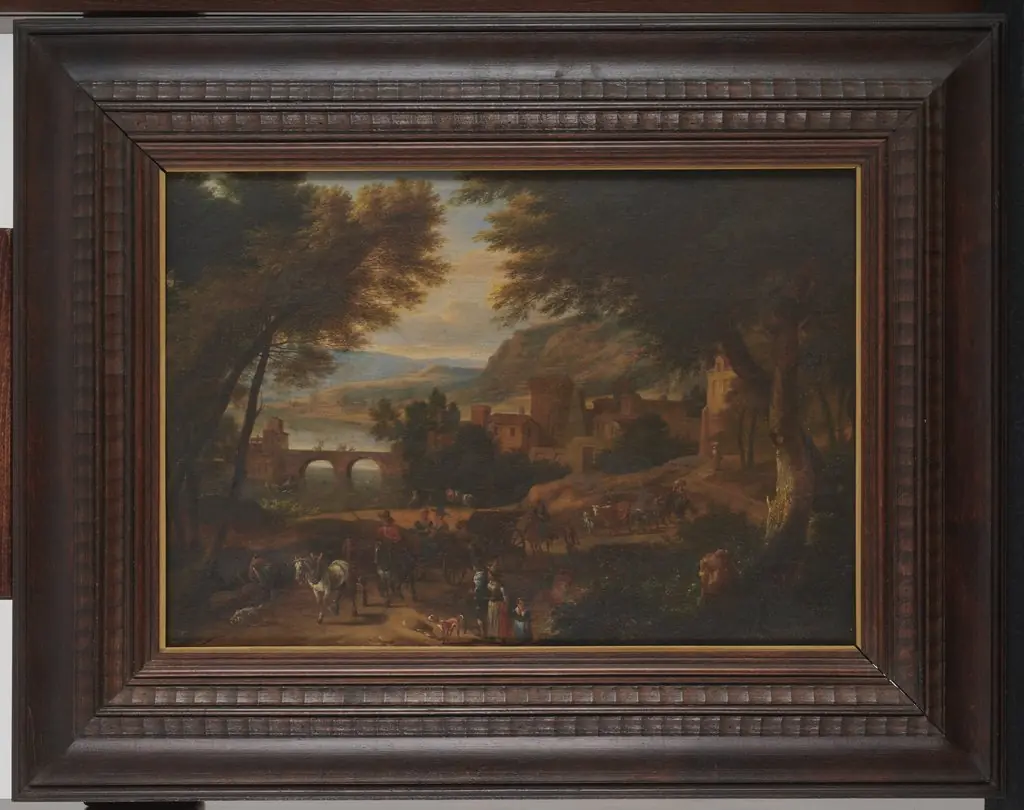 Landscape
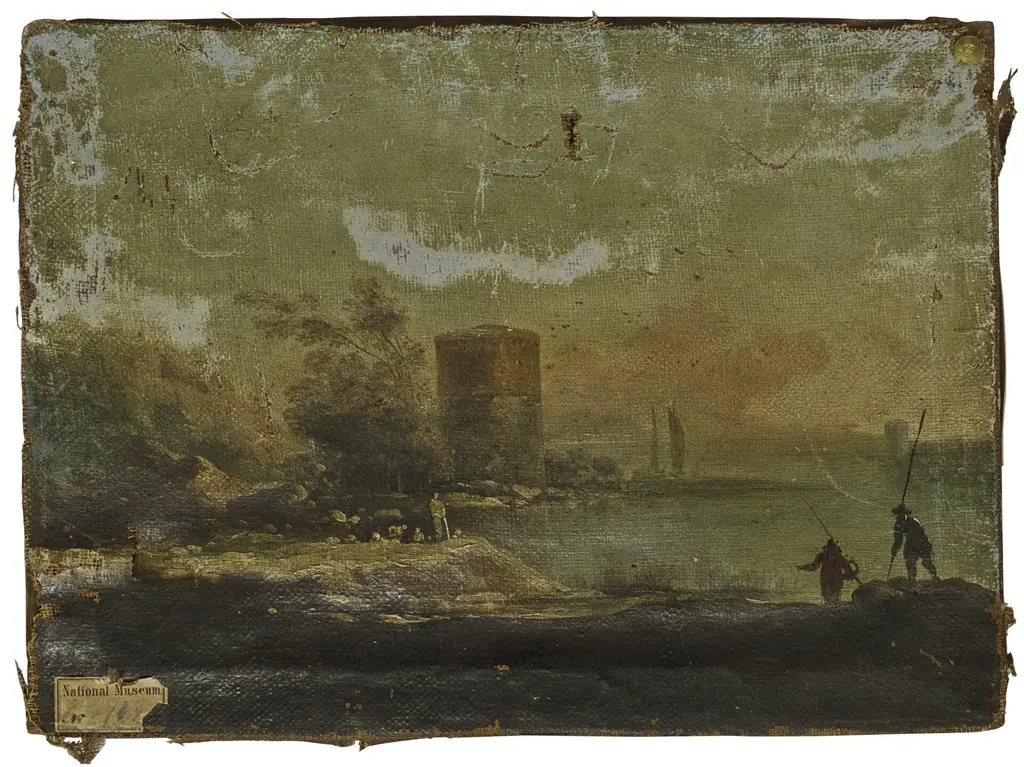 Landskap
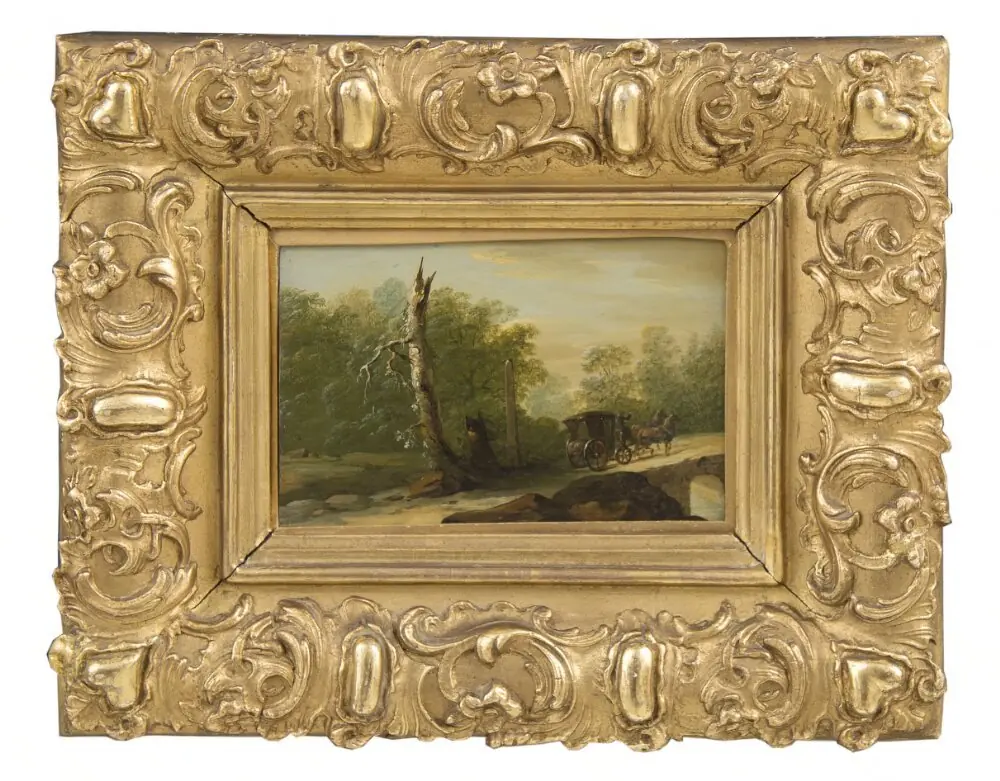 The Stone Bridge
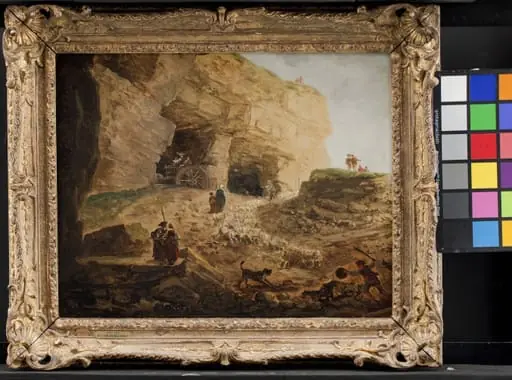 A Quarry with a Flock of Sheep
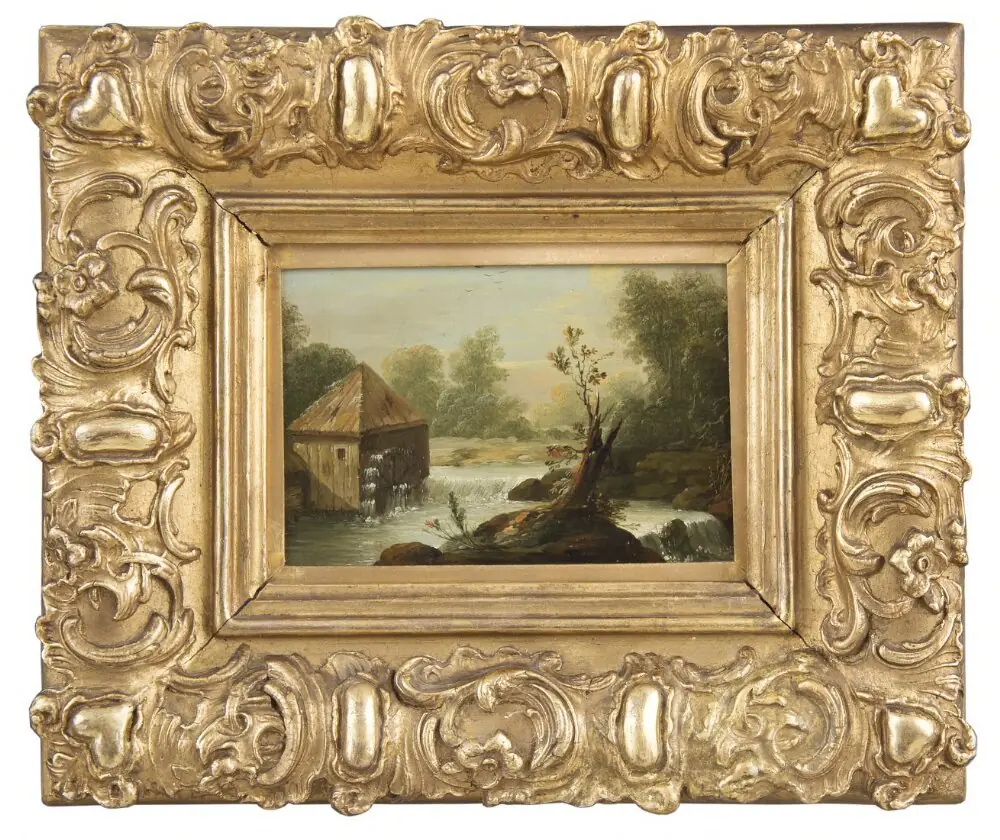 The Mill
 Einsiedler in einer Höhle