Artwork
Peisaj cu ruine
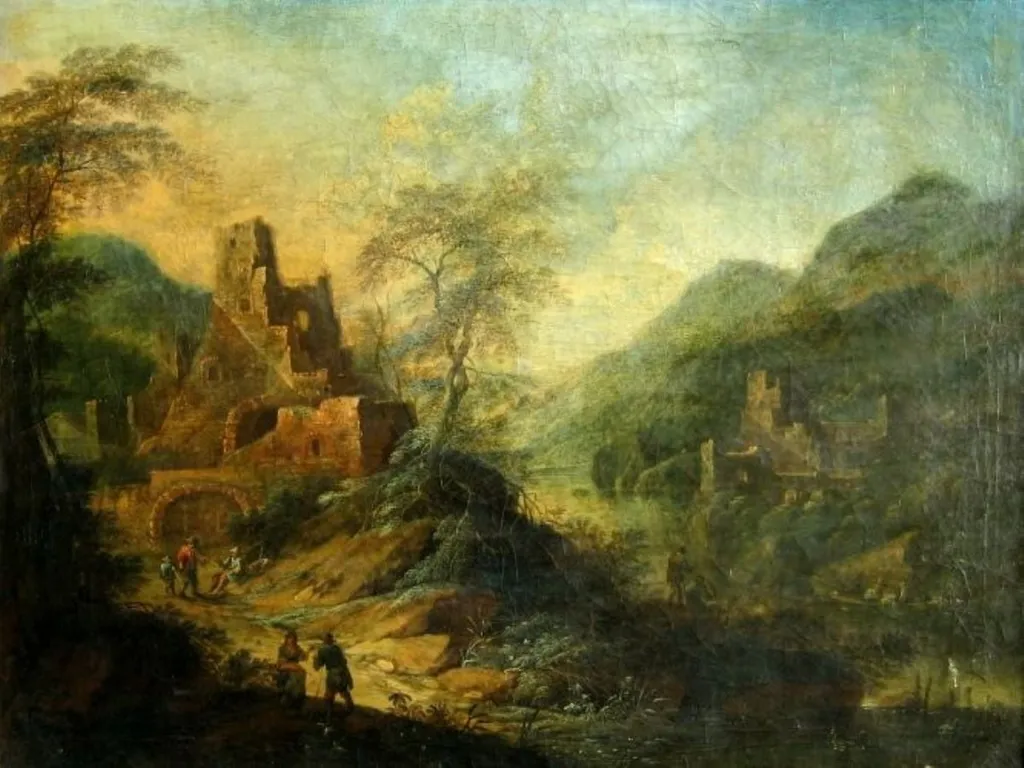
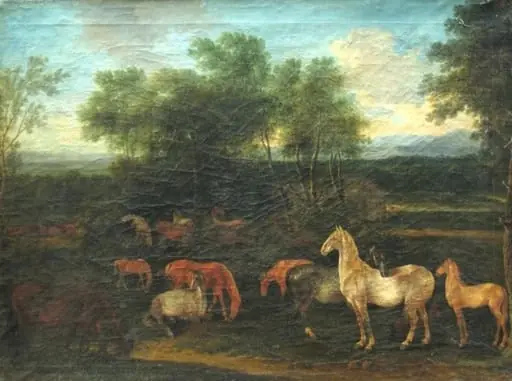
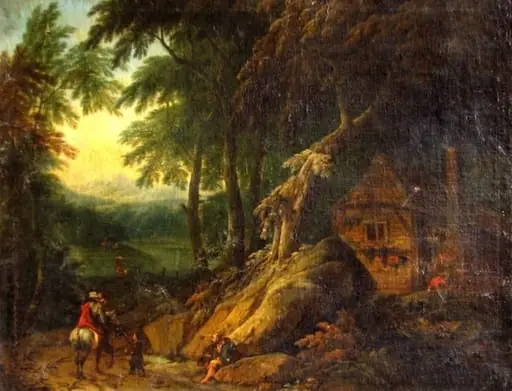
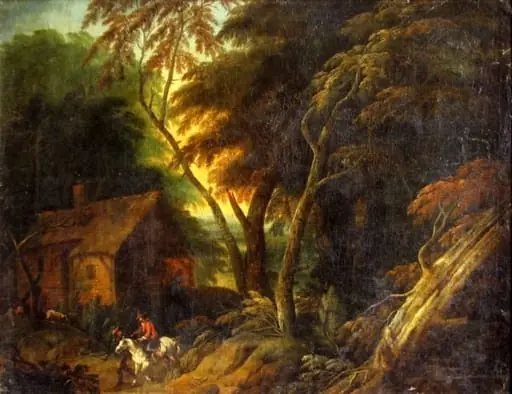
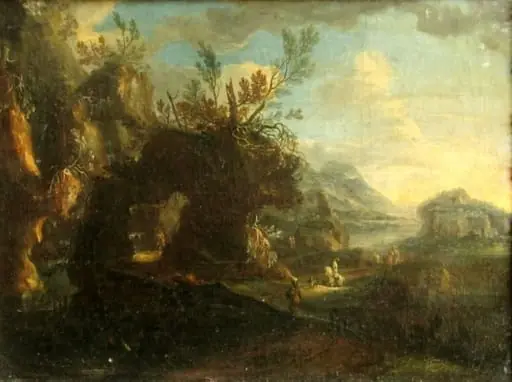
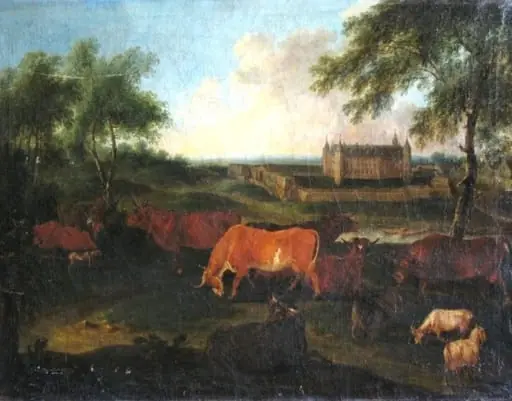
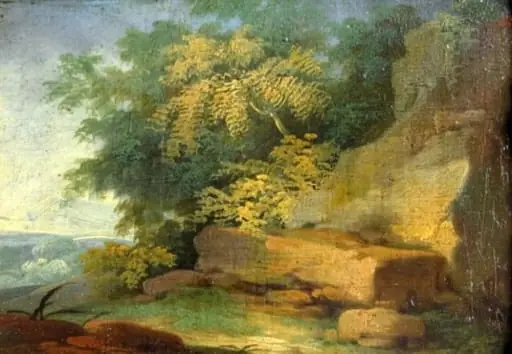
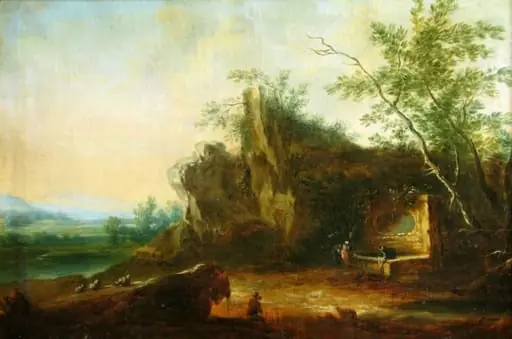
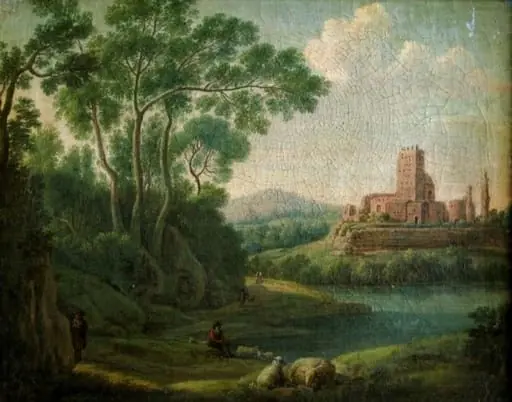
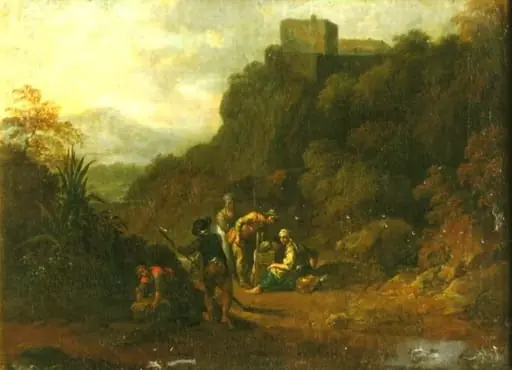
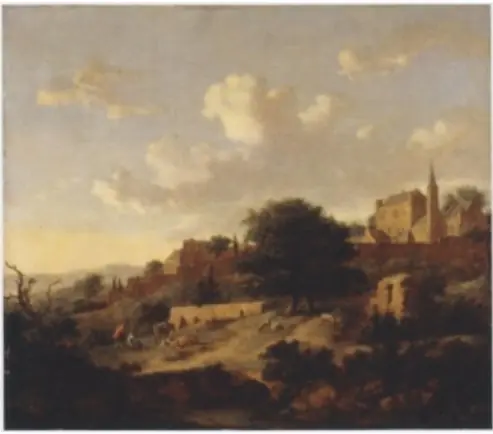
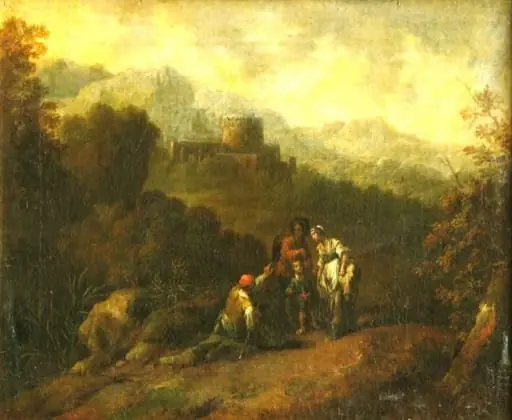
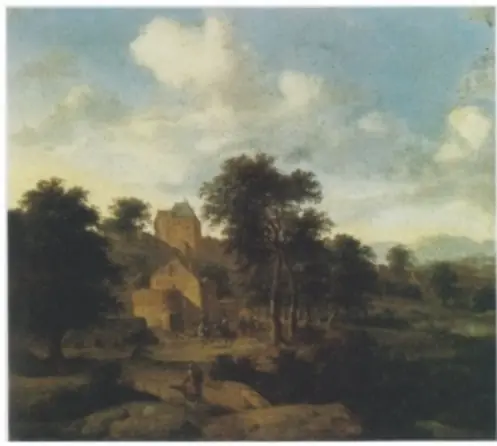
Peisaj cu ruine is an unspecified painting by Max Josef Schinnagel. It is held in the collection of the Brukenthal National Museum. This landscape painting depicts a quiet rural scene centered on ancient ruins, framed by dense vegetation and rolling hills.
About this work
Overview
This landscape painting depicts a quiet rural scene centered on ancient ruins, framed by dense vegetation and rolling hills.
This landscape painting depicts a quiet rural scene centered on ancient ruins, framed by dense vegetation and rolling hills. Figures in the foreground move subtly through the environment, their presence adding scale without disrupting the stillness. The palette favors earthy greens and browns, softened by a pale sky, creating a serene, contemplative atmosphere. Detailed brushwork renders foliage and stone with quiet precision, emphasizing texture over dramatic contrast.
Subject & Meaning
The ruins suggest a passage of time, their decay integrated naturally into the surrounding landscape. Human figures are present but minor, engaged in ordinary activity, reinforcing a sense of harmony between people and the remnants of the past. The scene avoids narrative or symbolism, instead offering a quiet meditation on endurance and the quiet reclamation of nature over human structures.
Technique & Style
The artist employs fine, deliberate brushstrokes to build texture in foliage, stone, and soil, avoiding bold outlines or exaggerated forms. Colors are subdued and blended, with muted tones dominating the composition. Light is diffused, casting soft shadows that unify the foreground and background. The handling of space is shallow yet layered, guiding the eye gently from foreground figures to distant hills.
History & Provenance
The painting’s origin is tied to a regional tradition of landscape study in the late 19th or early 20th century, though its exact date and early ownership remain undocumented. It has not been widely exhibited or published, and its provenance is limited to private collections. The artist’s known associations suggest a connection to Central European artistic circles, but no definitive record confirms its creation context.
Context
This work aligns with a broader trend among regional painters who turned away from grand historical themes toward intimate, everyday landscapes. Similar artists focused on rural decay and quiet nature, often influenced by Romanticism’s reverence for ruins but stripped of melodrama. The painting reflects a shift toward observation over idealization, valuing atmosphere and quiet detail over dramatic composition.
Legacy
Though not widely recognized in major art historical narratives, the painting resonates with a niche tradition of understated landscape painting. Its sensitivity to light, texture, and quiet human presence finds echoes in the work of contemporaries like Max Josef Schinnagel, who similarly favored subdued palettes and contemplative scenes. Its influence remains indirect, preserved in regional collections rather than public institutions.
Artist & collection
Artist
Max Josef Schinnagel painted quiet landscapes in pairs—think two paintings meant to hang together.