Artwork
Peisaj stâncos ; pandant: Peisaj cu stânci
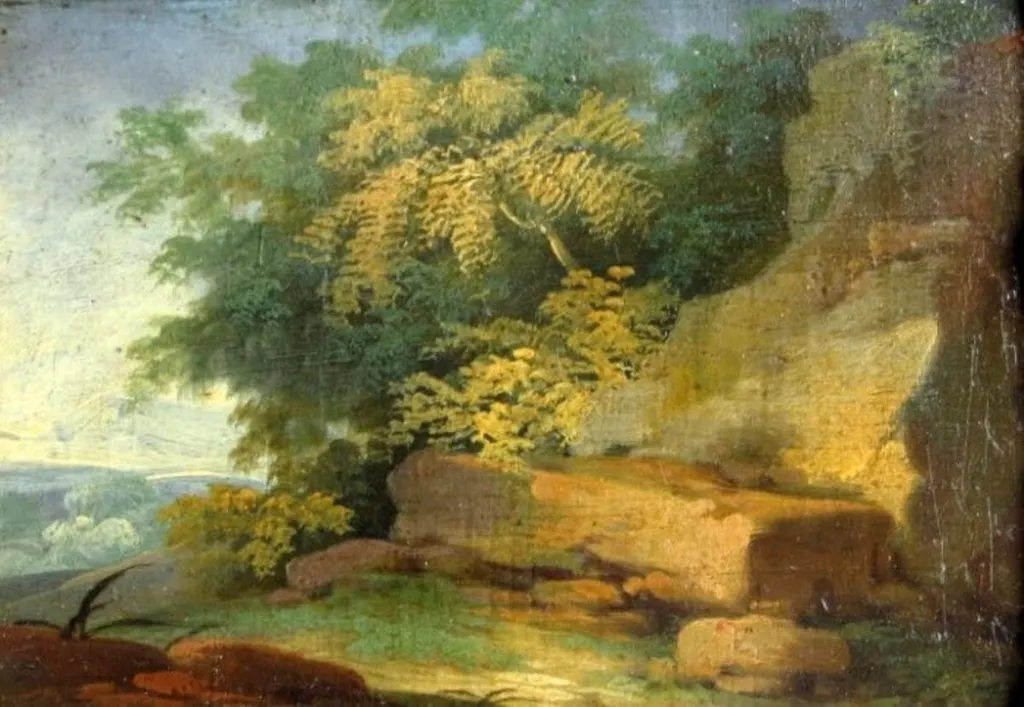
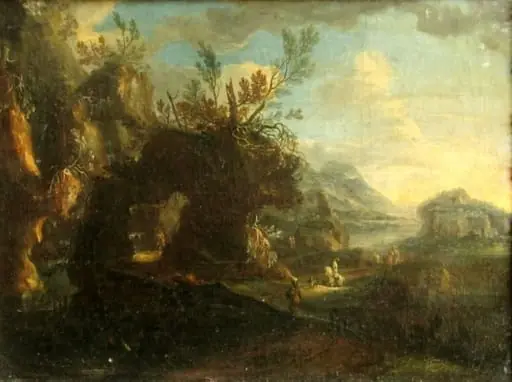
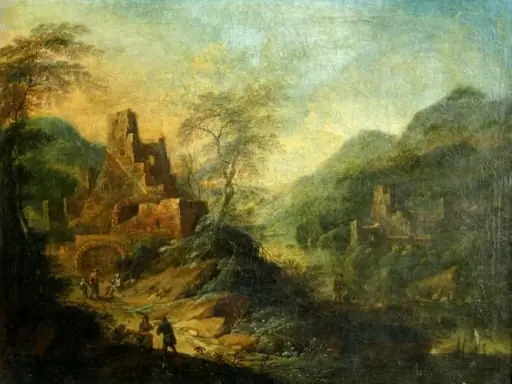
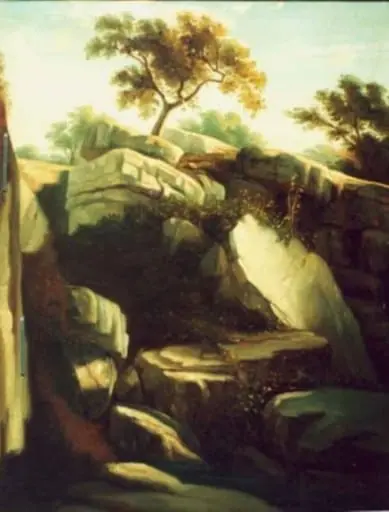
Peisaj stâncos ; pandant: Peisaj cu stânci is an unspecified painting by Max Josef Schinnagel. It is held in the collection of the Brukenthal National Museum. The work titled *Peisaj stâncos* (also known as *Peisaj cu stânci*) depicts a rugged hillside composed of uneven stone formations.
About this work
Overview
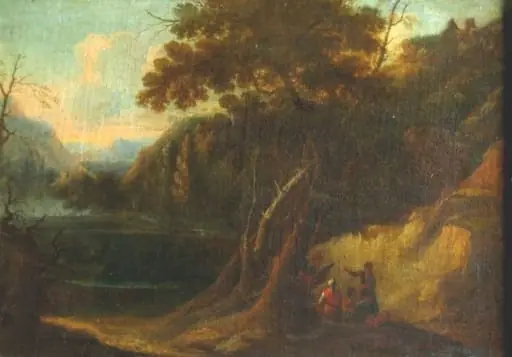
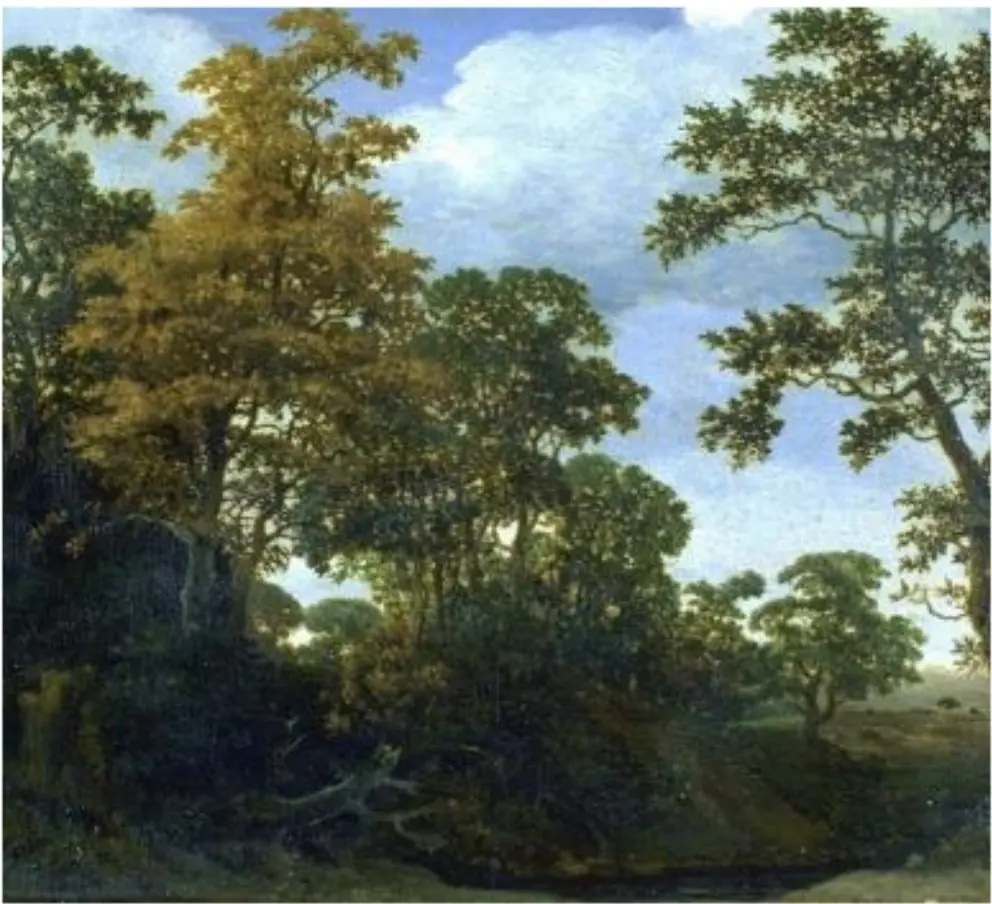
The work titled *Peisaj stâncos* (also known as *Peisaj cu stânci*) depicts a rugged hillside composed of uneven stone formations. Green shrubbery and yellow‑toned trees cover portions of the slope, while patches of soil and grass cling to the rock faces. A distant, indistinct line of trees and a muted sky form the background, giving the scene a sense of depth despite its softness.
Subject & Meaning
The painting presents a natural landscape where the interplay of rock, vegetation, and sky suggests a quiet, perhaps remote environment. The emphasis on the texture of the stones and the modest coloration of the foliage conveys a realistic observation of a countryside setting, inviting viewers to contemplate the endurance of the terrain against subtle atmospheric conditions.
Technique & Style
This tactile application creates a three‑dimensional quality, allowing light to catch the raised paint and enhancing the sense of physicality.
The artist employs thick, impasto brushwork, especially evident on the rocky surfaces and tree trunks. This tactile application creates a three‑dimensional quality, allowing light to catch the raised paint and enhancing the sense of physicality. The overall palette is restrained, with earthy greens, yellows, and muted grays, while the background is rendered with softer, blurred strokes that recede into atmospheric perspective.
Context
While specific details about the creator and date are not provided, the work aligns with traditions of landscape painting that prioritize direct observation of natural forms. The use of impasto links it to 19th‑century techniques that sought to convey texture and materiality, situating the piece within a broader European practice of rendering rugged terrain with expressive brushwork.
Artist & collection
Artist
Max Josef Schinnagel painted quiet landscapes in pairs—think two paintings meant to hang together.