Artwork
Nelikymmenvuotias
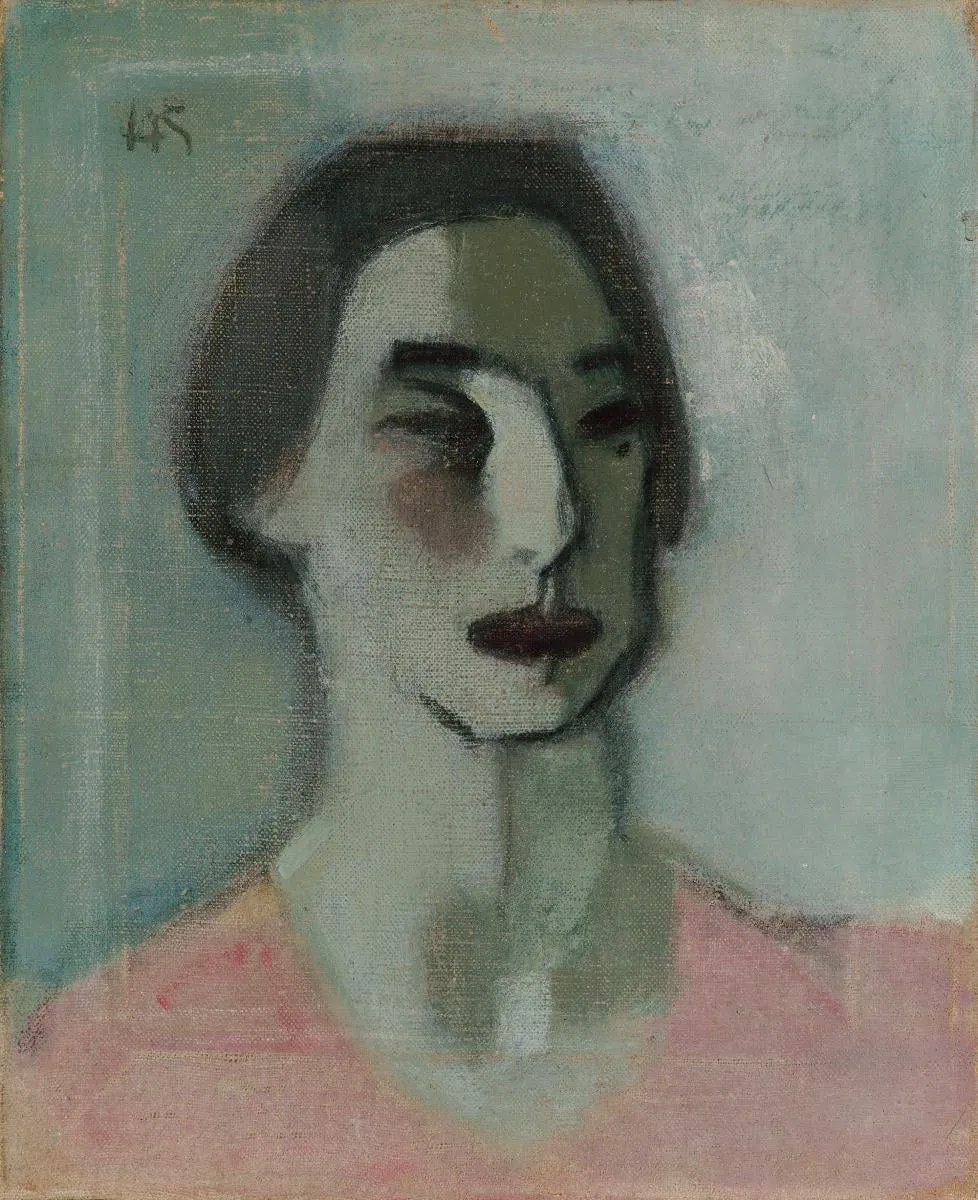
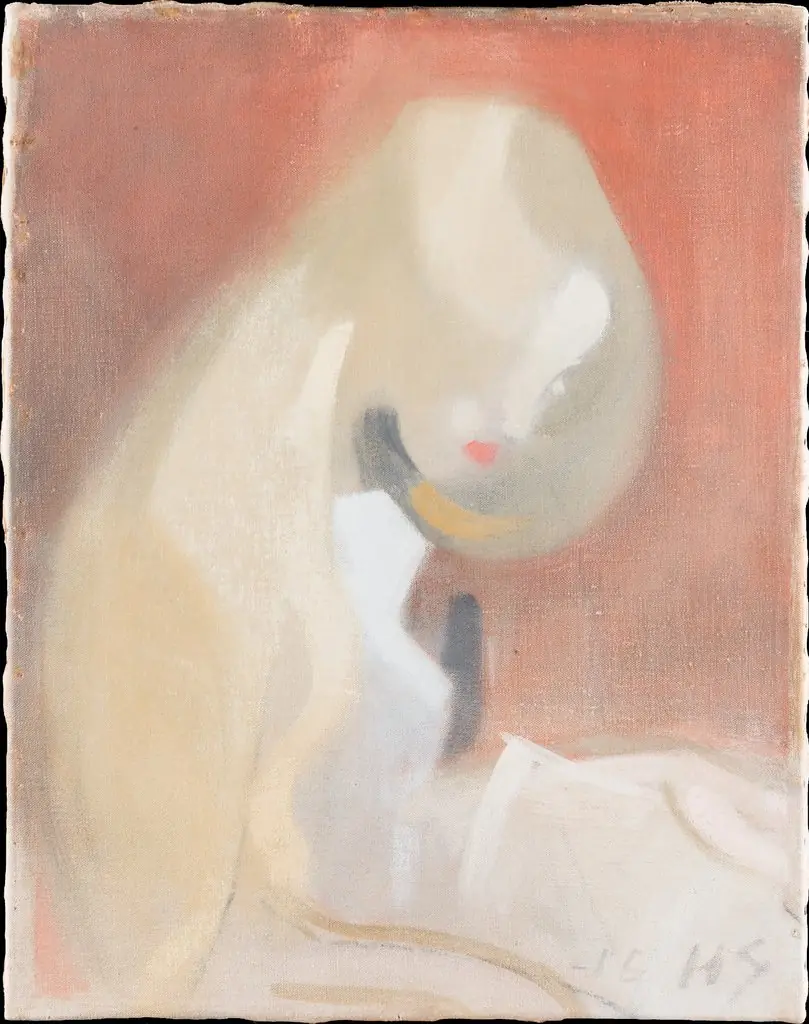
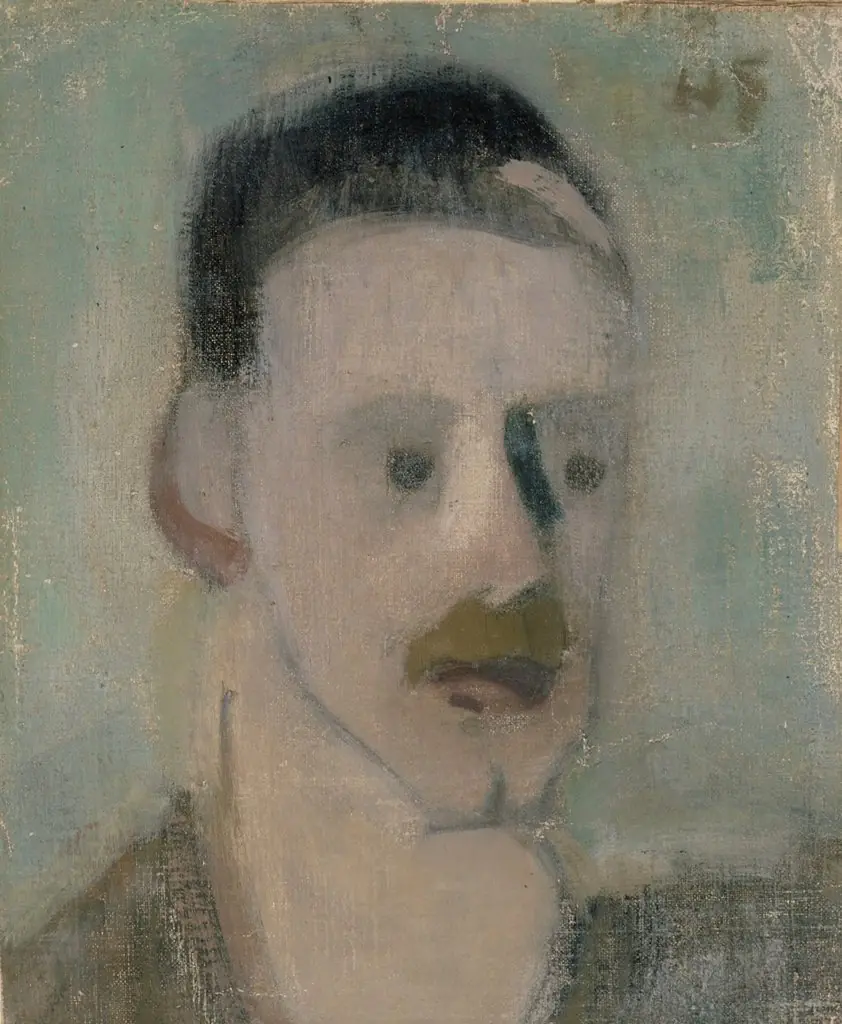
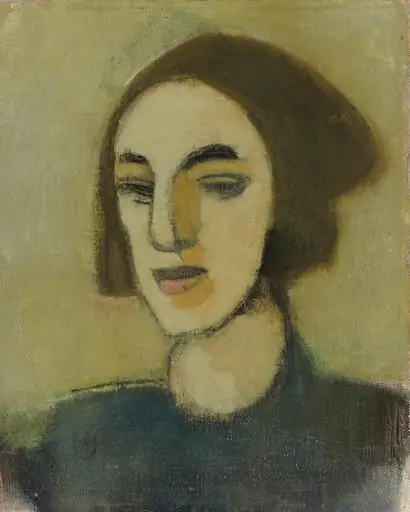
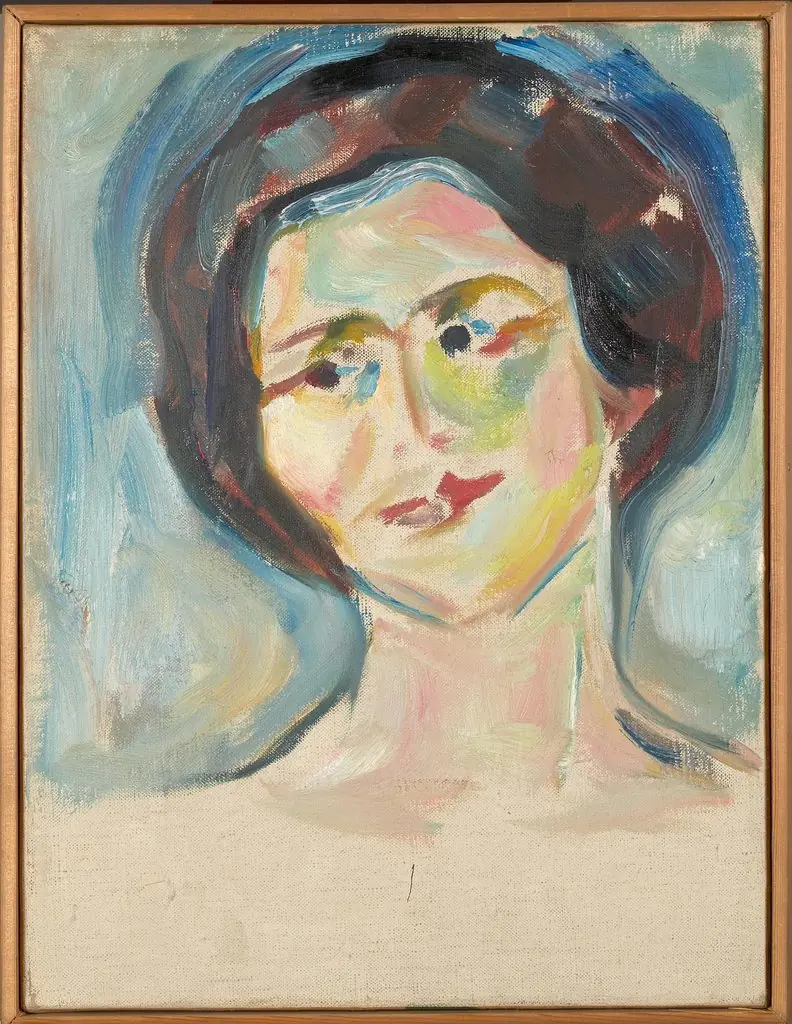
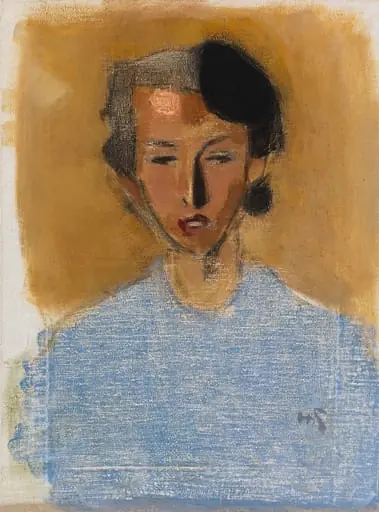
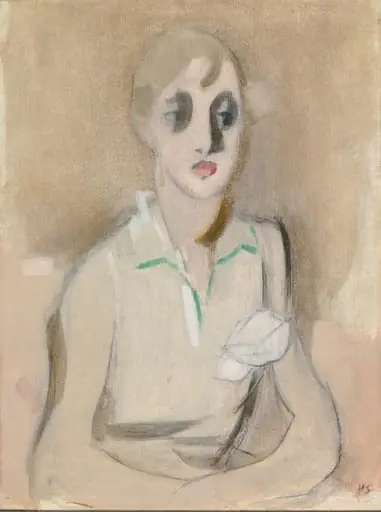
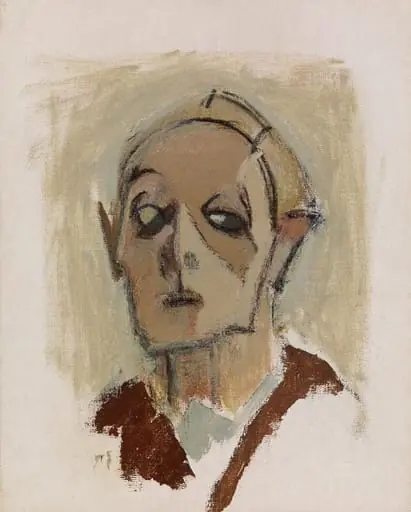
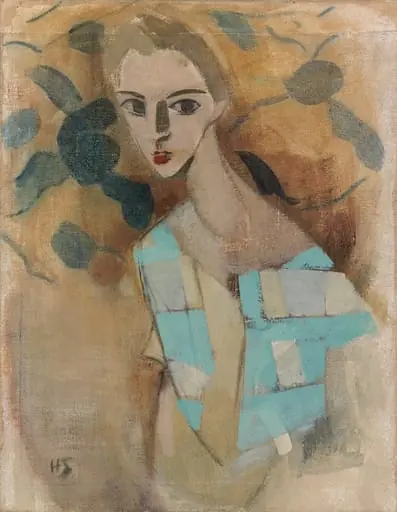
Nelikymmenvuotias is an unspecified painting by Helene Schjerfbeck. It is held in the collection of the Finnish National Gallery. This portrait depicts a young individual with a turned head, rendered in a rapid, gestural manner.
About this work
Overview
The surface is marked by uneven brushwork and thick applications of paint, particularly around the hair and facial contours.
This portrait depicts a young individual with a turned head, rendered in a rapid, gestural manner. The surface is marked by uneven brushwork and thick applications of paint, particularly around the hair and facial contours. The background is a muted blue-green, contrasting subtly with the pale skin and soft pink of the neck. The overall impression is one of immediacy, as if the artist captured the subject in a fleeting moment without refinement.
Subject & Meaning
The sitter’s identity remains unknown, but their expression is neutral, neither posed nor emotive. The slightly open mouth and shadowed eyes suggest a quiet, introspective state. The lack of detail and the avoidance of idealization point toward an interest in presence over personality. The work does not seek to memorialize or flatter, but rather to record a transient physical reality with minimal intervention.
Technique & Style
The painting employs loose, unblended strokes and areas of impasto, especially along the hairline and jaw. Paint is applied with visible urgency, leaving texture and irregular edges. The color palette is restrained, with no clear highlights or shadows defining form. This approach rejects polished finish in favor of tactile immediacy, aligning with practices that prioritize the artist’s hand over conventional realism.
History & Provenance
The painting’s origin and early ownership are undocumented. It lacks a signature or date, and no exhibition history is known prior to its inclusion in modern collections. Its rough execution and anonymous subject suggest it may have been a study or private exercise rather than a commissioned work. Its survival implies it was retained by the artist or an early associate for its informal qualities.
Context
Created during a period when artists increasingly valued spontaneity over academic precision, this work reflects a broader shift toward capturing the ephemeral. Similar techniques appear in studies by contemporaries who favored direct observation and rejected idealized portraiture. The painting’s unfinished quality aligns with emerging attitudes that saw process as integral to meaning, not a flaw to be corrected.
Legacy
Though not widely exhibited in its time, the work’s raw handling has since drawn attention for its prefiguration of modern expressive portraiture. It stands as an example of how informal, unpolished techniques could convey psychological presence without traditional refinement. Its preservation underscores a growing appreciation for the artist’s direct engagement with the subject over polished finish.
Artist & collection
Artist
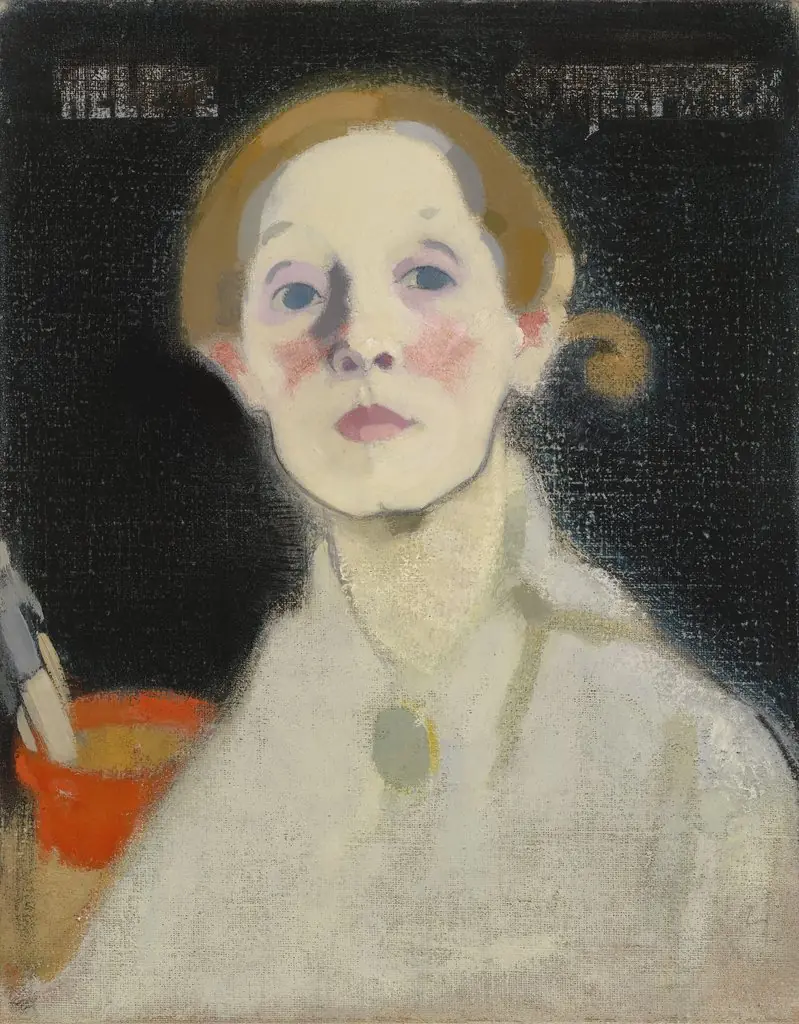
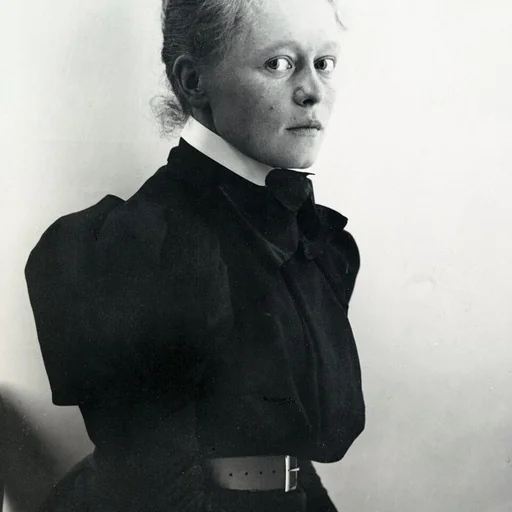
Helena Sofia (Helene) Schjerfbeck (pronounced ; July 10, 1862 – January 23, 1946) was a Finnish modernist painter known for her realist works and self-portraits, and also for her landscapes and still lifes.