Artwork
The Seamstress (The Working Woman)
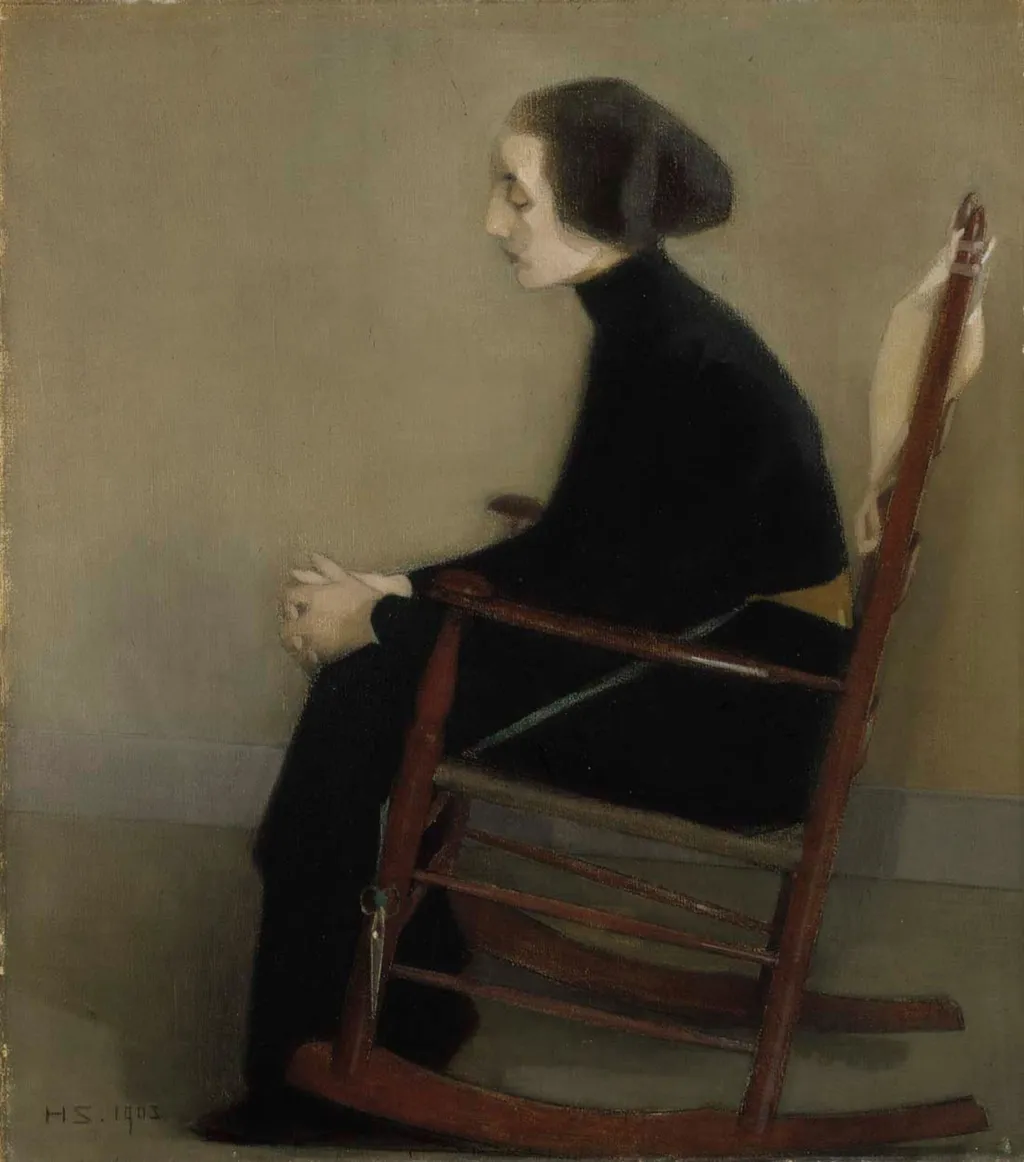
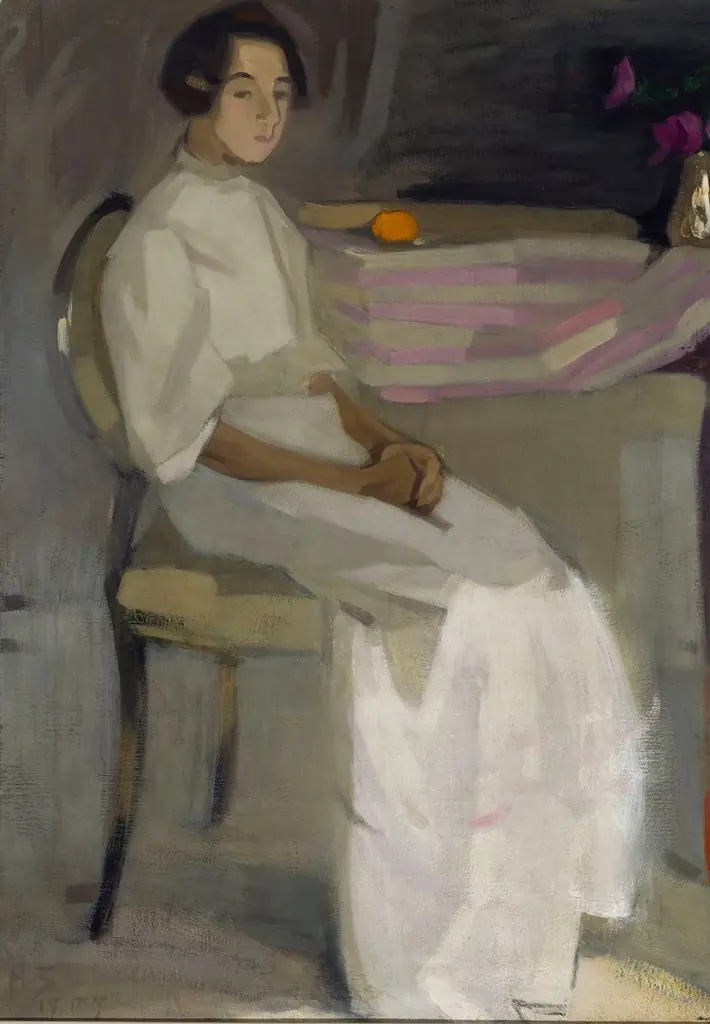
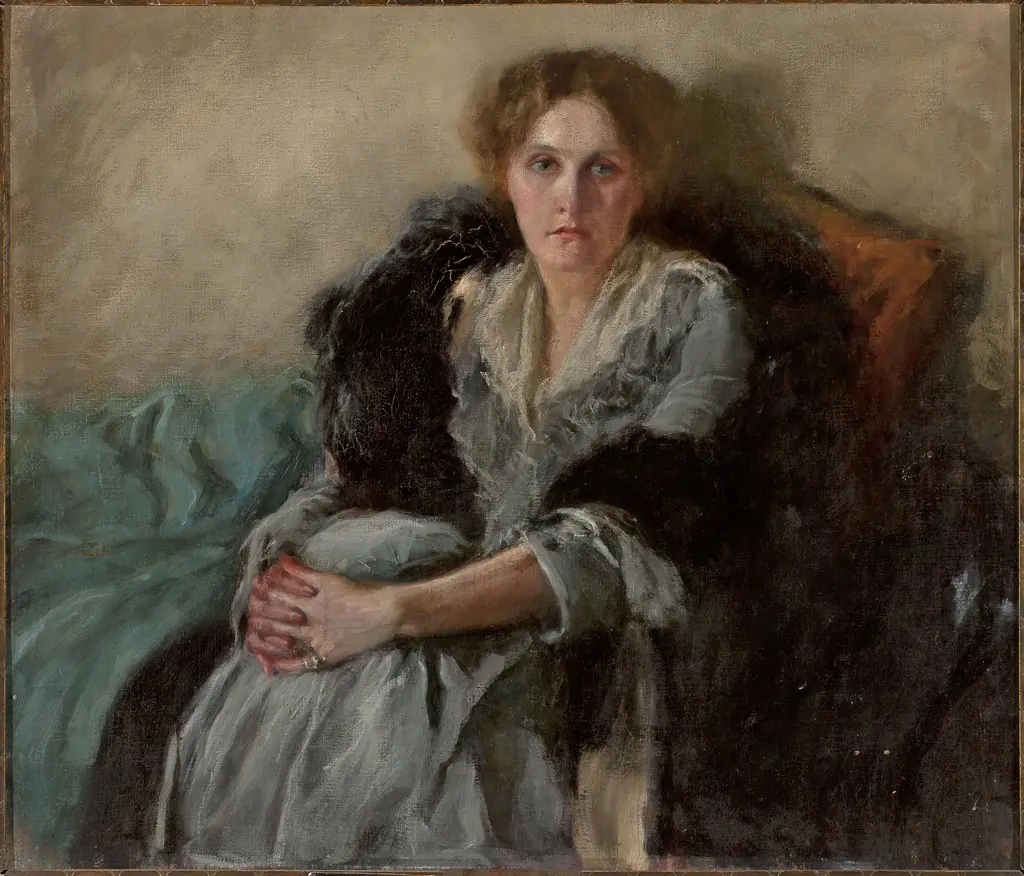
The Seamstress (The Working Woman) is an oil painting by the Post-Impressionist artist Helene Schjerfbeck. It dates from 1905 and is held in the collection of the Finnish National Gallery.
About this work
Overview
Helene Schjerfbeck’s *The Seamstress (The Working Woman)*, executed in oil on canvas in 1905, presents a solitary female figure seated in a simple interior. The work belongs to the Ateneum’s collection in Helsinki and exemplifies the artist’s shift from early French‑inspired realism toward a more introspective, post‑impressionist approach.
Subject & Meaning
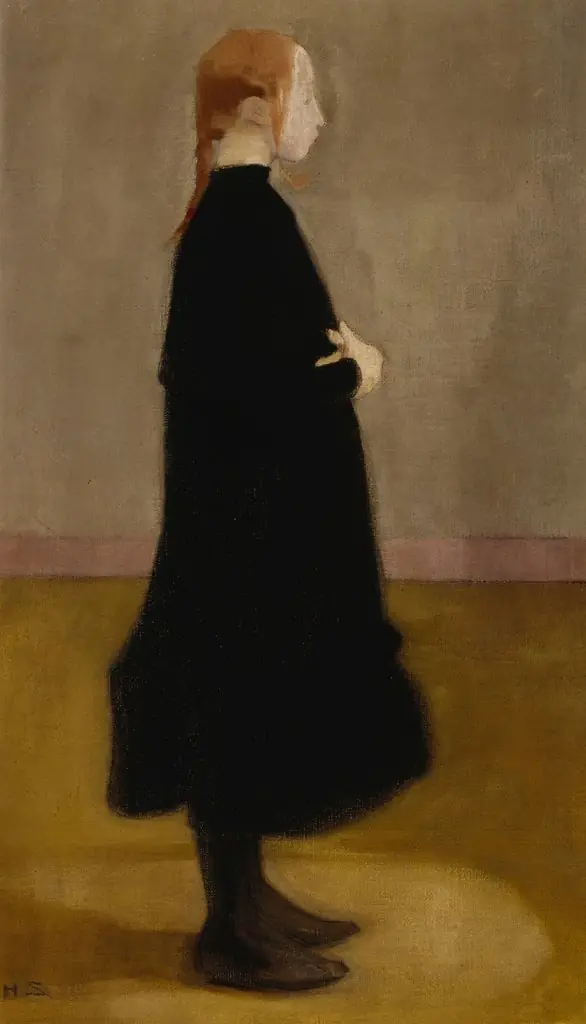
The painting depicts a woman in a dark dress, hair pulled back, seated on a chair with her hands clasped in her lap. Her gaze is directed downward and her expression is solemn, suggesting concentration on an unseen task. The plain wall behind her reinforces the focus on the individual’s quiet labor.
Technique & Style
Schjerfbeck employs muted tonalities and a restrained palette, allowing the figure’s form to emerge from the flat background. The oil medium enables subtle modeling of flesh and fabric, while the brushwork reflects a post‑impressionist sensibility—loose enough to convey atmosphere yet precise in rendering the sitter’s demeanor.
History & Provenance
Created during a period when Schjerfbeck was consolidating her reputation in Finland, the canvas entered the Ateneum’s holdings, where it remains on public display. Its acquisition reflects the museum’s commitment to representing early twentieth‑century Finnish modernism.
Context
At the turn of the century, Finnish artists were negotiating national identity and modern artistic currents. Schjerfbeck’s focus on a working woman aligns with contemporary interests in everyday subjects, while her evolving style bridges realist training and emerging modernist tendencies.
Own this work as a print
Artist & collection
Artist
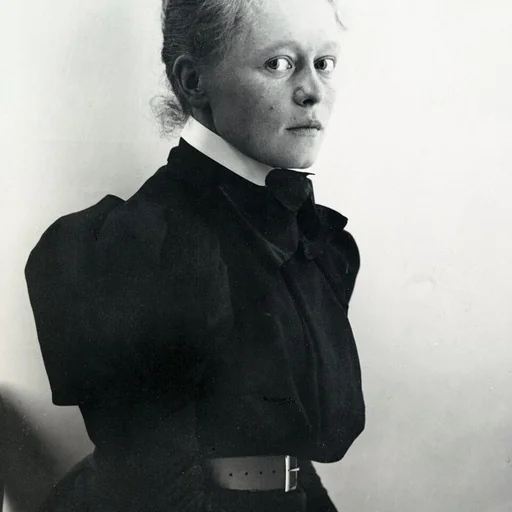
Helena Sofia (Helene) Schjerfbeck (pronounced ; July 10, 1862 – January 23, 1946) was a Finnish modernist painter known for her realist works and self-portraits, and also for her landscapes and still lifes.

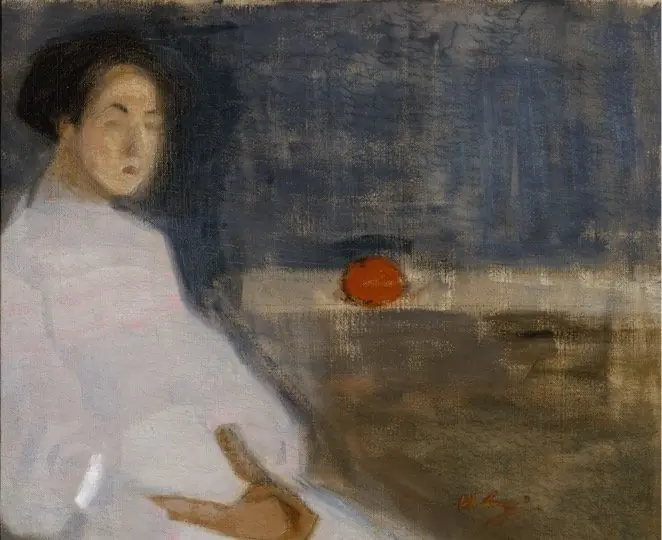
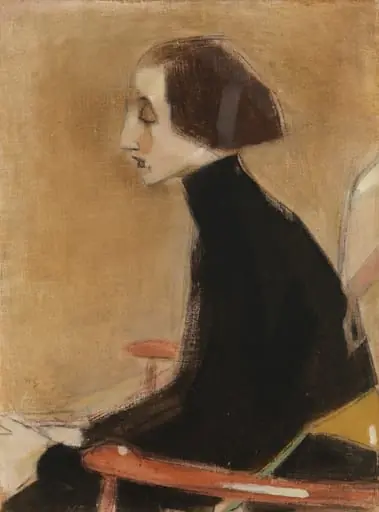 Ompelijatar, puolivartalokuva (Työläisnainen)
 Ida Ilsted, later the Artist's Wife
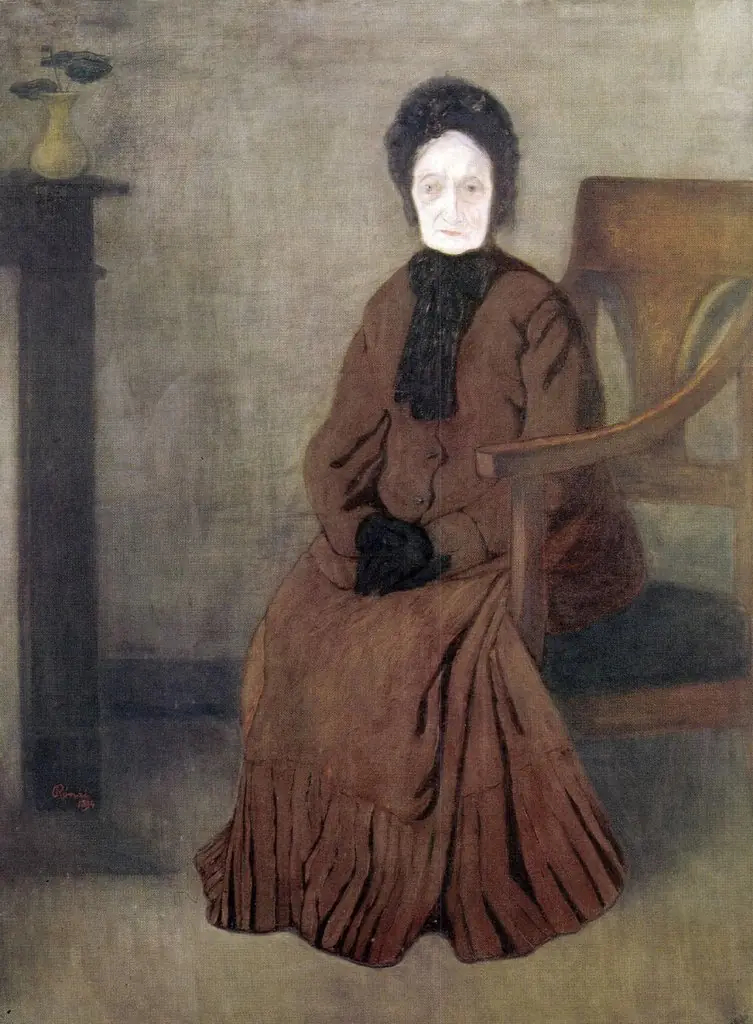 My Grandmother
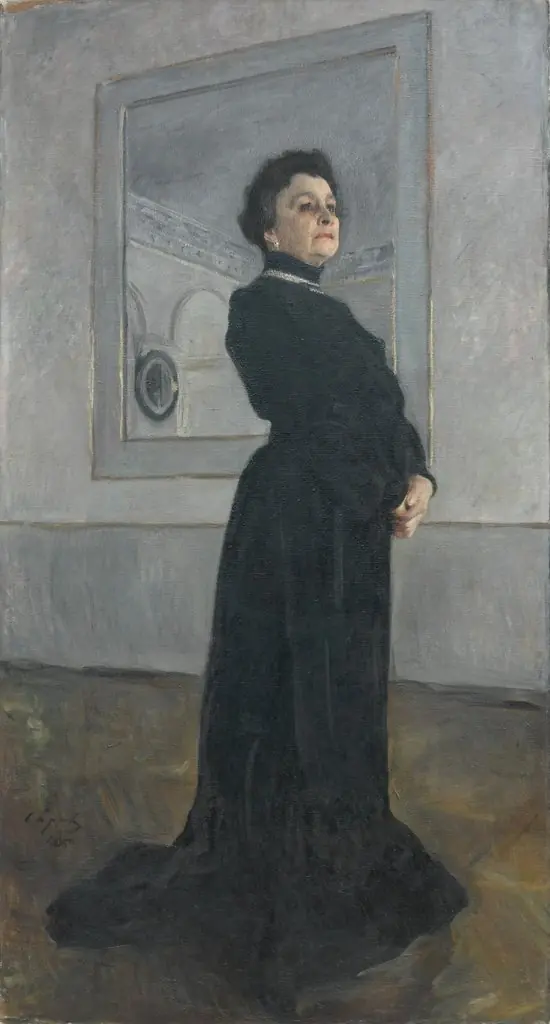 Portrait of Maria Yermolova
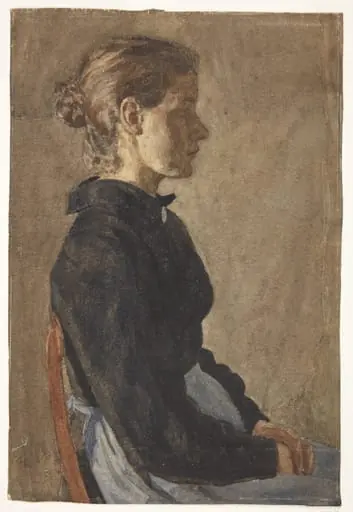 Portræt af malerinden Christine Swane, f. Larsen, som ung
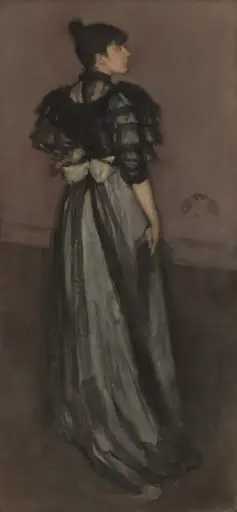 Mother of Pearl and Silver: The Andalusian
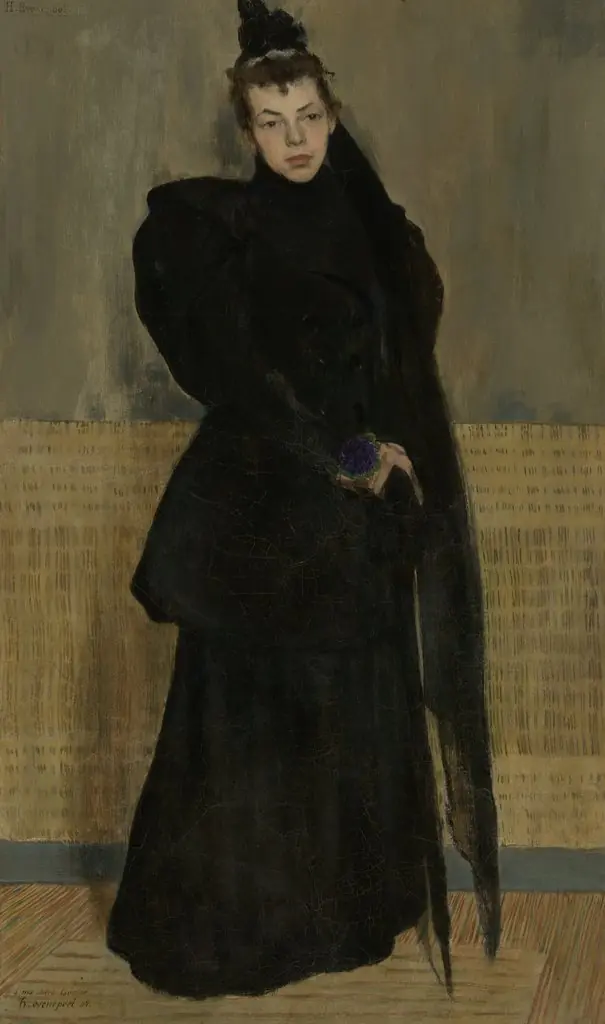 Louise in Mourning
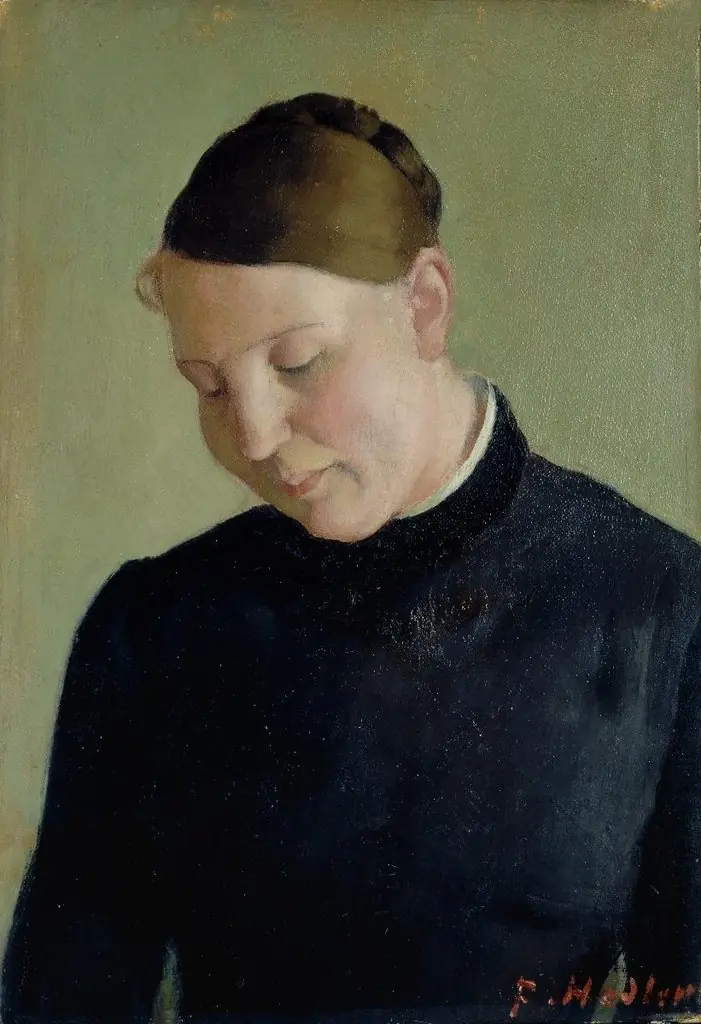 Bildnis einer Unbekannten. Frau, der Predigt zuhörend
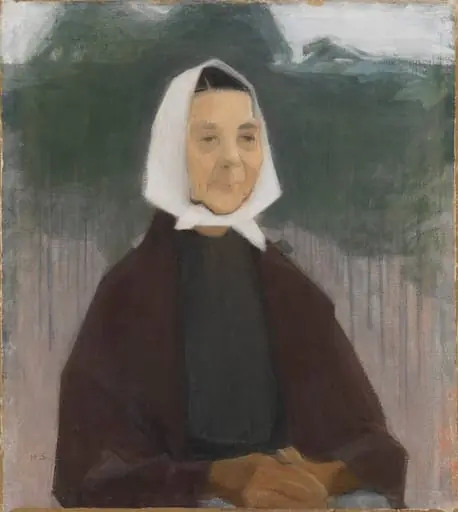 Mummo ("Mommo")
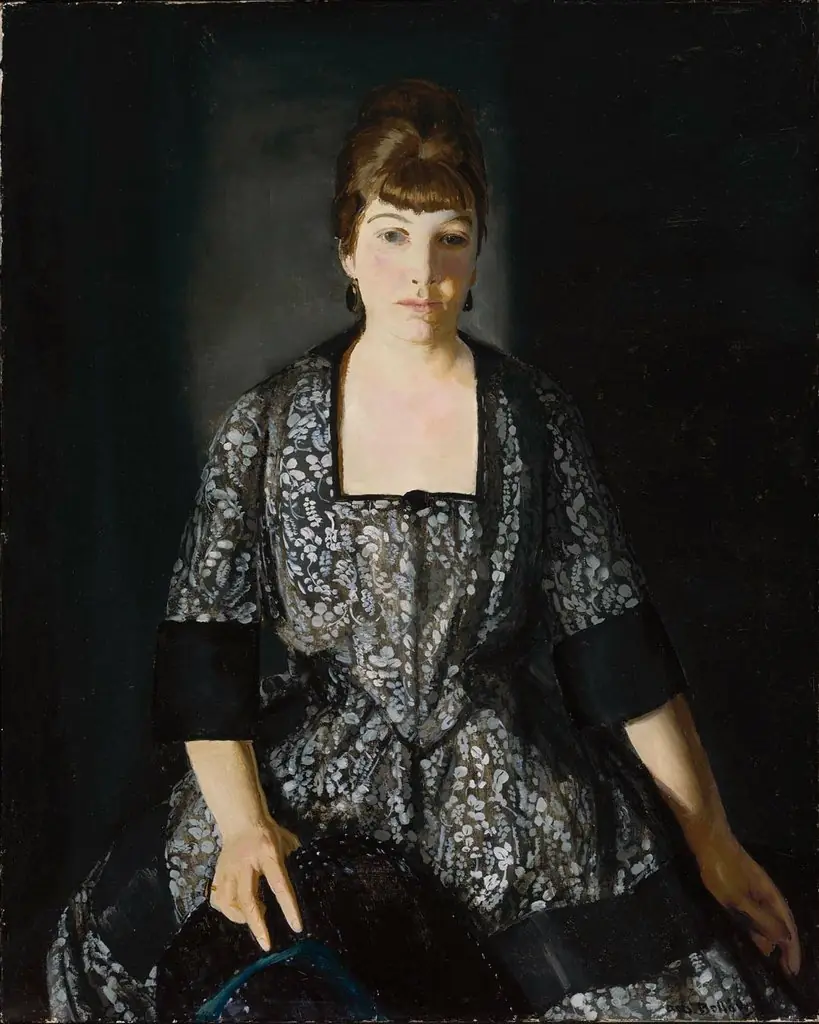 Emma in the Black Print
 Portrait of the artist's wife, Leta Czajkowska (ca.1875–1947)