Artwork
H Beard Print Collection
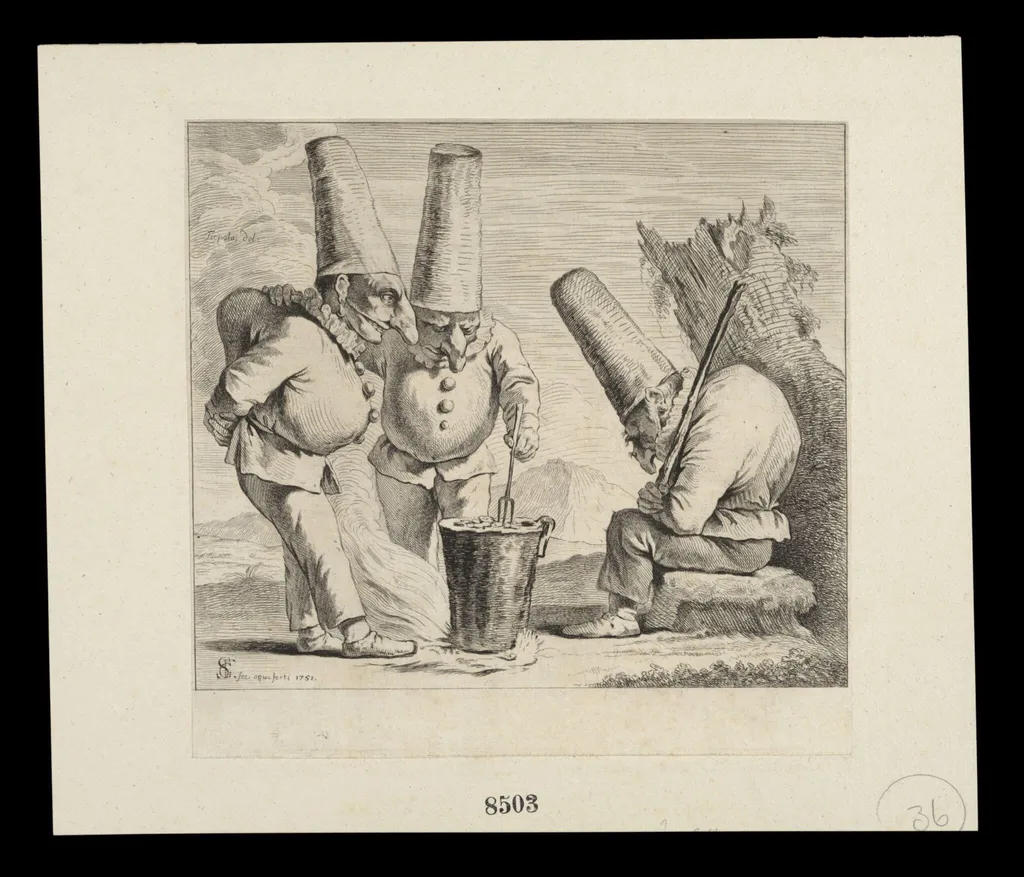
H Beard Print Collection is a print by the Romanticist artist F.C. Schmidt. It dates from 1751 and is held in the collection of the Victoria and Albert Museum. This etching depicts three figures from the Punchinello tradition, a stock character in 18th- and 19th-century British theatrical satire.
About this work
Overview
This etching depicts three figures from the Punchinello tradition, a stock character in 18th- and 19th-century British theatrical satire. The scene captures a quiet moment of deception: one figure sleeps undisturbed on a stone, while two others observe with subtle intent. Their posture and gesture suggest collusion, turning a mundane act of theft into a narrative of quiet mischief.
Subject & Meaning
The figures represent archetypal tricksters drawn from popular puppet theater, where Punchinello often embodied chaotic, self-serving humor. Here, the theft of food—symbolizing basic survival—becomes a metaphor for social opportunism. The sleeping figure’s vulnerability contrasts with the watchers’ coordinated silence, underscoring themes of betrayal and casual exploitation within everyday life.
Technique & Style
The stone surface and clothing folds are suggested rather than fully modeled, creating a sense of immediacy.
Executed in fine-line etching, the composition relies on delicate hatching to define form and shadow. The figures are rendered with loose, expressive contours, emphasizing gesture over detail. The stone surface and clothing folds are suggested rather than fully modeled, creating a sense of immediacy. The absence of background enhances focus on the trio’s interaction, heightening the drama of the moment.
History & Provenance
The print belongs to the Harry Beard Collection, assembled in the 19th century by a noted enthusiast of British theatrical ephemera. Beard collected prints, playbills, and caricatures documenting popular stage culture. This piece likely originated as a satirical broadside or illustration tied to Punch and Judy performances, circulating among audiences familiar with the characters’ antics.
Context
Punchinello figures were staples of seaside puppet shows and print culture in Georgian and Victorian England. Their exaggerated physiognomy and moral ambiguity made them ideal vehicles for social commentary. This print reflects a broader trend in popular imagery that used humor to critique class, greed, and human frailty, often blurring the line between entertainment and moral warning.
Legacy
Though not attributed to a known artist, the work survives as a representative example of vernacular printmaking from a period when theatrical satire permeated visual culture. Its preservation in the Beard Collection ensures its place as a document of popular taste and the enduring appeal of trickster figures in British visual humor.
Artist & collection
Artist
This artist made prints in the 1700s, mostly collecting and printing images of animals and plants.

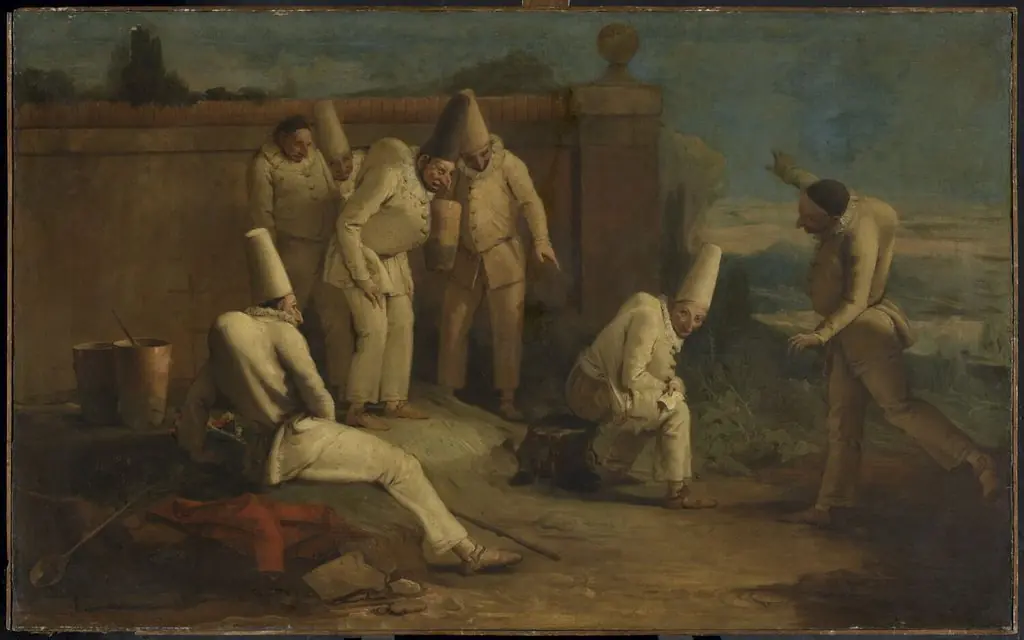 Polichinelle coupable
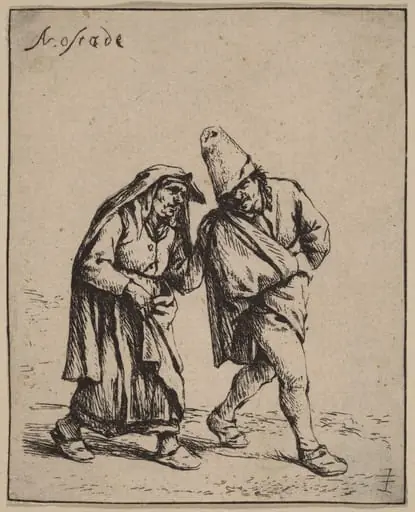 Peasant Couple Walking
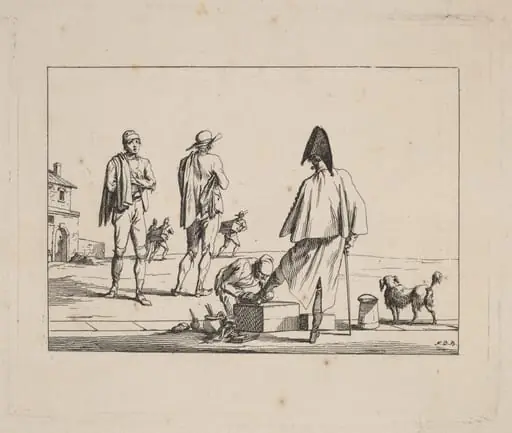 Décroteur et Ramoneur (Scraper and Chimney Sweep)
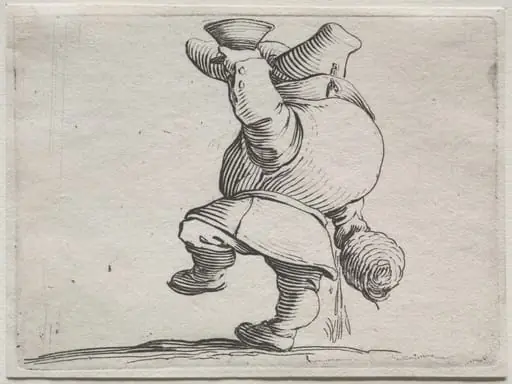 Drinker Seen From Behind
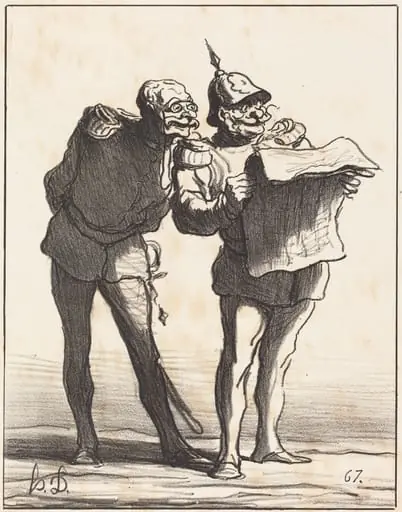 Décidément on ne peut pas...
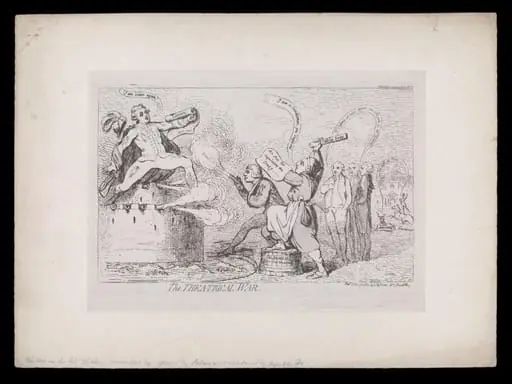 H Beard Print Collection
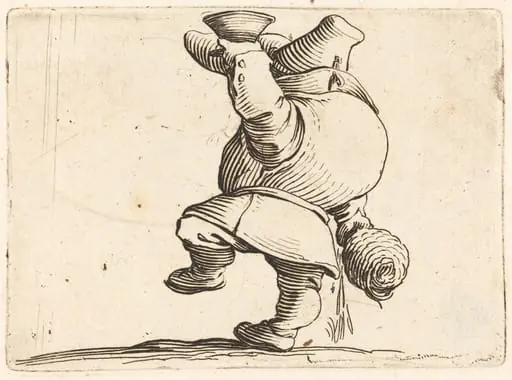 The Drinker, Back View
 An Image Seller
 The Proverbs: Carnival Folly
 Jeunes gens de cinquante a soixante ans ...
 Huguet de Sémonville - Robert Macaire (Thiers) - Comte Roederer
 Vous ne prenez rien?