Artwork
Print Collection
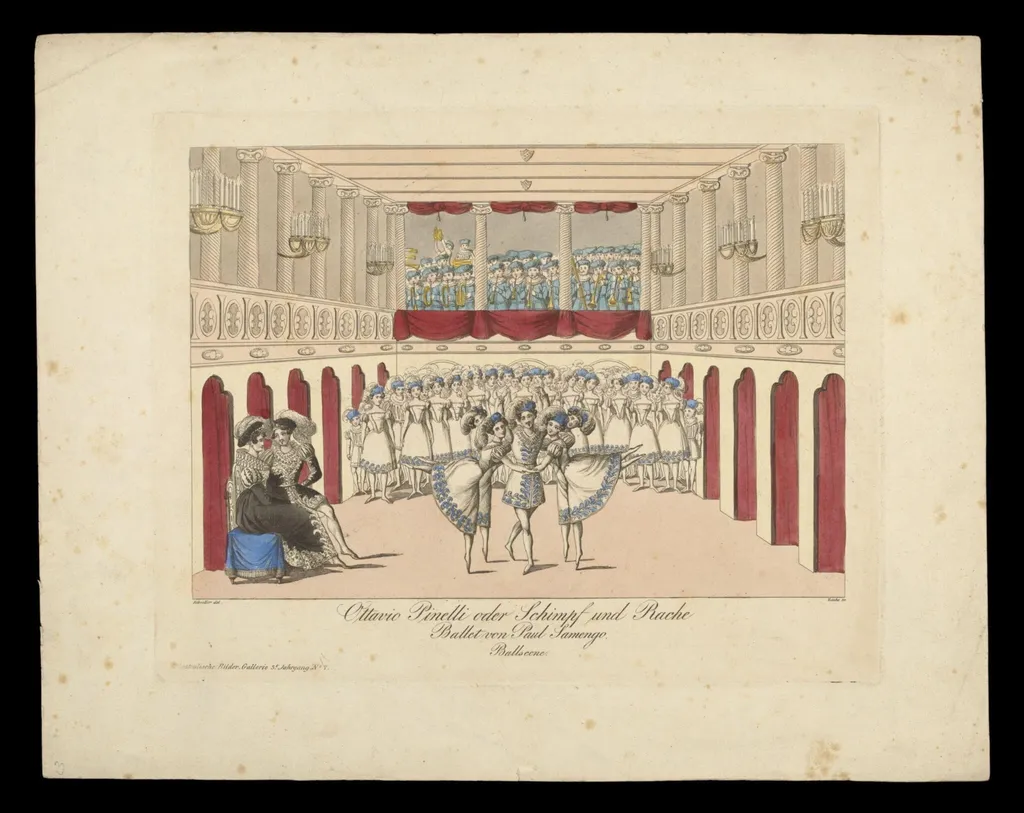
Print Collection is a print by the Romanticist artist Schoeller. It dates from 1828 and is held in the collection of the Victoria and Albert Museum. The work is a print titled Ottavio Pinelli oder Schimpf und Rache, presenting a theatrical ballet scene.
About this work
It’s titled “Ottavio Pinelli oder Schimpf und Rache,” which hints at a story of insult and revenge.
This print shows a ballet scene from 1828. It’s part of the Romanticism movement, where artists focused on drama and emotion. The work is by Schoeller, a printmaker who turned paintings into prints.
The ballet scene comes from an image by the same artist. It’s titled “Ottavio Pinelli oder Schimpf und Rache,” which hints at a story of insult and revenge.
Check out more Romanticism prints at the Victoria and Albert Museum.
Overview
The work is a print titled Ottavio Pinelli oder Schimpf und Rache, presenting a theatrical ballet scene. Executed in 1828, it belongs to the Romantic period, a time when visual art emphasized heightened emotion and dramatic narrative.
Subject & Meaning
The image captures a moment from a ballet that dramatizes themes of insult and retaliation, as suggested by the German subtitle Schimpf und Rache (insult and revenge). The composition focuses on the performers’ expressive gestures, underscoring the story’s emotional tension.
Technique & Style
Created by the printmaker Schoeller, the piece translates an original drawing into a printed format. The technique employs fine line work and tonal contrasts typical of early 19th‑century reproductive prints, preserving the fluidity of the original composition while enhancing its dramatic chiaroscuro.
History & Provenance
Schoeller, known for converting paintings and drawings into prints, produced this work as part of his series of theatrical subjects. The print has been retained within institutional collections, reflecting its role in documenting Romantic-era stage productions.
Context
During the Romantic era, ballet and other performing arts were popular sources for visual representation, allowing artists to explore narrative intensity. Prints like this served both as documentation of contemporary performances and as affordable reproductions for a broader audience.
Artist & collection

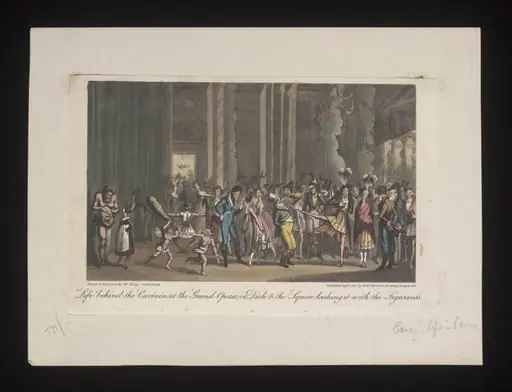 Life behind the Curtain at the Grand opera; or, Dick and the Squire larking it with the Figurants
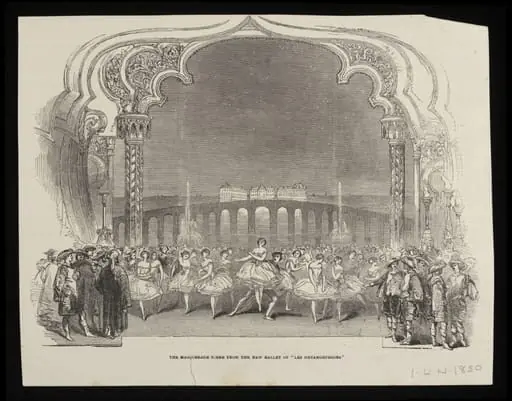 H Beard Print Collection
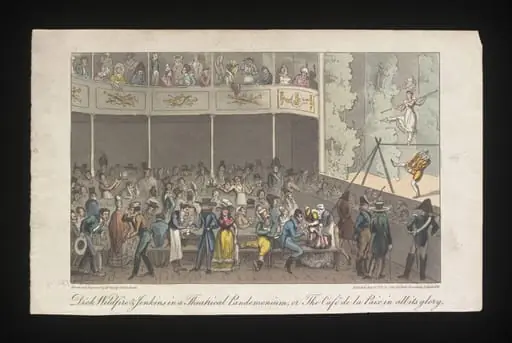 Dick Wildfried & Jenkins in a Theatrical Pandemonium or The Café de la Paix de la Paix in all its glory
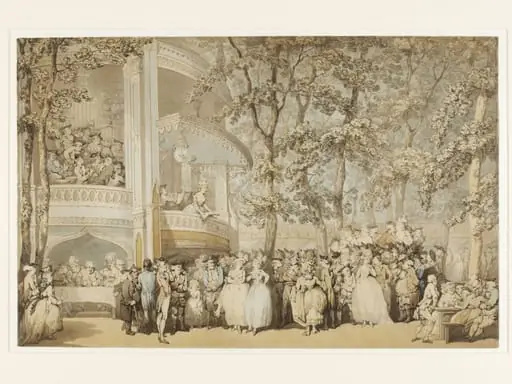 Vauxhall Gardens
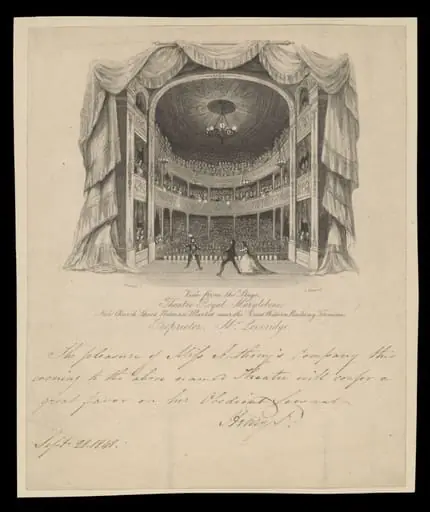 H Beard Print Collection
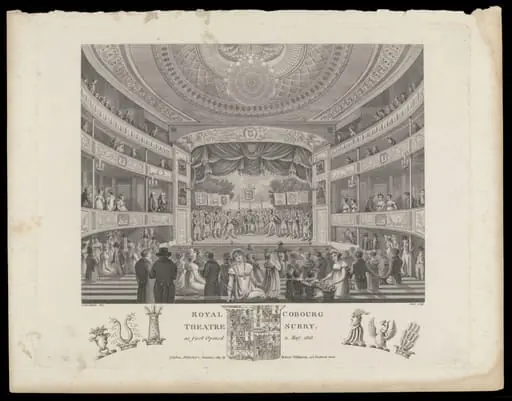 H Beard Print Collection
 H Beard Print Collection
 Print Collection
 H Beard Print Collection
 H Beard Print Collection
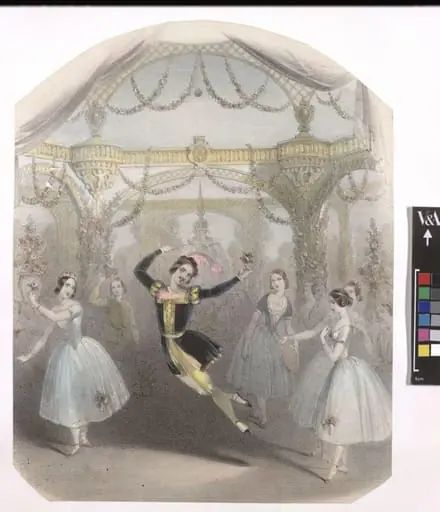 Print of Arthur Saint-Léon in La Esmeralda
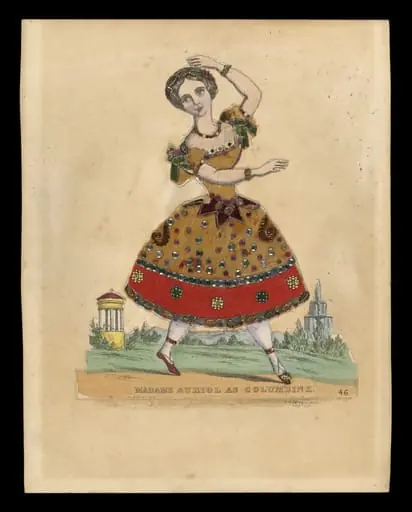 H Beard Print Collection