Artwork
Portrait of an Architect
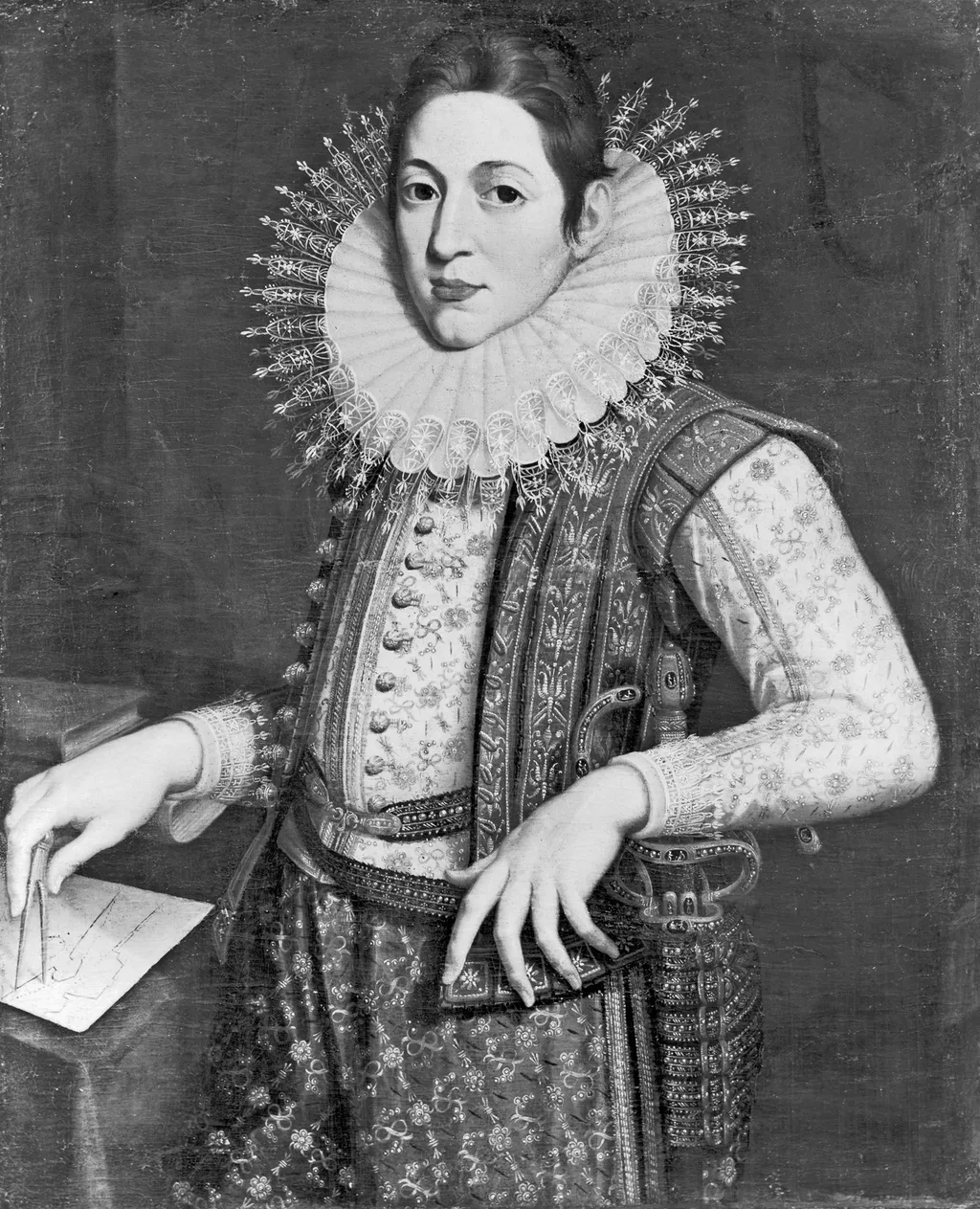
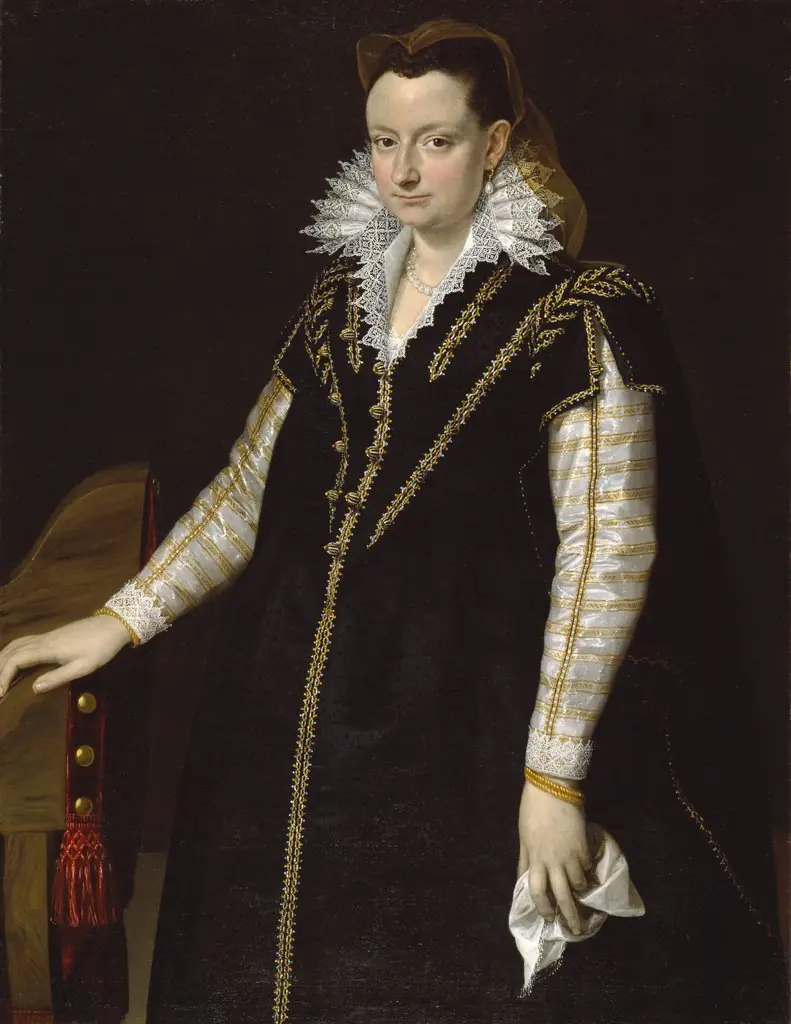
Portrait of an Architect is an oil painting by the Mannerist artist Scipione Pulzone. It dates from 1592 and is held in the collection of the Walters Art Museum.
About this work
Overview
Though associated with Mannerism, his approach here avoids exaggerated elegance, favoring quiet realism.
Painted in 1592 by Scipione Pulzone, this oil portrait depicts a woman identified as an architect, a rare representation of a female professional in late 16th-century art. Pulzone, active in Rome, Naples, and Florence, was known for precise, restrained portraiture. Though associated with Mannerism, his approach here avoids exaggerated elegance, favoring quiet realism. The work is held in the Walters Art Museum’s collection.
Subject & Meaning
The subject is a woman dressed in aristocratic attire, holding a pencil and sheet of paper—tools of architectural design. Her poised stance and direct gaze suggest professional authority, challenging norms that excluded women from technical fields. The inclusion of drafting instruments implies intellectual engagement, positioning her not merely as a noblewoman but as a practitioner of a learned discipline, possibly commissioned to honor her role.
Technique & Style
Pulzone employs chiaroscuro to model the figure with subtle gradations of light and shadow, enhancing the three-dimensionality of her face and hands. The dark, unadorned background isolates her form, focusing attention on her expression and gestures. Fine detail in the lace collar and fabric patterns reflects meticulous brushwork, while the overall composition avoids Mannerist ornamentation in favor of dignified clarity.
History & Provenance
The painting was completed in 1592 during Pulzone’s Roman period, when he received commissions from ecclesiastical and noble patrons. Its early ownership is undocumented, but it entered the Walters Art Museum’s collection in the early 20th century through the bequest of Henry Walters. No contemporary records confirm the sitter’s identity, though her attire and tools suggest she was a woman of elevated social standing with professional interests.
Context
In late Renaissance Italy, architecture was a male-dominated field tied to engineering and classical scholarship. Women were rarely depicted in such roles, making this portrait unusual. While noblewomen sometimes engaged in intellectual pursuits, visual evidence of them as practicing architects is scarce. This work may reflect a rare acknowledgment of female expertise or a symbolic representation of learned virtue.
Legacy
Pulzone’s portrait stands as an atypical example of gendered professional representation in early modern art. It does not conform to the theatricality of Mannerism nor the idealized grandeur of High Renaissance portraiture. Its quiet realism and focus on a woman’s intellectual agency offer a distinctive, if isolated, counterpoint to prevailing norms, contributing to broader discussions about visibility and role in Renaissance society.
Own this work as a print
Artist & collection
Artist
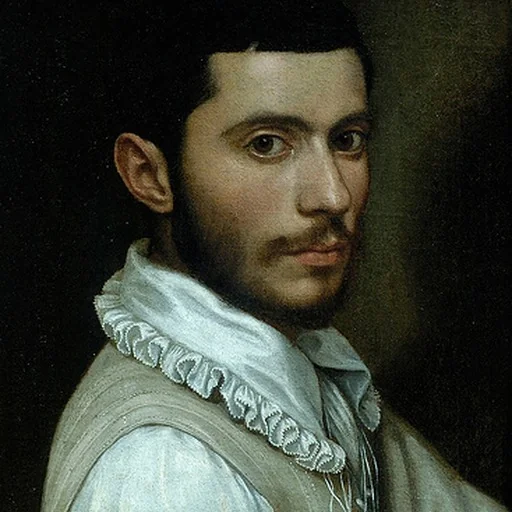
Scipione Pulzone (1544 – February 1, 1598), also known as Il Gaetano, was a Neapolitan painter of the late Italian Renaissance.

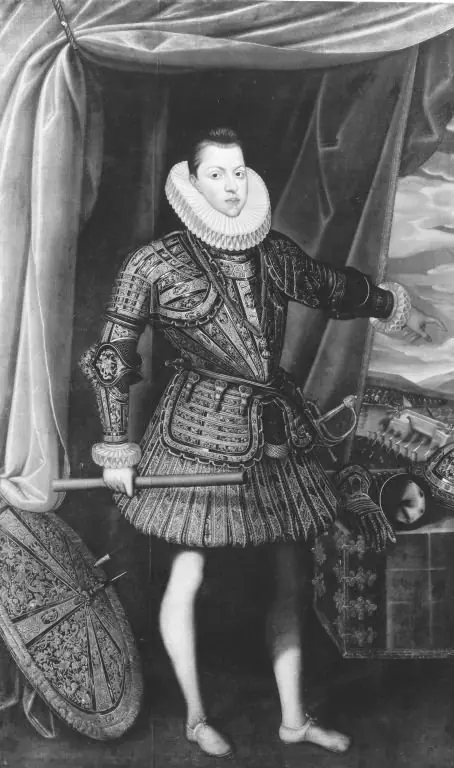 Philipp III., König von Spanien als Feldherr (Werkstatt)
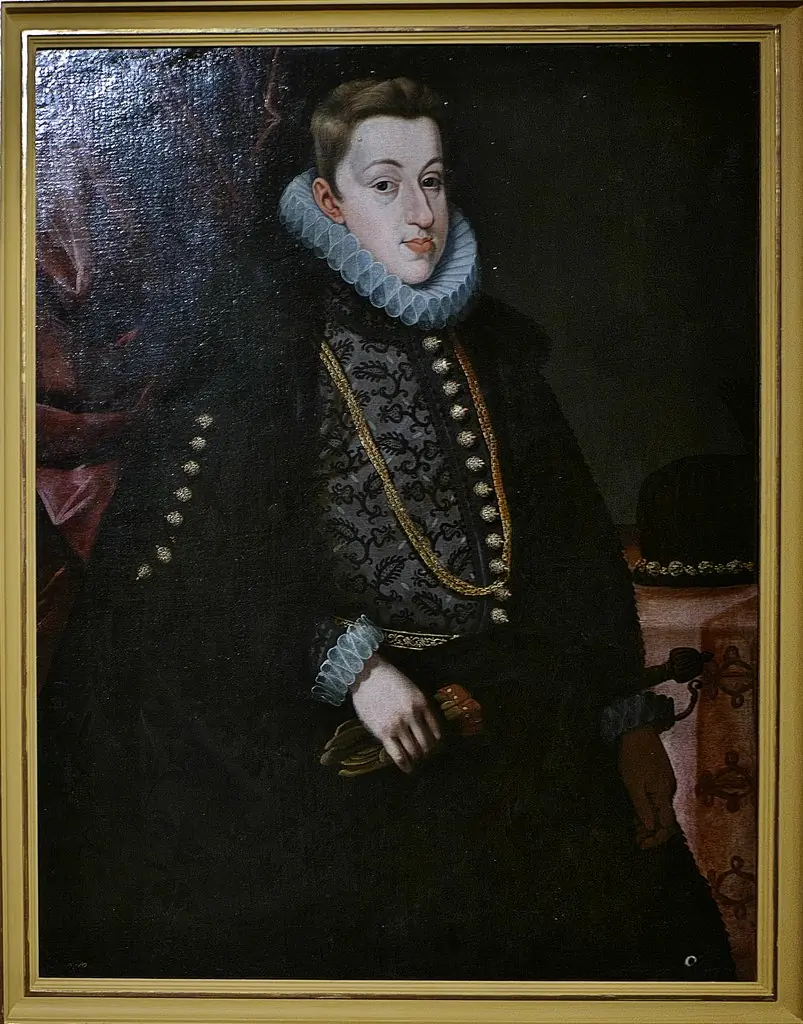 Ferdinand II of Habsburg as a young man
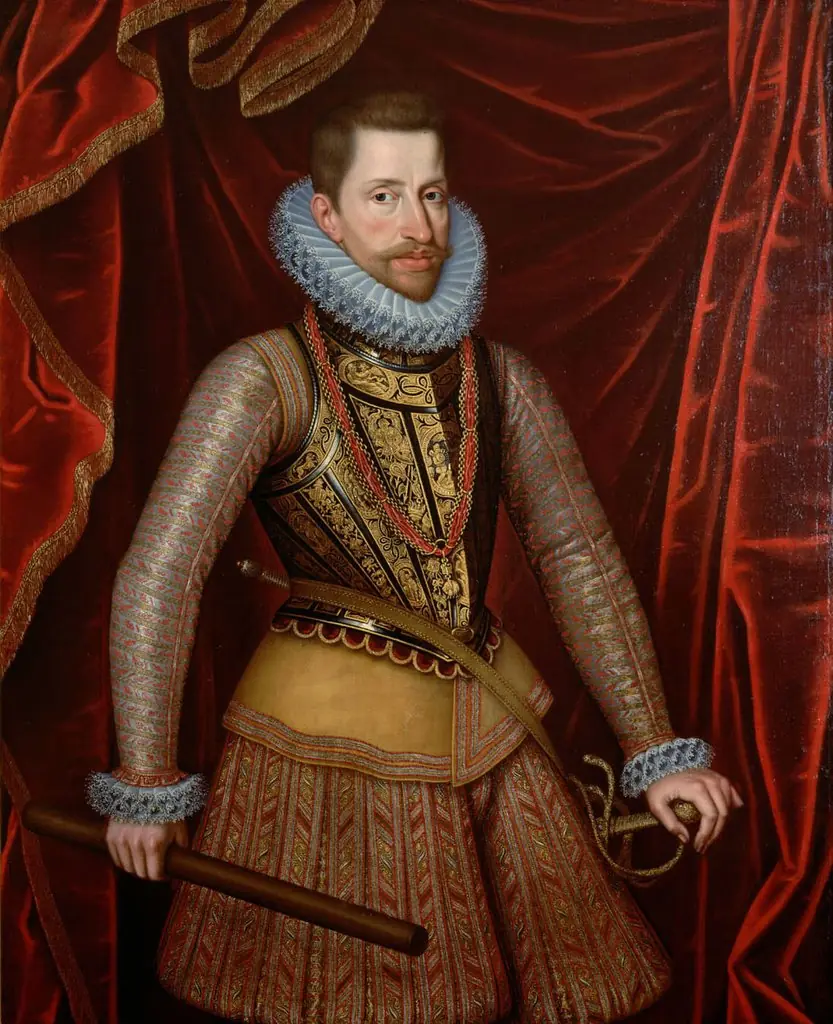 Portrait of Albrecht VII, Archduke of Austria (1559-1621)
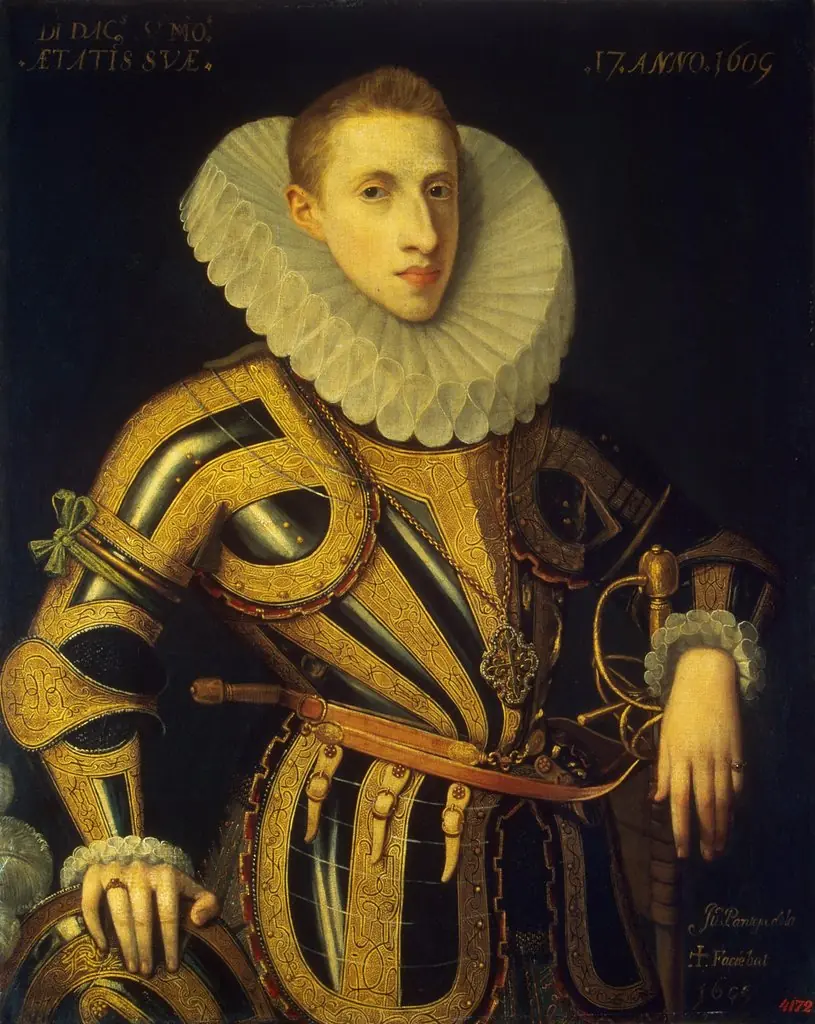 Portrait of Diego de Villamayor
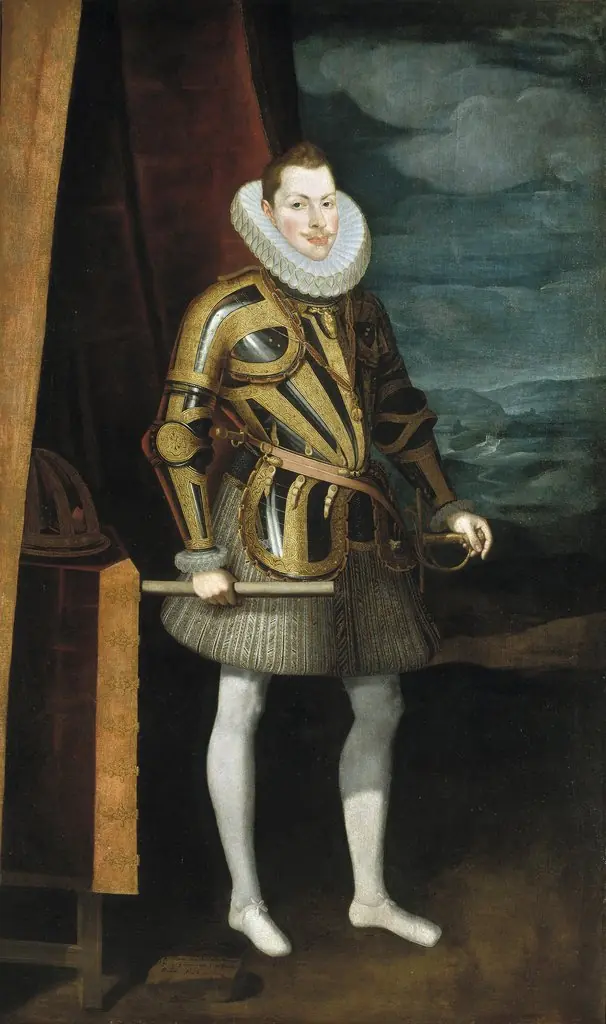 Philip III
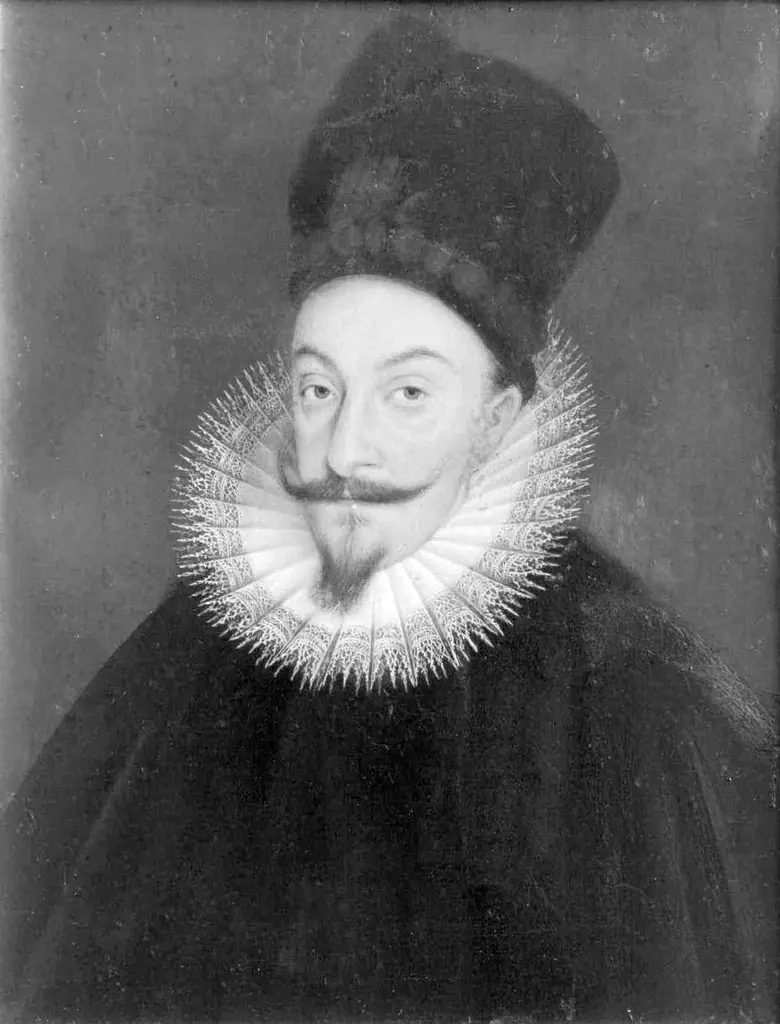 König Sigismund III. von Polen
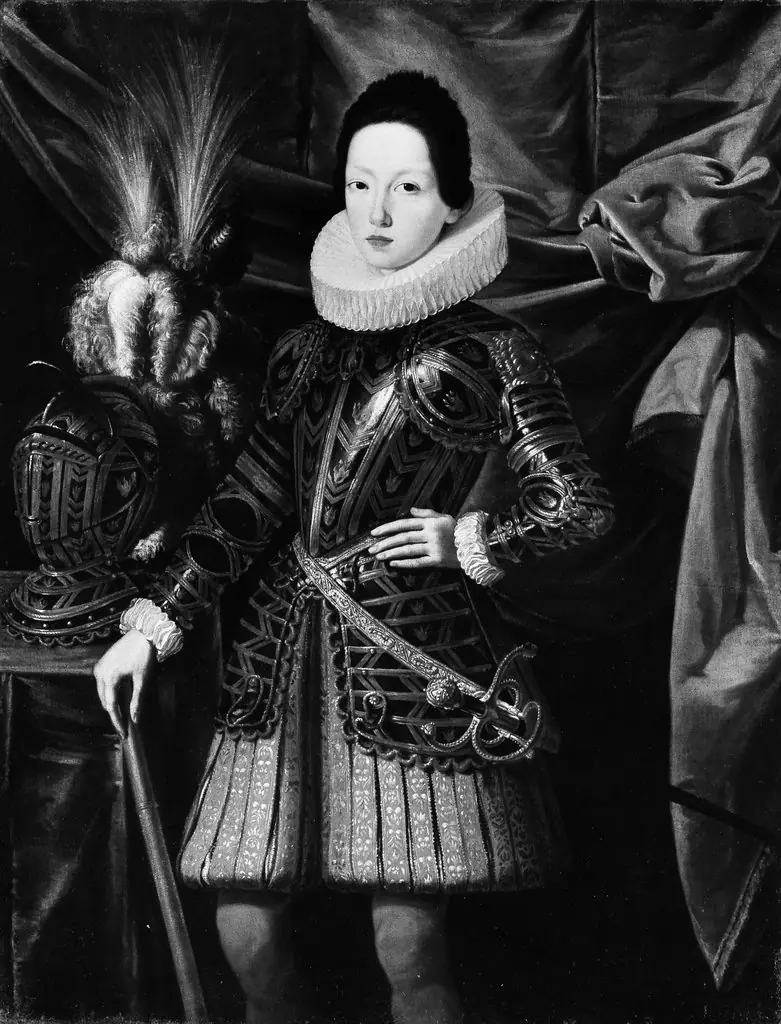 Ferdinando II de' Medici (1610–1670) as a Boy
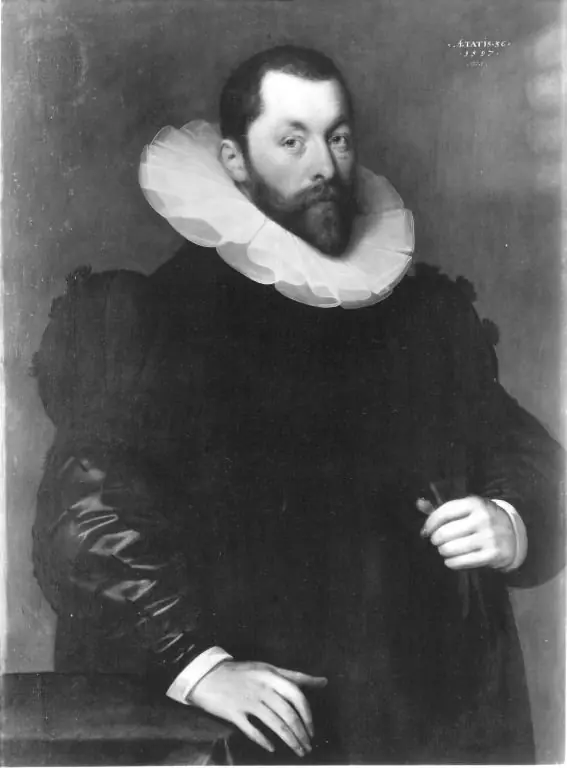 Bildnis eines Mannes
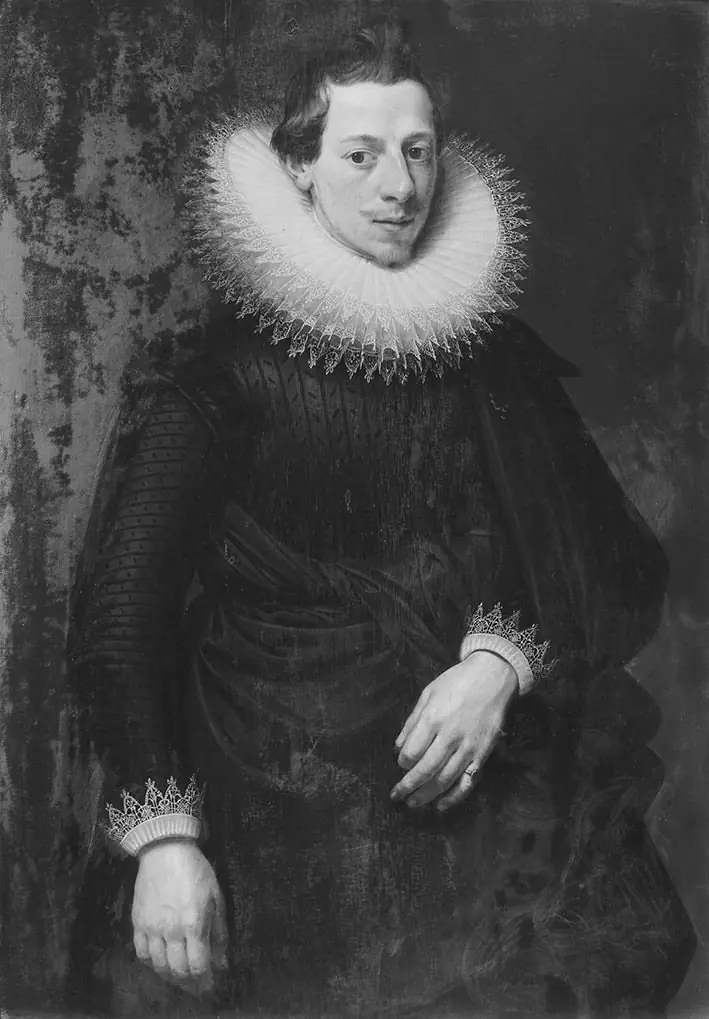 Bildnis eines jungen Mannes
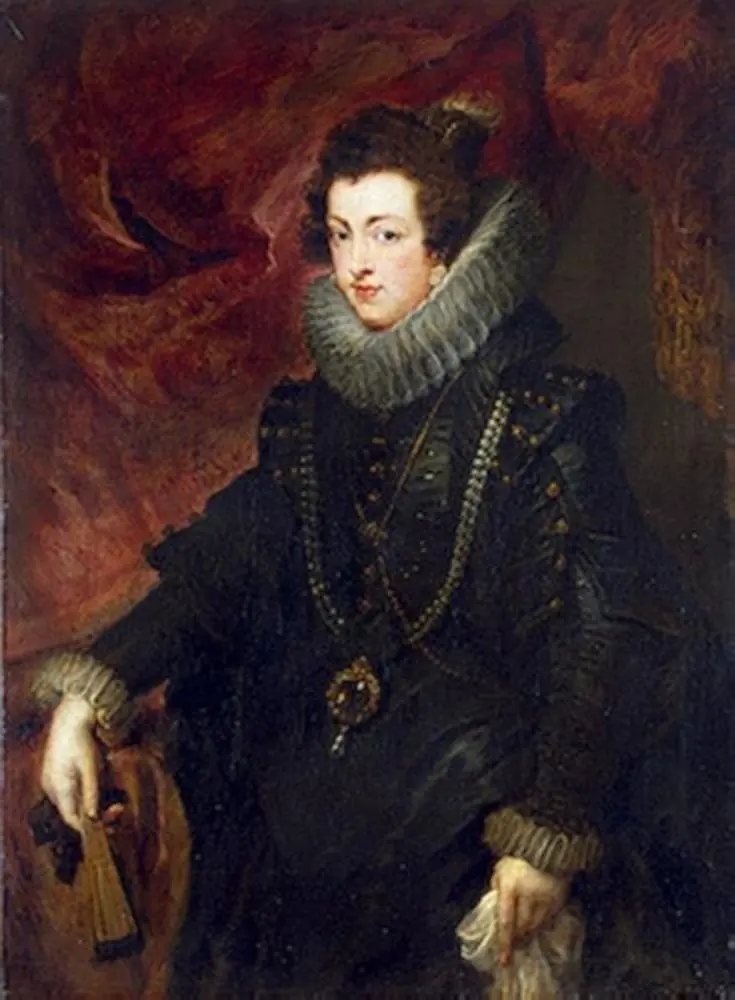 Portrait of Elizabeth of Bourbon, Queen of Spain
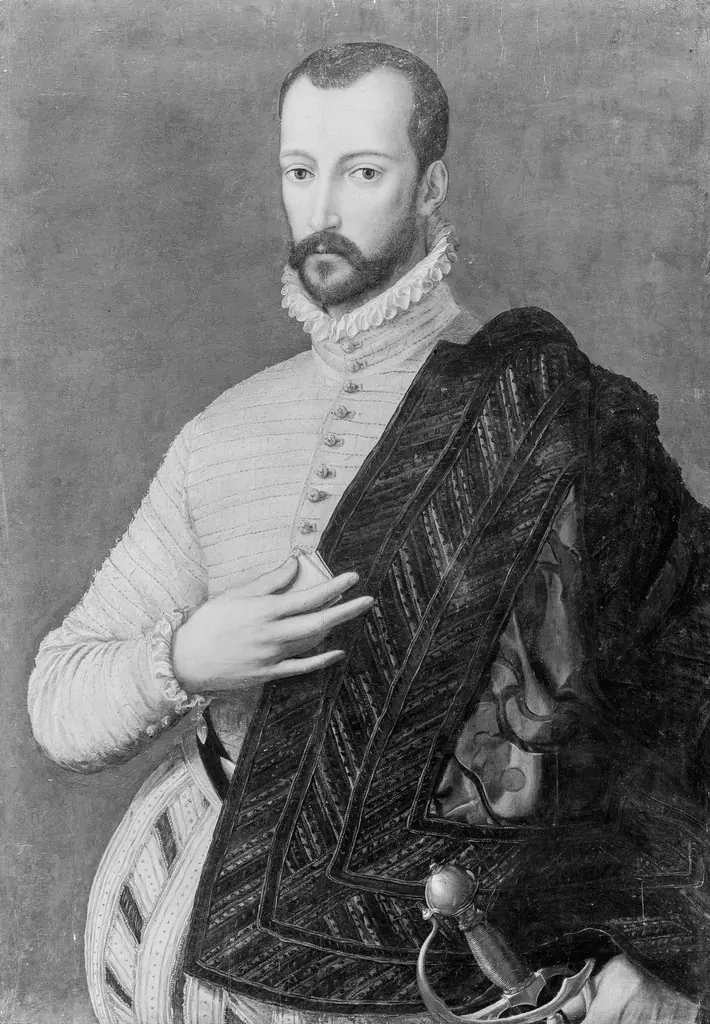 Portrait of a Man
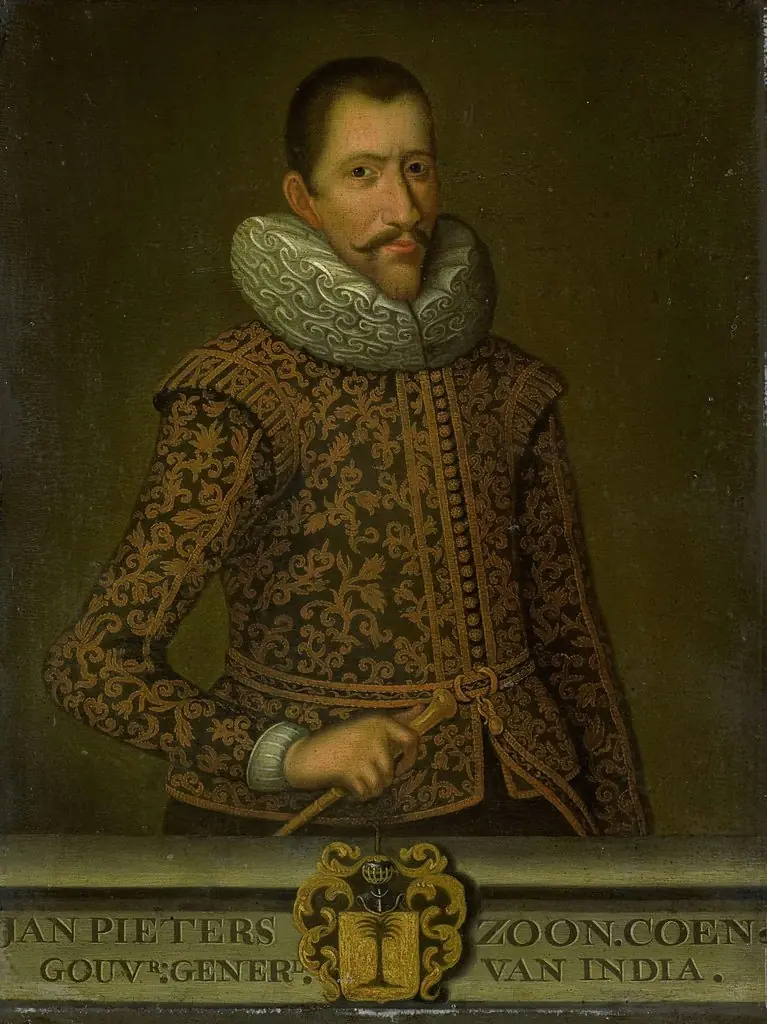 Portrait of Jan Pietersz Coen, Governor-General of the Dutch East Indies