Artwork
Femeie citind
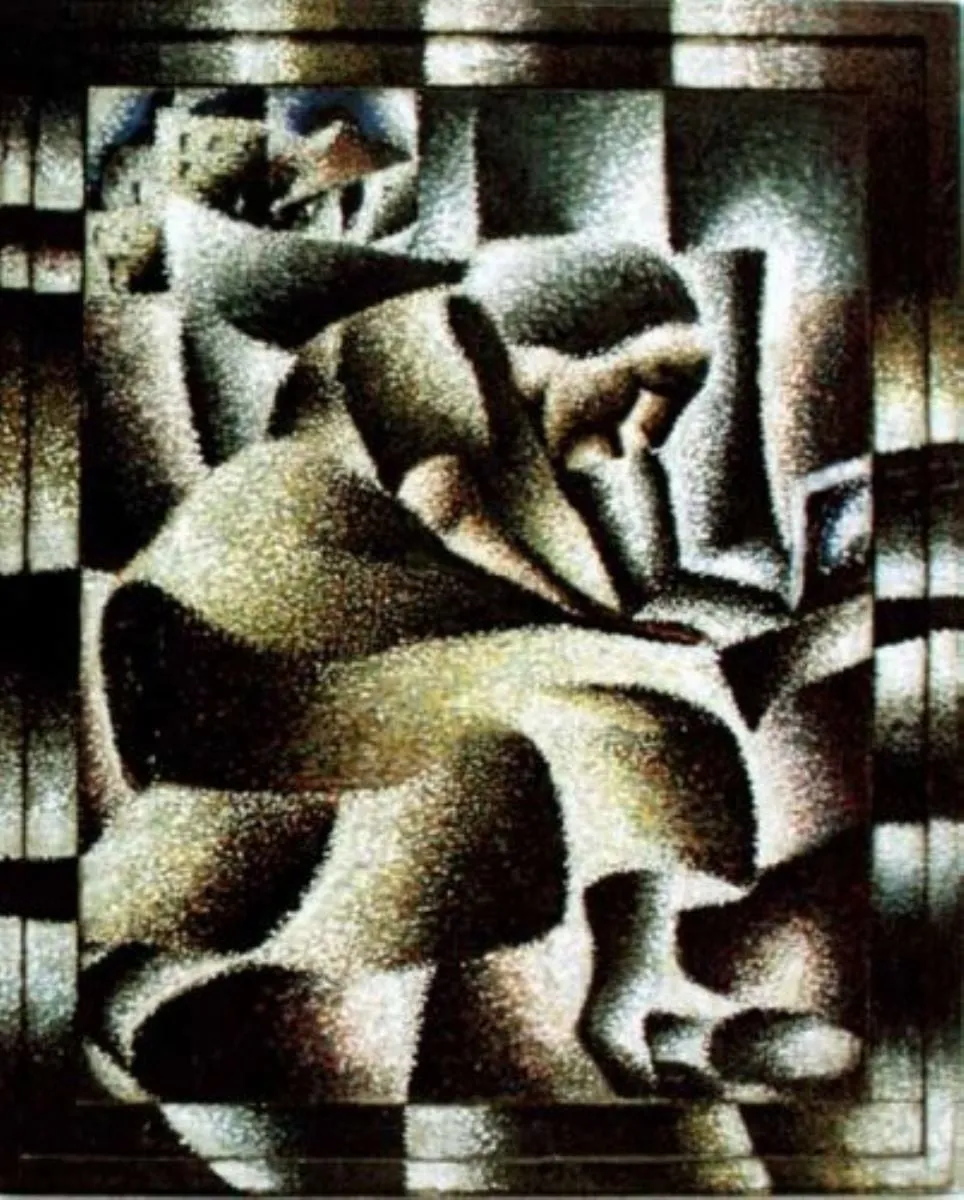
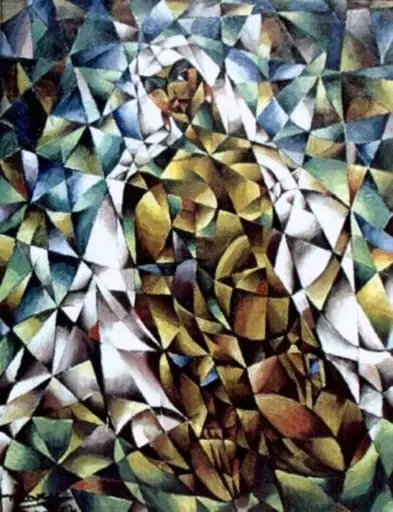
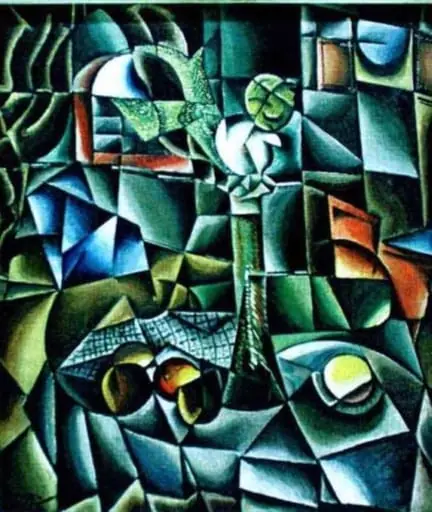
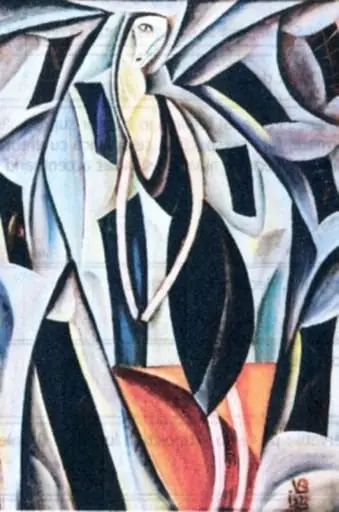
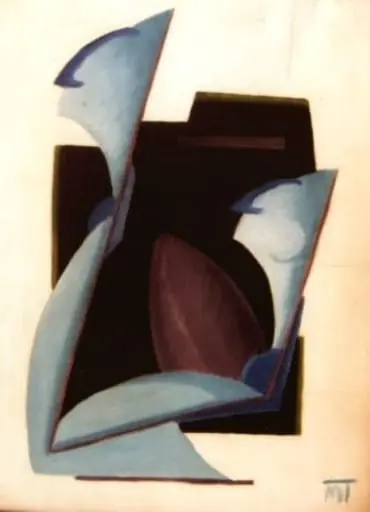
Femeie citind is an unspecified painting by Arthur Segal. It dates from 1920 and is held in the collection of the National Museum of Art of Romania.
About this work
Overview
The physical presence of the paint is evident, with visible texture and layered application that gives the figure a tactile, sculptural quality.
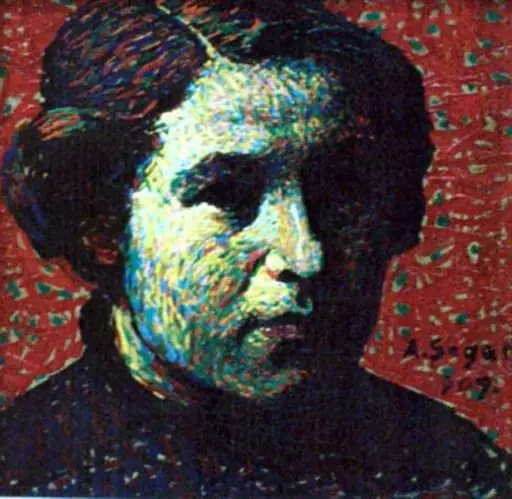
Femeie citind, painted by Arthur Segal in 1920, depicts a solitary woman absorbed in reading. The composition centers on her seated posture, leaning forward with quiet intensity. The palette is restrained, dominated by earthy tones and soft contrasts, reinforcing a sense of introspection. The physical presence of the paint is evident, with visible texture and layered application that gives the figure a tactile, sculptural quality.
Subject & Meaning
The woman’s focused stillness suggests an intimate, private moment—reading as an act of inner reflection rather than performance. Her hunched form and downward gaze convey concentration, isolating her from the surrounding space. There is no narrative context or external detail; the emphasis lies in the quiet dignity of solitary contemplation, rendered without sentimentality or drama.
Technique & Style
Segal employed impasto to build form through thick, directional brushwork, creating depth through texture rather than linear precision. Shadows are rendered with dense, scraped pigment, while highlights emerge as raised ridges of lighter paint. The surface is deliberately rough, rejecting smoothness in favor of material presence. This approach aligns with early 20th-century expressive realism, prioritizing emotional resonance over idealized detail.
History & Provenance
Painted during Segal’s time in Romania, Femeie citind reflects his engagement with local subjects after years in Berlin and Paris. It belongs to a series of intimate domestic scenes from this period, though its specific ownership history remains undocumented. The work was likely exhibited in regional galleries before entering institutional collections, where it is now preserved as part of Romania’s modernist heritage.
Context
Created in the aftermath of World War I, the painting resonates with a broader cultural turn toward introspection and quiet resilience. Segal’s focus on ordinary, unadorned moments aligns with regional modernist trends that valued authenticity over spectacle. The absence of decorative elements or social markers situates the figure beyond class or time, emphasizing universal human experience.
Legacy
Femeie citind exemplifies Segal’s distinctive synthesis of expressionist technique and restrained subject matter. While not widely reproduced, it remains a key example of Romanian modernism’s engagement with psychological depth through materiality. Its influence is seen in later artists who prioritized tactile paint and emotional stillness over narrative clarity.
Artist & collection