Artwork
Untitled
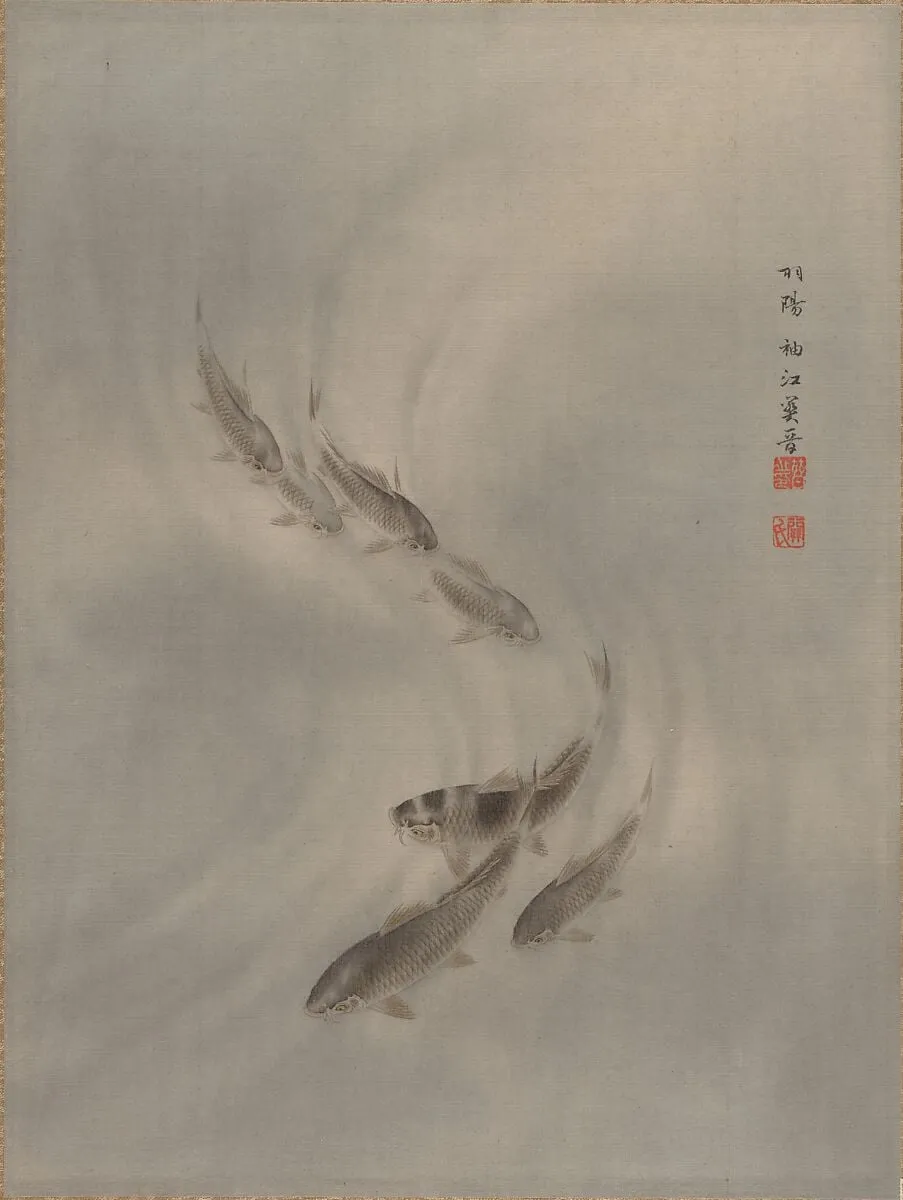
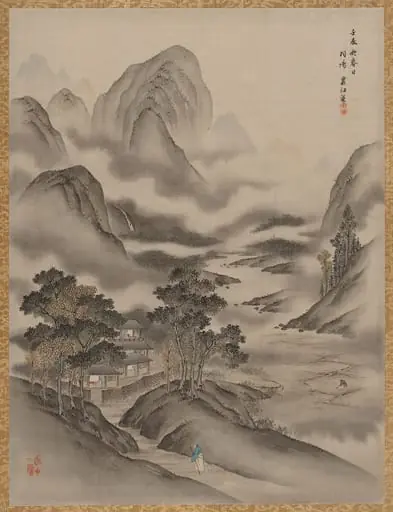
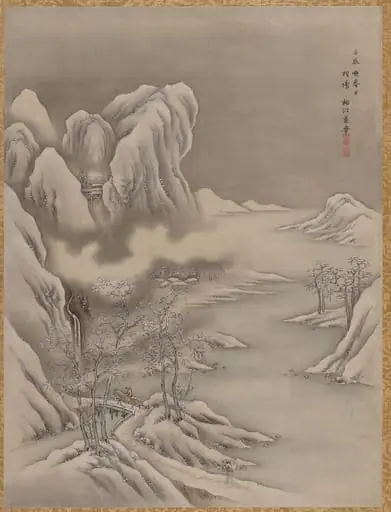
Untitled is an ink painting by the Impressionist artist Seki Shūkō. It dates from 1891 and is held in the collection of the Metropolitan Museum of Art.
About this work
Overview
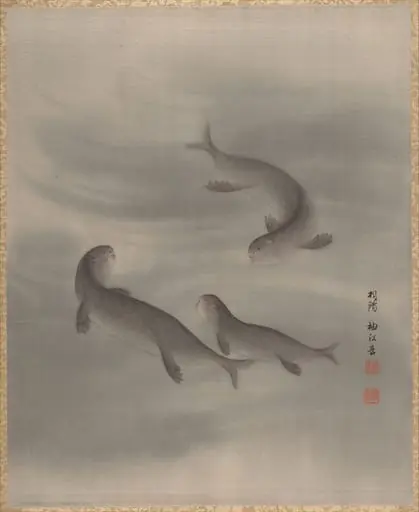
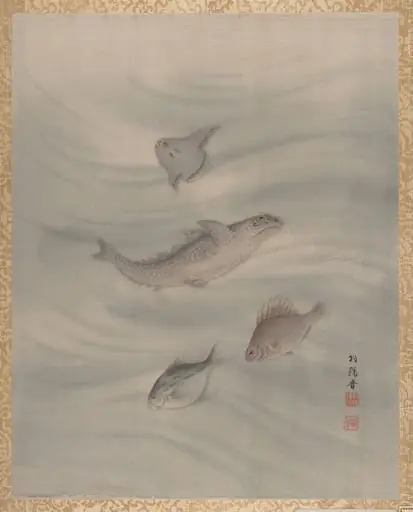
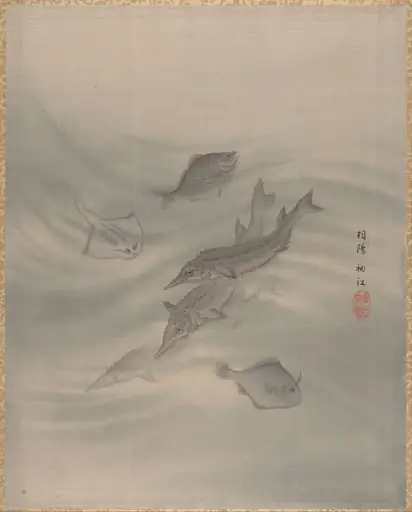
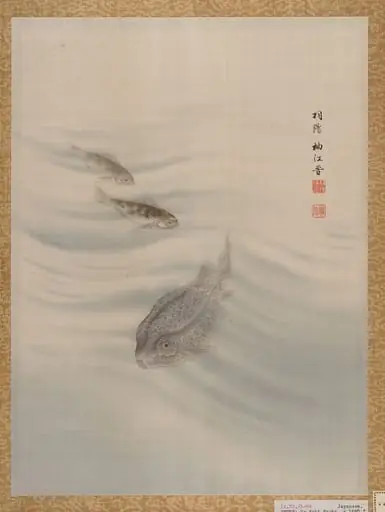
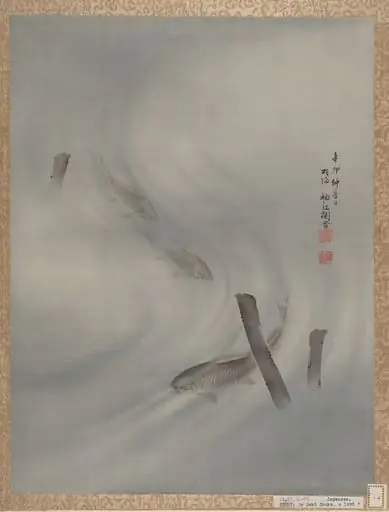
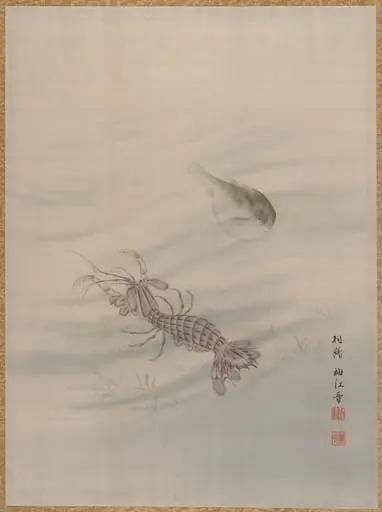
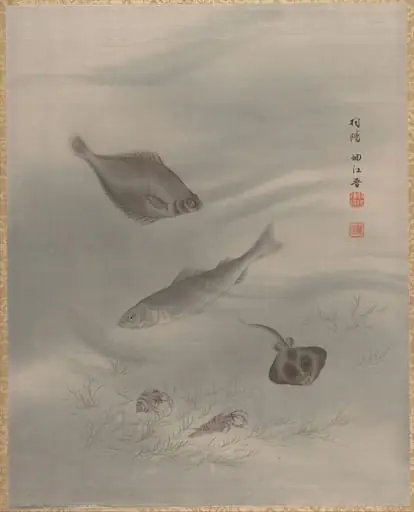
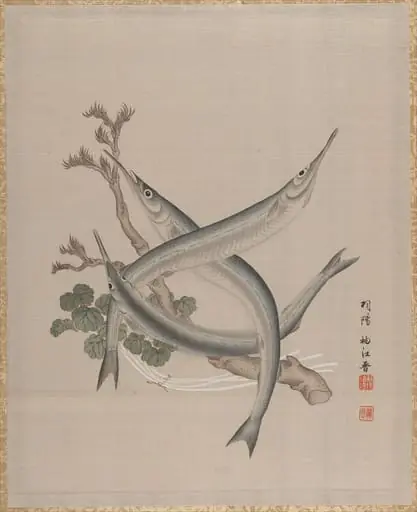
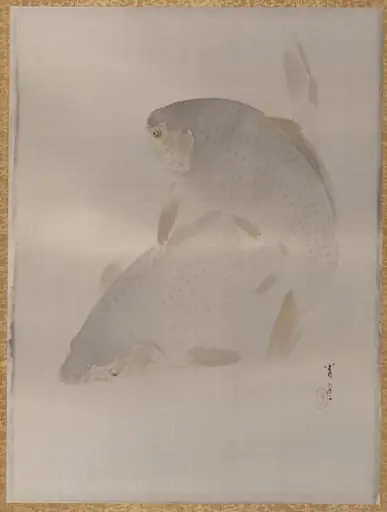
Created around 1891, this small album leaf by Seki Shūkō presents a solitary fish rendered on silk with ink and subtle color. The composition is minimal, occupying the narrow surface with the fish as the sole subject, while the surrounding space remains largely unfilled, emphasizing the creature’s form.
Subject & Meaning
The work depicts a single fish, its body suggested by swift, fluid brushwork. By isolating the animal against an almost empty backdrop, the artist invites contemplation of the fish’s movement and vitality, a common motif in Japanese still-life that celebrates the fleeting presence of nature.
Technique & Style
Seki employs ink lines and delicate washes, punctuated by touches of gold that catch the light on the fish’s scales. The use of gold leaf, uncommon in conventional ink paintings, creates an inner illumination, while the quick strokes convey a sense of immediacy and motion on the silk substrate.
History & Provenance
The piece belongs to a series of album leaves produced by Seki Shūkō in the early 1890s, a period when many Japanese artists were adopting Western techniques. This work reflects the painter’s deliberate choice to maintain traditional methods, focusing on ink, silk, and minimal composition rather than Western perspective or shading.
Context
During the Meiji era, Japanese art was undergoing rapid transformation under Western influence. Seki Shūkō’s decision to retain a purely Japanese aesthetic—absence of background, emphasis on line and surface—positions this work as a quiet affirmation of native visual culture amid broader artistic shifts.
Artist & collection