Artwork
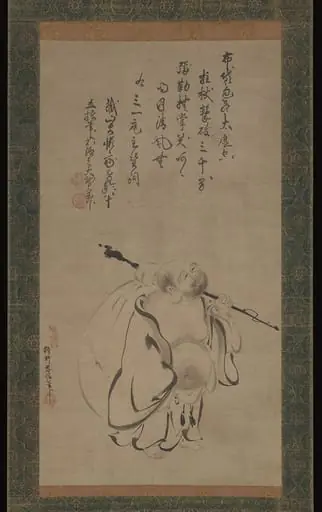
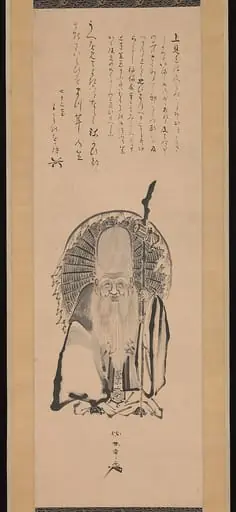
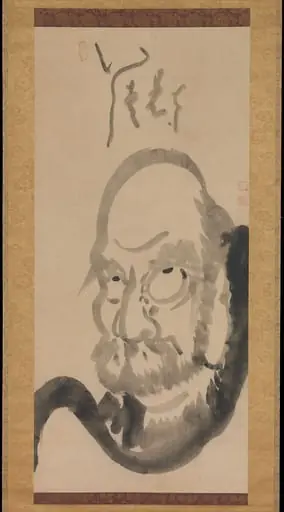
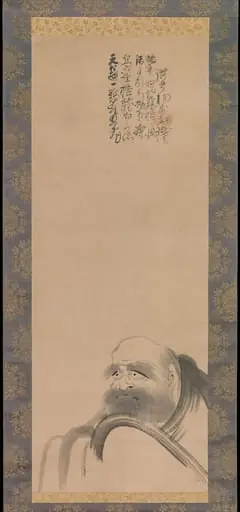
「天満宮」 渡唐天神図|“Tenmangū,” Sugawara no Michizane as Tenjin Traveling to China
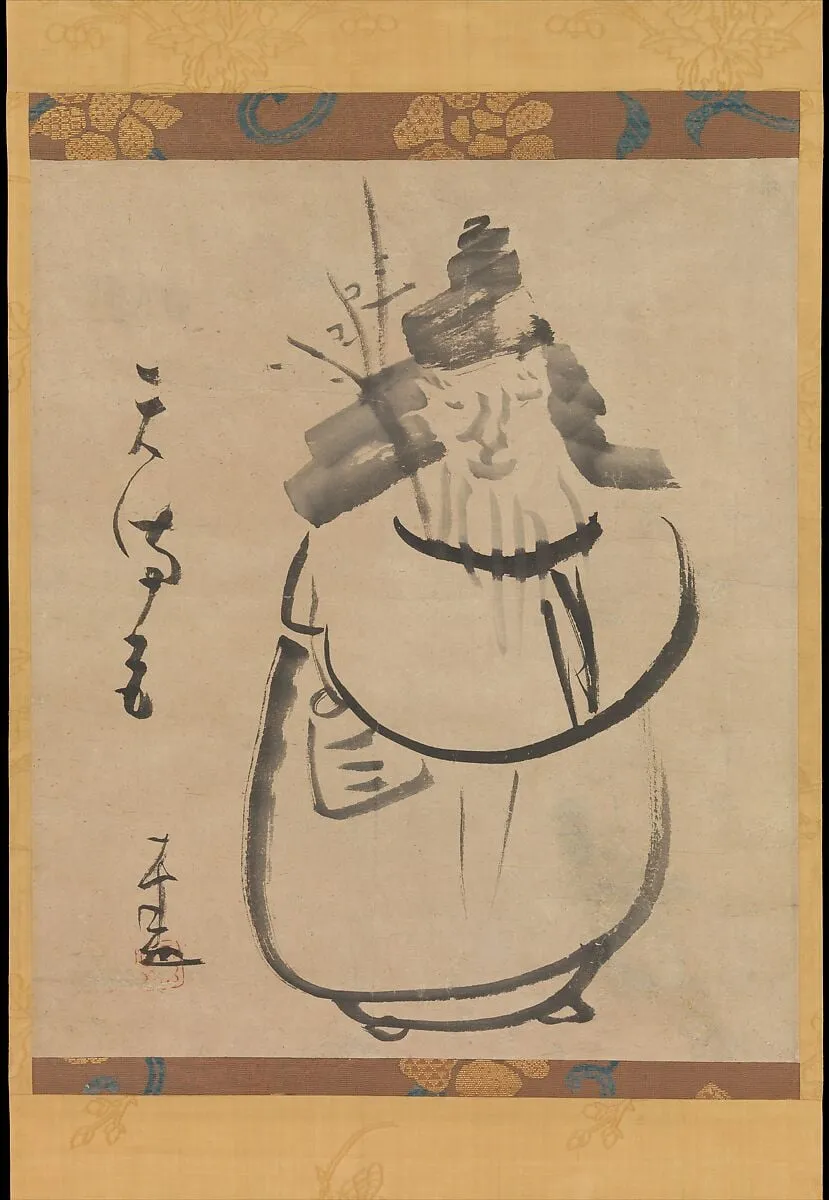
「天満宮」 渡唐天神図|“Tenmangū,” Sugawara no Michizane as Tenjin Traveling to China is an ink painting by the Nihonga artist Sengai Gibon. It dates from 1816 and is held in the collection of the Metropolitan Museum of Art.
About this work
Overview
Created in 1816 by the Edo‑period monk‑artist Sengai Gibon, this hanging scroll is executed in monochrome ink on paper. Titled “Tenmangū, Sugawara no Michizane as Tenjin Traveling to China,” it presents a single figure in a minimalist composition, emphasizing the spiritual narrative over decorative detail.
Subject & Meaning
The central figure is Sugawara no Michizane, a historical scholar‑official who was later deified as Tenjin, the patron of learning. Depicted mid‑journey, he rides a cloud above stylized waves, suggesting his mythic voyage to China and symbolizing the transmission of knowledge across borders.
Technique & Style
Sengai employs a spare brushstroke technique, using only black ink without color or elaborate background. The figure’s hat and robes are rendered with a few confident lines, while the surrounding clouds and waves are suggested through delicate cross‑hatching, demonstrating the artist’s command of ink wash to convey form and movement with economy.
History & Provenance
The scroll originates from early nineteenth‑century Japan, a period when Buddhist monks like Sengai produced devotional artworks for temple patrons. Although specific ownership records are scarce, the piece has remained within Japanese collections, reflecting the continued reverence for Tenjin and the enduring appeal of Sengai’s didactic visual language.
Artist & collection