Artwork
Portrait of a Gentleman
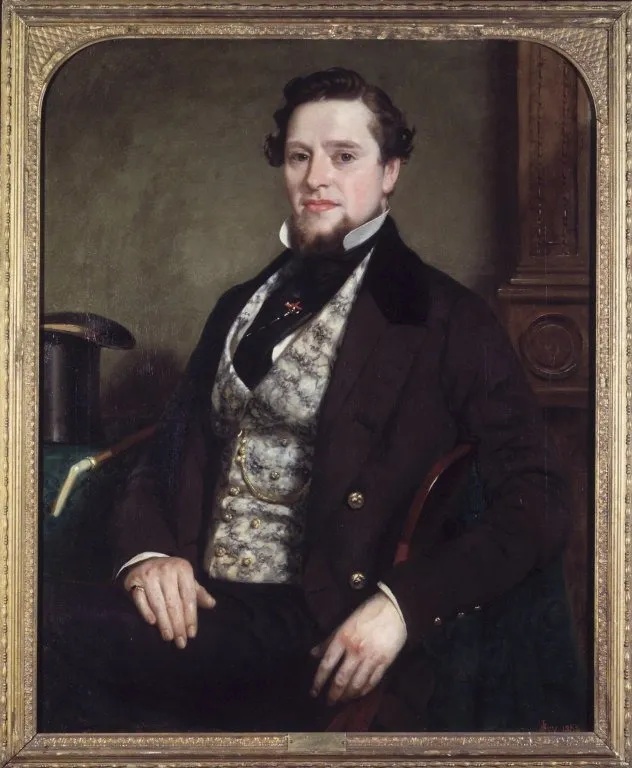
Portrait of a Gentleman is an oil painting by the Realist artist Seymour Joseph Guy. It dates from 1855 and is held in the collection of the Brooklyn Museum.
About this work
This painting shows a man sitting in a chair, wearing a dark jacket and vest with a white shirt underneath.
This painting shows a man sitting in a chair, wearing a dark jacket and vest with a white shirt underneath. He has dark hair and is looking directly at the viewer. The background is a muted color, and there are some objects on a table to the left of the man.
The man's clothing and hairstyle suggest that the painting is from the mid-19th century. The artist has used a realistic style to depict the man and his surroundings.
If you're interested in learning more about this style of painting, you might want to look into the work of Seymour Joseph Guy, the artist who created this portrait.
Overview
Painted in 1855 by Seymour Joseph Guy, this oil portrait depicts an unidentified gentleman seated in a simple chair. The work is part of the Brooklyn Museum’s collection and exemplifies mid-19th-century American portraiture. Guy’s approach emphasizes quiet realism, avoiding theatricality in favor of a composed, intimate presence. The subject’s posture and gaze establish a direct, unembellished connection with the viewer.
Subject & Meaning
The sitter, dressed in a dark jacket and vest over a white shirt, presents a restrained, dignified demeanor. His dark hair and direct gaze suggest a man of social standing, though no specific identity is recorded. The absence of symbolic objects or elaborate settings shifts focus to personal presence rather than status markers. The painting conveys a sense of quiet self-possession common in middle- and upper-class portraiture of the era.
Technique & Style
Guy employs a refined, naturalistic technique with subtle tonal gradations to render fabric, skin, and light. The muted background and carefully arranged table objects—likely a book or small vessel—anchor the figure without distraction. Brushwork is controlled, favoring clarity over flourish, reflecting the influence of academic training and the period’s preference for truthful representation over romanticized ideals.
History & Provenance
The painting entered the Brooklyn Museum’s collection in the early 20th century, though its earlier ownership remains undocumented. Created during Guy’s active years in New York, it reflects the demand for private portraiture among the city’s emerging professional class. No significant exhibitions or records of its early reception are known, suggesting it was likely commissioned for private display.
Context
In mid-1800s America, portraiture served as both personal commemoration and social affirmation. Artists like Guy, trained in Europe but working domestically, catered to clients seeking understated elegance. This work aligns with a broader trend away from grand historical or allegorical themes toward intimate, lifelike depictions of individuals, mirroring the values of a society increasingly focused on personal identity and domestic life.
Legacy
Seymour Joseph Guy’s portraits, including this one, contribute to the understanding of American visual culture before the Civil War. While not widely celebrated in his time, his work offers a quiet record of middle-class aesthetics and the evolving role of portraiture as a medium for personal, rather than public, expression. His paintings remain valuable for their unadorned observation of everyday dignity.
Artist & collection


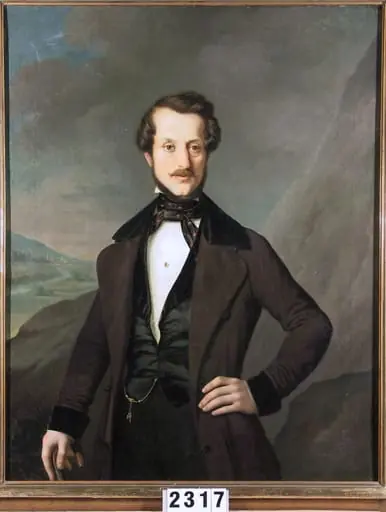 Portret de bărbat
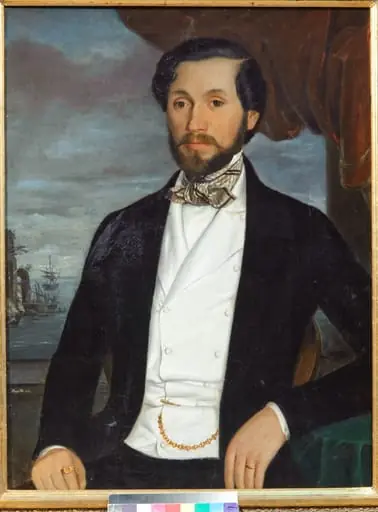 Portretul pictorului Carol Popp de Szathmári
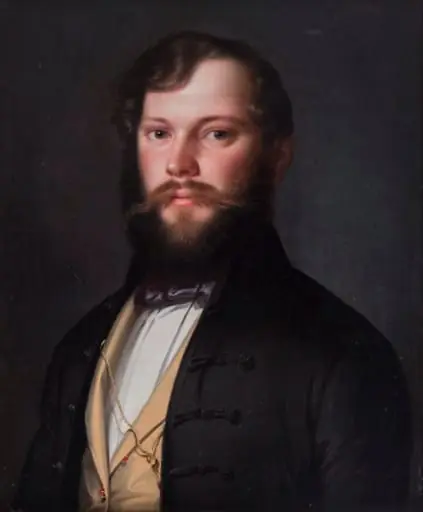 Portret de bărbat
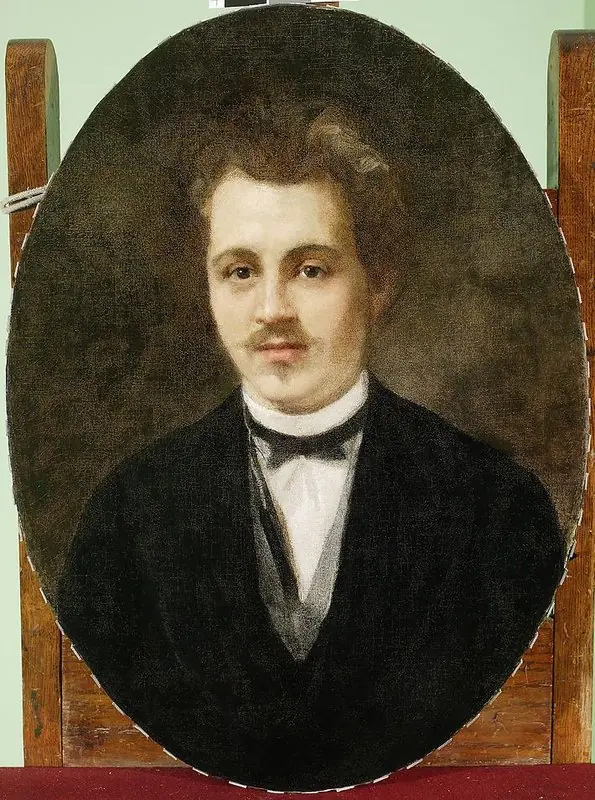 Portrait of Ludwik Méyet, father of Leopold
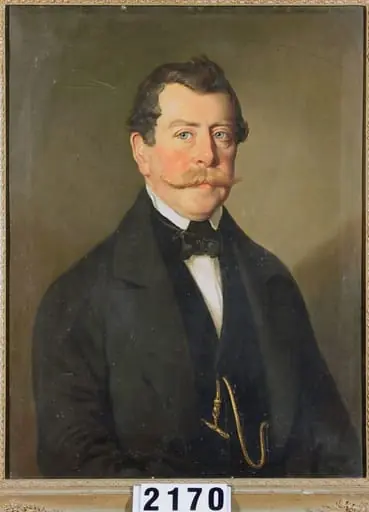 Portretul lui Drotleff
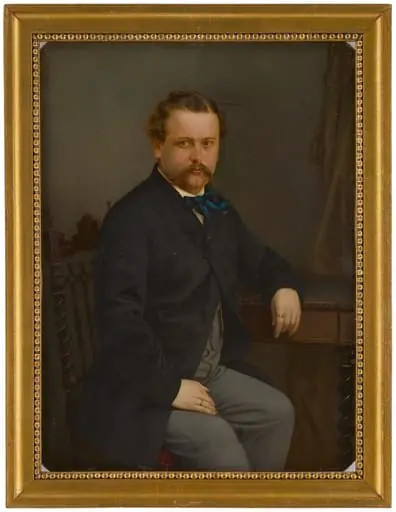 Oberförster Ferdinand Kopp
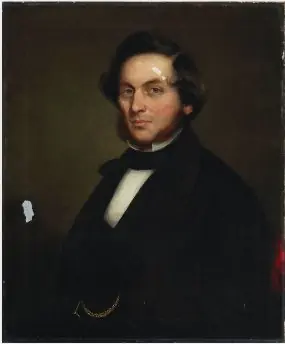 Portrait of Samuel Lover (1797-1868), Author and Artist
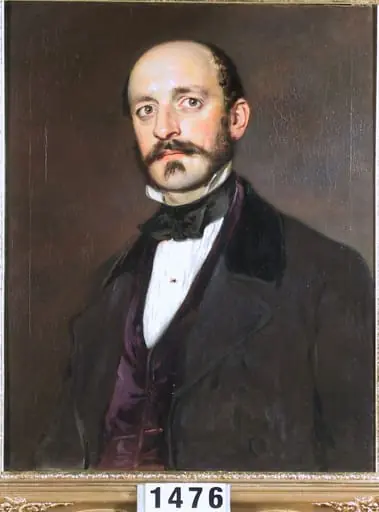 Prof. univ. Dr. Fr. Schuller
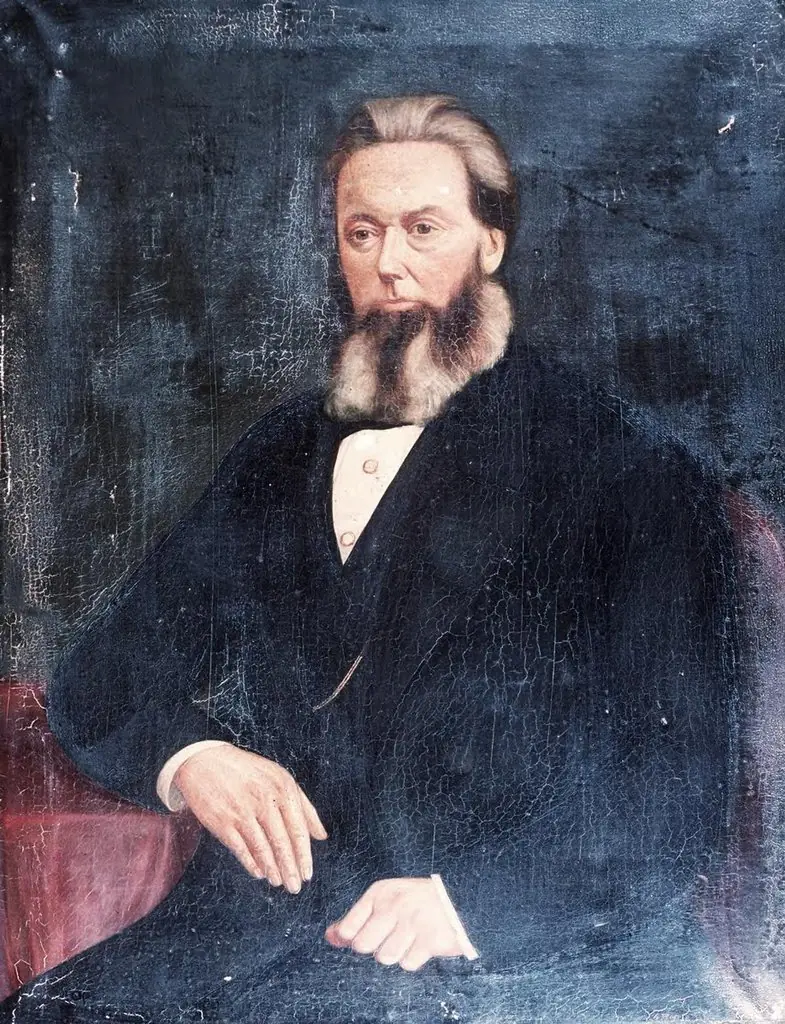 Middle aged man
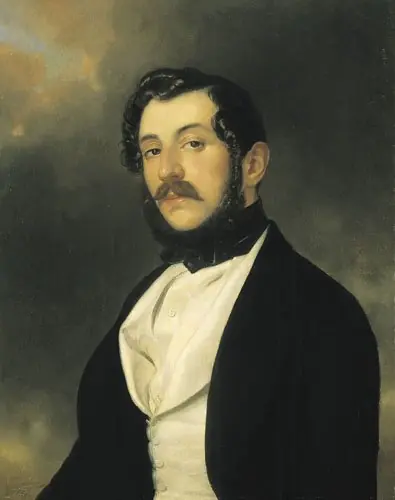 Portrait of a Man
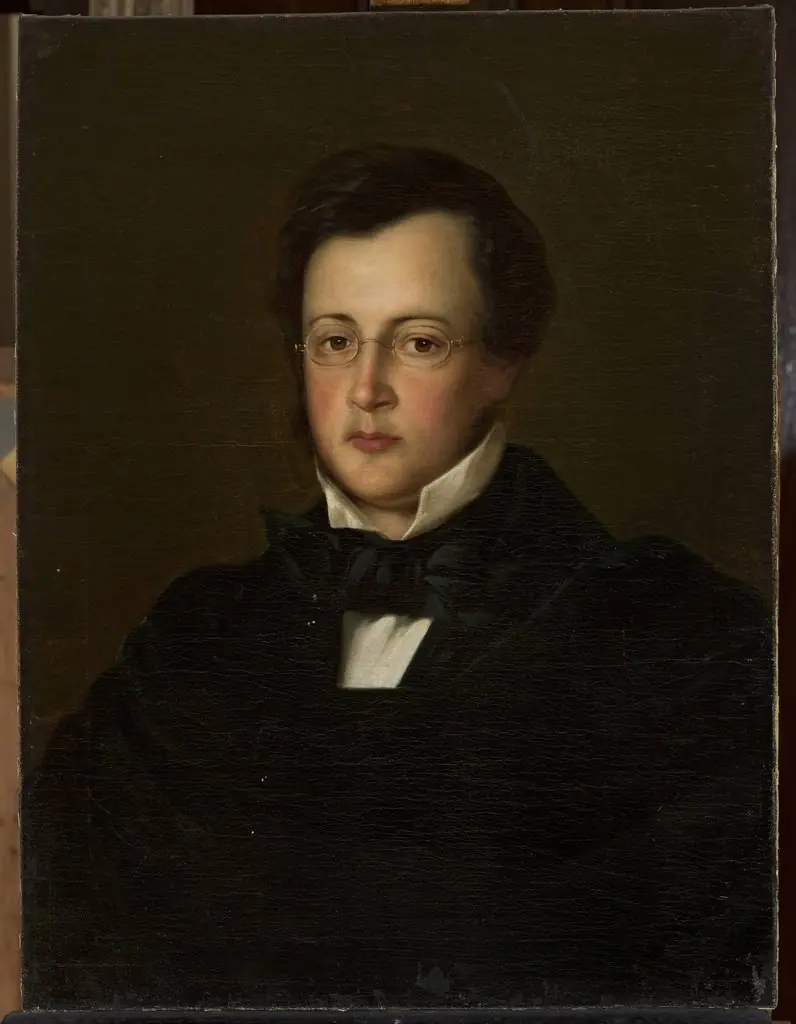 Portrait of Konstanty Świdziński (d. 1855)
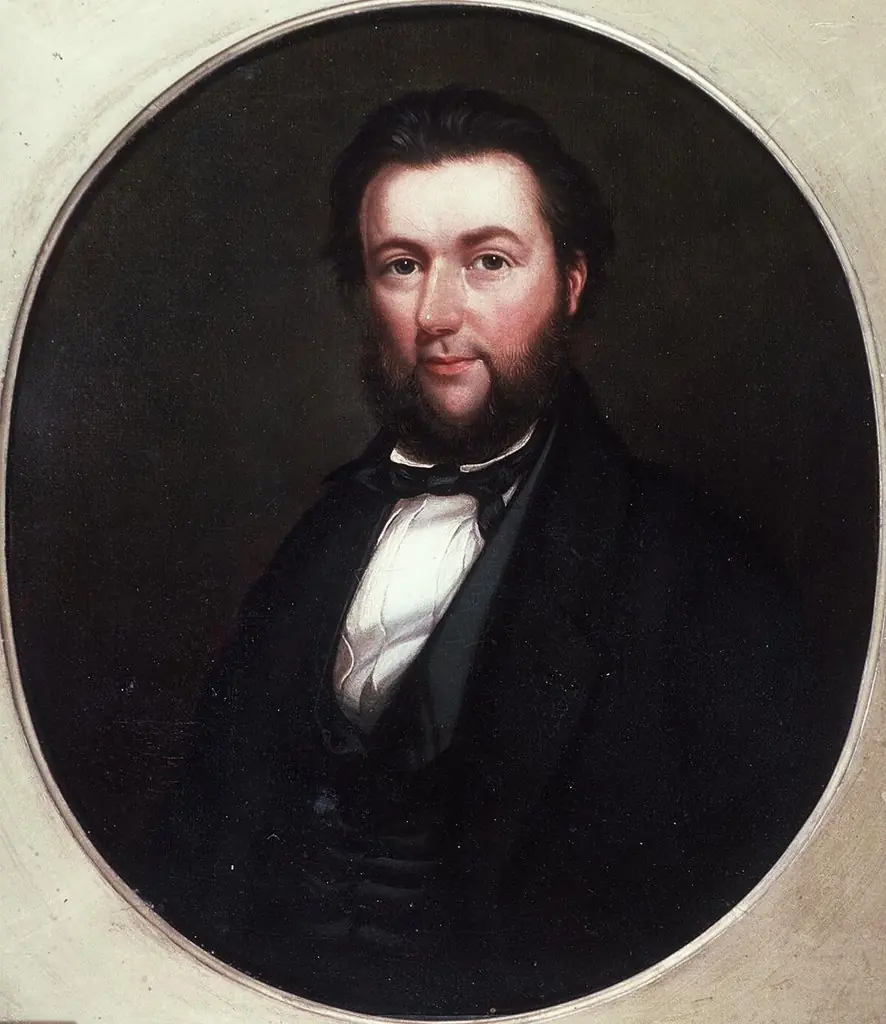 John Jones, 'Talhaiarn'