Artwork
H Beard Print Collection
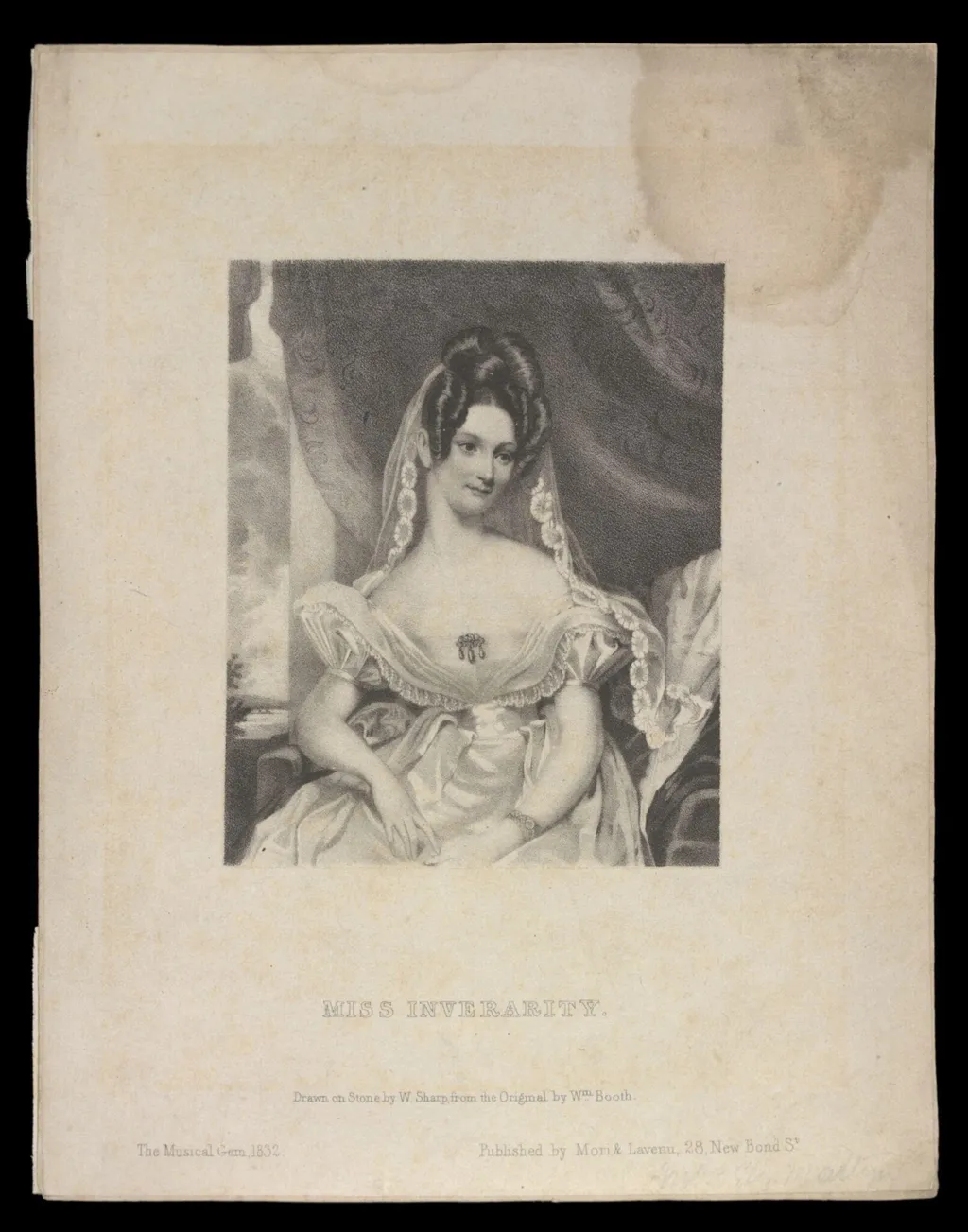
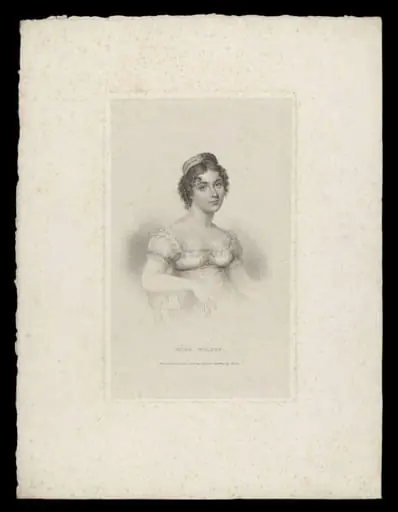
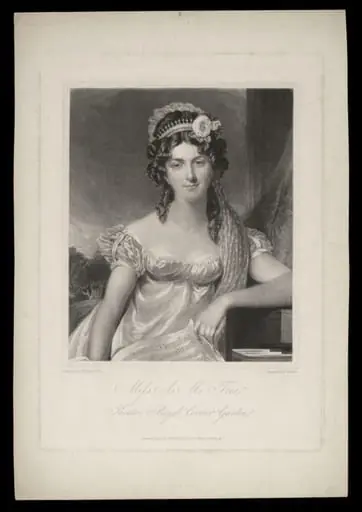
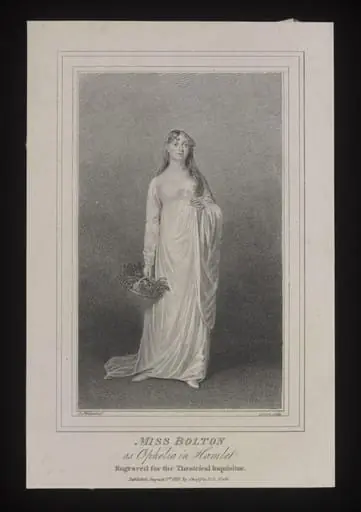
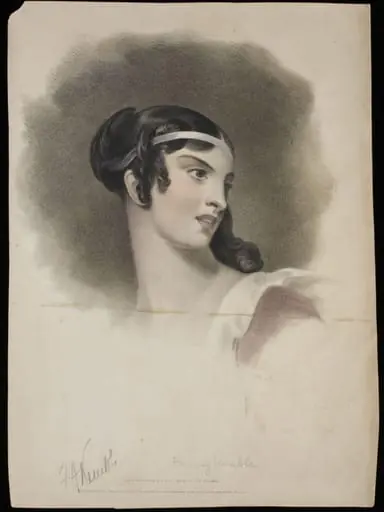
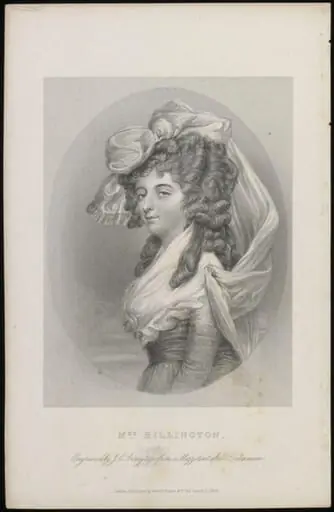
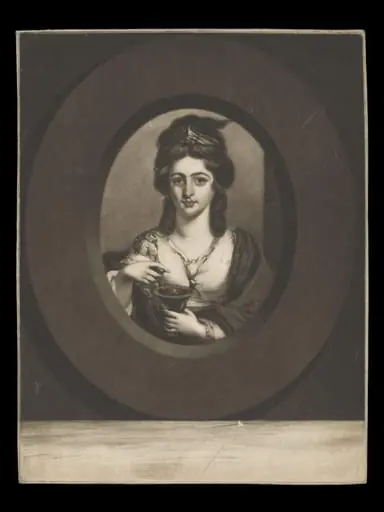
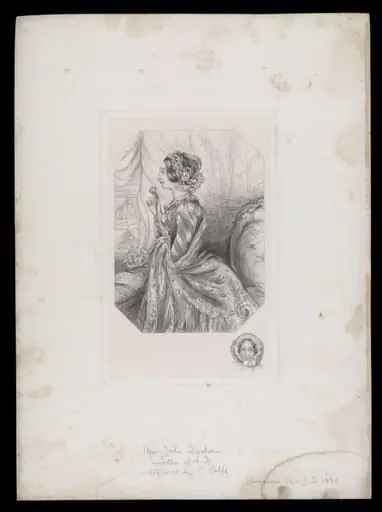
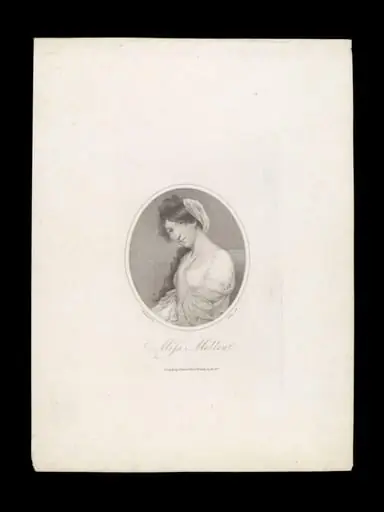
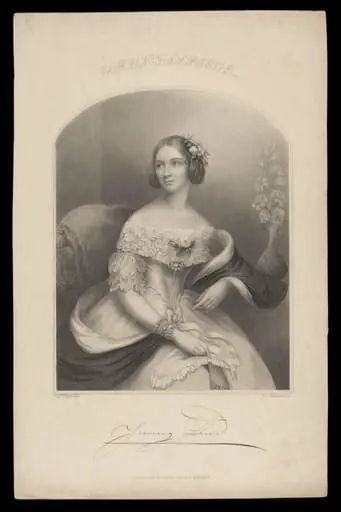
H Beard Print Collection is a print by the Romanticist artist W. Sharpe. It dates from 1832 and is held in the collection of the Victoria and Albert Museum. A portrait print depicting Miss Inverarity, later known as Mrs.
About this work
Overview
A portrait print depicting Miss Inverarity, later known as Mrs. Eliza Martyn, was produced in London by the publishers Mori and Lavenu. The work belongs to the H. Beard Print Collection and is categorized as a standalone print, likely intended for private circulation or display rather than mass distribution.
Subject & Meaning
The subject is Eliza Martyn, formerly Miss Inverarity, a woman of social standing in early 19th-century England. The portrait emphasizes her refined appearance and composure, reflecting contemporary ideals of feminine decorum. No overt narrative or symbolic elements are present, suggesting the image served primarily as a personal or familial keepsake.
Technique & Style
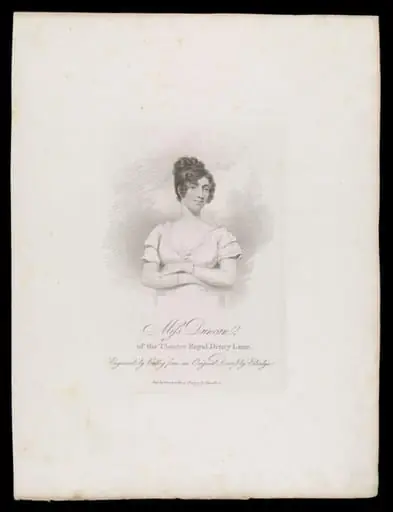
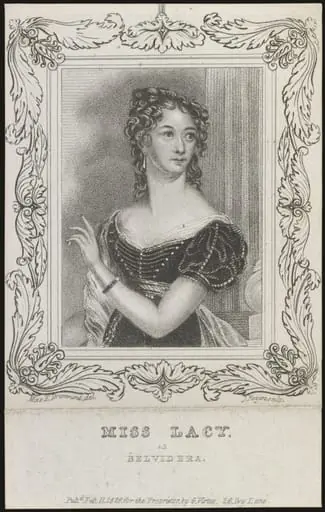
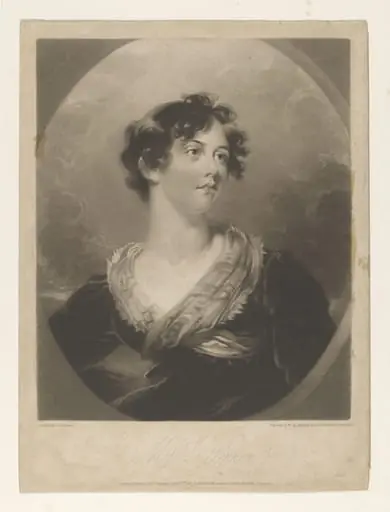
Executed in a fine line engraving style, the print features delicate shading and precise contours typical of early Victorian portraiture. The composition is formal, with the sitter facing slightly to the side, her gaze directed outward. The background is minimal, drawing focus to her facial features and attire.
History & Provenance
The print was published in London by Mori and Lavenu, a known firm active in the 1830s–1840s specializing in portrait engravings. It entered the H. Beard Print Collection, a significant assemblage of British graphic art, where it remains cataloged as part of a broader documentation of domestic portraiture from the period.
Context
During the 1830s, engraved portraits of middle- and upper-class women were commonly commissioned to mark milestones such as marriage. The publication by Mori and Lavenu indicates this image was part of a commercial trend, where family portraits were reproduced for wider circulation among acquaintances and social networks.
Legacy
The print survives as a modest but tangible record of individual identity in early Victorian England. Though not widely exhibited, its preservation in the H. Beard Collection ensures its role as a reference for studying gender, class, and visual culture in domestic portraiture of the era.
Artist & collection
Artist
W. Sharpe worked as a printer in London during the 1830s, cranking out small, playful scenes of everyday life—think sailors on leave, street vendors, or rowdy fairs. He made a living selling cheap printed sheets to…