Artwork
H Beard Print Collection
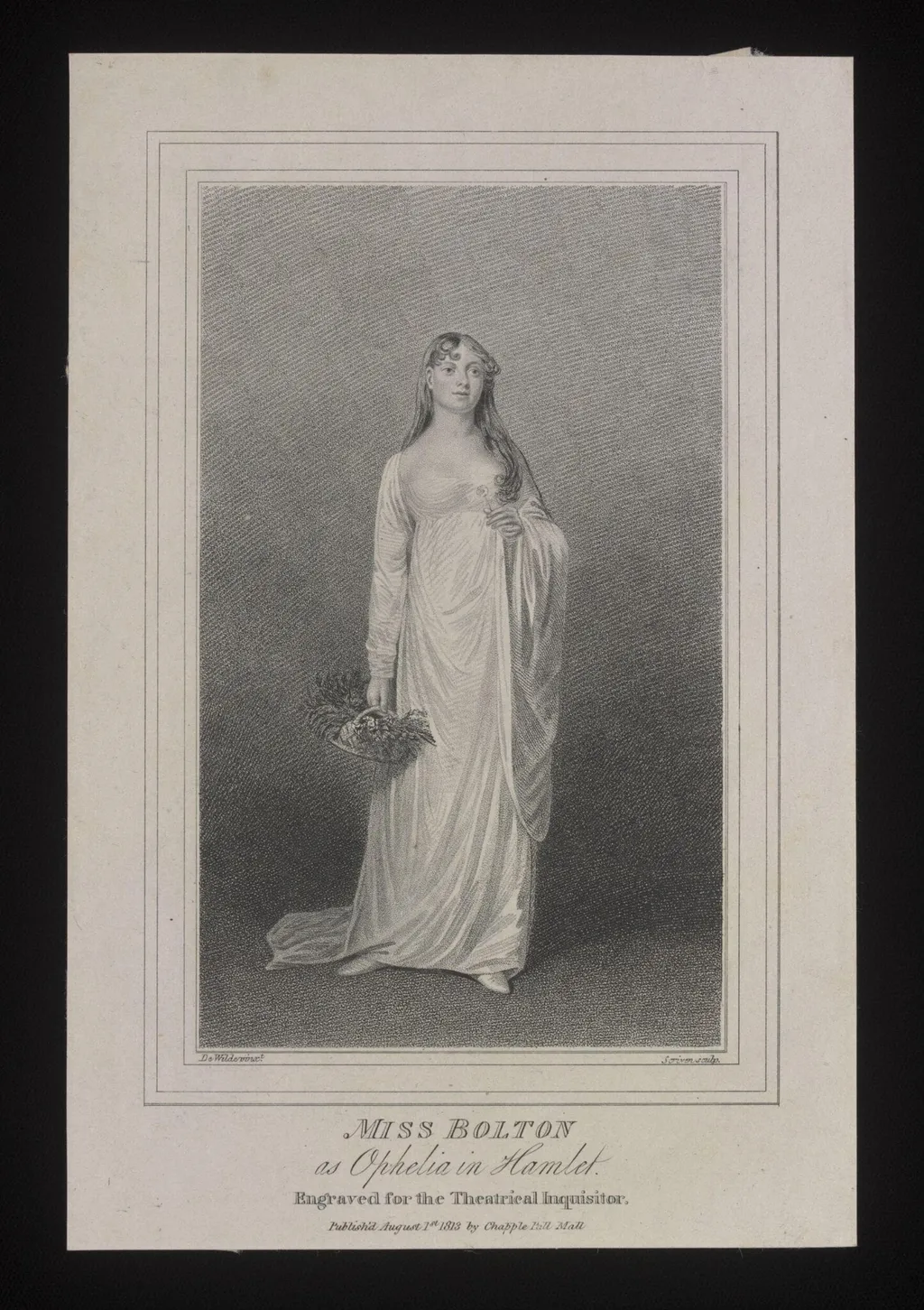
H Beard Print Collection is a print by the Romanticist artist Samuel De Wilde. It dates from 4 and is held in the collection of the Victoria and Albert Museum.
About this work
The print is titled H Beard Print Collection, created by De Wilde in 1813.
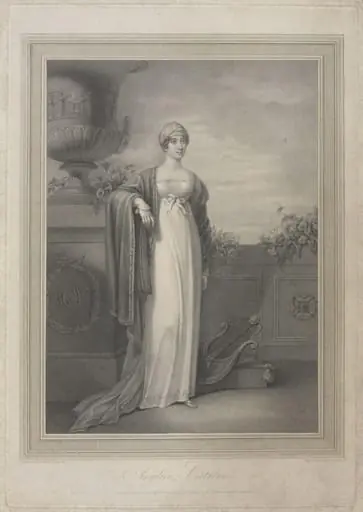
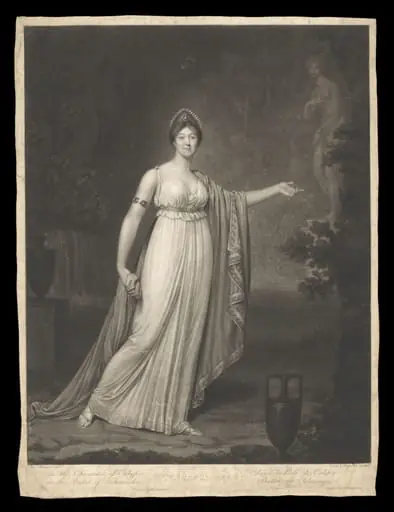
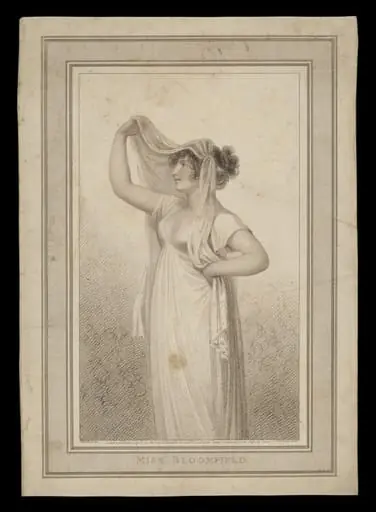
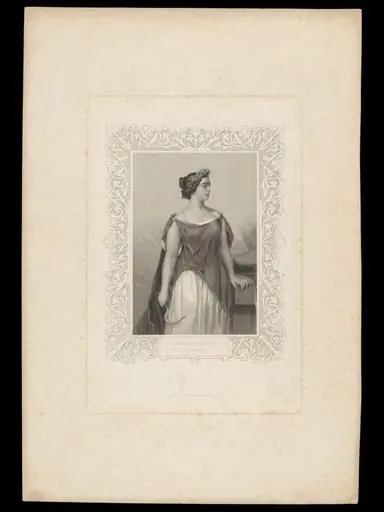
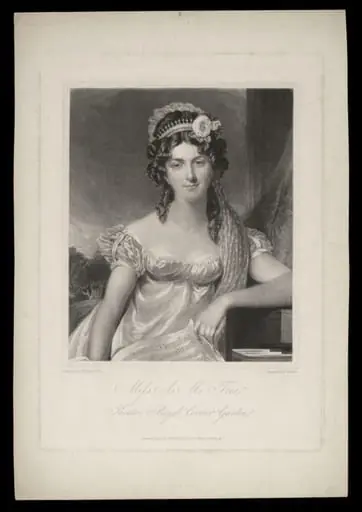
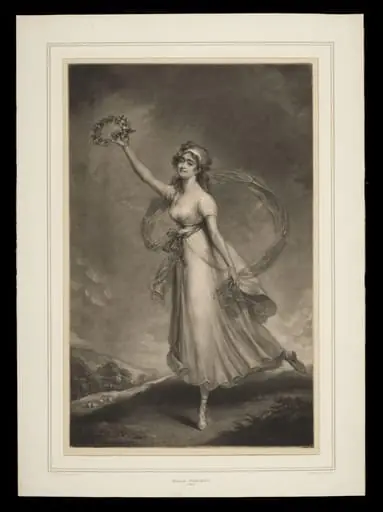
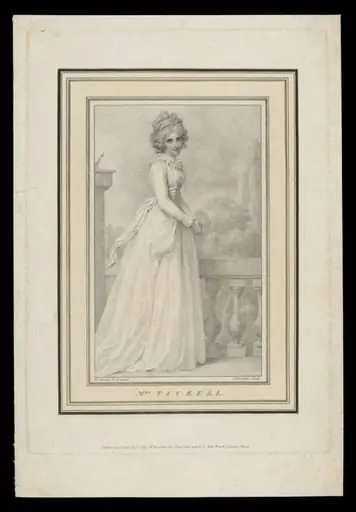
It's a portrait of Miss Bolton as Ophelia from Hamlet. This character is from a famous play, which makes the print interesting. The fact that it's an engraved portrait also tells us about the techniques used back then.
You can learn more about this style by looking into the movement: Romanticism.
Overview
This 1813 engraving is part of the Harry Beard Print Collection, depicting actress Miss Bolton in the role of Ophelia from Shakespeare’s Hamlet. Executed by artist De Wilde, the work reflects the era’s interest in capturing theatrical performances through print media. Engraving was a dominant reproductive technique, allowing images of popular stage figures to circulate widely among the public.
Subject & Meaning
The image emphasizes emotional intensity over narrative context, aligning with Romantic ideals that valued inner feeling and psychological depth.
Miss Bolton’s portrayal of Ophelia captures the character’s tragic vulnerability, a role that resonated deeply in early 19th-century theater. The image emphasizes emotional intensity over narrative context, aligning with Romantic ideals that valued inner feeling and psychological depth. As Ophelia’s madness was a frequent subject of dramatic interpretation, this portrait serves as a visual testament to the actor’s ability to convey sorrow and fragility.
Technique & Style
The image is an engraved portrait, a method requiring precise incisions on a metal plate to transfer fine lines onto paper. De Wilde’s handling of delicate contours and subtle shading demonstrates technical mastery typical of theatrical portraiture at the time. The composition is formal and focused, isolating the figure to heighten emotional impact, consistent with conventions of stage portraiture in the Romantic period.
History & Provenance
The print originates from the Harry Beard Collection, a significant assemblage of 19th-century theatrical ephemera. Beard, a noted collector of stage-related materials, preserved such images as cultural records of performance history. This engraving, dated 1813, likely circulated as a keepsake for theatergoers or as promotional material for Bolton’s performances, linking it to the commercial and social life of London’s stages.
Context
In the early 1800s, Shakespearean drama experienced a revival in Britain, with actors like Miss Bolton becoming celebrated figures. Engraved portraits of performers in iconic roles were common, serving both as artistic tributes and as accessible art for middle-class homes. The Romantic movement’s emphasis on emotion and individual expression influenced how such roles were portrayed and received by audiences.
Legacy
This engraving contributes to the historical record of British theater, preserving the visual identity of a performer whose stage presence shaped contemporary interpretations of Ophelia. As part of the Beard Collection, it remains a resource for scholars studying the intersection of performance, print culture, and Romantic aesthetics in the early 19th century.
Artist & collection
Artist
Samuel De Wilde (1751 – 19 January 1832), born and died in London, was a portrait painter and etcher of Dutch descent famous for his theatrical paintings.

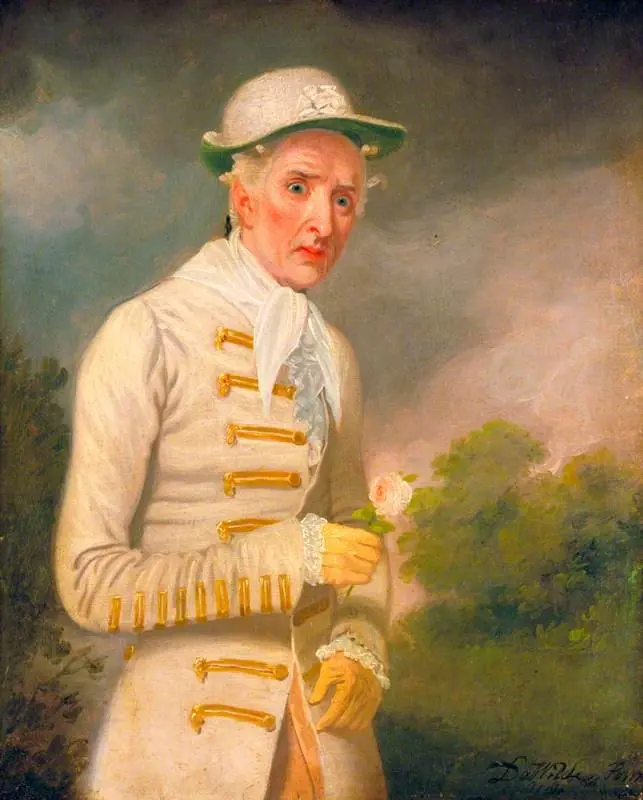 William Farren (1786–1861), as Lord Ogleby in 'The Clandestine Marriage' by George Colman the Elder and David Garrick
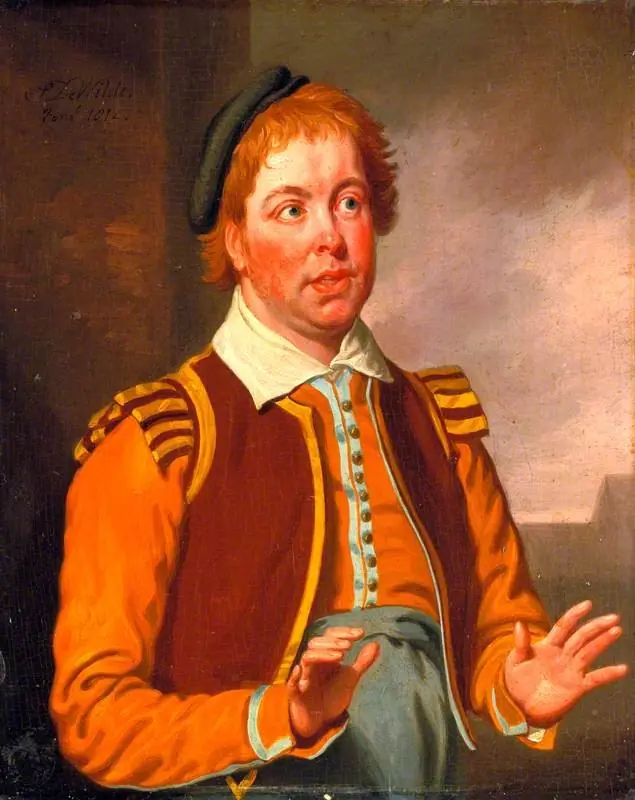 John Liston (c.1776–1846), as Pompey in 'Measure for Measure' by William Shakespeare
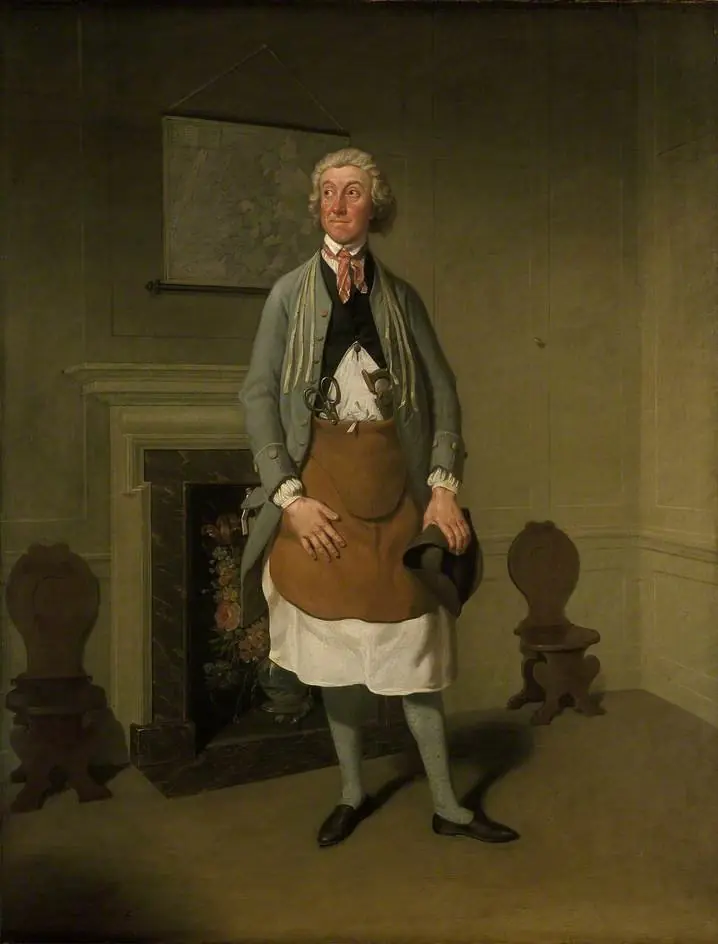 Mr Suett as Dicky Gossip in 'My Grandmother'
 Portrait of George Davies Harley
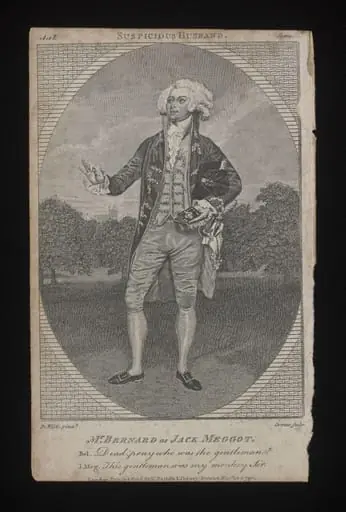 H Beard Print Collection
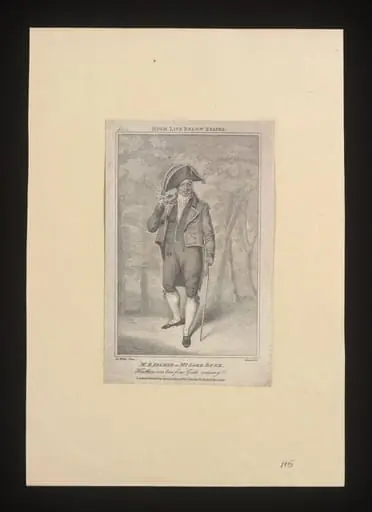 Mr Robert Palmer as My Lord Duke
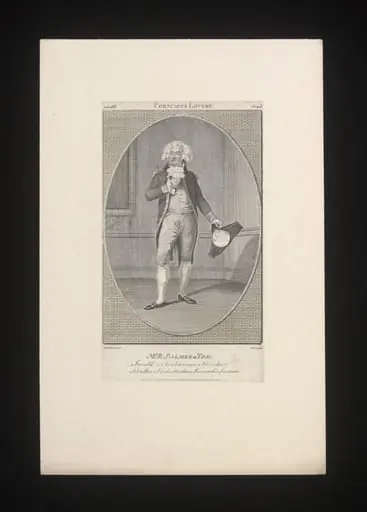 Mr Robert Palmer as Tom
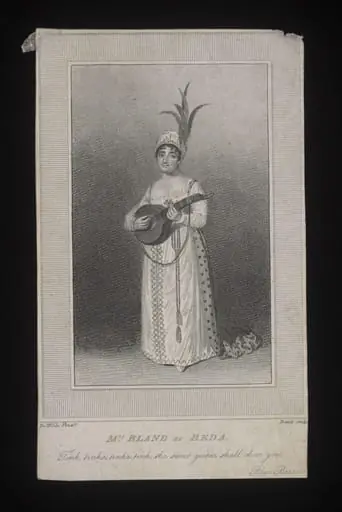 H Beard Print Collection