Artwork
Landscapes After Old Masters
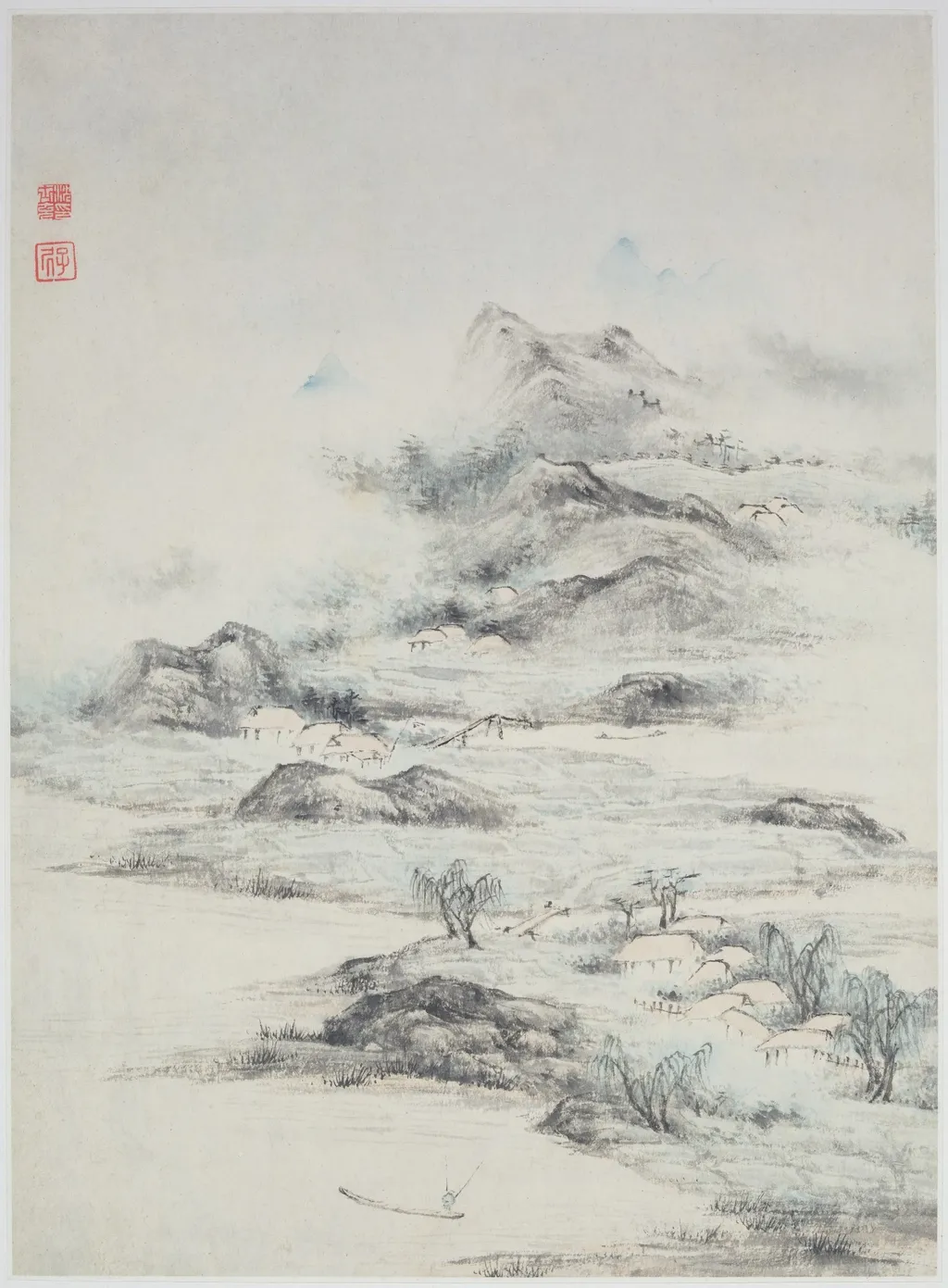
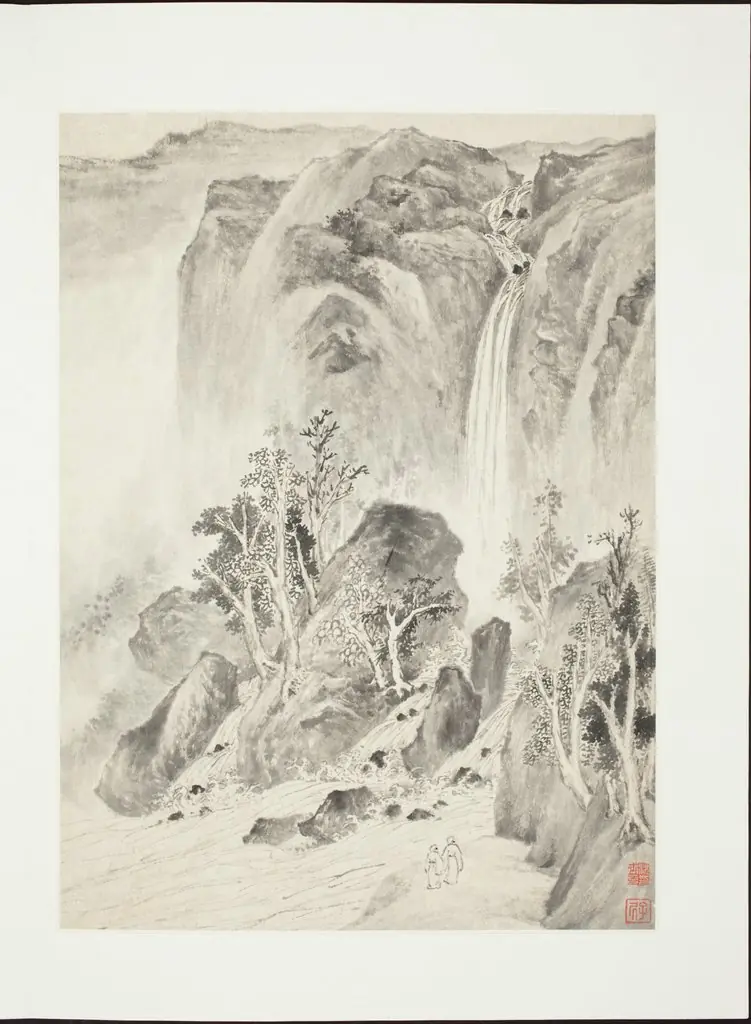
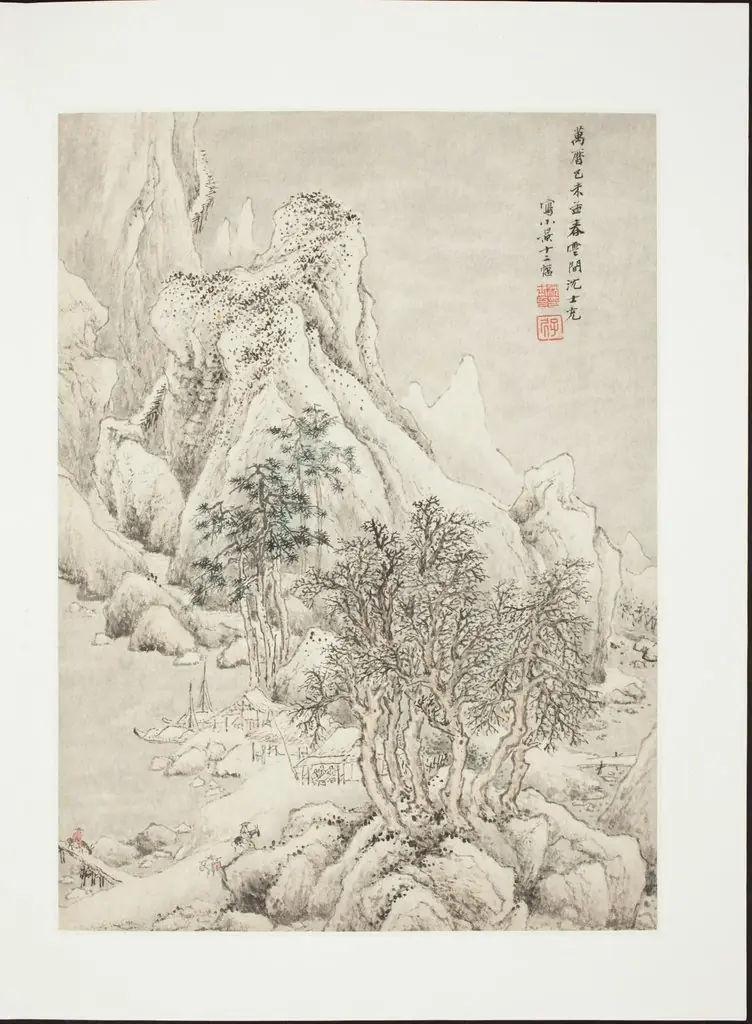
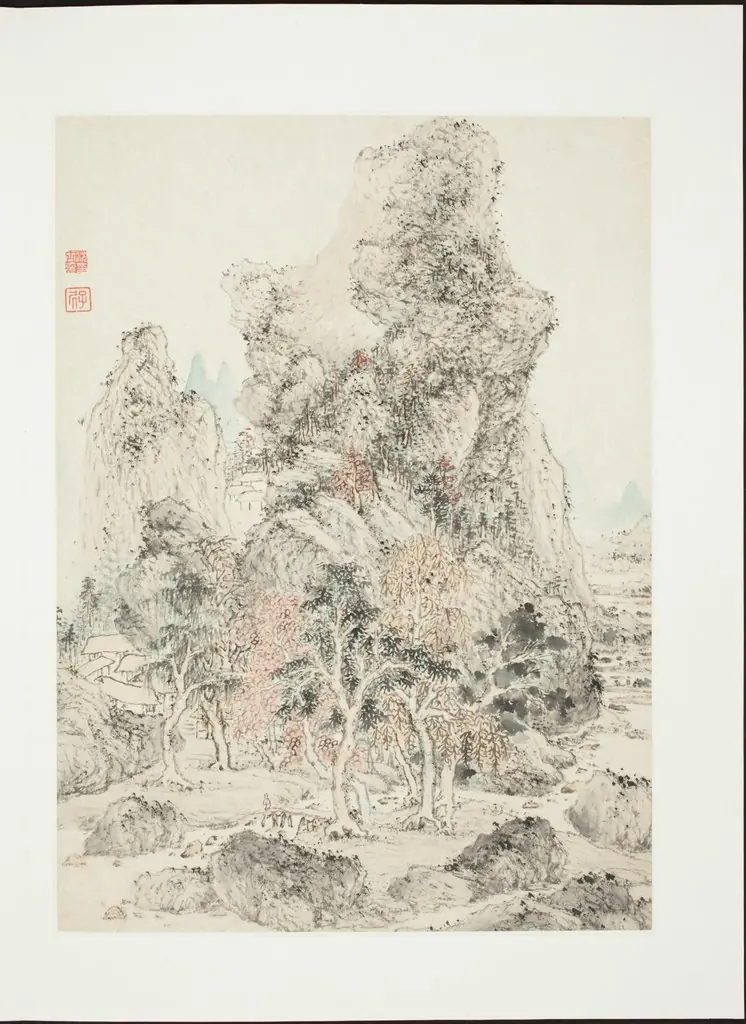
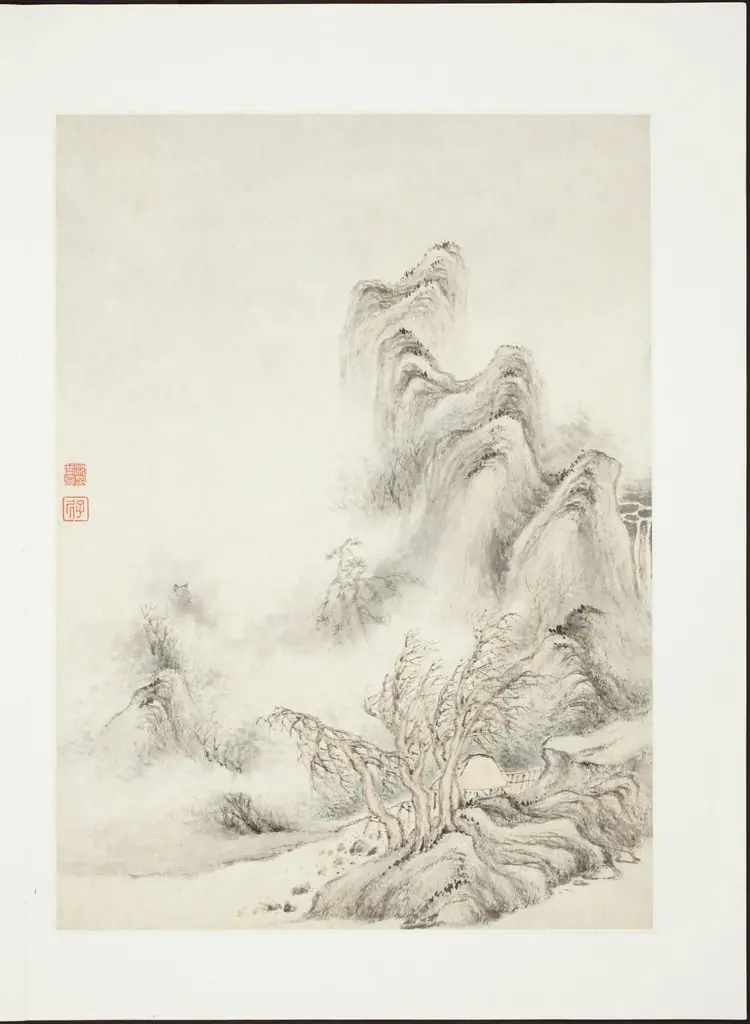
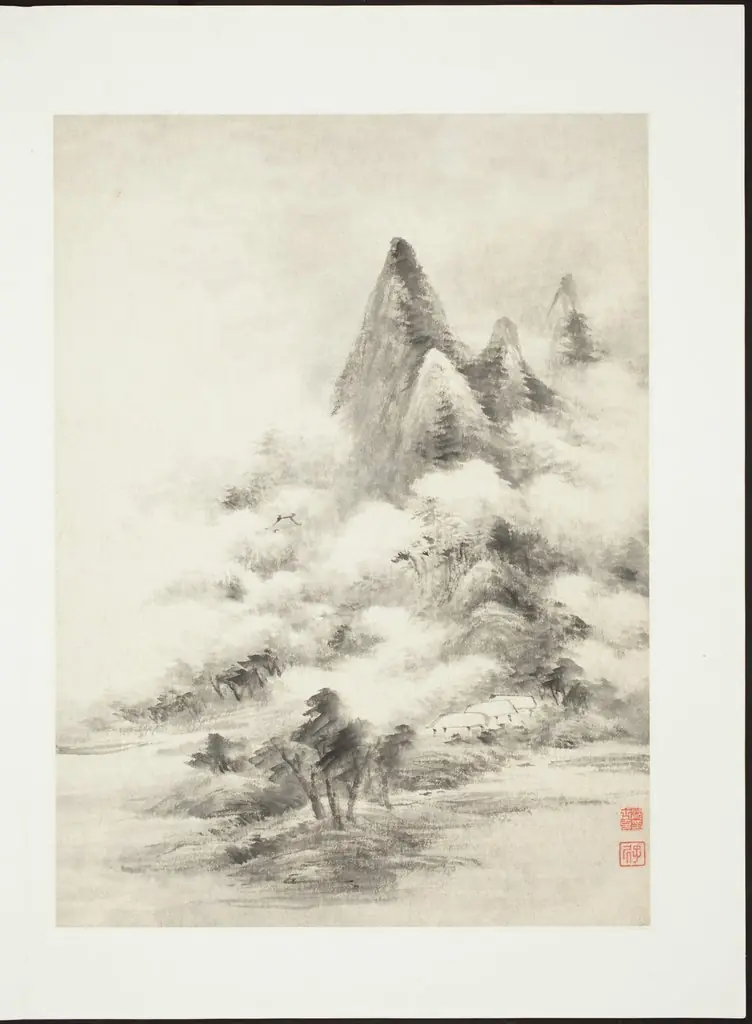
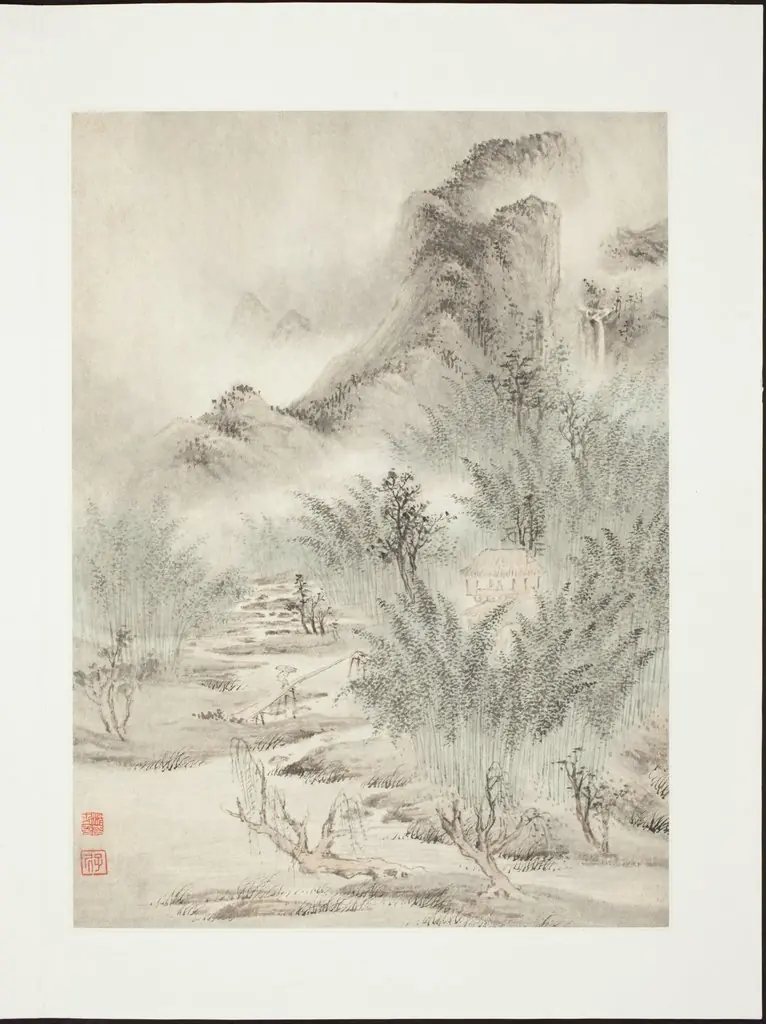
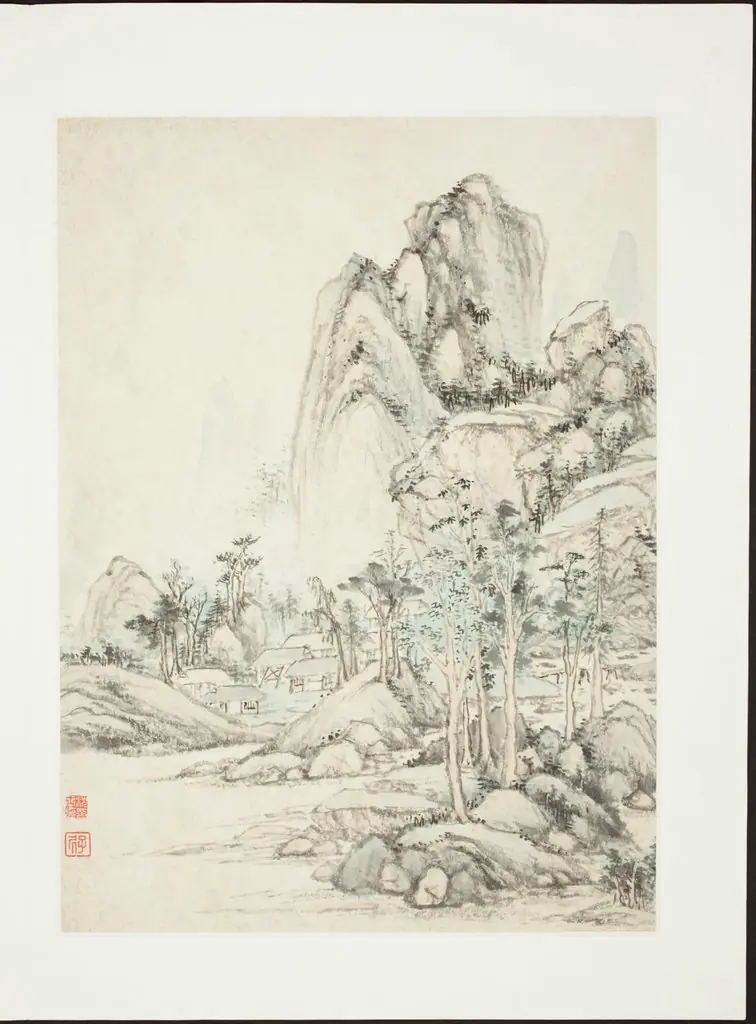
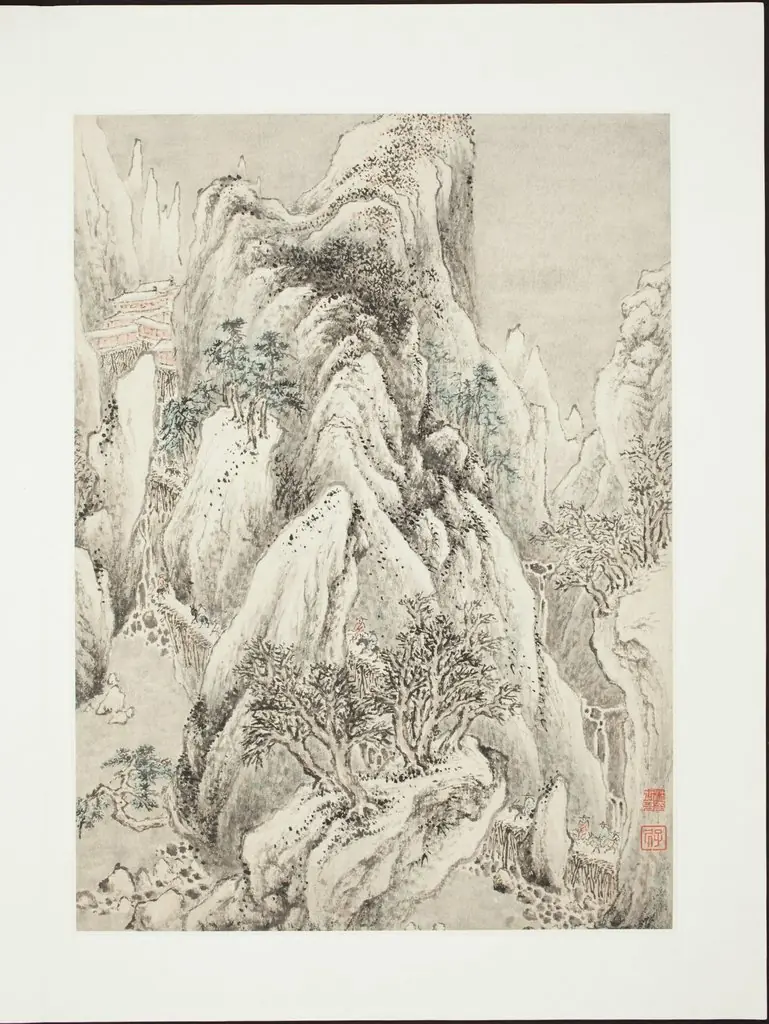
Landscapes After Old Masters is an unspecified painting by the Ming dynasty painting artist Shen Shichong. It dates from 1619 and is held in the collection of the Detroit Institute of Arts.
About this work
Overview
Known by his style name Zhong Chun and sobriquet Mi Gong, Shen produced this piece as a meditation on classical forms rather than an original composition.
Created in 1619 by Shen Shichong, a Ming dynasty painter from Huating, this work is part of a tradition of reinterpreting earlier landscape styles. Known by his style name Zhong Chun and sobriquet Mi Gong, Shen produced this piece as a meditation on classical forms rather than an original composition. It reflects the scholarly painting practices of his time, emphasizing quietude and reverence for past masters.
Subject & Meaning
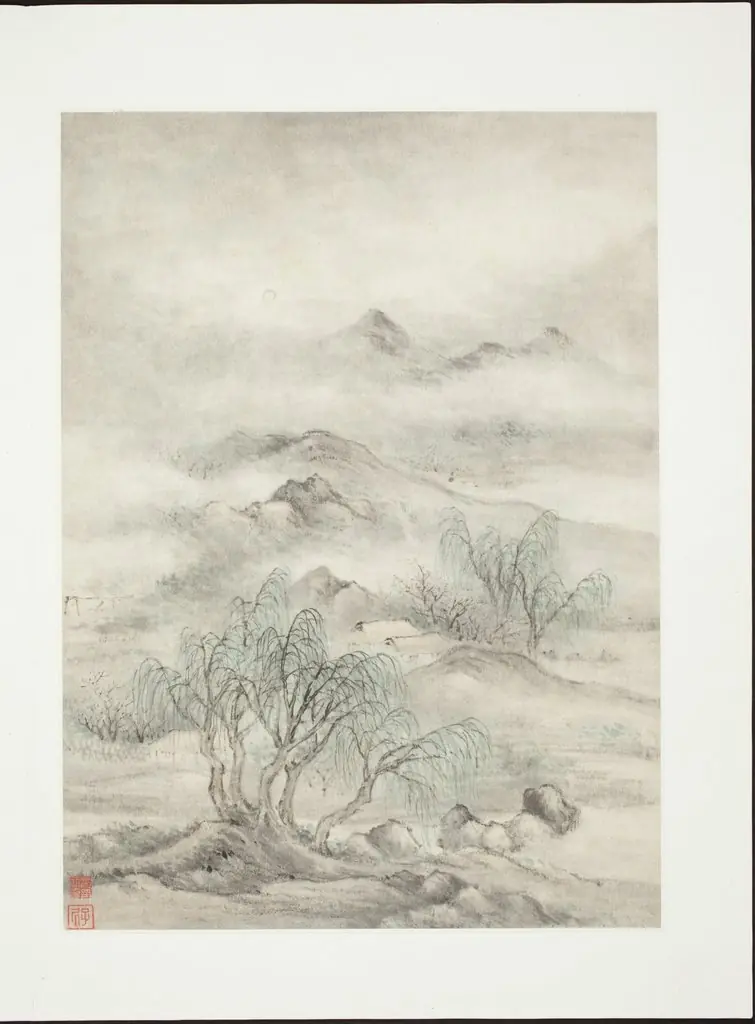
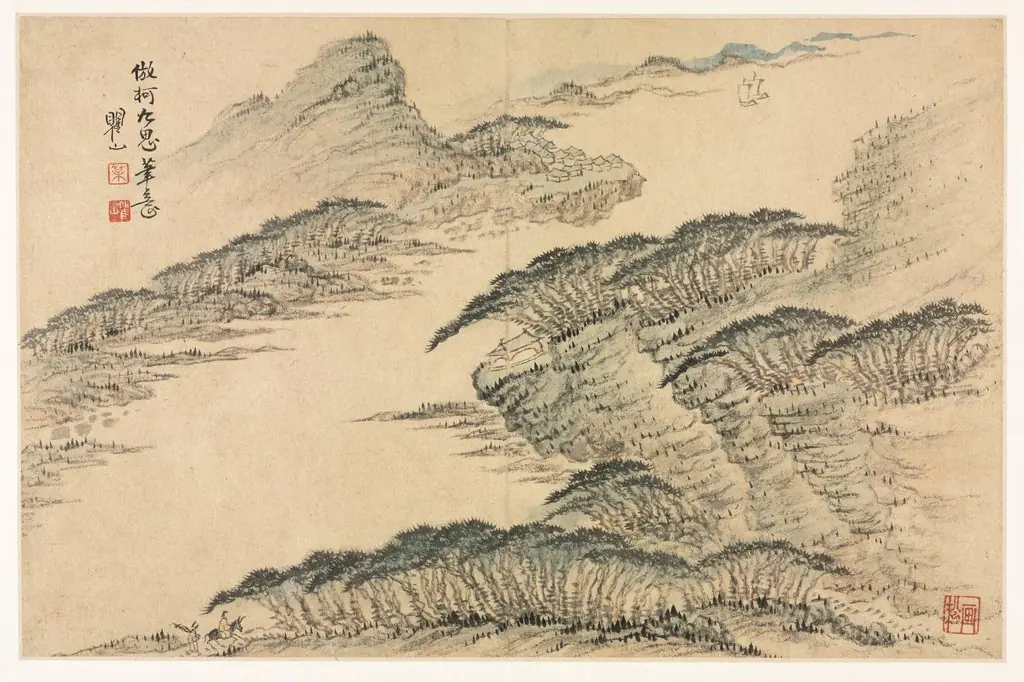
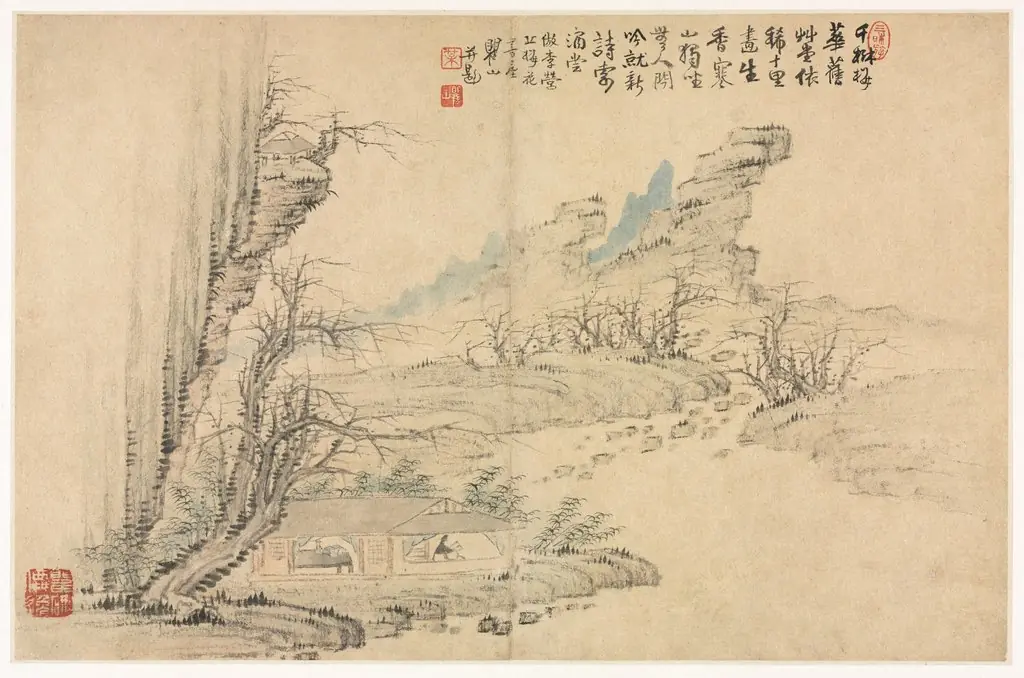
The painting presents a serene, unhurried landscape of gentle hills, sparse vegetation, and a solitary boat on a still river. No human figures are present, reinforcing a sense of solitude and contemplation. The scene evokes a timeless stillness, aligning with Daoist and Confucian ideals of harmony with nature. The minimal elements invite quiet reflection rather than narrative engagement.
Technique & Style
Shen employed delicate, faint brushwork to suggest form without sharp definition, allowing mountain contours to dissolve into misty washes of pale gray, white, and blue. The ink and color are applied with restraint, emphasizing atmosphere over detail. Two small red seals in the corner serve as his personal mark, a customary practice among literati painters to authenticate and personalize their work.
History & Provenance
The painting entered the collection of the Detroit Institute of Arts, where it remains today. While specific details of its ownership prior to acquisition are not documented, its survival into the modern era reflects its preservation within scholarly and collector circles. Its date of 1619 places it in the late Ming period, a time when artists increasingly looked backward to revive classical aesthetics.
Context
During the late Ming dynasty, many painters turned to the works of Song and Yuan masters as models, seeking spiritual depth through historical continuity. Shen Shichong’s piece fits within this trend, where copying was not imitation but a form of dialogue with the past. Such works were often created for private study or exchange among literati, valuing introspection over public display.
Legacy
Though Shen Shichong’s life remains obscure, his work endures as an example of literati landscape painting’s enduring influence. His restrained aesthetic contributed to a broader cultural preference for subtlety and allusion in Chinese art. Today, it stands as a quiet testament to the practice of artistic reverence, preserved in a major Western institution alongside other works of East Asian tradition.
Artist & collection
Artist
Shen Shichong (Shen Shih-ch'ung, traditional: 沈士充, simplified: 沈士充); ca. was a Chinese landscape painter during the Ming dynasty (1368–1644). His dates of birth and death are unknown. Chen was born in Huating in the…