Artwork
The Thousand Buddha Hall and the Pagoda of the "Cloudy Cliff" Monastery, from Twelve Views of Tiger Hill, Suzhou
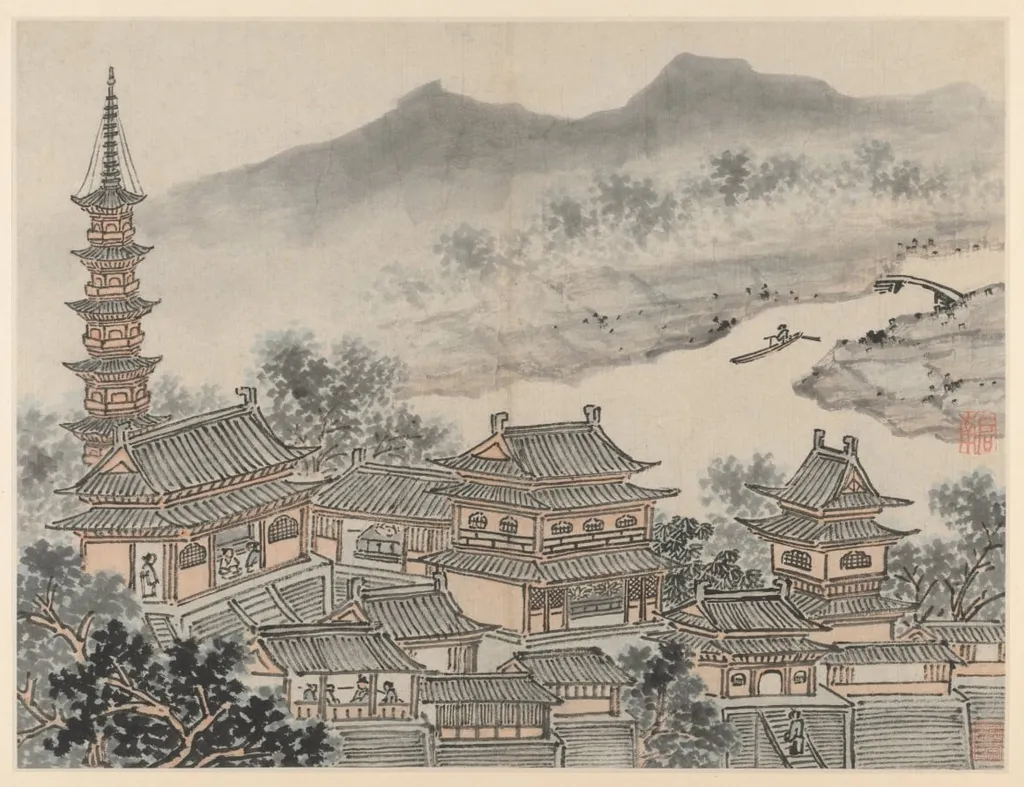
The Thousand Buddha Hall and the Pagoda of the "Cloudy Cliff" Monastery, from Twelve Views of Tiger Hill, Suzhou is an unspecified painting by the Ming dynasty painting artist Shen Zhou. It dates from 1490 and is held in the collection of the Cleveland Museum of Art. This painting is one of twelve scenes from a series depicting Tiger Hill, a historic landscape near Suzhou.
About this work
This painting shows a Chinese monastery with a pagoda and a hall.
The artist used subtle colors in this scene, which is part of a larger series.
It's interesting that Shen Zhou created these paintings later in life, after giving up a career as a government official.
You can learn more about the artist who created this scene, artist: Shen Zhou (Chinese, 1427–1509).
Overview
This painting is one of twelve scenes from a series depicting Tiger Hill, a historic landscape near Suzhou.
This painting is one of twelve scenes from a series depicting Tiger Hill, a historic landscape near Suzhou. It captures the Cloudy Cliff Monastery and its pagoda, viewed as part of a journey ascending the hill. The work belongs to a cohesive set that traces a visitor’s path from the riverbank to the summit, rendered in restrained tonalities that reflect Shen Zhou’s mature aesthetic and his deep engagement with the natural and spiritual character of the site.
Subject & Meaning
The scene portrays a Buddhist monastery nestled among hills, with a pagoda rising above the Thousand Buddha Hall. Rather than emphasizing grandeur, the composition invites quiet contemplation, aligning with the ideals of the retired scholar-official. The monastery symbolizes retreat from worldly affairs, a theme resonant with Shen Zhou’s own life choices and the literati values of introspection and harmony with nature.
Technique & Style
Shen Zhou employed subtle ink washes and muted pigments to create a sense of atmospheric depth and quiet serenity. His brushwork is deliberate yet fluid, blending structural clarity with poetic ambiguity. The monochrome palette, characteristic of his later work, avoids theatrical contrast, instead relying on tonal gradations to suggest distance, texture, and the soft light of early morning or late afternoon.
History & Provenance
Created in the late 15th century, the series was produced by Shen Zhou after he withdrew from public service and devoted himself to painting and scholarship. As a native of Suzhou, he drew upon local landmarks familiar to him and his circle. The Twelve Views of Tiger Hill were likely made for private patrons or fellow literati, reflecting a culture of artistic exchange among educated elites in the Jiangnan region.
Context
Shen Zhou’s work emerged during a period when Suzhou was a cultural hub, where scholar-artists cultivated painting as a form of personal expression rather than professional pursuit. His rejection of official life aligned with a broader literati movement that valued authenticity over courtly ambition. The Tiger Hill series reflects this ethos, merging topographical observation with philosophical quietude.
Legacy
Shen Zhou’s approach to landscape painting laid the foundation for the Wu School, which emphasized individual expression and scholarly refinement over technical display. His use of subtle color and intimate scale influenced generations of painters in the Jiangnan region. The Twelve Views of Tiger Hill remains a key example of how landscape could serve as both a physical record and a moral space for contemplation.
Artist & collection
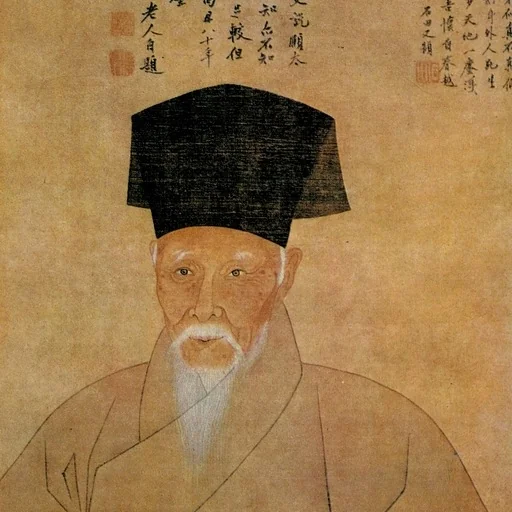
Artist
Shen Zhou spent his life in the Suzhou region of China, where his family’s money and connections mattered more than art—until it did.

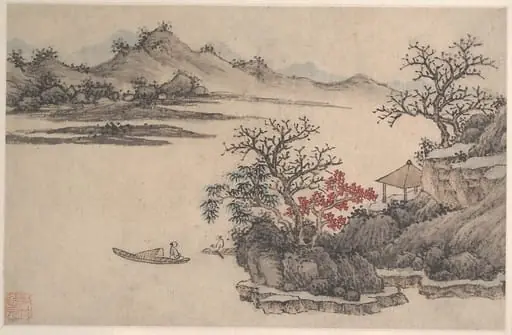 Untitled
 The Thousand Buddha Hall and the Pagoda of the "Cloudy Cliff" Monastery, from Twelve Views of Tiger Hill, Suzhou
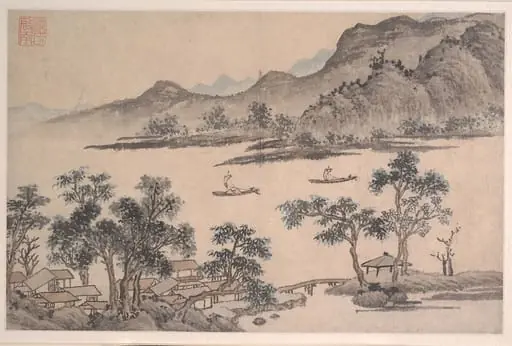 Untitled
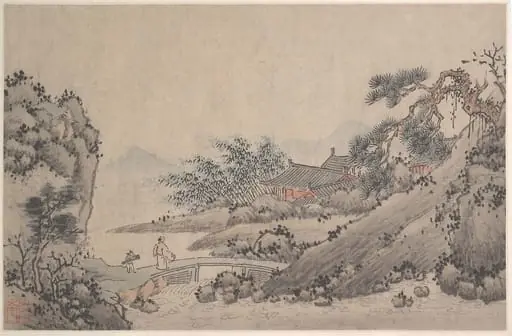 Untitled
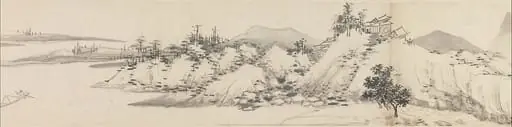 明 沈周 溪山秋色圖 卷|明 沈周 溪山秋色圖 卷明 楷書溪山秋色圖 引首|Autumn Colors among Streams and Mountains
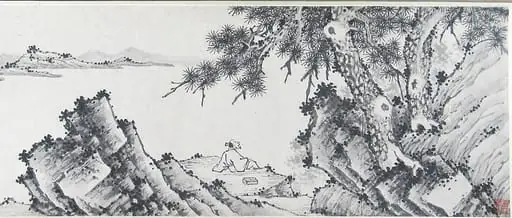 明 (倣)沈周 怡松圖 卷|Enjoying the Pines
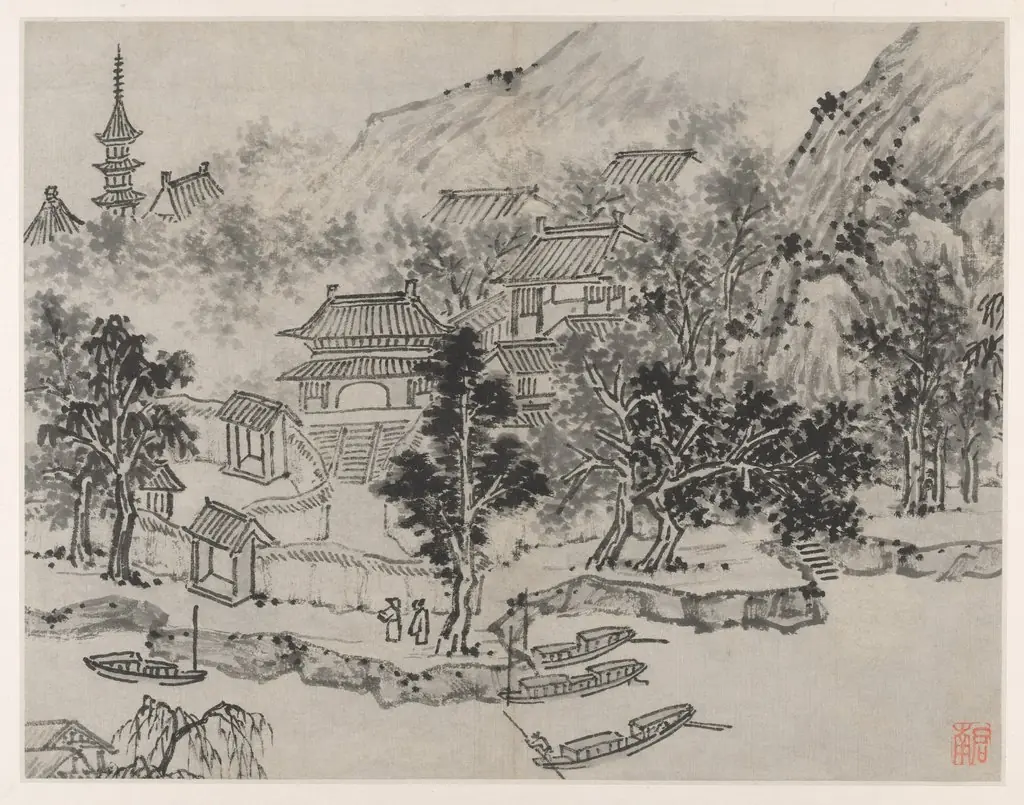 Distant View of Tiger Hill from the Canal Mooring, from Twelve Views of Tiger Hill, Suzhou
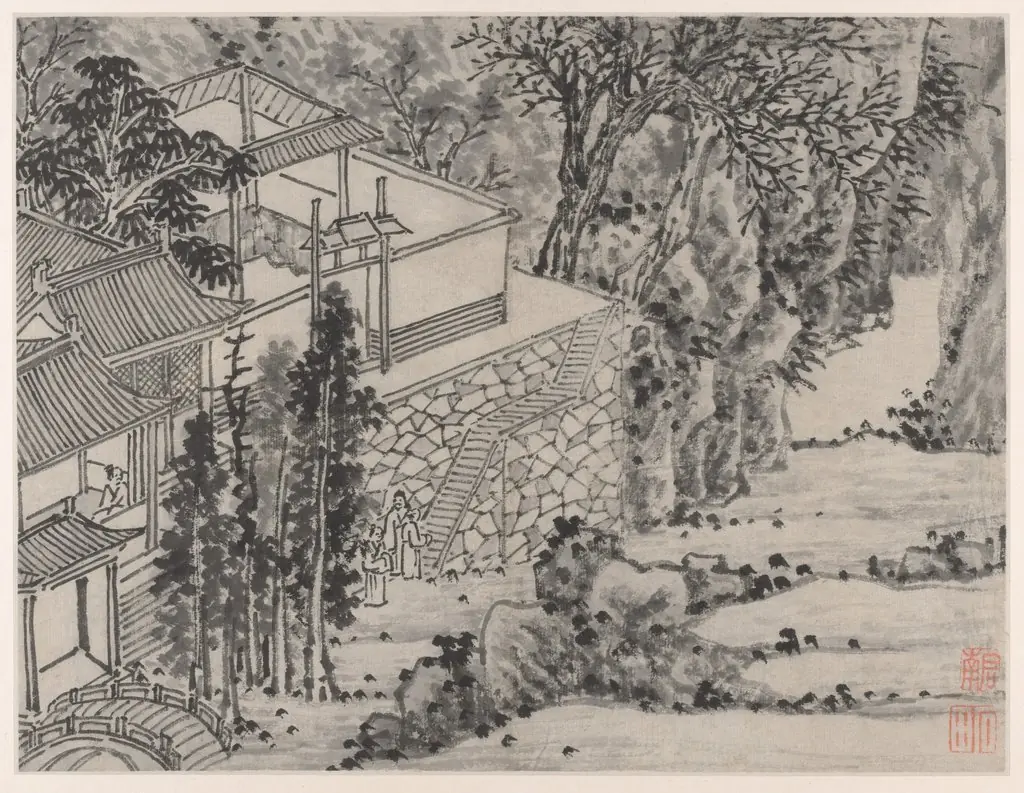 The Enlightened Stone Retreat, from Twelve Views of Tiger Hill, Suzhou
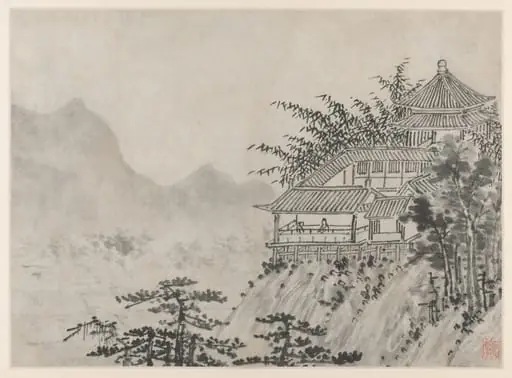 The Thousand Acres of Clouds, from Twelve Views of Tiger Hill, Suzhou
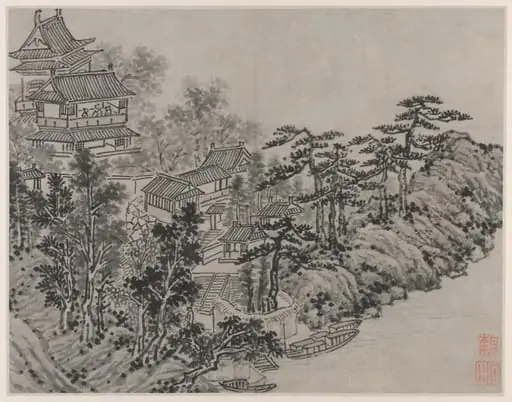 Cloud-Climbing Pavilion, from Twelve Views of Tiger Hill, Suzhou
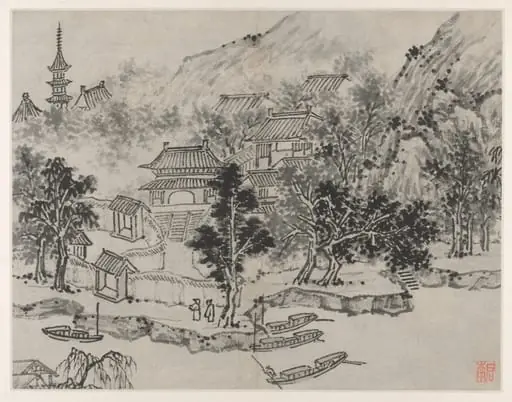 Distant View of Tiger Hill from the Canal Mooring, from Twelve Views of Tiger Hill, Suzhou
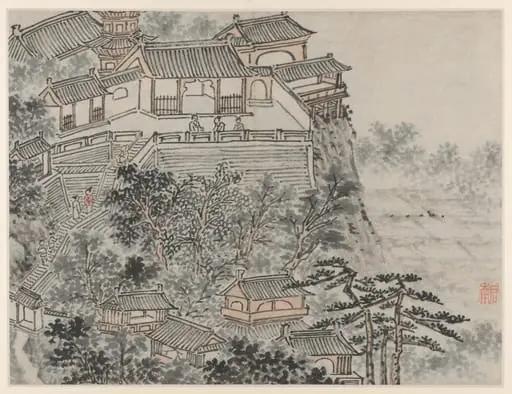 The Five Sages Terrace, from Twelve Views of Tiger Hill, Suzhou
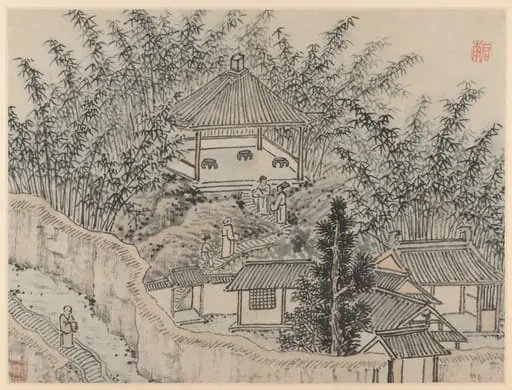 Bamboo Pavilion, Tiger Hill, from Twelve Views of Tiger Hill, Suzhou
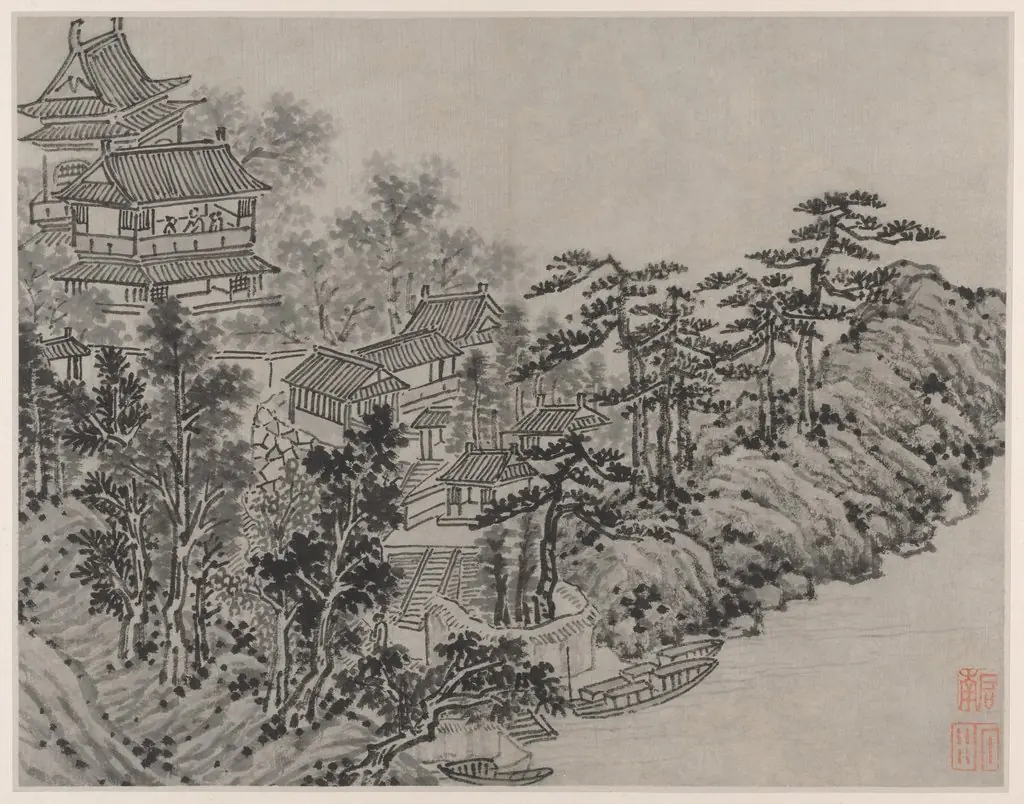 Cloud-Climbing Pavilion, from Twelve Views of Tiger Hill, Suzhou
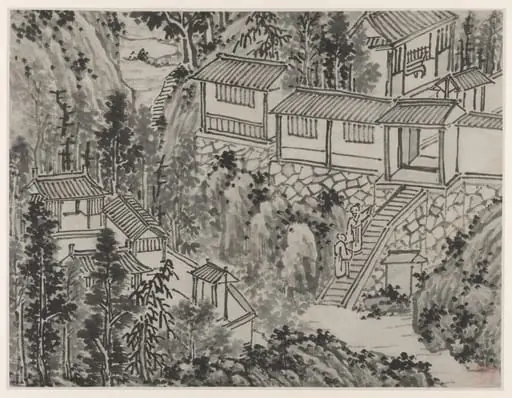 The Pine Retreat, from Twelve Views of Tiger Hill, Suzhou
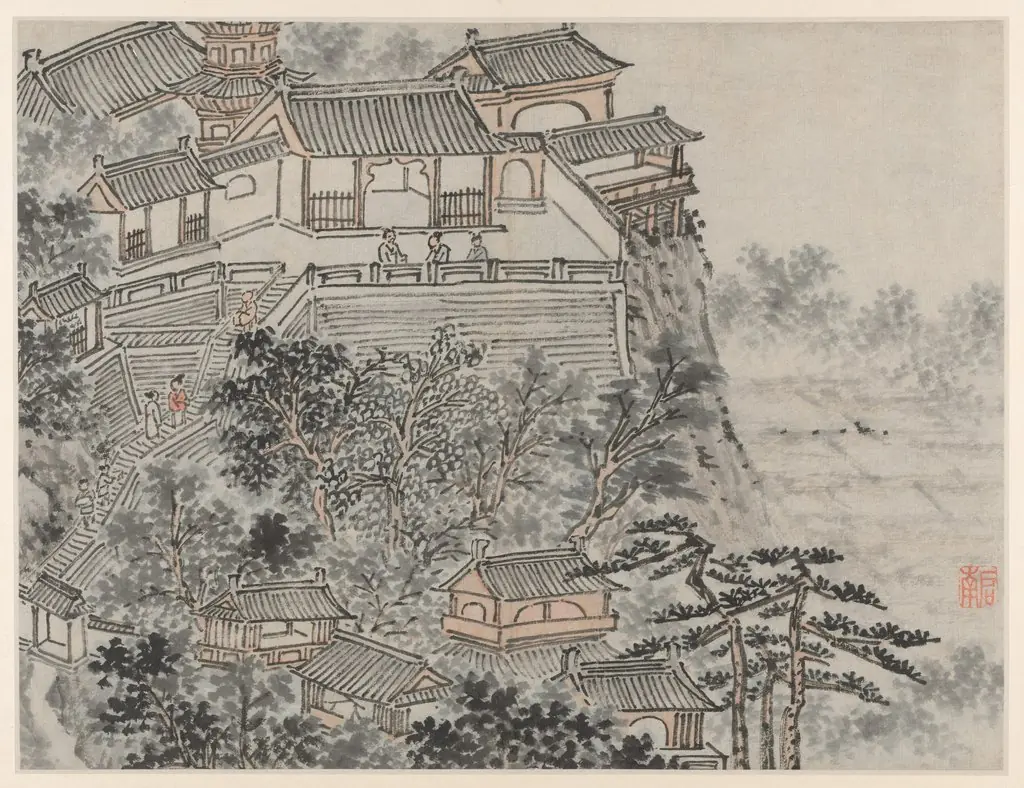 The Five Sages Terrace, from Twelve Views of Tiger Hill, Suzhou
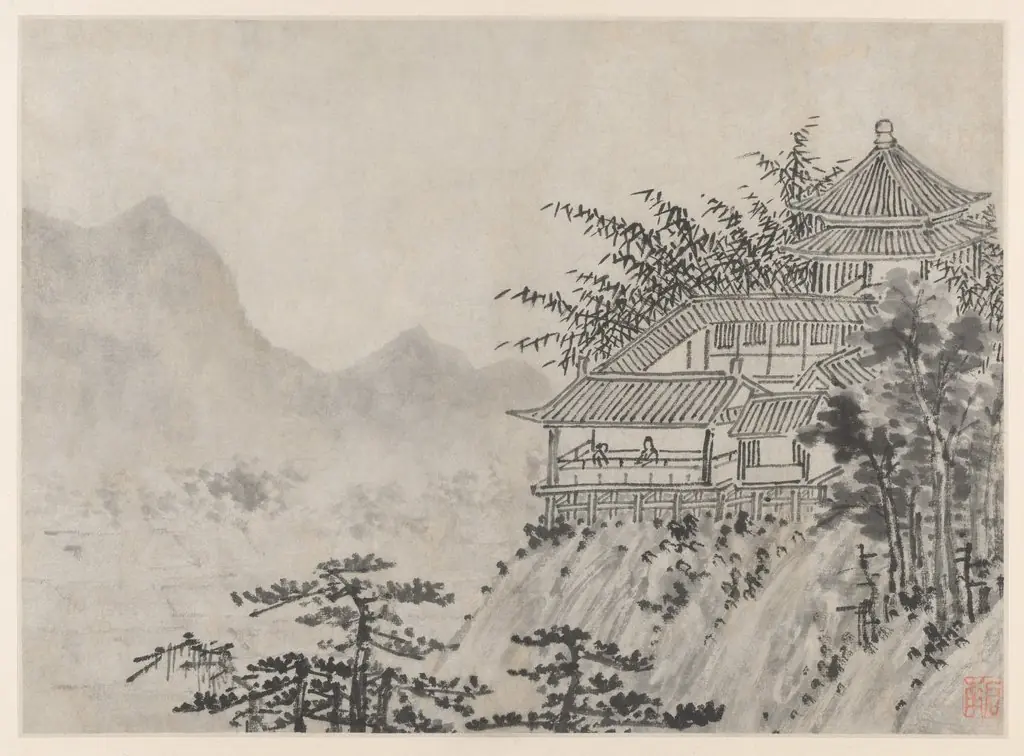 The Thousand Acres of Clouds, from Twelve Views of Tiger Hill, Suzhou
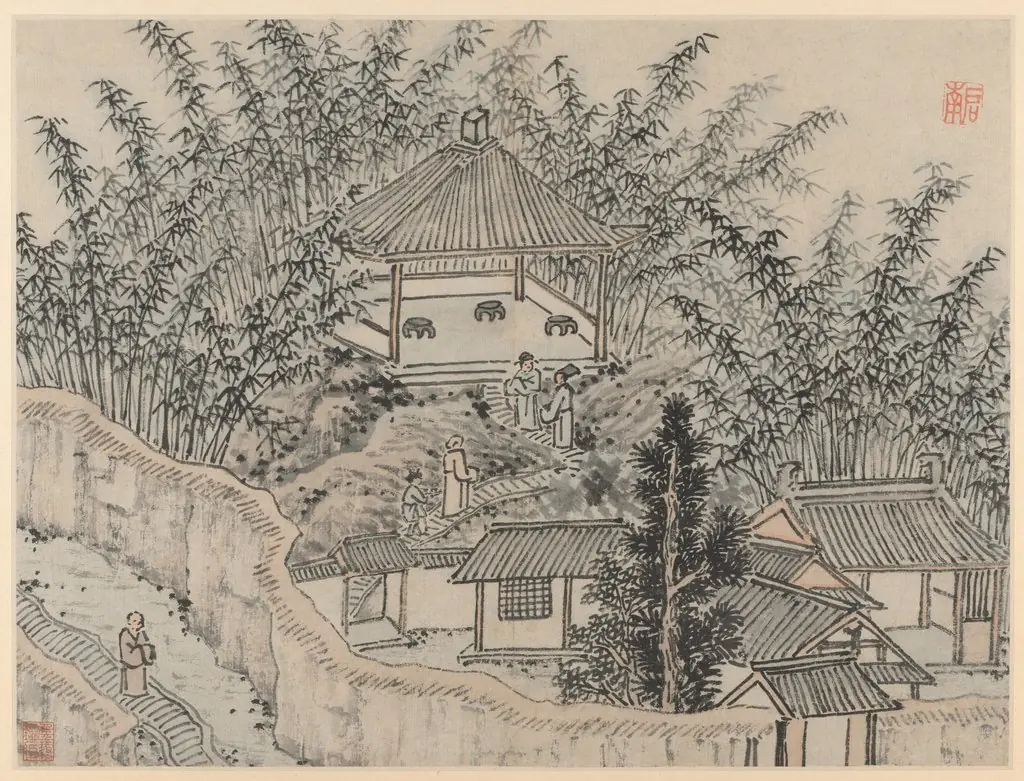 Bamboo Pavilion, Tiger Hill, from Twelve Views of Tiger Hill, Suzhou