Artwork
The Sword Spring, Tiger Hill, from Twelve Views of Tiger Hill, Suzhou
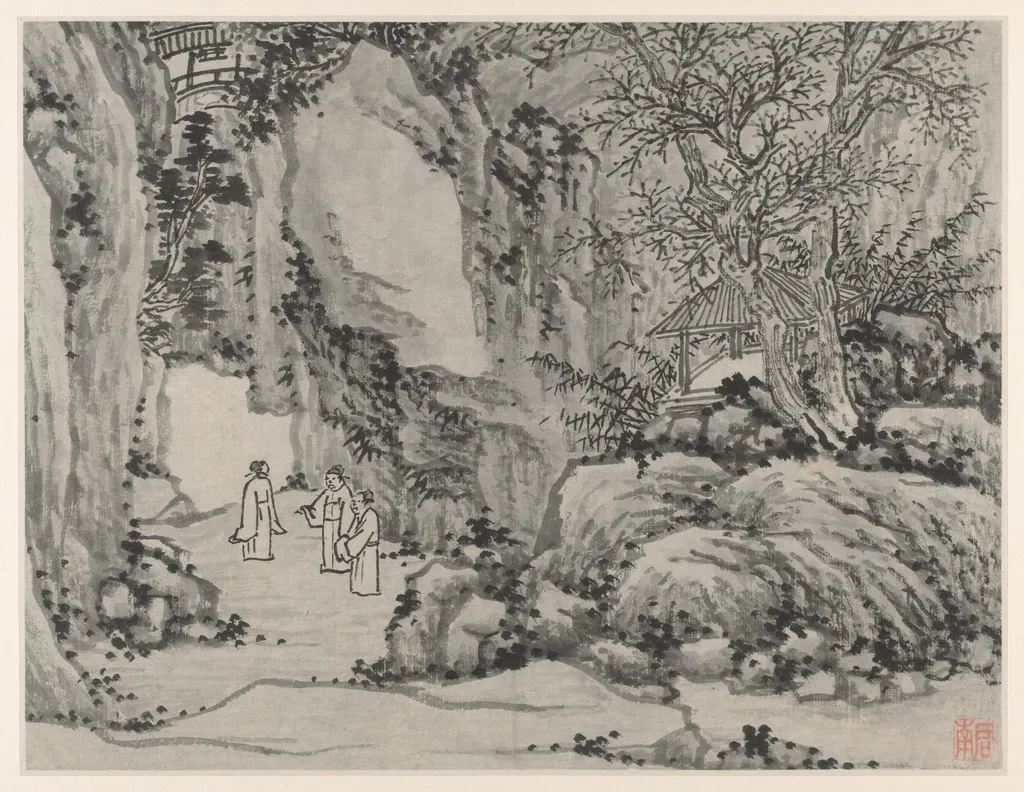
The Sword Spring, Tiger Hill, from Twelve Views of Tiger Hill, Suzhou is an unspecified painting by the Ming dynasty painting artist Shen Zhou. It dates from 1500 and is held in the collection of the Cleveland Museum of Art.
About this work
Overview
Created by Shen Zhou in 1500, The Sword Spring, Tiger Hill, from Twelve Views of Tiger Hill, Suzhou is a painting housed at The Cleveland Museum of Art.
Created by Shen Zhou in 1500, The Sword Spring, Tiger Hill, from Twelve Views of Tiger Hill, Suzhou is a painting housed at The Cleveland Museum of Art. This work is part of a larger series depicting the scenic area around Tiger Hill, a famous site near Suzhou. It presents a monochromatic landscape featuring a rocky hillside, sparse trees, and small human figures, characteristic of the artist's approach to natural scenes.
Subject & Meaning
The painting portrays a serene landscape centered on a rocky hillside, with a stream flowing beneath a distant arched bridge. Three small figures, appearing as travelers in loose robes, navigate the terrain, dwarfed by the surrounding nature. Their presence suggests a contemplation of the natural world, a common theme in literati painting that often emphasizes humanity's place within vast, untamed environments. The work is one of a series dedicated to the celebrated Tiger Hill.
Technique & Style
Shen Zhou employs a largely monochromatic palette, utilizing varying shades of ink to define forms and atmosphere, with dark outlines providing definition. The brushwork is notably free and expressive, lending the composition a spontaneous, almost sketch-like quality. This approach reflects Shen Zhou's distinctive style as a founder of the Wu School, which prioritized personal expression and the nuanced application of ink over meticulous detail, aligning with the literati ideal of art as a form of scholarly amateurism.
Context
Shen Zhou (1427–1509) was a pivotal figure in Chinese art, recognized as the founder of the influential Wu School of painting. Based in Suzhou, a vibrant cultural hub, he embodied the literati ideal, emphasizing personal expression and intellectual amateurism over professional artistry. His landscapes, often featuring small figures, reflect a deep engagement with nature and a departure from more academic styles. This painting, depicting a site near his home, exemplifies his contribution to this significant artistic movement.
Own this work as a print
Artist & collection
Artist
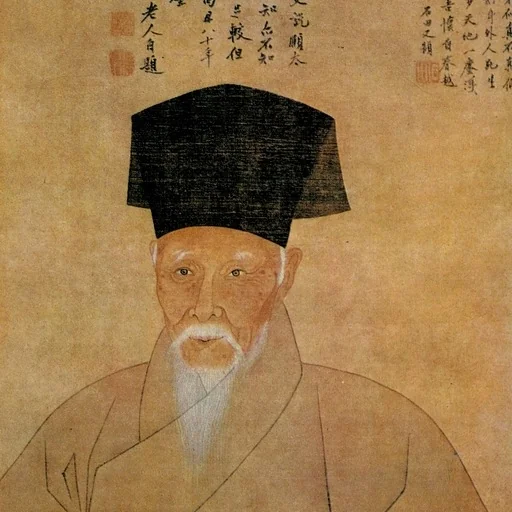
Shen Zhou spent his life in the Suzhou region of China, where his family’s money and connections mattered more than art—until it did.

 Untitled
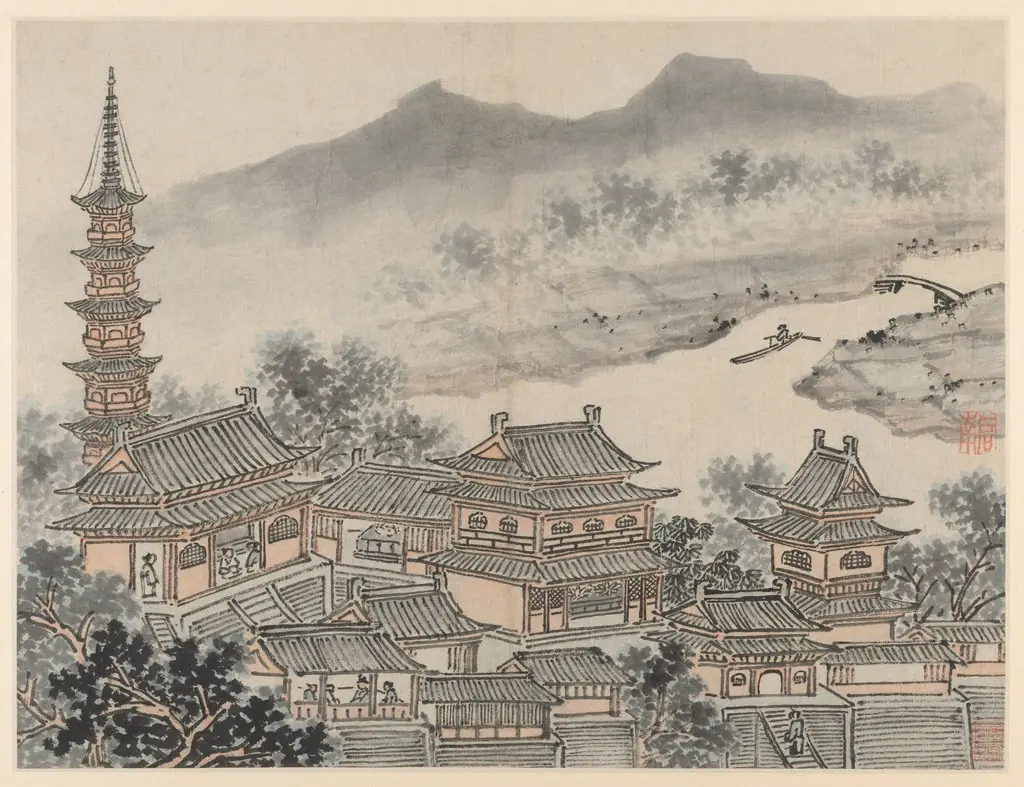 The Thousand Buddha Hall and the Pagoda of the "Cloudy Cliff" Monastery, from Twelve Views of Tiger Hill, Suzhou
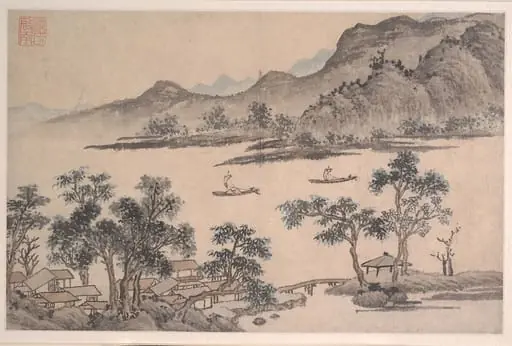 Untitled
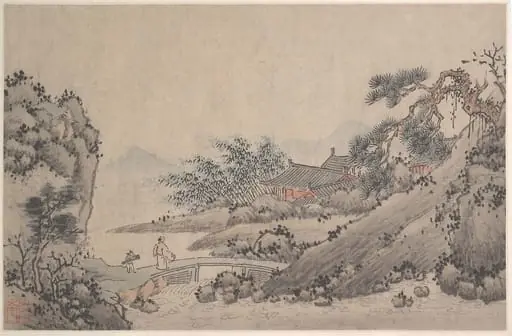 Untitled
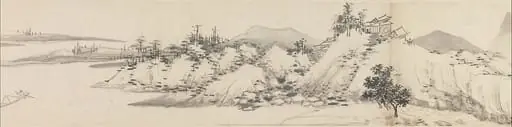 明 沈周 溪山秋色圖 卷|明 沈周 溪山秋色圖 卷明 楷書溪山秋色圖 引首|Autumn Colors among Streams and Mountains
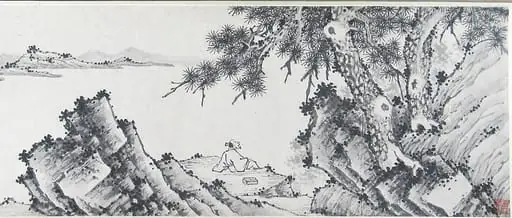 明 (倣)沈周 怡松圖 卷|Enjoying the Pines
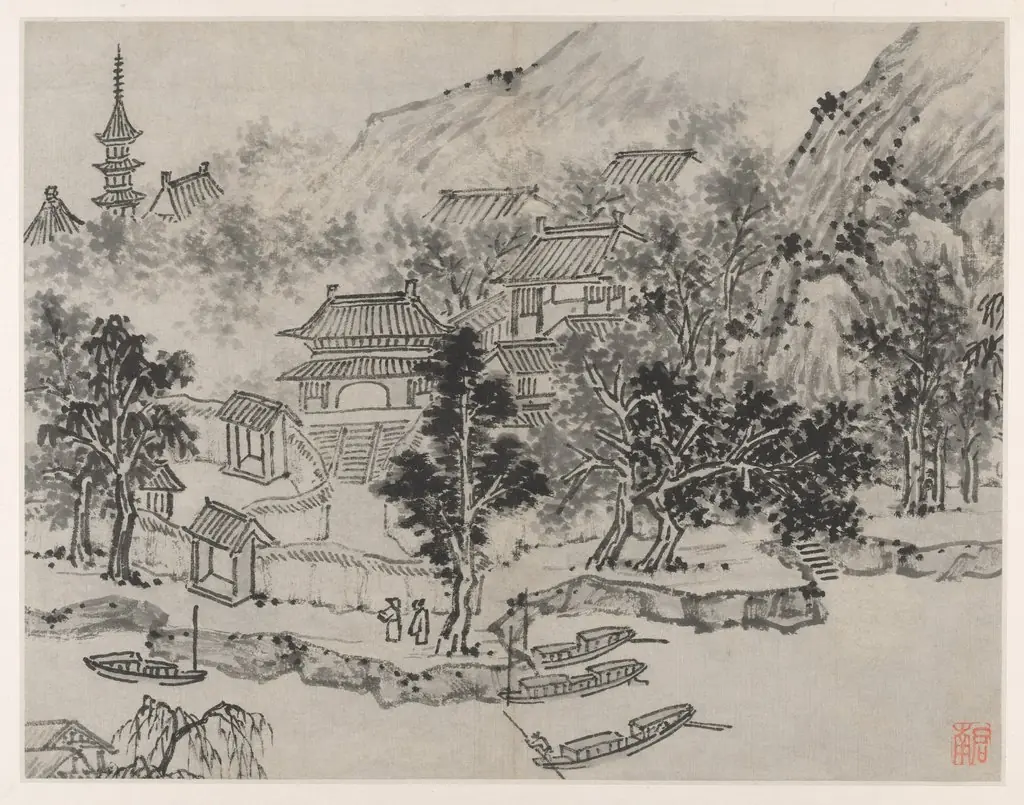 Distant View of Tiger Hill from the Canal Mooring, from Twelve Views of Tiger Hill, Suzhou
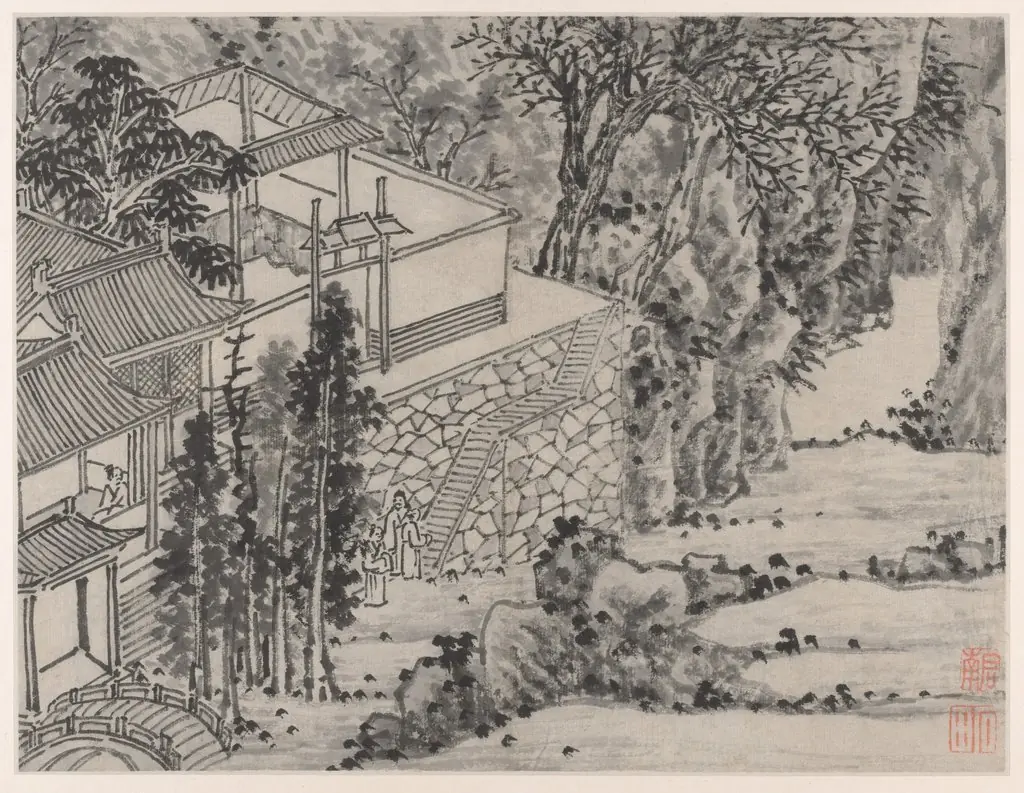 The Enlightened Stone Retreat, from Twelve Views of Tiger Hill, Suzhou
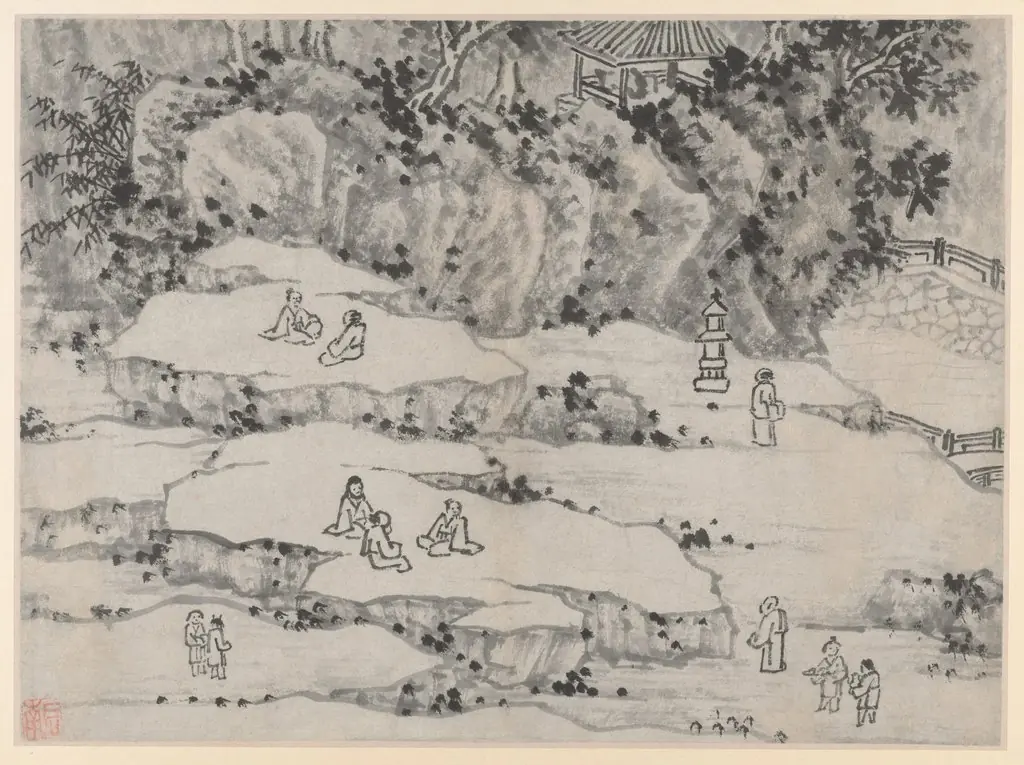 The Nodding Stone Terrace, Tiger Hill, and the Thousand-Man Seat, from Twelve Views of Tiger Hill, Suzhou
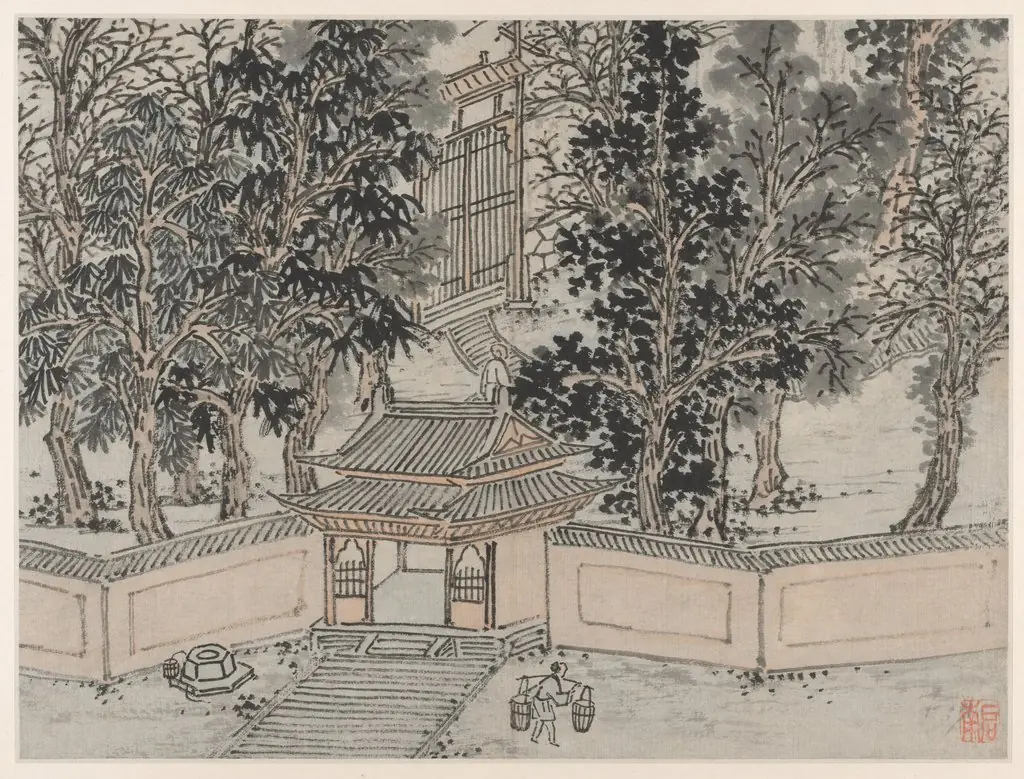 Tiger-Flight Spring at the Back Gate, from Twelve Views of Tiger Hill, Suzhou
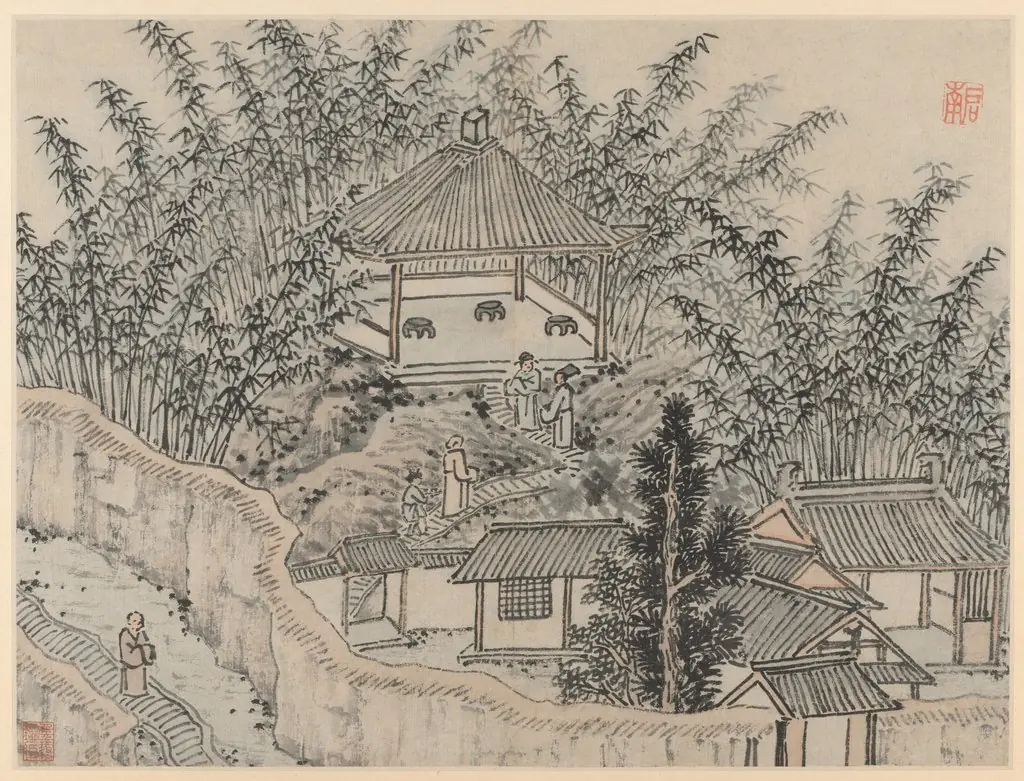 Bamboo Pavilion, Tiger Hill, from Twelve Views of Tiger Hill, Suzhou
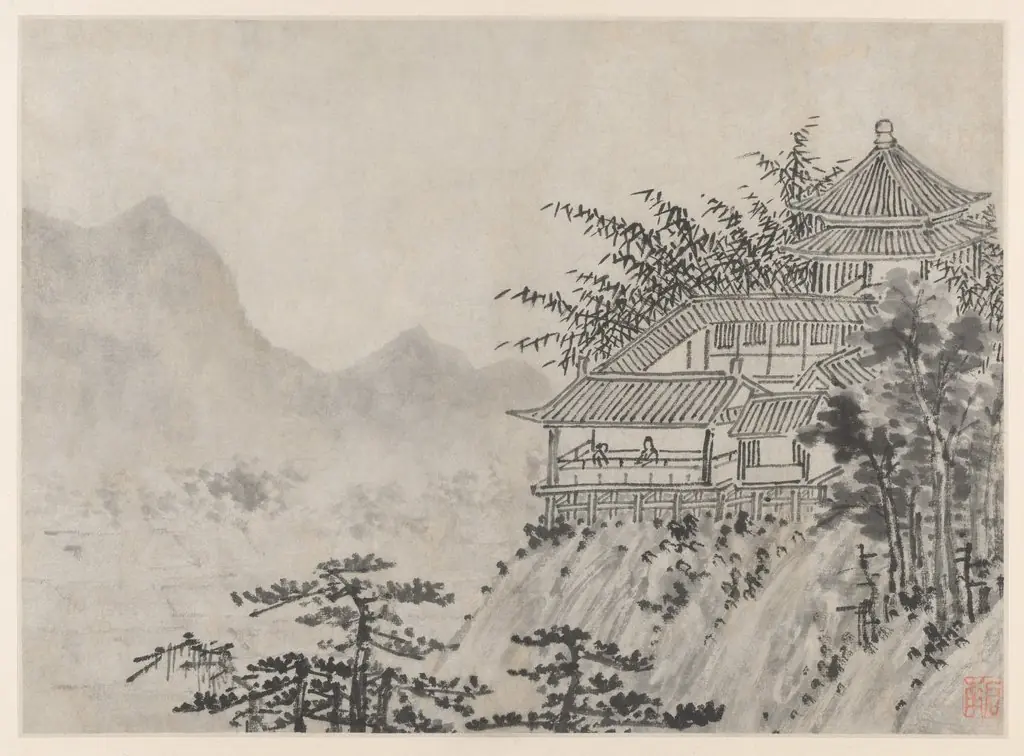 The Thousand Acres of Clouds, from Twelve Views of Tiger Hill, Suzhou