Artwork
Untitled
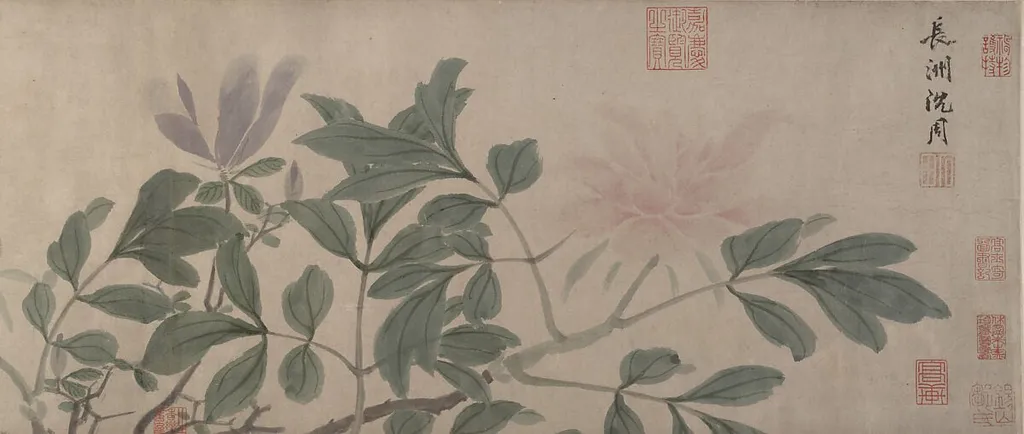
Untitled is an ink painting by the Ming dynasty painting artist Shen Zhou. It dates from 1468 and is held in the collection of the Metropolitan Museum of Art.
About this work
Overview
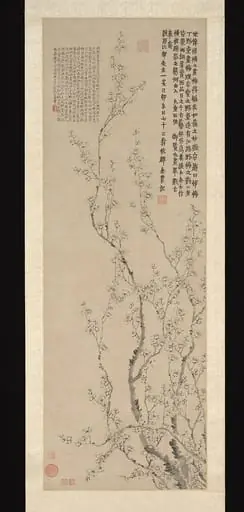
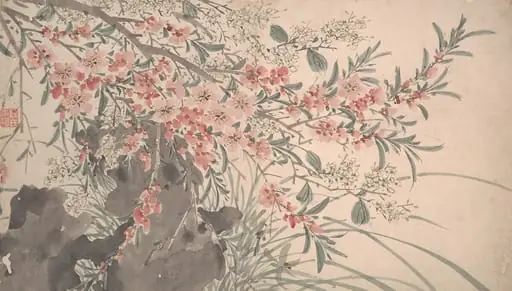
Created in 1468, this hand‑scroll by Shen Zhou presents a solitary branch of peach blossoms rendered in ink and color on paper. The composition stretches horizontally, occupying a narrow strip of the surface, while the surrounding paper remains unfilled, emphasizing the delicate forms of the flowers and leaves.
Subject & Meaning
The work focuses exclusively on a single peach‑blossom branch, its soft pink petals and muted green foliage rendered without any surrounding landscape or architectural elements. The sparseness invites contemplation of the blossoms’ fleeting beauty, a motif often associated with renewal and the transience of life in Chinese poetic tradition.
Technique & Style
Shen Zhou employs light, whisper‑like ink strokes to outline the branch, while subtle washes of color give the petals their gentle hue. The minimal use of cross‑hatching creates delicate shadows, allowing the white of the paper to function as an active element of the composition rather than a mere background.
History & Provenance
The scroll originates from the mid‑15th century, a period when many Chinese painters favored densely populated scenes. This piece, however, reflects Shen Zhou’s personal aesthetic choice to leave extensive blank space. Its provenance traces back to the artist’s own workshop, later entering private collections before being acquired by a museum.
Context
During the Ming dynasty, the literati class often embraced simplicity and the expressive potential of negative space. Shen Zhou’s decision to isolate a single branch aligns with this intellectual movement, contrasting with contemporary works that filled the entire surface with intricate detail.
Artist & collection
Artist
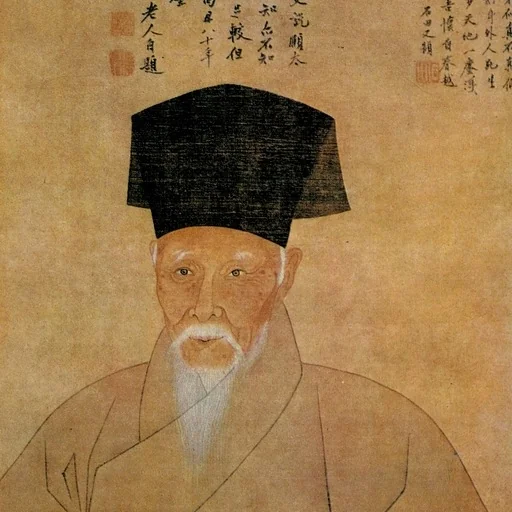
Shen Zhou spent his life in the Suzhou region of China, where his family’s money and connections mattered more than art—until it did.

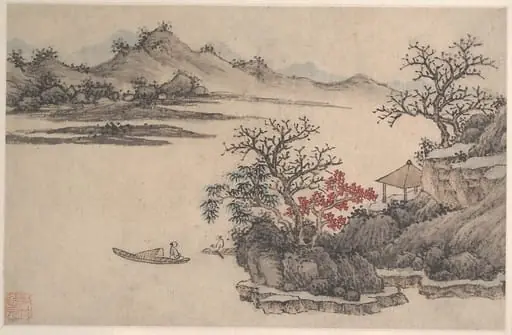 Untitled
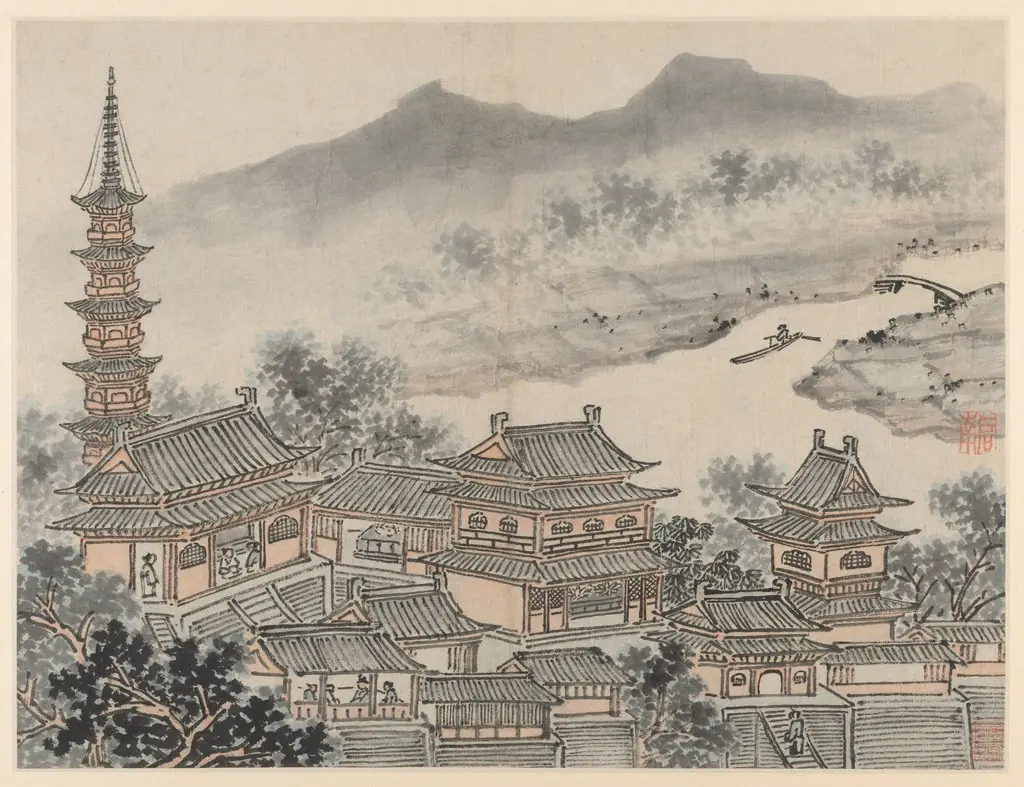 The Thousand Buddha Hall and the Pagoda of the "Cloudy Cliff" Monastery, from Twelve Views of Tiger Hill, Suzhou
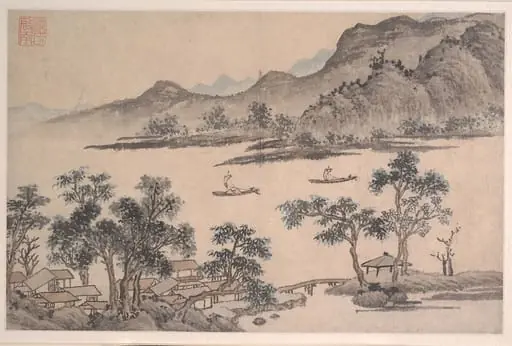 Untitled
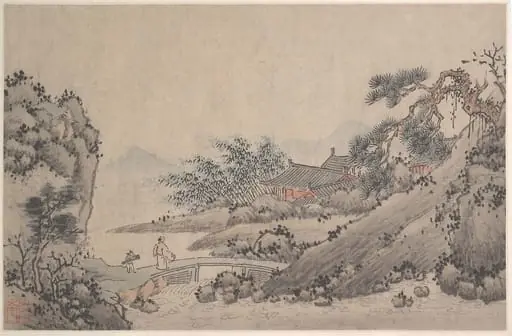 Untitled
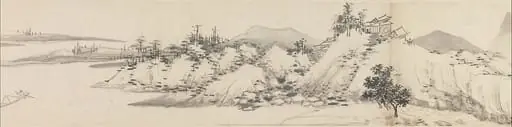 明 沈周 溪山秋色圖 卷|明 沈周 溪山秋色圖 卷明 楷書溪山秋色圖 引首|Autumn Colors among Streams and Mountains
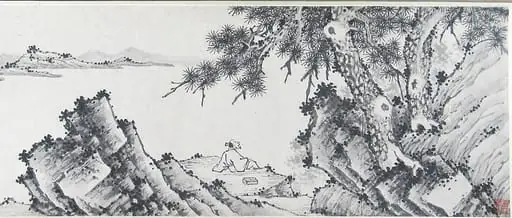 明 (倣)沈周 怡松圖 卷|Enjoying the Pines
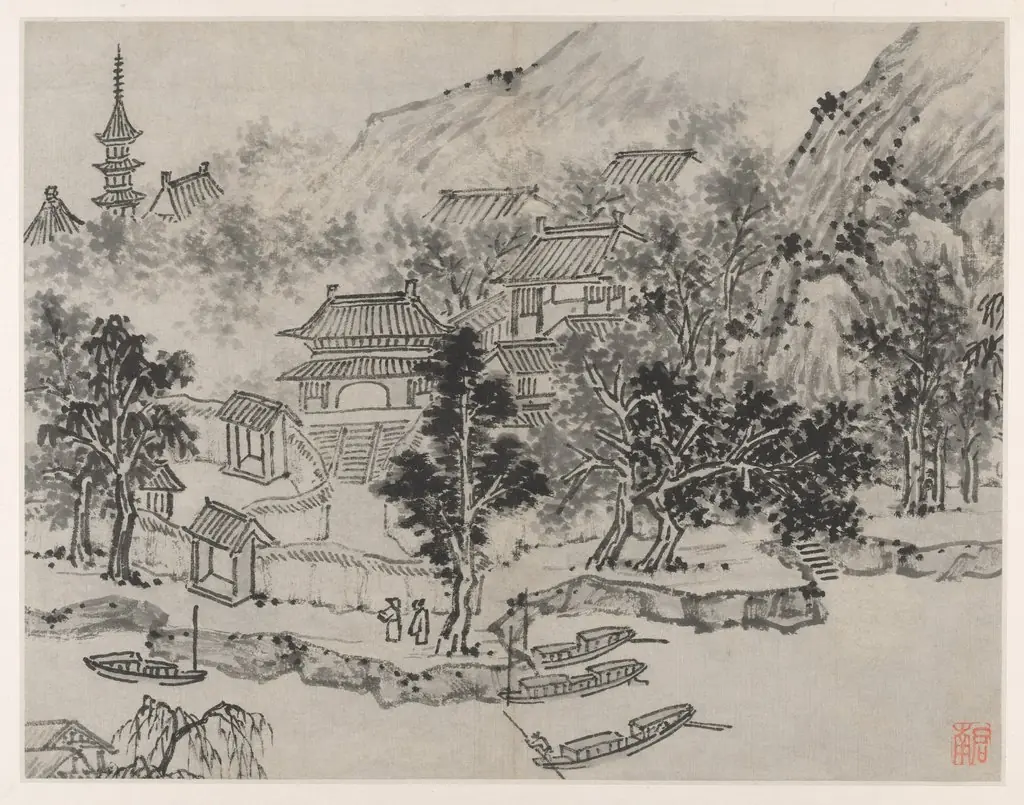 Distant View of Tiger Hill from the Canal Mooring, from Twelve Views of Tiger Hill, Suzhou
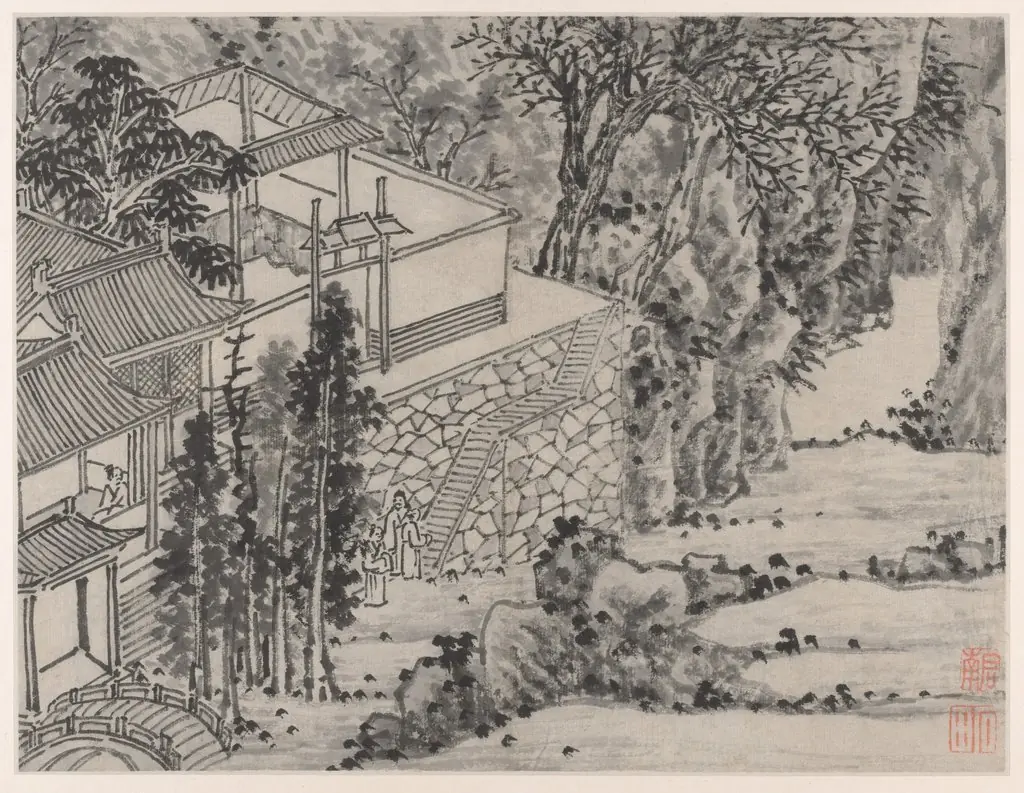 The Enlightened Stone Retreat, from Twelve Views of Tiger Hill, Suzhou