Artwork
Untitled
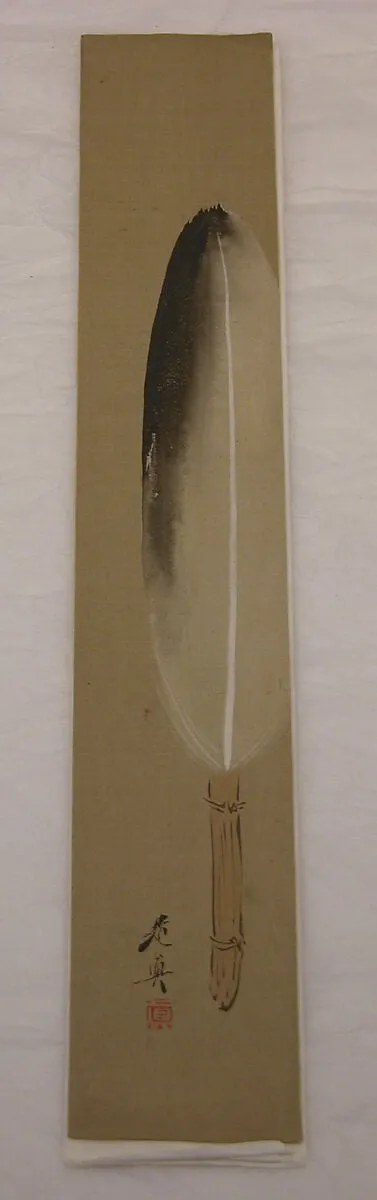
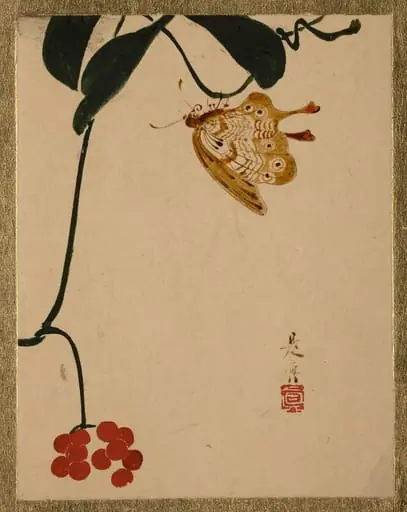
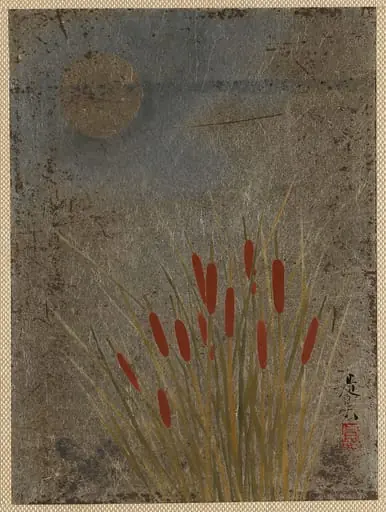
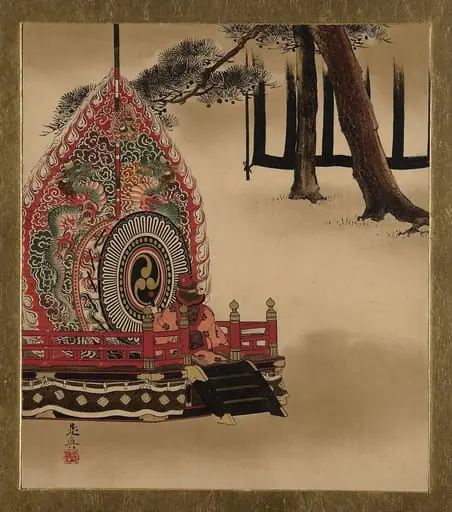
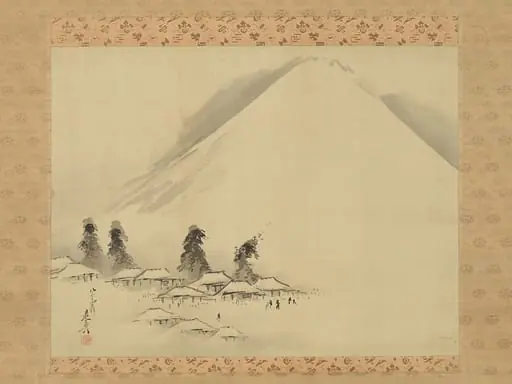
Untitled is an ink painting by the Romanticist artist Shibata Zeshin. It dates from 1849 and is held in the collection of the Metropolitan Museum of Art.
About this work
Overview
Created in 1849, this untitled work by Shibata Zeshin is a modest still‑life executed on a tanzaku, a narrow paper strip traditionally used for poetry. The composition consists of a solitary black feather set against a muted gray field, the simplicity of the image emphasizing the delicate materiality of the paper itself.
Subject & Meaning
The lone feather, rendered with restrained detail, suggests transience and lightness, echoing themes common in Edo‑period aesthetics where everyday objects become symbols of impermanence. Its isolation on the page invites contemplation of the fleeting nature of both the object and the moment captured.
Technique & Style
Zeshin employs an extremely fine ink wash that allows the texture of the tanzaku to remain visible, while the feather’s form is built up through meticulous, overlapping strokes resembling tiny stitches. This cross‑hatching approach creates a sense of volume and movement, giving the impression that the feather could lift off the surface.
History & Provenance
The painting was produced during the late Tokugawa era, a period when Zeshin was exploring new applications of traditional lacquer and ink techniques. Though the work bears no title, it has been documented in several catalogues of the artist’s oeuvre and remains in a private Japanese collection.
Context
In the mid‑nineteenth century, Japanese artists often used tanzaku for brief visual statements, pairing poetry with minimal imagery. Zeshin’s choice of this format aligns with the practice of integrating visual and literary arts, while his refined line work reflects the broader shift toward subtle realism in Edo‑period painting.
Artist & collection