Artwork
Johann Sebastian Bach
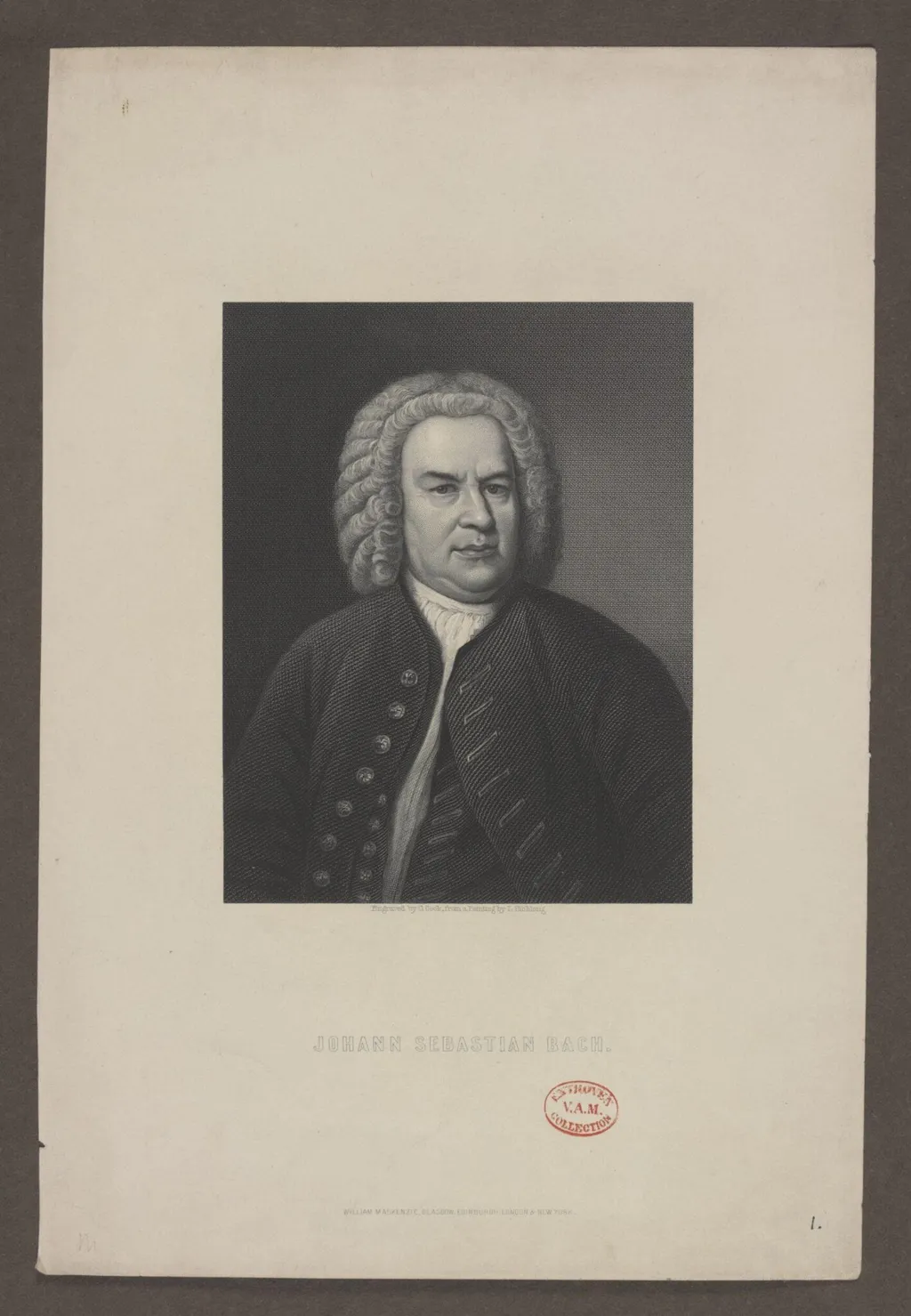
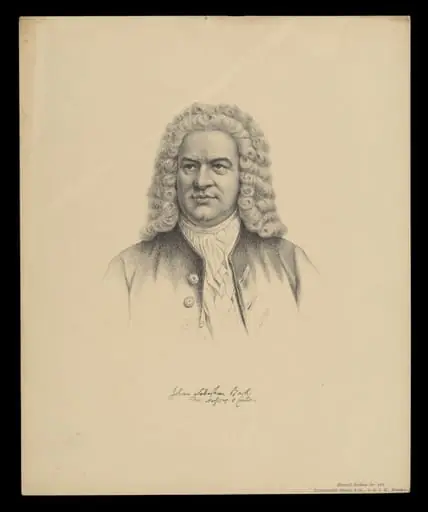
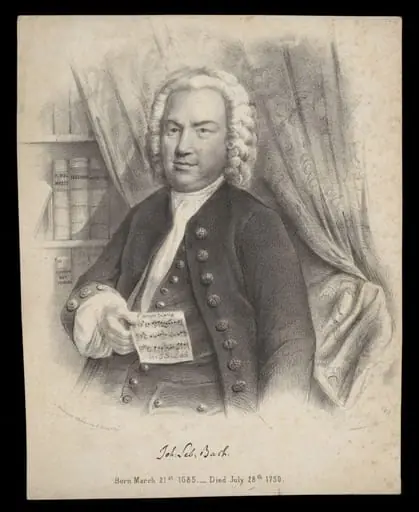
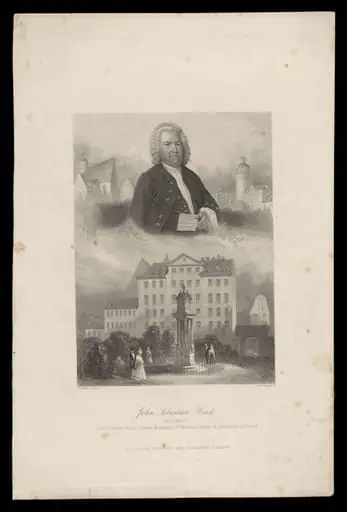
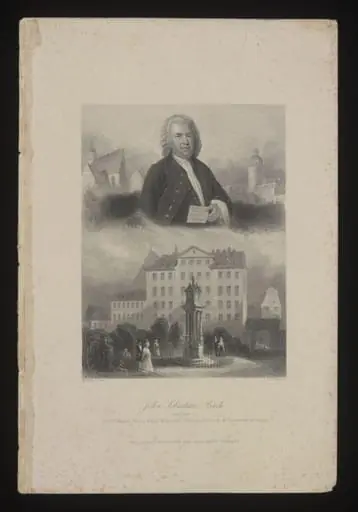
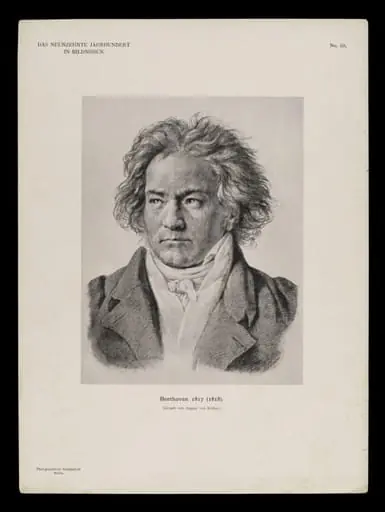
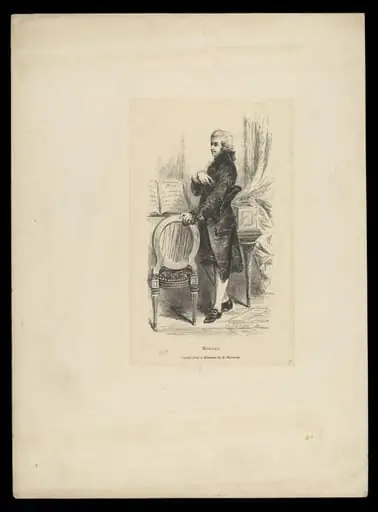
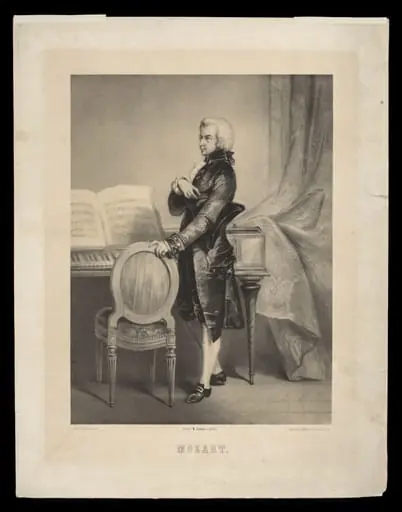
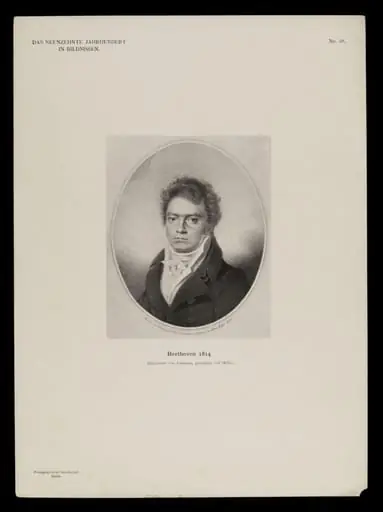
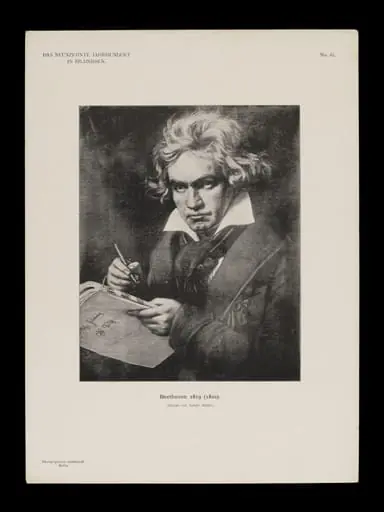
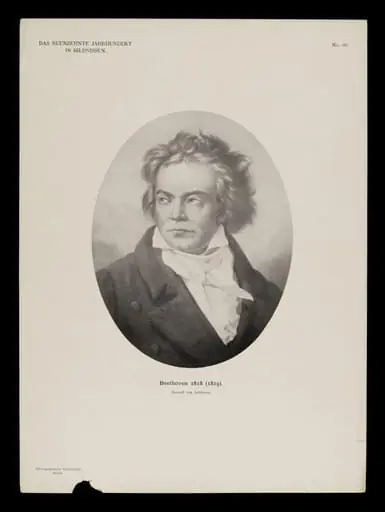
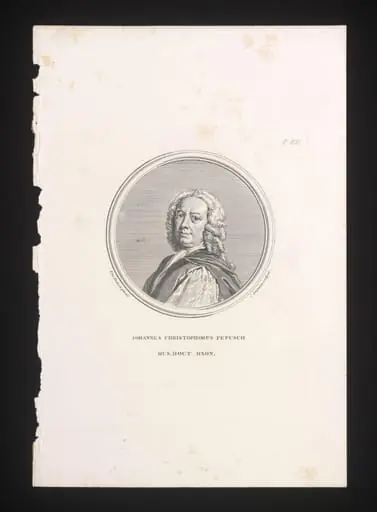
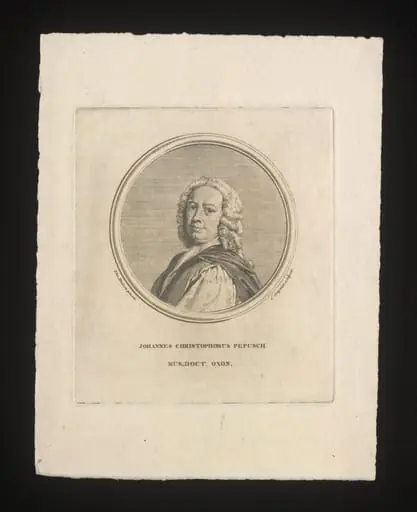
Johann Sebastian Bach is a print by the Romanticist artist Sichlong, L. It dates from 1819 and is held in the collection of the Victoria and Albert Museum.
About this work
It was made in the Romantic style and printed by William Mackenzie around February that year.
This is a 1819 print by L. Sichlong of Johann Sebastian Bach.
It was made in the Romantic style and printed by William Mackenzie around February that year.
The Victoria and Albert Museum keeps this image today.
Prints like this kept Bach’s face alive in the early 1800s.
He died in 1750, so most people knew him only by older portraits.
This one was rushed out fast—just nine years after Bach’s original died.
Look up the Victoria and Albert Museum next.
Overview
A print of Johann Sebastian Bach, produced in February 1819 by William Mackenzie after a design by L. Sichlong, captures the composer’s likeness nearly seventy years after his death. Created during the Romantic era, this image reflects contemporary efforts to visually preserve historical figures. It was one of several reproductions circulating in early 19th-century Britain, helping to sustain public awareness of Bach beyond his musical legacy.
Subject & Meaning
The portrait presents Bach as a solemn, contemplative figure, consistent with Romantic ideals of the artist as a profound, almost sacred intellect. Though based on earlier depictions, this version was not drawn from life, as no authenticated contemporary image existed. Its purpose was memorial: to anchor Bach’s identity in the public imagination during a period when his music was being rediscovered and reevaluated.
Technique & Style
Executed in the Romantic style, the print employs soft tonal contrasts and idealized features to convey dignity and introspection. The engraving technique, typical of early 19th-century reproductive prints, prioritizes clarity and emotional resonance over strict realism. The composition follows conventional portraiture norms of the time, framing Bach against a neutral background to emphasize his intellectual presence.
History & Provenance
The print was produced in London in early 1819, shortly after renewed interest in Bach’s music emerged among British musicians and scholars. It was printed by William Mackenzie, a known publisher of musical and literary engravings. The image entered the collection of the Victoria and Albert Museum, where it remains as part of a broader archive documenting the reception of historical composers in the 19th century.
Context
In the decades following Bach’s death, his music was largely overlooked outside specialized circles. By the 1810s, a revival led by figures like Mendelssohn and British collectors prompted a demand for visual representations. This print emerged as part of a wave of engraved portraits meant to humanize and commemorate composers whose reputations were being rebuilt through performance and publication.
Legacy
Though not an authentic likeness, this print contributed to the standardization of Bach’s visual identity in the 19th century. It was widely reproduced and referenced, influencing later depictions. Its survival in institutional collections underscores its role in shaping how generations came to imagine the composer, bridging the gap between historical absence and cultural memory.
Artist & collection
Artist
This 19th-century German artist made a single preserved print of Johann Sebastian Bach in 1819, an etched portrait that became the era’s go-to image for posterity.