Artwork
H Beard Print Collection
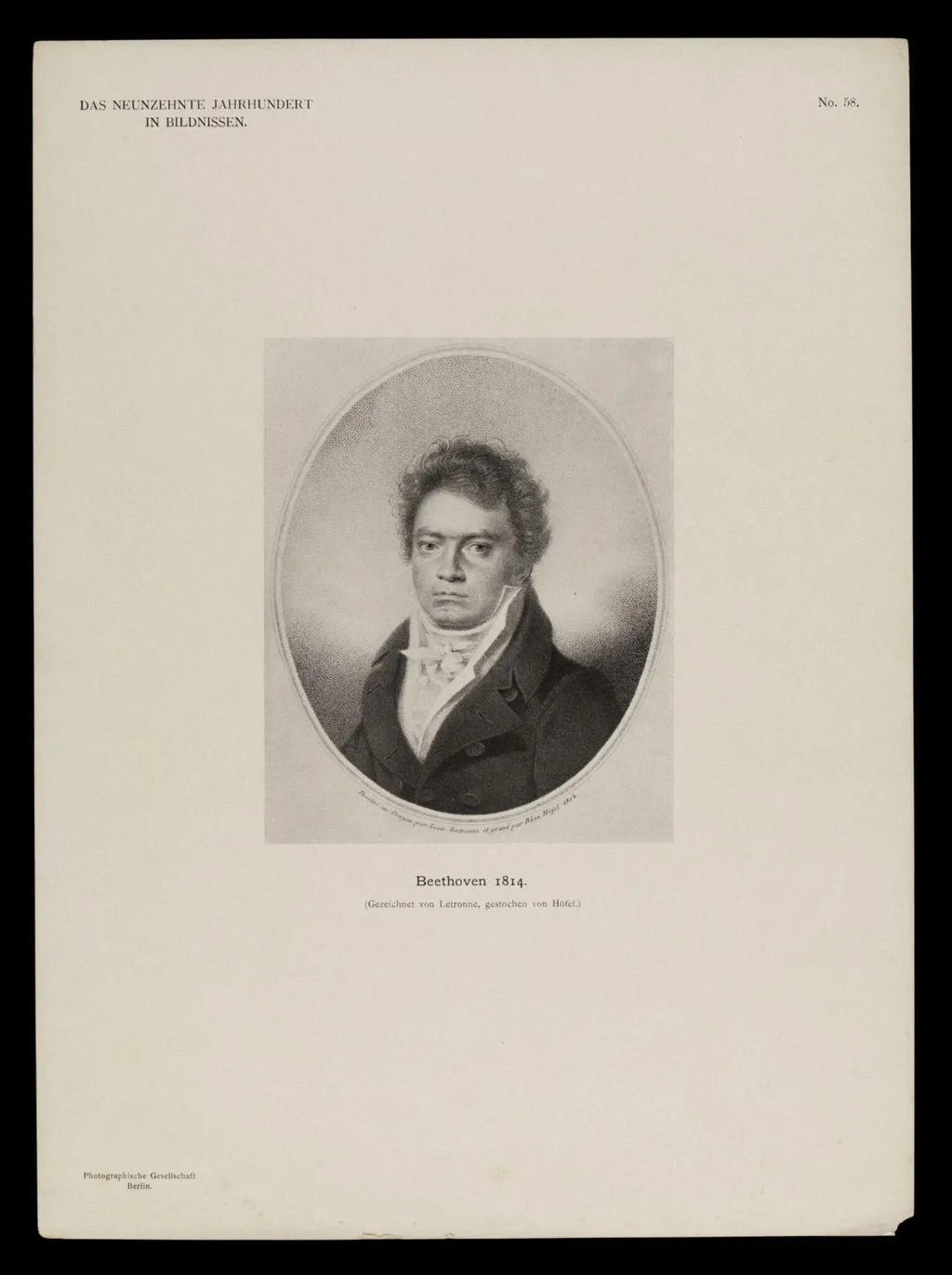
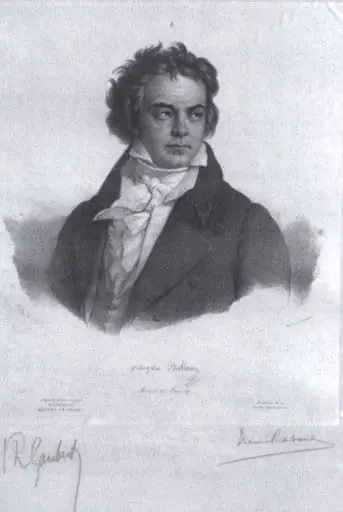
H Beard Print Collection is a print by Letronne. It dates from 1850 and is held in the collection of the Victoria and Albert Museum. A portrait of Ludwig van Beethoven, created in 1814, appears as a printed image produced by the Photographic Society in Berlin.
About this work
Overview
A portrait of Ludwig van Beethoven, created in 1814, appears as a printed image produced by the Photographic Society in Berlin. Though labeled as a print, it likely reproduces an earlier painted or drawn likeness, as photographic technology had not yet reached practical portraiture at the time. The work serves as a visual record of the composer during a period of growing public recognition.
Subject & Meaning
The portrait captures Beethoven in his early forties, amid his mature compositional years and increasing deafness. His intense gaze and furrowed brow convey a sense of inner resolve, reflecting his reputation for emotional depth and artistic determination. The image does not idealize him but presents a grounded, almost austere presence, aligning with contemporary perceptions of his character.
Technique & Style
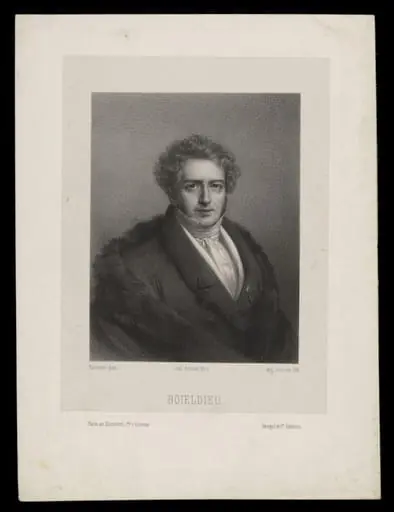
The print employs engraving or lithographic methods to reproduce a pre-existing likeness, typical of 19th-century dissemination of celebrity imagery. Lines are precise but restrained, with minimal shading, emphasizing facial structure over atmospheric detail. The composition is frontal and centered, focusing attention on the subject’s expression rather than environment or ornamentation.
History & Provenance
The print’s origin in Berlin underscores the city’s role as a center for musical and print culture in early 19th-century Europe.
Produced by the Photographic Society of Berlin, the print emerged during a time when visual reproductions of cultural figures were becoming more widely distributed. Though the society’s name suggests photography, it likely operated as a publisher of engraved or lithographed images. The print’s origin in Berlin underscores the city’s role as a center for musical and print culture in early 19th-century Europe.
Context
In 1814, Beethoven was at the height of his influence, having composed major works including the Fifth and Sixth Symphonies. Public interest in his persona was rising, and printed portraits helped solidify his image beyond concert halls. This print reflects a broader trend of commodifying cultural icons through mass-produced imagery, even before the advent of photography.
Legacy
The portrait remains one of the most reproduced images of Beethoven from his lifetime, influencing later depictions in books, posters, and memorials. While not the earliest likeness, its clarity and solemn tone made it a standard reference. Its survival in collections attests to its role in shaping the enduring visual identity of the composer.
Artist & collection
Artist
Jean Letronne’s engravings read like time-travel postcards—he turns a Paris street into a 19th-century memory or a classical ruin into a postcard you can hold.